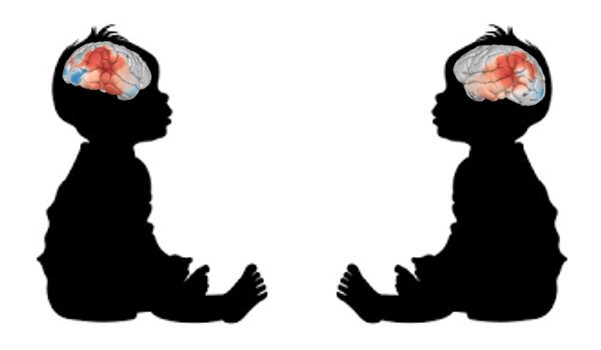
👀 Interacting or non-interacting: that is the research question...
📢 New pre-print out on social interaction perception in preverbal infants: https://t.co/DmntvCcEFb.... In collaboration with Emilie Serraille, @JR_Hochmann and @ljuba_pi.
🧵 A thread 👇
🗣️ new paper out: "Centrality of touch avoidance in social touch experiences in autism". In collaboration with the @SCNL_AgliotiLab.
👉 https://t.co/0bjEX8pEo4
The second aimed at elucidating how autistic adults perceive social touch.
Thread here: https://t.co/34bJrgV6FU.
7/7 These findings indicate that, early in life, the human brain is attuned to visual cues of social engagement. We propose that recognizing human interactions depends on perceptual mechanisms that use relational cues, such as face-to-face orientation.
👉https://t.co/3Paz38kCzi
👀 Interacting or non-interacting: that is the research question...
📢 New pre-print out on social interaction perception in preverbal infants: https://t.co/DmntvCcEFb.... In collaboration with Emilie Serraille, @JR_Hochmann and @ljuba_pi.
🧵 A thread 👇
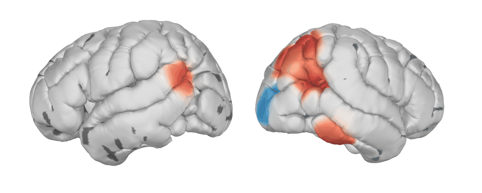
6/7 👶Infants displayed the same effect in posterior parieto-occipito-temporal regions, including the pSTS. This effect was distinct from that of body motion perception, suggesting separate mechanisms for perceiving general biological agents versus interacting agents.
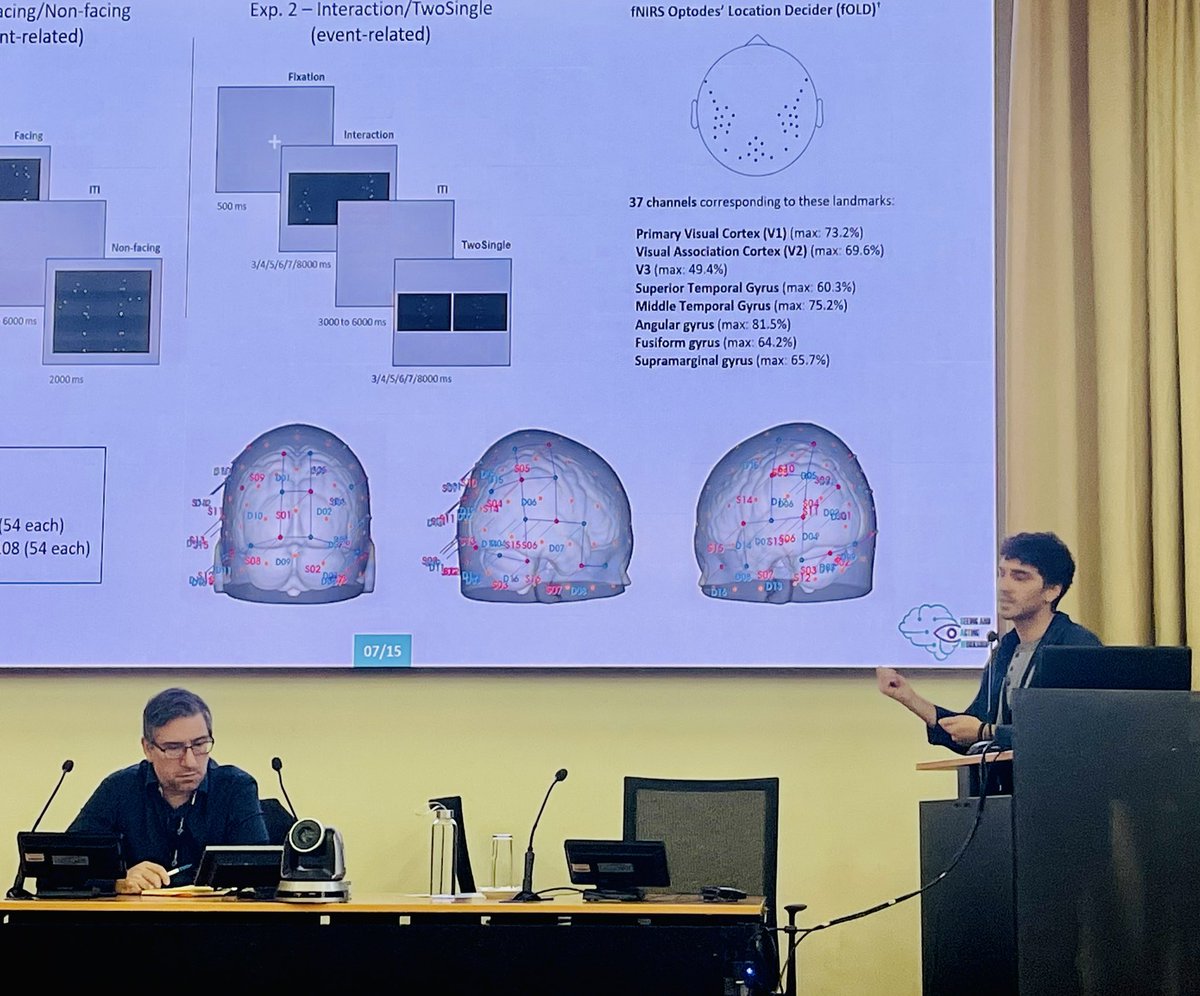
Today at #ECVP25@manuel__mello presented new data of an #fNIRS study providing the first evidence of selectivity for social interaction events in visual cortex in 6- and 10-month-old babies 👶🏻
Tempting to think that this reveals where social perception begins in the brain 🧠
‼️ Preprint alert ‼️
Led by Macy, with collaboration from @KerenMacLennan and @manuel__mello
Autistic Adults Prefer Social Touch Less but Engage Just as Much: The Impact of Social Context, Relationship Type, Sensory Responsivity and Psychological Factors https://t.co/bNz4pJOoA7
I am honoured to have received the Doctoral Thesis Award from @SapienzaRoma, accompanied by the publication of my thesis by Sapienza Università Editrice, available in open access here: https://t.co/9YyJnquhuP
Happy to share my latest work on dynamic functional connectivity changes during social vs. non-social touch in autism. This study reveals atypical context-dependent modulation of connectivity associated with autism during touch observation. https://t.co/ahDLKLxlUf
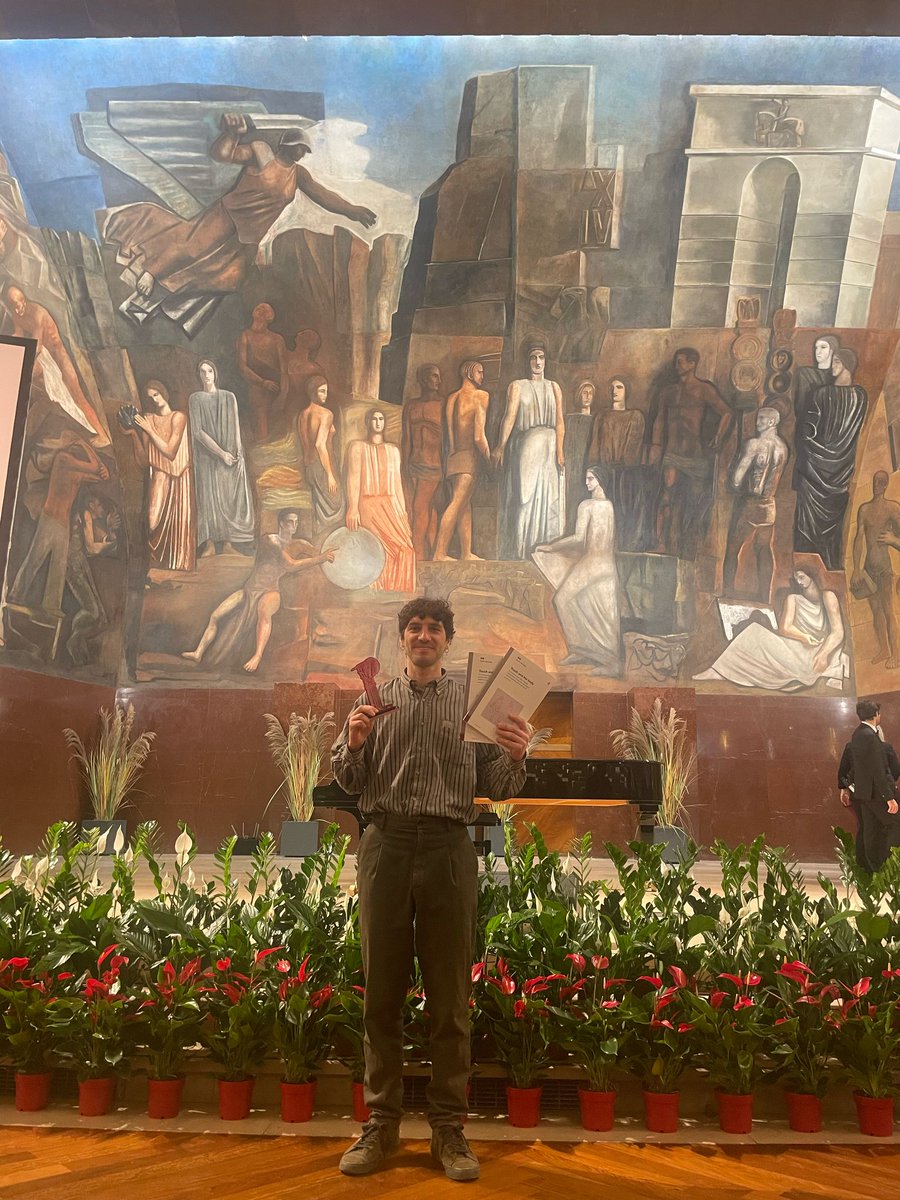
Big shout out to @manuel__mello who received an ANT Neuro Award at the Seeing and Action Workshop @UnivdeCoimbra for his work on the development of neural mechanisms for social perception in infants using fNIRS. Way to go Manuel!! 👏🏻👏🏻👏🏻
@ISC_MJ@BabyLyon11@CNRS@cogbooster_uc
6/6: Excited to see this work published in the near future! 😍
Thanks to my collaborators: M. Fusaro (@MartinaFusaro), I. Mino-Paluello, and S. M. Aglioti (@SAglioti, @SCNL_AgliotiLab)
Interested in the nuances of social touch processing in typical and atypical development? Then our new pre-print suits your needs:
https://t.co/W3FzLqwZB0
🧵below 👇
#socialtouch#autism
5/6: These findings suggest that social touch avoidance is a central dimension connecting lower-level touch-related aspects, such as hyper-sensitivity, to higher-level ones, such as erogeneity, pleasantness, and appropriateness of touch.