you can create a sticky navbar that morphs when you scroll with pure CSS, no JS or animation libraries required
𝚑𝚎𝚊𝚍𝚎𝚛 {
𝚌𝚘𝚗𝚝𝚊𝚒𝚗𝚎𝚛-𝚝𝚢𝚙𝚎: 𝚜𝚌𝚛𝚘𝚕𝚕-𝚜𝚝𝚊𝚝𝚎;
𝚙𝚘𝚜𝚒𝚝𝚒𝚘𝚗: 𝚜𝚝𝚒𝚌𝚔𝚢;
𝚝𝚘𝚙: 𝟶;
}
@𝚌𝚘𝚗𝚝𝚊𝚒𝚗𝚎𝚛 𝚜𝚌𝚛𝚘𝚕𝚕-𝚜𝚝𝚊𝚝𝚎(𝚜𝚝𝚞𝚌𝚔: 𝚝𝚘𝚙) {
.𝚗𝚊𝚟-𝚋𝚊𝚛 {
𝚖𝚊𝚡-𝚠𝚒𝚍𝚝𝚑: 𝟻𝟼𝚛𝚎𝚖;
𝚋𝚘𝚛𝚍𝚎𝚛-𝚛𝚊𝚍𝚒𝚞𝚜: 𝟶.𝟽𝟻𝚛𝚎𝚖;
𝚋𝚊𝚌𝚔𝚐𝚛𝚘𝚞𝚗𝚍: 𝚛𝚐𝚋(𝟸𝟻𝟻 𝟸𝟻𝟻 𝟸𝟻𝟻 / 𝟶.𝟿𝟸);
}
}
the browser now knows when a sticky element is stuck, all triggered by one container query
available only in chromium browsers only, no firefox or safari which is a shame
Google 把内部工程师的代码审查(Code Review)规范公开啦
这几乎是目前业界最顶级的标准
很多程序员只会写代码,但不知道怎么审代码,可以看看 Google 是怎么做的
1.双向指南:不仅教审查者怎么挑毛病,还教作者怎么写出容易通过的代码
2.术语科普:解释了 Google 内部常用的 LGTM(看起来不错)和 CL(变更列表)到底意味着什么
3.实战价值:这套规范不是理论,而是 Google 每一位工程师都在用的实际操作准则
如果你想提升团队的代码质量,或者想知道顶级大厂的开发门槛,这份文档必读!
https://t.co/OdaozRkMYn
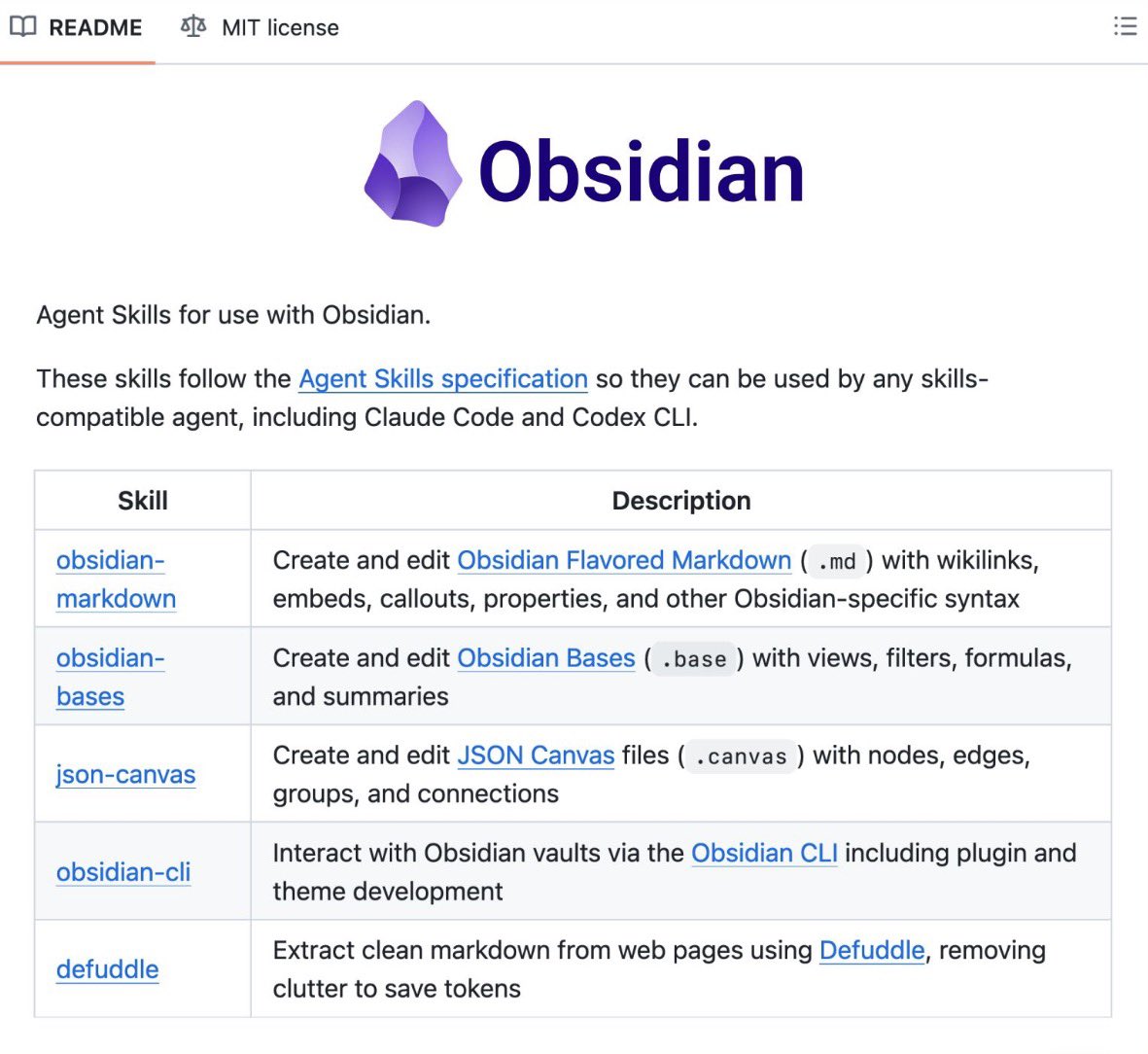
Obsidian CEO personally wrote the official Agent Skills for his own app 🤯
These are 5 skills that fix every layer agents get wrong:
→ obsidian-markdown (wikilinks, callouts, embeds, frontmatter)
→ obsidian-bases (database views with filters, formulas, aggregations)
→ json-canvas (visual canvases linked to your notes)
→ obsidian-cli (search, create, manage tasks from the terminal)
→ defuddle (clean markdown from any web page)
MIT licensed. Works with Claude Code, Codex CLI, OpenCode.
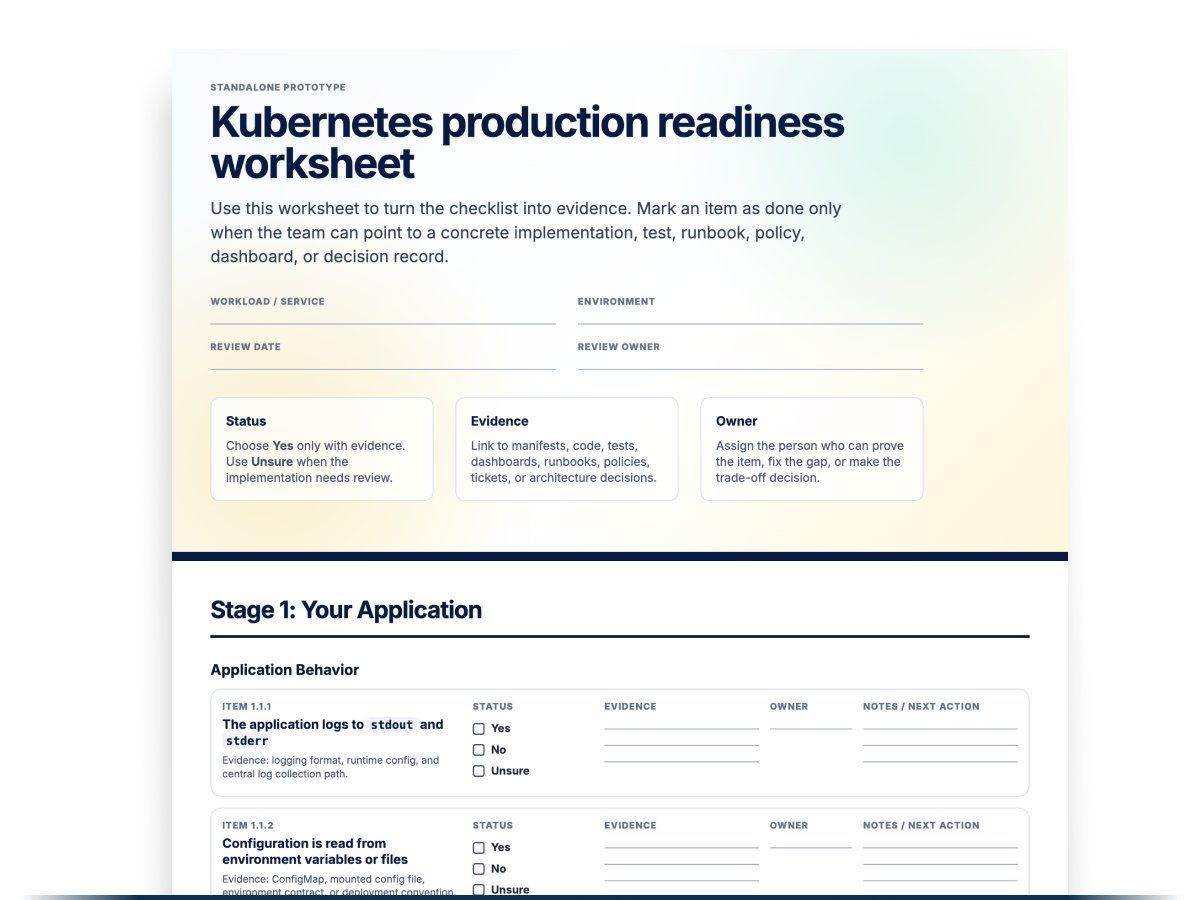
Most Kubernetes production failures are contract failures between the app and Kubernetes.
Gulcan and I made an interactive readiness checklist and PDF worksheet for the app behavior that Kubernetes will test before go-live.
https://t.co/uAuv5Vcu53
Hunk is very good. It has completely replaced any other local diff viewer for me. It looks good, its speedy, good keyboard shortcuts, good mouse support for fallback. Great software @bentlegen. https://t.co/6HH5DPO5mO
How Containers Work: Building a Docker-like Container From Scratch 🧐
The best way to understand what containers are (and what they aren't) is to build one using only the most basic Linux commands: unshare, mount, and pivot_root.
Dive in https://t.co/6Pj2cn3a4M
Kubernetes isn't a scam. People don't just realize what it is, and what it brought to the world. What Kubernetes did to the world is to teach and bring Control System theory to the masses. With control system, you could run software at scale like never before. If you design your software in closed feedback loops, you can have, just like a machine, an ongoing stable system running for 7/24, that can self recover and steer itself.
People trying to use other orchestration systems, had to work and implement all of it themselves. And most of them didn't had proper primitives, so it was very brittle. With Kubernetes, you have /status, the reconciler/controller-runtime framework, requeues and CRD's. If you use all of these together, you can build a feedback loop, and apply control systems knowledge. And with Google's push, it became the winner.
There is a really nice book about it: "Designing Distributed Control Systems: A Pattern Language Approach". It's actually about machines, not software (like how to build proper big machines that can run 7/24). But if you read it, you immediately see how the patterns in the book described, are actually primitives used by Kubernetes ecosystem.
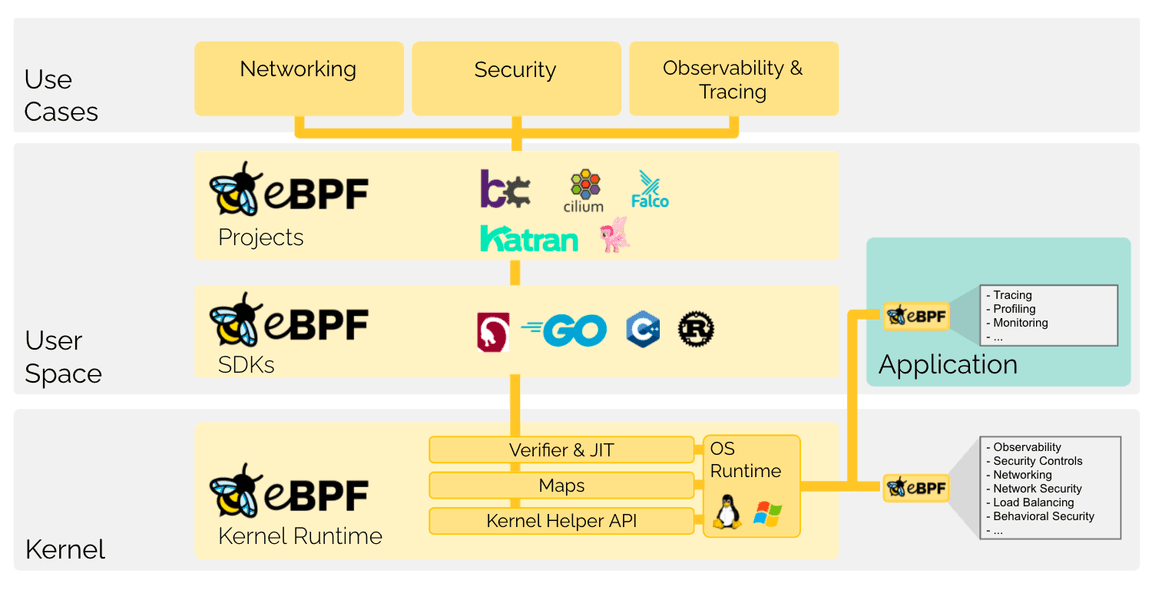
everyone thinks eBPF = fancy tcpdump. no. it's basically a safe little VM inside your kernel and people are abusing it in wild ways:
- sched_ext lets you write your linux CPU scheduler in userspace. yes. swap out CFS for your own logic. gaming, latency-critical trading, AI workloads — all getting custom schedulers now.
- SO_REUSEPORT + eBPF = you pick which socket gets the packet. consistent hashing load balancing with zero proxy, zero hop. Cloudflare does this, Katran (FB's L4 LB) does 10M+ pps with XDP.
- uprobes on SSL_read/SSL_write means you can see decrypted TLS traffic without MITM or cert tricks. just hook libssl in-process. sounds illegal, isn't.
- BPF LSM hooks — literally write kernel security policy as a program. Tetragon, Falco, bpflock all doing runtime enforcement that SELinux could only dream of.
- computational storage offload — people are running eBPF on the SSD itself. compute near the bytes, skip the PCIe round trip. wild stuff.
- and yes there's eBPF rootkits (ebpfkit, TripleCross) hiding processes and hijacking syscalls from the kernel. defensive tech is also offensive tech, always.
oh and windows has eBPF now too btw. the "linux thing" era is over, this is becoming the universal safe-code-in-kernel standard.
tldr: if you're still using eBPF just for bpftrace one-liners you're leaving like 90% of the power on the table
by the way you can check this nice repo with a lot of interesting eBPF-based tools:
https://t.co/JbTWki1nSy
#ebpf #networking #cilium #cloud #devops #sre #kubernetes #k8s
If you want to become good at AI engineering, learn these 12 concepts:
1 How RAG Works
↳ https://t.co/cGmunPTUlb
2 LLM Concepts - A Deep Dive
↳ https://t.co/5lCKxq2g4N
3 How to Design an AI Agent
↳ https://t.co/JvnPd9773A
4 What is Reinforcement Learning
↳ https://t.co/AVpl9j1oit
5 AI concepts 101
↳ https://t.co/y1pZpCehda
6 Context Engineering vs Prompt Engineering
↳ https://t.co/9h8q9F2i57
7 Context Engineering 101
↳ https://t.co/OMkiZhkODL
8 AI Coding Workflow 101
↳ https://t.co/paIf9ksIU9
9 How ChatGPT Apps Work
↳ https://t.co/BJTYYnAwO1
10 How AI Agents Work
↳ https://t.co/tk3zkCjRvg
11 How MCP Works
↳ https://t.co/wgf8gHnnkn
12 Generative AI 101
↳ https://t.co/Njr7qcq0Q6
What else should make this list?
===
👋 PS - Want my System Design Playbook for FREE?
Join my newsletter with 200K+ software engineers now:
→ https://t.co/ByOFTtOihX
===
💾 Save & RT to help others learn AI engineering.
👤 Follow @systemdesignone + turn on notifications.
"Integrating Amazon Bedrock AgentCore with Slack".
You will learn how to deploy the infrastructure with AWS Lambda functions, configure event subscriptions properly to handle Slack’s security requirements, and implement conversation management patterns.
https://t.co/JjTHLCZuud
Anthropic pays engineers $750,000+ a year to understand how LLMs work.
Stanford just put a 2 hour lecture that covers 80% of it for FREE.
Bookmark this. Give it 2 hours today.
It might be the highest ROI thing you do this month:
En lugar de ver Netflix este viernes, dedica 1 hora a esto.
Un curso completo donde te enseñan a crear tu segundo cerebro con Obsidian + Claude Code.
Un sistema que captura ideas, las organiza y piensa contigo.
🔖 Guárdalo, merece la pena.
Netflix is running on Java !!!
In this talk, you’ll learn
1. Usage of Java at Netflix in 2025 — benefits and challenges of running most services on the latest Java releases.
2. Building services with Spring Boot, DGS/GraphQL, and gRPC, including strategies for dependency management and keeping over 3000 Java services updated across frameworks, libraries, and the JDK.
3. Experiences with new garbage collectors like generational ZGC, adoption of Virtual Threads, perspectives on native images, and the evolving approach to building Java services.
https://t.co/3fQbMbWxec
By the way, eBPF can be used in a lot of interesting and unusual ways, including stuff most devs don't even think about
Everyone knows it for networking and observability. But that's like using a supercar just to go to the grocery store
You can hook into any kernel event - syscalls, tracepoints, kprobes - without touching kernel code. Zero recompilation. Just vibe and attach
Security folks use it to build runtime threat detection that catches exploits as they happen. Not after. During
You can rewrite packets mid-flight. Like, actually change the destination IP before the kernel even blinks. That's how Cilium replaces iptables entirely - and it's blazing fast
Profiling CPU flamegraphs in prod with near-zero overhead? Yeah that's eBPF. bpftrace one-liners are genuinely magic for this
There's even people using it for canary deploys - shifting traffic at kernel level, no sidecar proxy needed. Insane
Game companies use it to detect cheat engine hooks. It's basically watching the watchers
By the way, Katran - Meta's L4 load balancer built on eBPF + XDP - is genuinely wild in terms of performance (and XDP does 26M pps per core on commodity hardware, do the math)
So, if you're doing anything serious with Linux and not looking at eBPF, you're leaving massive power on the table, really
#ebpf #networking #cilium #cloud #devops #sre #kubernetes #k8s
CTO: We lost our strongest backend engineer today.
Founder: The one handling infra and outages?
CTO: Yes.
Founder: Did a bigger company hire him?
CTO: No.
Founder: Then why quit?
CTO: He said he was exhausted.
Founder: From the workload?
CTO: Not exactly. From watching the same database bottleneck, same queue lag, same deployment mistakes come back every month.
Founder: That happens in fast moving teams.
CTO: He agreed. What he could not accept was that every fix was temporary because nobody wanted to slow down and clean the system properly.
Founder: We had deadlines.
CTO: He had standards.
Founder: So he left because the work was hard?
CTO: No. He left because he was not doing engineering anymore. He was just containing damage.
The best engineers do not hate hard problems.
They hate preventable problems that management keeps normalizing.