Moscow this morning.
I was thinking about something: as a result of the severe socio-economic consequences of this catastrophically failed war against Ukraine, Russia is facing a long and painful economic decline, social upheaval, massive disorganization, a huge rise in organized crime, and the shock of defeat -- the new 1990s after the collapse of the USSR.
And the most "amusing" part is that when the reckoning for this barbaric invasion of Ukraine finally comes, and the consequences of their deranged fascist regime in the Kremlin become apparent, Russians will once again be sighing and saying how good life was "under Putin" and how everything needs to be put back the way it was.
Ukrainian forces have started to achieve great success in counter attacks actions near the strategic town of Lyman according to Russian military sources the surrounding towns of Yampil and Dibrova are nearly surrounded, threatening to cut of supplies to Lyman as whole.
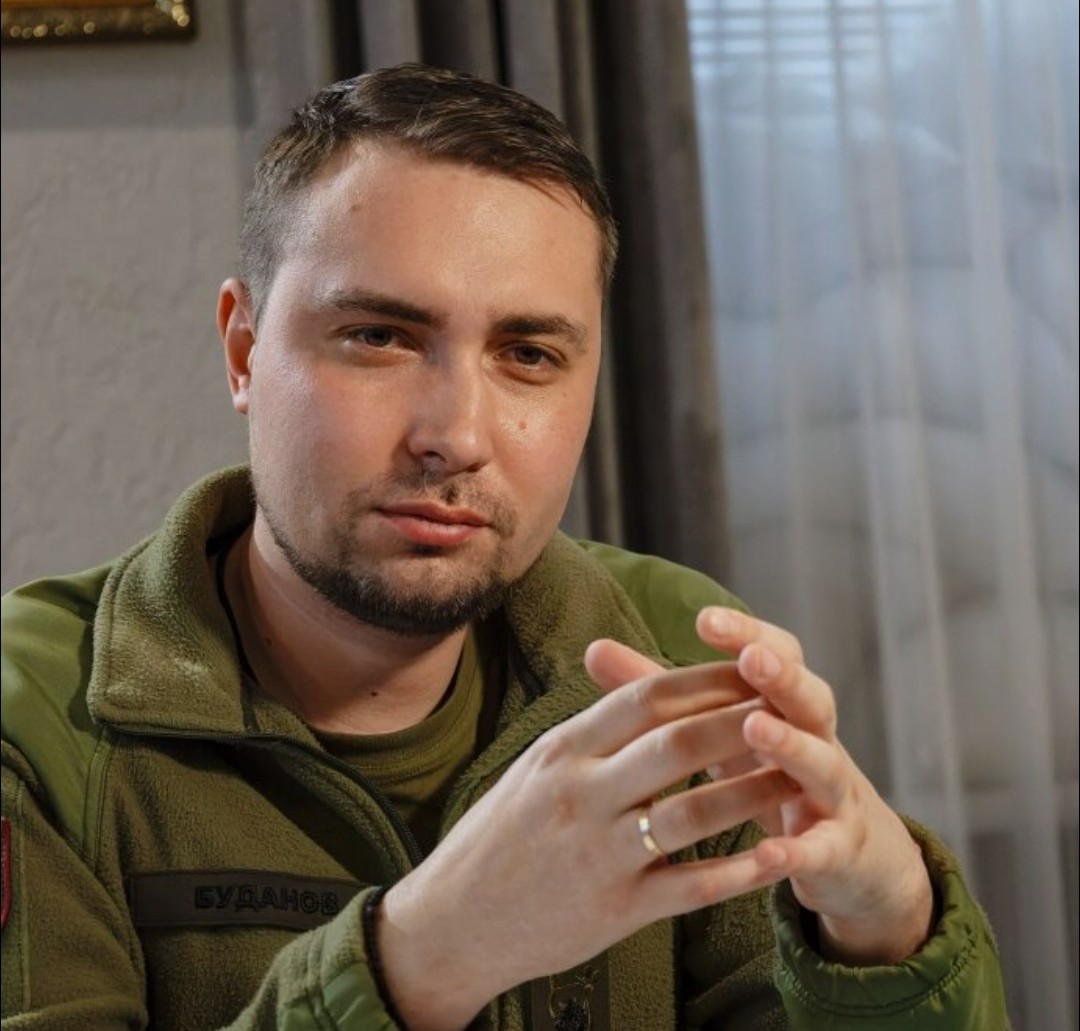
"The Russians would be very happy to freeze everything how it is now. To have us recognize the territory they've taken as Russian. And they would celebrate their victory.
It will never happen."
- Kyrylo Budanov 🇺🇦
Dear Mr. Armin Papperger, CEO of Rheinmetall,
When you referred to Ukrainian drone manufacturers as “Ukrainian housewives with 3D printers” you revealed just how deeply the European defense establishment still fails to understand the nature of modern warfare.
This is not about emotion. It is about battlefield reality. Here are the facts your industry refuses to acknowledge:
In 2025 alone, Ukrainian drones carried out 819,737 confirmed strikes. They caused 90 percent of all Russian combat losses, more than all other weapons systems combined.
TAF alone produces up to 100к FPV drones monthly. In any given 90-day period, my company’s products alone achieve more confirmed strikes than your entire fleet of equipment has across its full combat history in every conflict. And most importantly, I built this company and achieved these results in two years, not fifty. Think about that.
Our drones generate more kinetic effect in three months than your flagship platforms have in half a century.
Why? Because the battlefield has changed, and your business model has not.
•Russian electronic warfare has made GPS-guided Western munitions such as Excalibur and GMLRS nearly ineffective.
•Expensive and complex systems designed for wars with air superiority and traditional peer-to-peer combat have become easy prey for drones costing $500, attacking them from above.
•The cost-to-effect ratio has been turned upside down: one 120 mm Rheinmetall shell or one anti-tank missile costs more than a dozen of our drones, and yet our drones still win.
This is not a “Lego game.” It is industrial Darwinism in real time. We iterate every week. We print parts in basements and ship 100к strike systems per month, while your engineers still require three to five years and hundreds of millions of euros in certification costs for even a minor upgrade.
The war in Ukraine is not a temporary anomaly. It is the first true drone-industrial war. And it has already proven that outdated European platforms, no matter how expensive or “serious” they may seem, are becoming less and less relevant unless they integrate the very technologies you mock.
So when you say, “this is not innovation,” I hear something else: “We do not want to admit that the future is being written in Ukrainian workshops, not in Düsseldorf boardrooms.”
#MadeByHousewives is trending for a reason. Because these “housewives” destroy more enemy equipment every month than entire European armies do in full campaigns. And they do it while your industry continues to sell 20th-century solutions at 21st prices.
The invitation remains open, Mr. Papperger. Stop laughing at the kitchen table. Come and learn how tomorrow’s war is actually being fought. Because the next time someone asks, “Who needs tanks in the age of drones?”, the answer may be simpler than you think: Whoever still believes in 1979 will lose to whoever is building in 2026.
With respect, but with facts,
Oleksandr Yakovenko “Ukrainian housewives”
Founder TAF
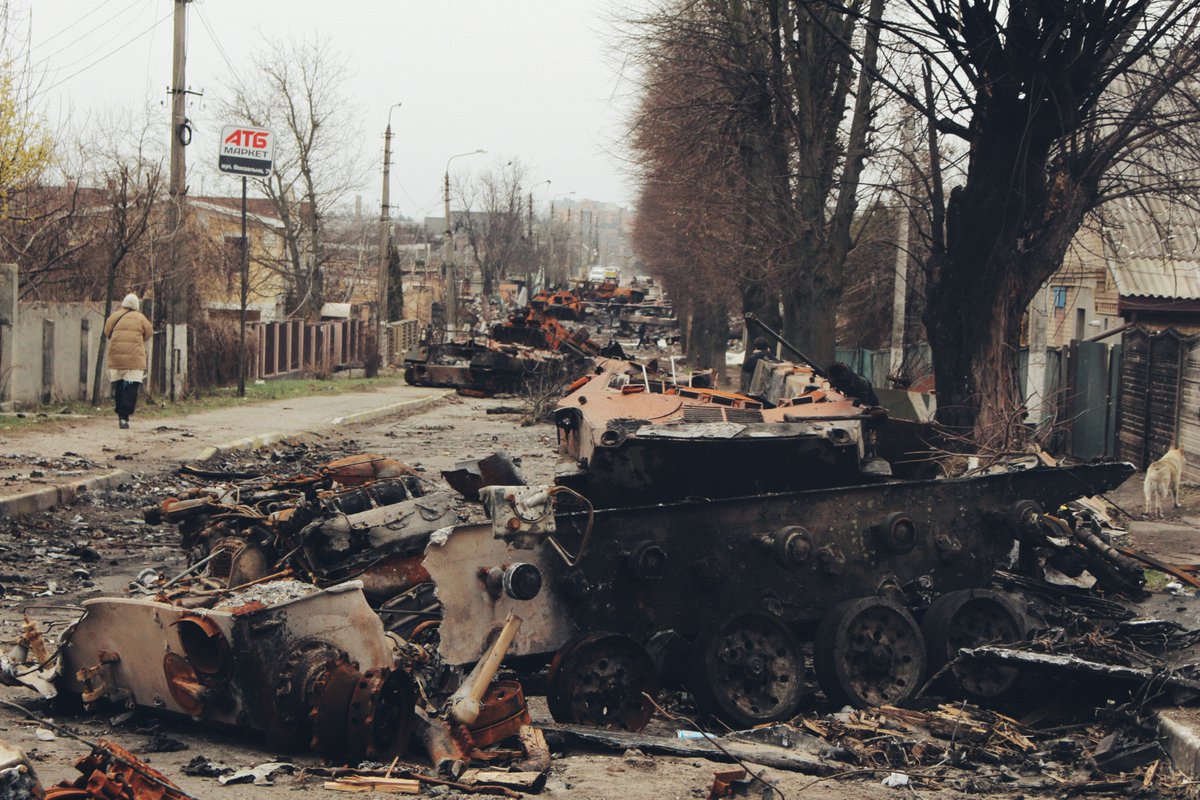
Welcome to hell.
And this is after they had already cleared the remains of severed limbs from these smouldering ruins in Bucha -- what was left of a Russian column that tried to push through toward Irpin and got destroyed.
Though they had forgotten to remove one torn-off leg of a Russian soldier, still in its boot, which gave some journalists a bit of a scare.
I just remembered that four years ago, from my apartment, simply from an open window on the ninth floor, I recorded the roar of the fighting for Kyiv on SoundCloud, as the battle unfolded across the western outskirts of the city.
Those were already the final days, and Ukrainian artillery was almost without pause hammering the badly bloodied Russian forces with everything it had.
Back then, in the last days of March 2022, as Ukraine's victory in the battle for the capital was becoming increasingly obvious, spring had finally come into its own.
It was warm, sunny, and the city had almost completely thawed and come back to life. And so there you are -- in the fresh spring air, rolling thunder of artillery in the distance, while down below your window, children play and shout on the playground.
Yeah, it was a remarkable time.
Happy Victory Day in the Battle of Kyiv!
On this very day, four years ago, Russian military officials and government representatives quietly, amid the deafening informational noise of the war, announced a “radical reduction of military activity on the Kyiv and Chernihiv axes.”
In reality, what happened was exactly what had to happen: after five weeks of intense fighting on the northwestern and northeastern outskirts of Kyiv, against the backdrop of new Ukrainian strikes near Makariv, along the Zhytomyr highway, in Irpin (which had been fully liberated the day before), and earlier, the Russian defeat in Moshchun -- exhausted, depleted, and heavily battered, Russian forces began withdrawing back into Belarus to avoid further deterioration of an already dangerous situation for them.
By March 31–April 1, the entire Kyiv region had been liberated, and the Ukrainian flag was once again raised over the Chornobyl zone.
In the following days, Russian forces also cleared out of Sumy and Chernihiv regions, leaving behind vast scorched wastelands of burned equipment and bodies along Ukrainian roads and in the forests.
And numerous executed civilians in mass graves and basements.
This is how the first phase of the Russian invasion ended, in the complete failure of the blitzkrieg plan to seize Kyiv quickly and shockingly.
Ahead lay a new nightmare: regrouping and a shift of the war’s focus to Donbas, the second phase of the war.
And I remember that moment well: the news that would later be confirmed as the beginning of Russia’s withdrawal from the Kyiv area, I casually read it on my smartphone in a bar in central Kyiv.
Right next to one of the military checkpoints on the street, the bar was operating at full capacity despite the total alcohol ban in the besieged city (and not shy about jacking prices up to the sky).
And yes -- boy oh boy did I see quite a few top global media stars drinking there after a full day in wartime Kyiv, formally breaking the law right along with us.
#Selenskyj hat es gerade wieder gesagt, und diesmal gibt es keinen Interpretationsspielraum. Glasklare Message an Moskau & D.C.:
„Alle vorübergehend besetzten Gebiete der Ukraine werden zurückerobert. Dies schließt die Krim ein; es ist unser Land, und wir werden es zurückholen.“
Tony Hoare, the Turing Aware winner who (among many other things) invented quicksort and communicating sequential processes (CSP), which inspired the Go programming language, has passed away. RIP to one of the greats of our industry https://t.co/GRRI9kB5k0
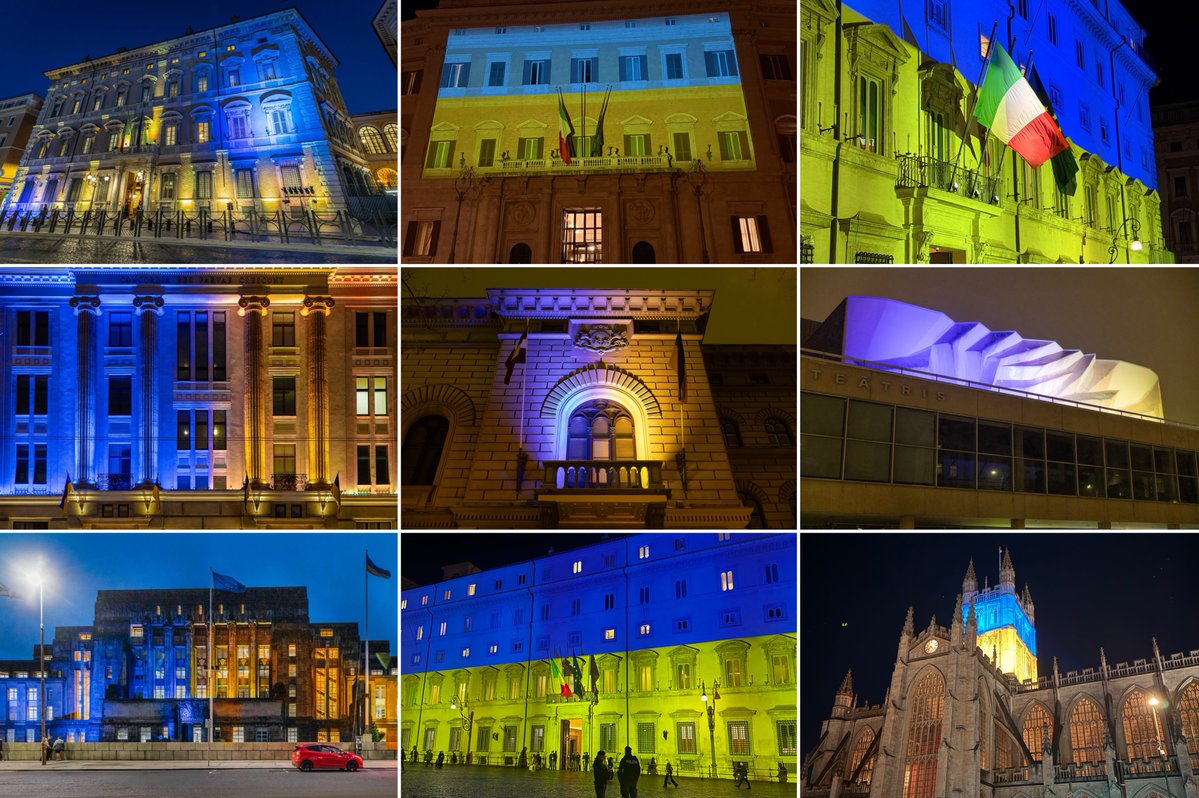
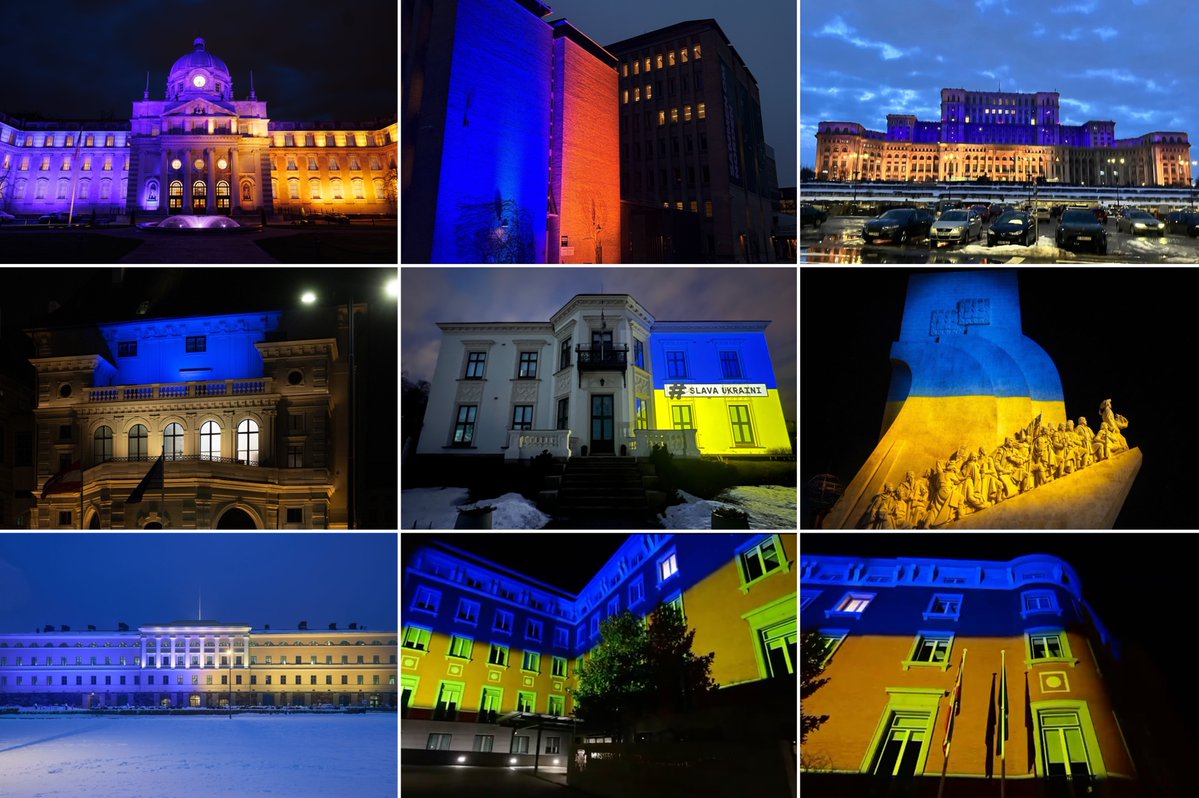
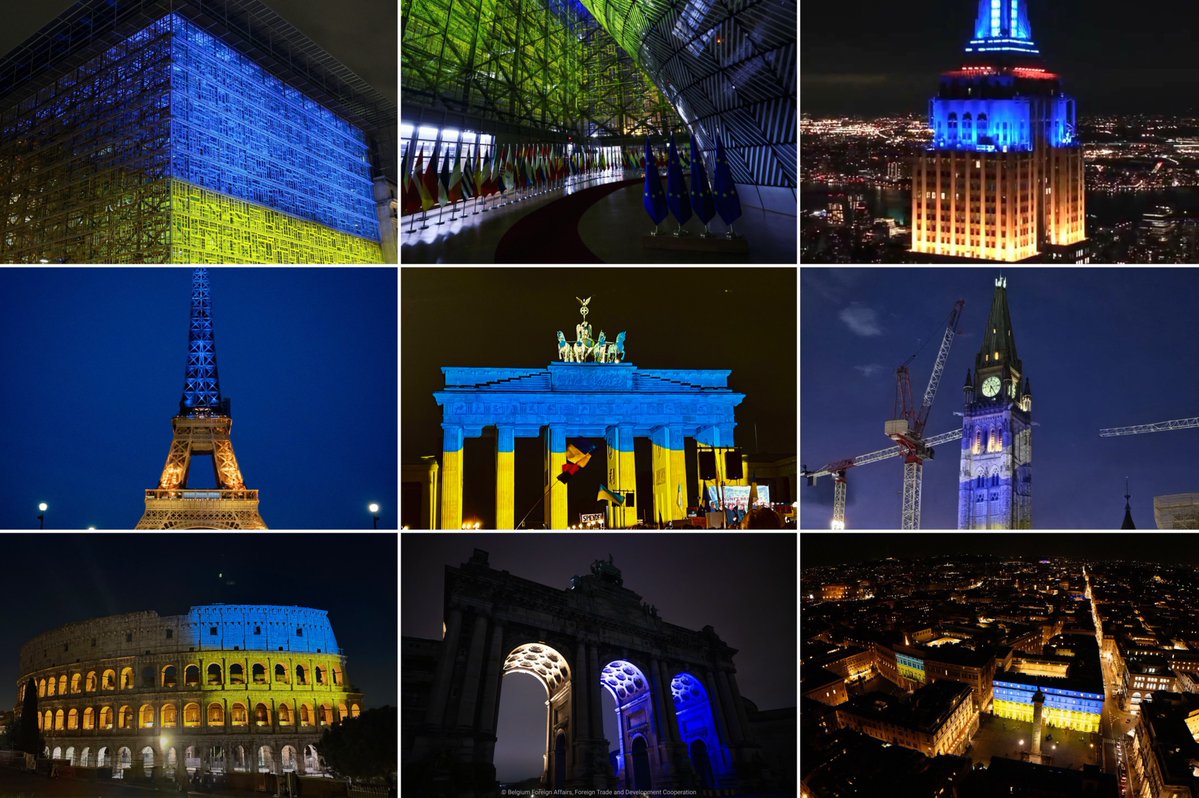
Austria, Belgium, Canada, Denmark, Finland, France, Germany, Greece, Ireland, Italy, Latvia, Lithuania, Montenegro, Norway, Poland, Portugal, Romania, Spain, United Kingdom, United States — thank you for your support. Light will prevail.