Human rights defender | Amplifying silenced voices | Fighting injustice with truth and action | Advocate for equality, dignity & freedom /Views my own.
He tried to say it’s not about politics but you mentioned him being loyal to our president Nelson Chamisa. I hope the rest of you have learnt to humble in life . No one is bigger than God . anyways RIP 🕊️
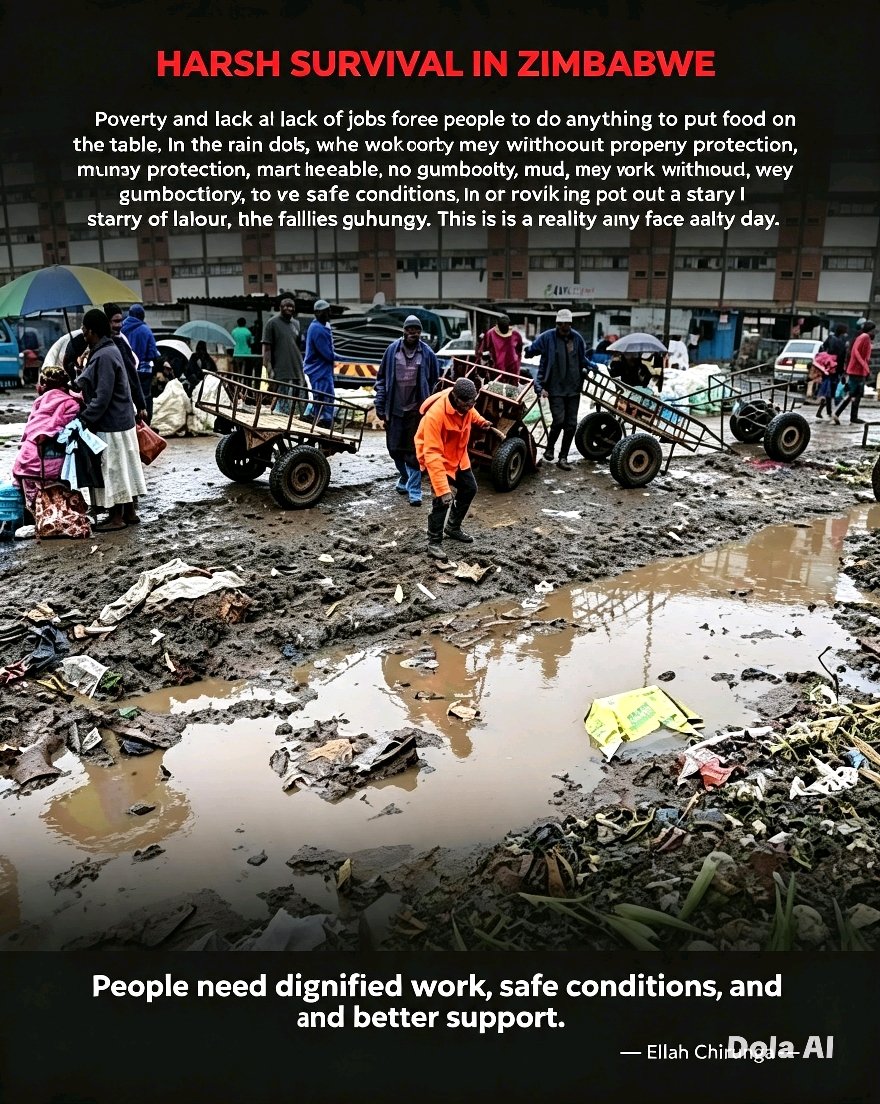
Poverty ,economic hardships ,harsh survival has forced individuals to do even risking themselves not worrying about their health only to put food on the table on day to day bases as they're no decent jobs & the government doesn't care at all only when it comes to voting .
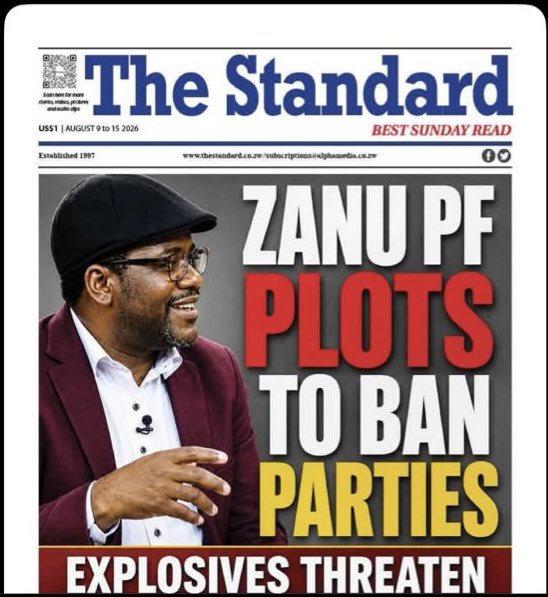
CAA3 is a warning.When leaders start talking about removing other political parties, it shows exactly why Zimbabweans must pay attention. If they are not scared, why are they trying to silence everyone else?This goes beyond opposition politics it affects our future
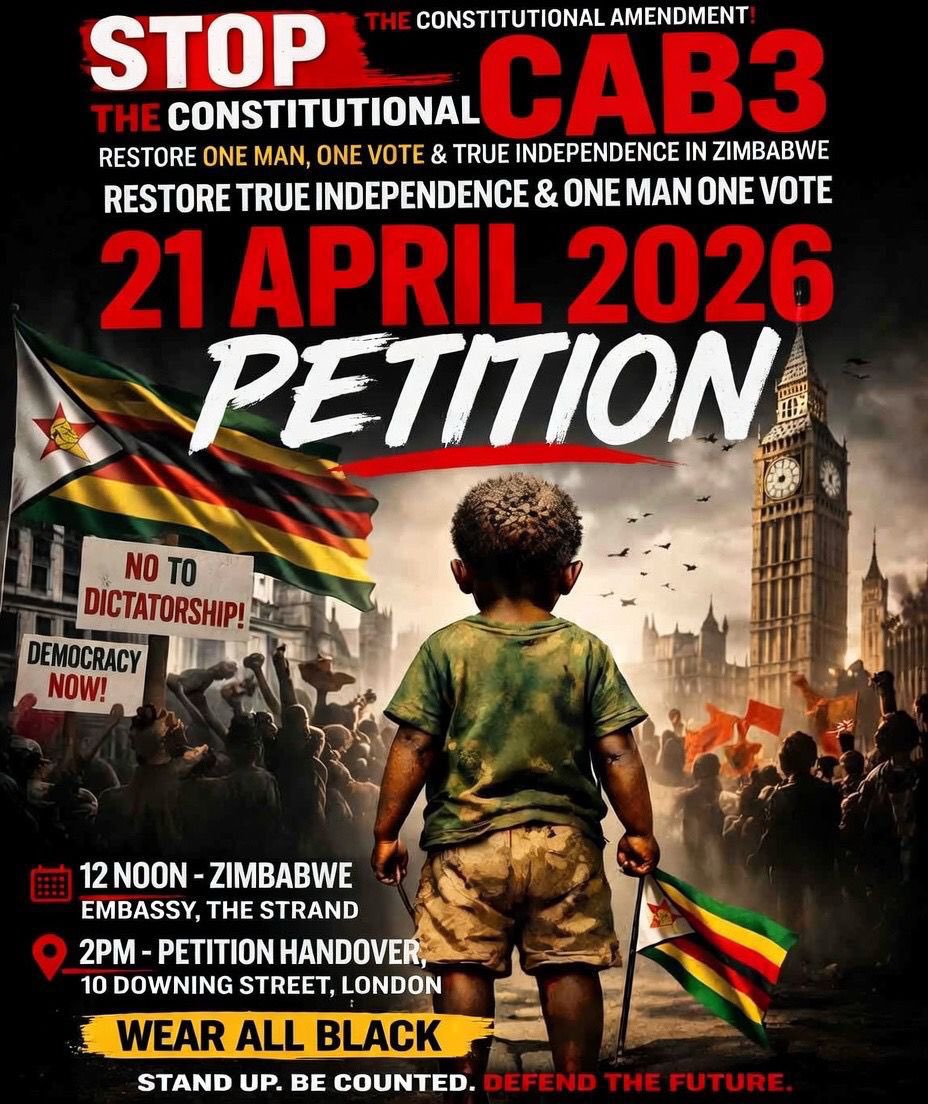
Zimbabweans in the UK,
All roads lead to Zimbabwe House, London. Together, we shall liberate our nation once again.
Don’t miss the #OneManOneVote Demo:
• Saturday 18 April 2026 @ 12pm
• Zimbabwe House, London
• Wear black 🖤
We all have a role to play, including those in the diaspora who still dream of a Zimbabwe they can proudly return home to.
Share this with someone in the UK. #NoToCAB3
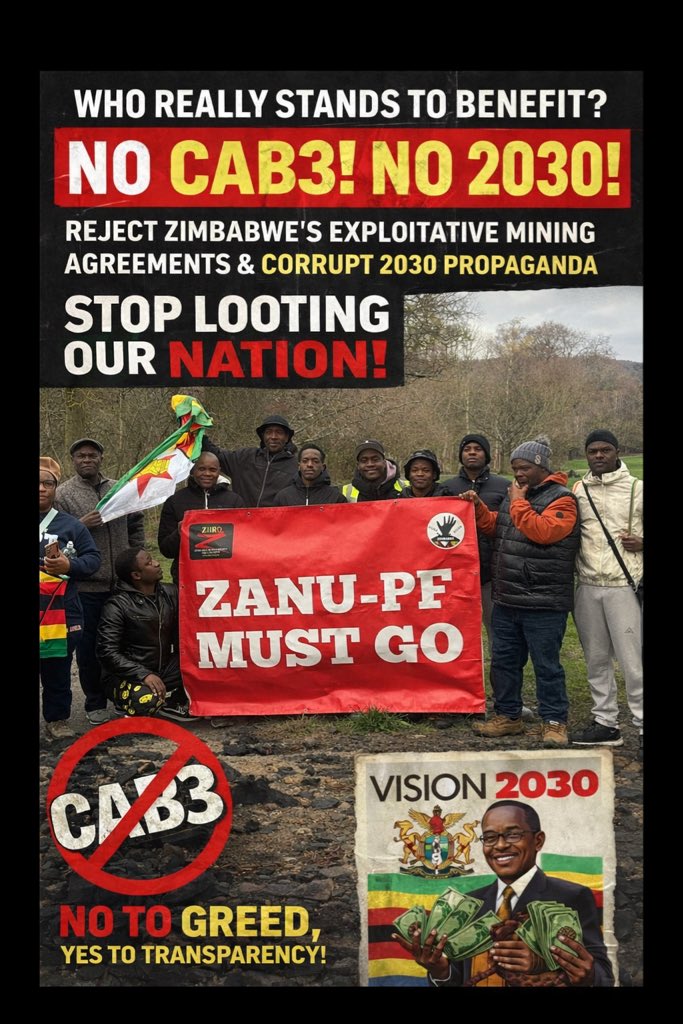
This is a typical money grabbing machine whose purpose is never to benefit the exchequer but a few big wigs in the ZANU PF government
No to 2030 let democracy rule and all the citizens must be allowed referendum on constitutional changes.
Zimbabwe belongs to its people — not to corrupt elites and exploitative deals.
We say NO to CAB3.
We say NO to empty “Vision 2030” promises that only benefit a few while ordinary citizens suffer.
On 28 March 2026, Zimbabwean diaspora citizens asserted their right to a peaceful march for freedom, rejecting the 2030 agenda and Bill No. 3. They emphasized that national decisions must reflect the people’s will and called on leadership to respect their collective voice.
We have had to respond to the scurrilous accusations & Zanu PF disinformation about our "Walk for Freedom" campaigns, members attending and accusations of "Paid Activists" - who fabricates this stuff within Zanu?? https://t.co/DuwSxGZZNH
At Blackburn March for freedom the message was clear that the mayhem and foolishness of CAB3 and 2030 is not welcome by the masses of Zimbabwe accross boarders .Ko murikurambirei kurambwa Zimbabwe haichakudei .#notoforcedlove.
As citizens we have the right to fight for our constitution, for our rights. @edmnangagwa its time you stop this torture to activist and your time is up , you failed already there is no need to extend your term for only you and your people to benefit. #NoTo2030#HumanRights
The Zanu pf the brutal government there are good in making people safer this is very cruel just because you rise your voice against them you get killed for that we say no to 2030 cruel government
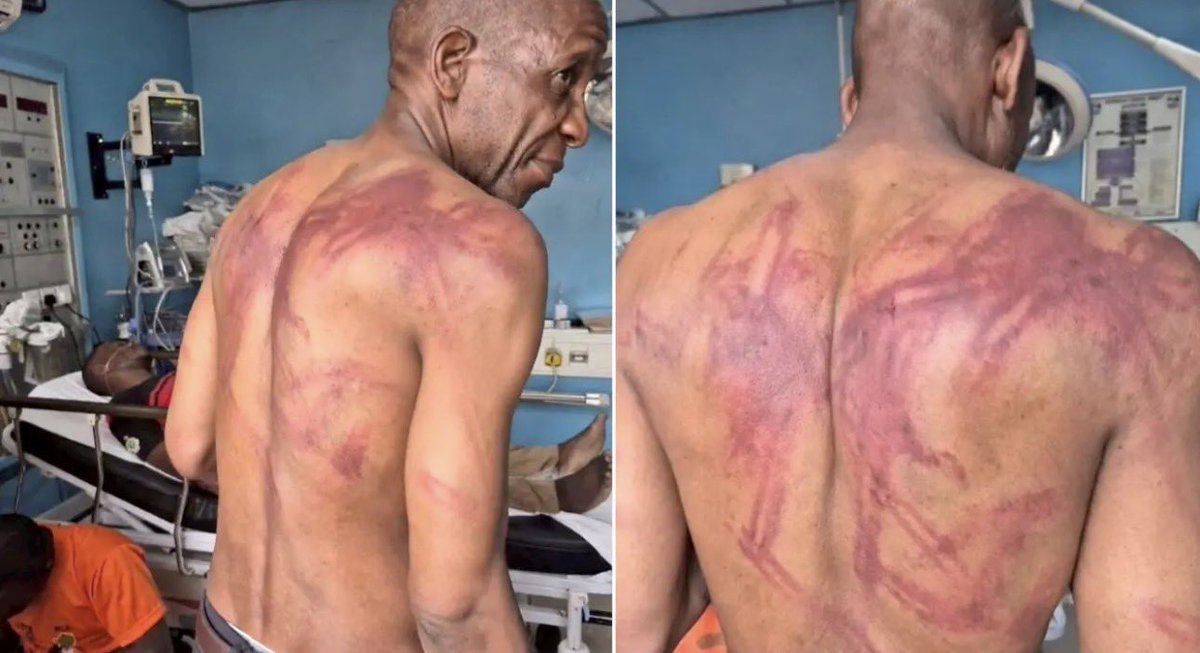
In Zimbabwe, journalists and political activists have often faced arrest, harassment, violence, and sometimes death for criticising the government or exposing corruption. Although the constitution guarantees freedom of expression, many critics say these rights are not fully protected in practice.
Journalists Targeted
Hopewell Chin'ono has been arrested multiple times after exposing alleged corruption.
Faith Zaba, editor of the Zimbabwe Independent, has faced arrest over articles critical of the president.
In 2025, investigative journalist Watson Flexy Munyaka was found dead after reportedly being thrown from a vehicle, raising concerns about the dangers journalists face.
According to Reporters Without Borders, Zimbabwe continues to struggle with press freedom and intimidation of media workers.
These cases create fear among journalists and encourage self-censorship.
Activists Arrested or Killed
During the 2008 political violence, opposition activist Tonderai Ndira was abducted and murdered.
Human rights activists have been arrested before protests or charged with crimes like “inciting violence” or “undermining authority.”
Organizations such as Amnesty International have reported repeated crackdowns on peaceful activism.
Activists in the Diaspora
Many Zimbabwean activists living in countries such as the UK, South Africa, and the United States say they are afraid to return home. Some report:
Fear of arrest upon arrival at the airport
Surveillance or threats against family members
Past charges that could be revived if they return
This has created a climate where political critics choose exile for safety.
Conclusion
The targeting of journalists and activists in Zimbabwe — through arrests, intimidation, and violence — has contributed to fear both inside the country and among the diaspora. Protecting freedom of expression and ensuring accountability are essential for democracy and human rights.