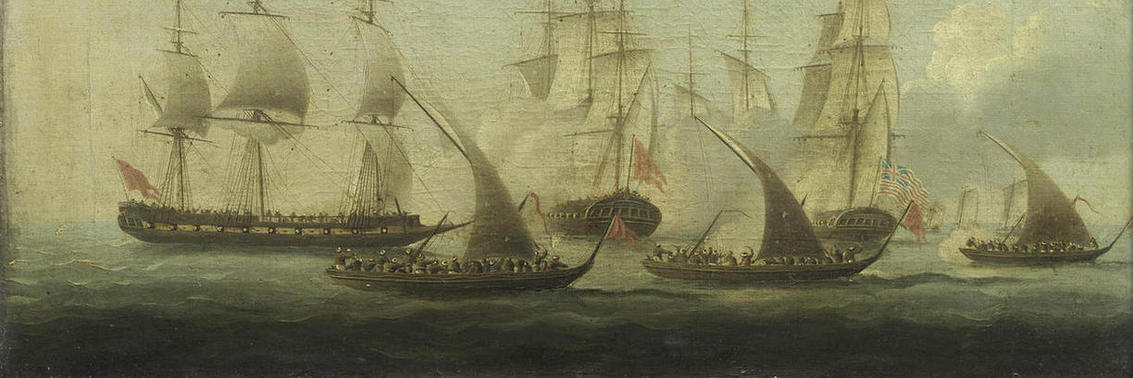
Factually speaking Rajputs have no Naval history in both East & west coast. Entire west coast Naval glory comes from the Maratha clans of Konkan mentioned in above tweet. Even my own clansman Raja Shankarrao Chalukya had fleet Warships just like his ancestor Pulakeshi II Chalukya
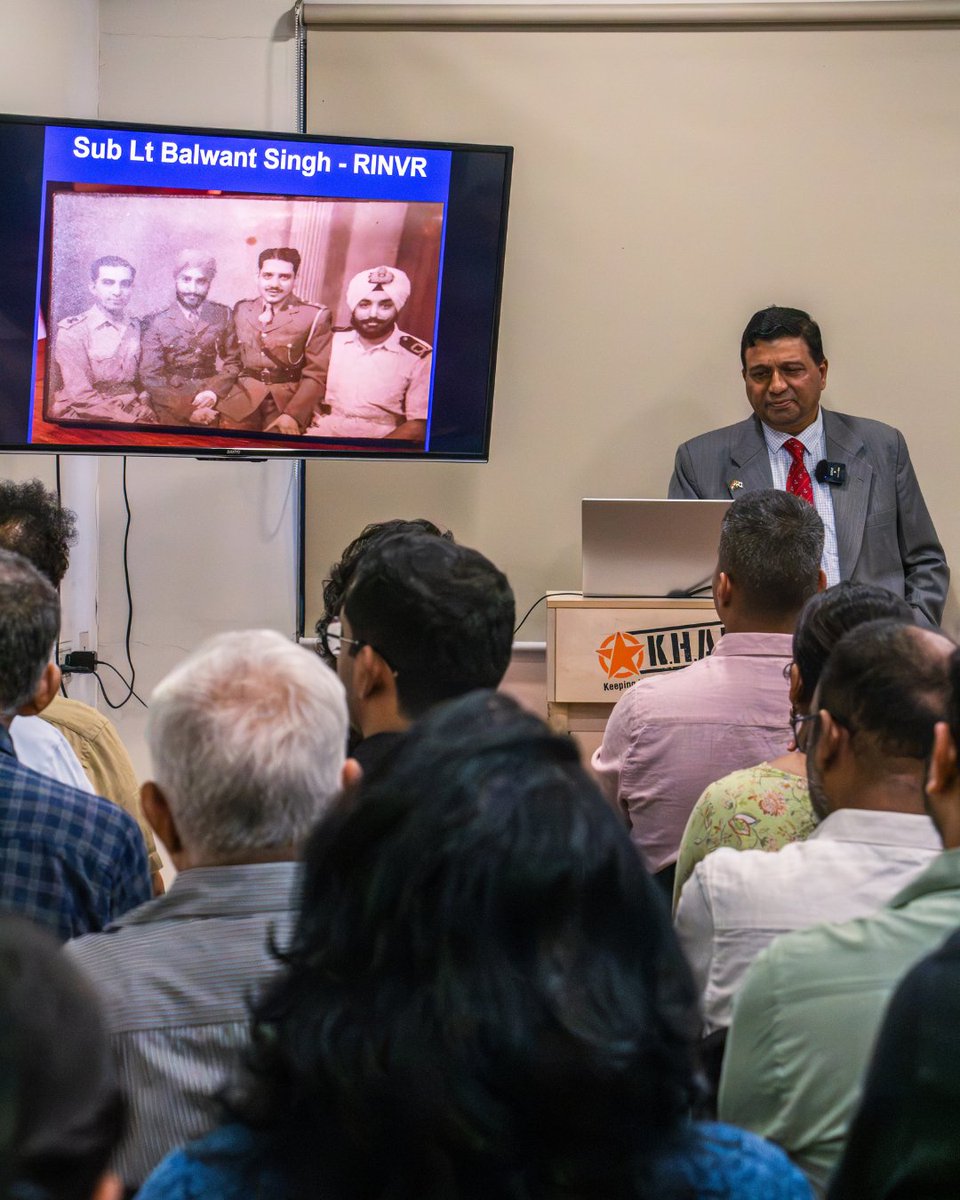
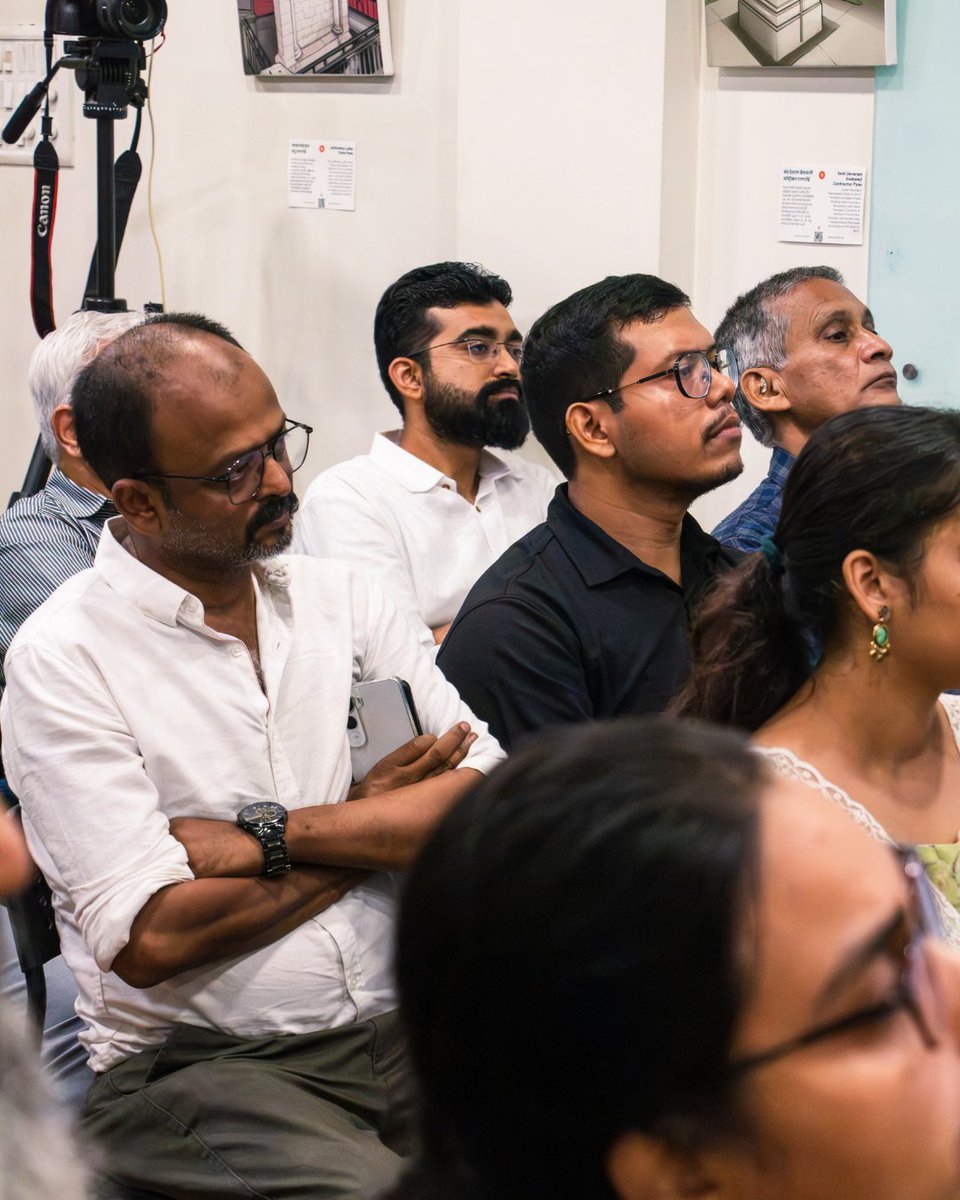
At the KHAKI Talk #LastWarOfIndependence yesterday at Khaki Lab, Fort, naval historian Cmde (Dr) @srikantkesnur (Retd) spoke on the Naval Uprising of 1946 that took place in Mumbai, just a stone throw’s away from the venue. The talk was a prelude to the celebrations of our 80th Independence Day celebrations next weekend.
Cmde Kesnur shared stories, anecdotes, quotes, photographs and character sketches of the heroes of this uprising and made the talk not only informative but also immensely engaging to the assembled audience.
Want more insights into Mumbai’s history? Join us for our next talk by author Akshay Chavan on Sun, 6 Sep. Watch this space for further announcements.
#NavalUprising1946 #RoyalIndianNavy #NavalHistory #MilitaryHistory #HistoryTalk #KhakiLab #MilitaryHeritage
On this auspicious day of Ashada Ekadashi, I am very happy to announce the launch of my humble attempt to make history interesting.
https://t.co/SGfD2ebBpO
The idea is actually very very simple
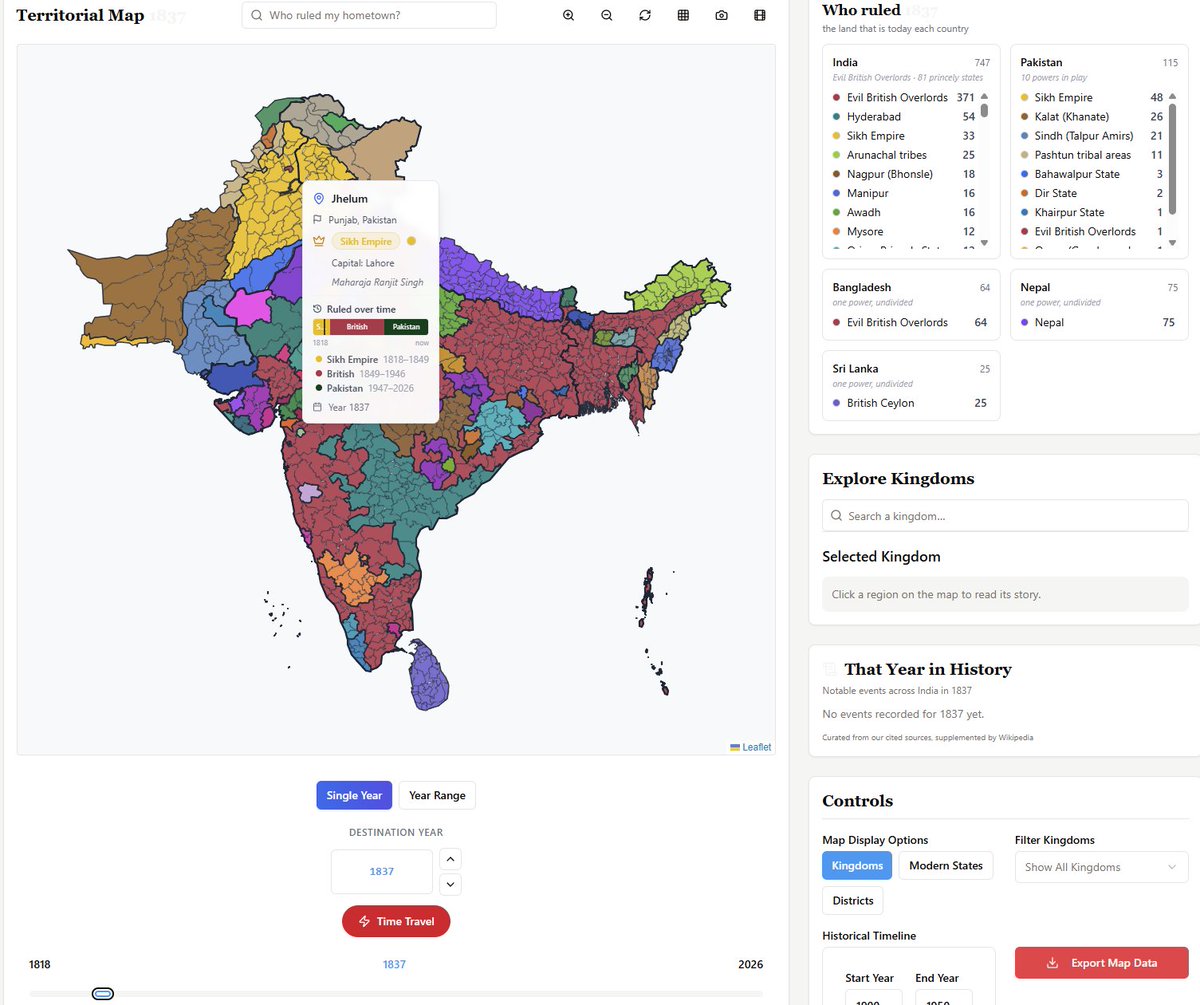
You go to the site, select a year, and It will show you who ruled which part of India at that point in time.
For the last 15 years, I've always had one dream and desire which was to make Indian history interesting for everyone.
In that time period, I have tried writing blogs, long-form posts, stories and threads, to do exactly that.
Some worked, most didn't. But with every post, I always had this nagging question.
Why is Indian history always taught with a tunnel vision. Why is it so fragmented?
Why do we always learn things from the perspective of one empire, kingdom, king or invader.
Why do we never see an all India view of history?
I mean most of us struggle if we are ever are asked this question
1. What was the true extent of the Mughal Empire at its peak?
2. Who were the Cholas' contemporaries in North India?
3. While Muhammad Ghori was fighting the Second Battle of Tarain, who ruled Thanjavur?
4. While Harsha ruled Kannauj, who ruled Assam?
I have always wished there was a simple way to see the political map of India for any year in Indian history.
I have always wished there be a place where
1. One Could Select any year and instantly see who ruled every part of the Indian subcontinent.
2. One could Discover the important events that happened in that year
3. One could select a time period, say 1700 - 1947, and see how the Indian subcontinent evolved in that period.
4. How did one tiny red dot in West Bengal, from a tiny red dot in Europe, somehow came to rule an entire subcontinent of 400 million people,
For years, that idea remained just an idea and a dream because
1. I didn't know how to build a website.
2. I couldn't afford to hire someone who could.
Then Claude Came along.
Thanks to generous support and heavy lifting by Claude, over the last few months, that 15-year-old idea is slowly transforming into a reality.
And today, it has reached a position, where I'm excited to share with all of you, the first sneak peek of https://t.co/6ph2s9Zzl9
It is my attempt to create an interactive historical atlas of India that lets you travel through time and explore the political history of the subcontinent, one year at a time.
This is my attempt to make history interactive and fun.
I'd love to hear what you think.
ज्येष्ठ इतिहास संशोधक आणि शिवचरित्रकार आदरणीय गजाभाऊ मेहेंदळे यांचे बुधवार दिनांक १७ सप्टेंबर २०२५ रोजी सायंकाळी दुःखद निधन झाले.
त्यांच्या पार्थिवाचे अंत्यदर्शन भारत इतिहास संशोधक मंडळ सदाशिव पेठ, पुणे येथे गुरुवार दिनांक १८ सप्टेंबर २०२५ रोज�� सकाळी ११ ते १२ या वेळात घेता येईल.
अंत्यविधी वैकुंठ स्मशानभूमीत दुपारी एक वाजता होतील.
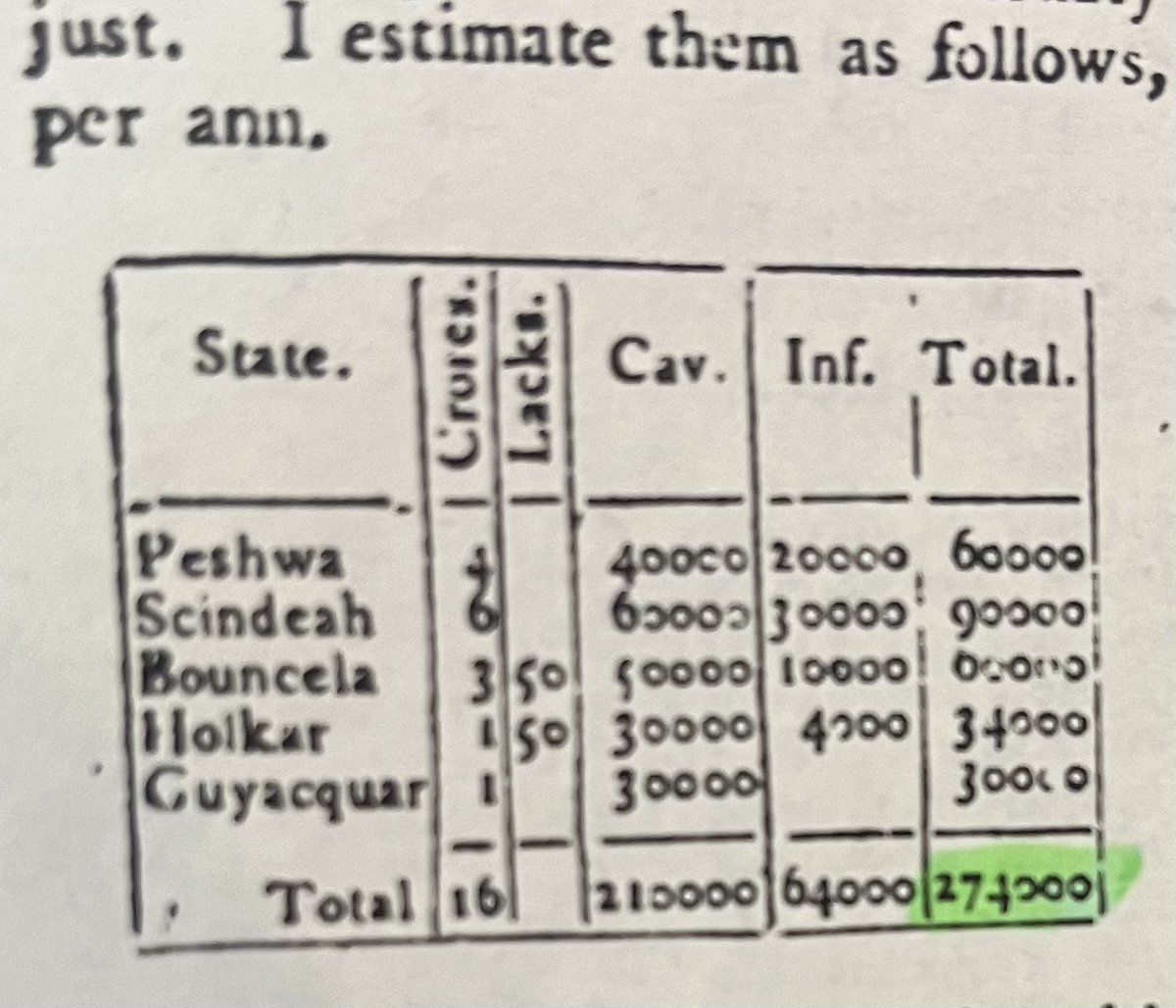
The strength of the Maratha state in the 1790s as observed by William Henry Tone who served in the Maratha army…
After the assassination of Narayanrao Peshwa (1773) it was Nana Phadnis who, as Regent of the 40-day-old Peshwa Sawai Madhavrao (1774-1795) strove to preserve the Empire and the primacy of the Peshwa as in the time of Madhavrao I (1761-1772)..however, by the 1790s, there were four arms of the Maratha state: Mahadji Scindia, Tukoji Holkar, Parashuram bhau Patwardhan & Hari pant Phadke (with the Peshwa/Nana)and the Bhonsles of Nagpur.
In 1794 Mahadji and Haripant died, in 1795 Sawai Madhavrao, in 1796 Tukoji Holkar , in 1799 Parshuram bhau Patwardhan and in 1800 Nana Phadnis.
The chaos set in from October 1795.
The fruit was then ripe for the picking.
The deplorable situation in Delhi in saka 1706 (1784CE)…A letter to Nana Phadnis says,
‘Hindustan is devoid of Kshatriyas!... The Sikhs are there but are divided. .. of the Wazir; his kingdom depends on the English, of the Patshah.. he is a servant at a salary of a lakh and thirty thousand rupees a month, once he gets this, he doesnt need even one bigha land. Thus is the state of Hindustan. The burden of managing entire Hindustan falls on Patil baba alone’.
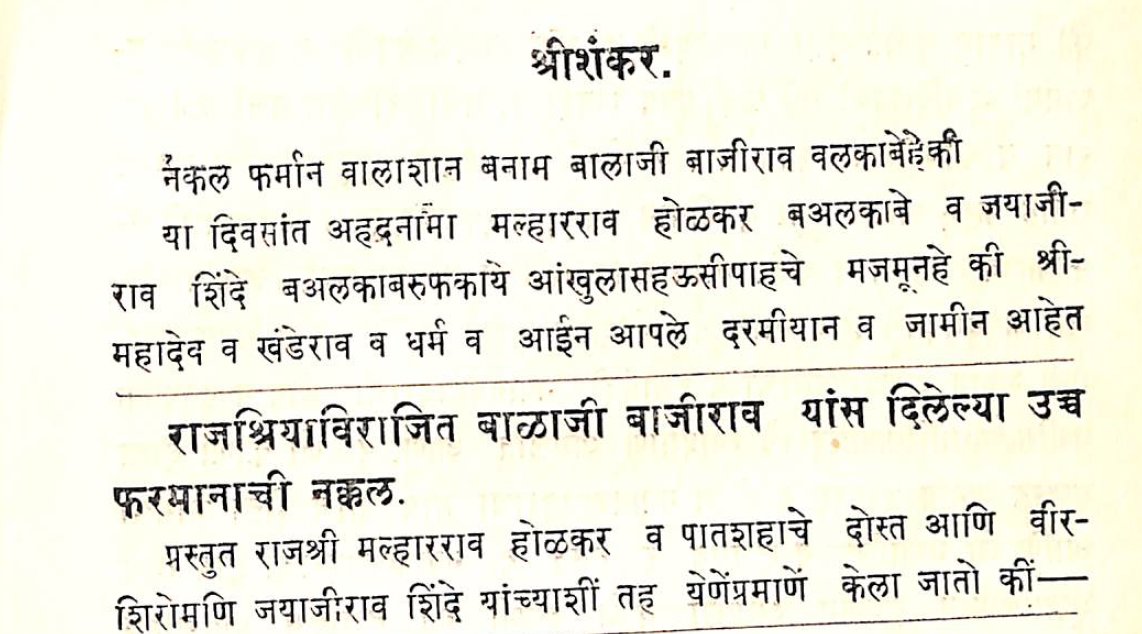
In the Ahadnama signed between the Marathas and the Mughal ruler Ahmed Shah in 1750-51, the Mughals handed over many subahs and districts as Subedari to the Marathas and allowed them to take chauth from these provinces. A sum of thirty lakh rupees was paid to the Maratha chiefs Holkar and Scindia who signed the ahadnama on behalf of Balaji Bajirao Peshwa.
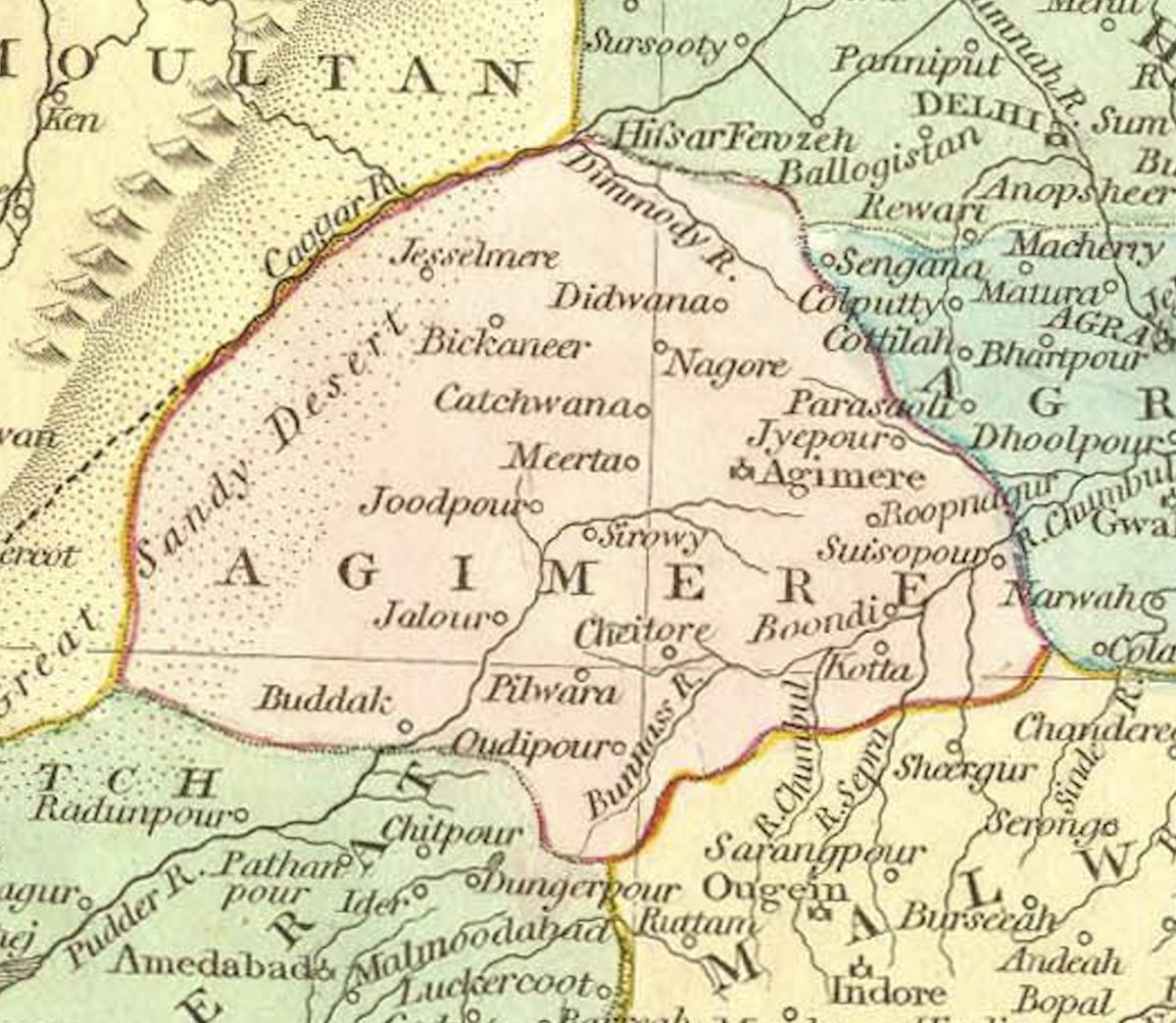
Agra (Akbarabad) nd Ajmer were two of these provinces awarded (besides others like Lahore and Thatta and so on). Extracts from the ahadnama translated into Marathi and its original version in devanagari script was published by VK Rajwade in his 'Marathyanchya Itihasachi Sadhane, Volume I, letter 1 are as under.
A map of Ajmer subah with all the places therein that were included in the award to the Marathas is also given under.
Please have a look.
@EduMinOfIndia@ncert
Part I of my recent talk on the third battle of #Panipat in Marathi.
No exaggeration, no hagiography, just as it happened.
पानिपतचे तिसरे युध्द!
अलीकडे दिलेल्या व्याख्यानाचा पहिला भाग!
अतिशयोक्ती रहित, जसे घडले तसे…
#SolsticeAtPanipat https://t.co/UTJa0txr3M
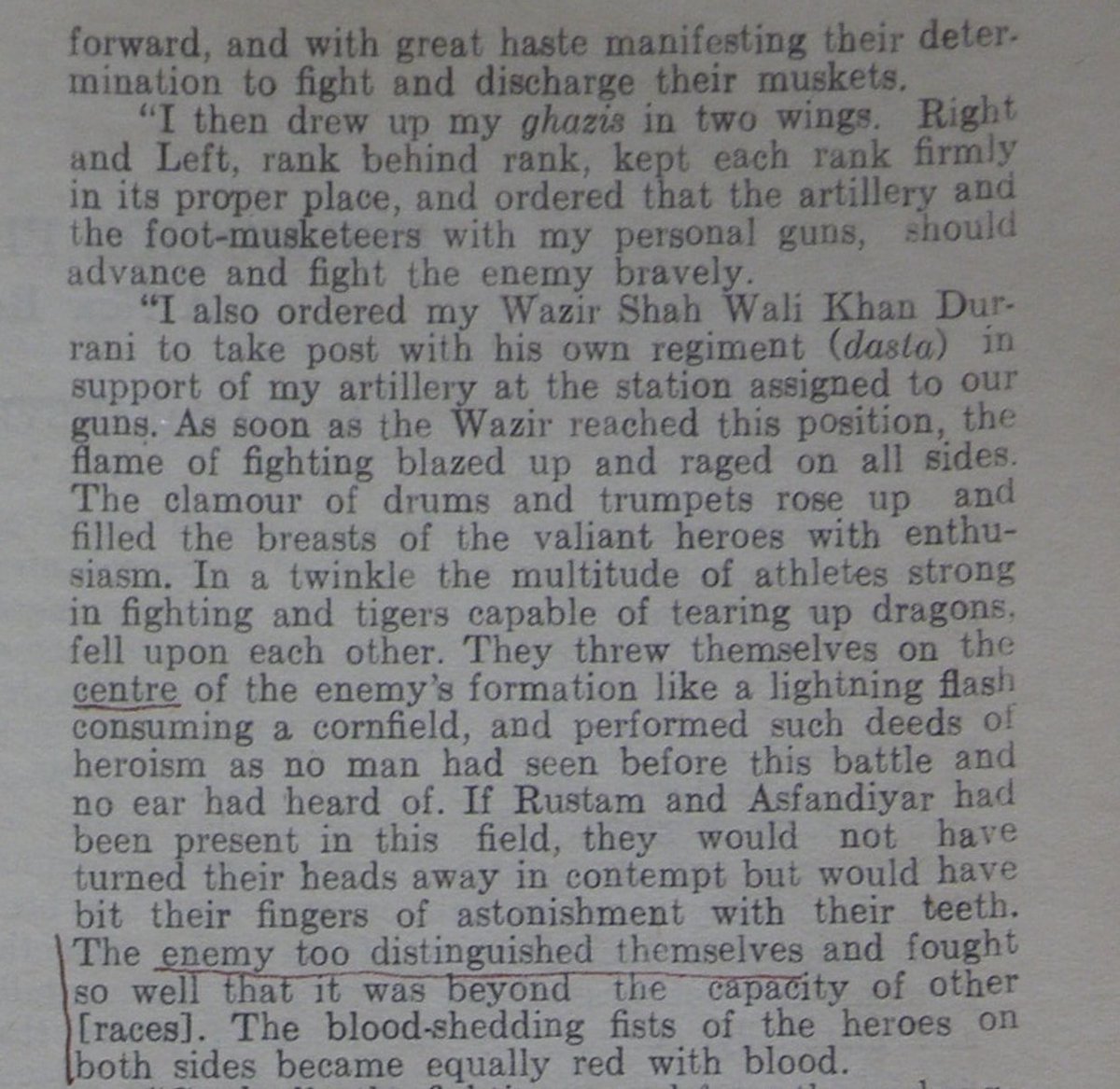
In the days after the third battle of #Panipat on 14 January 1761, Ahmed Shah Abdali wrote a letter to Raja Madho Sinh of Jaipur. An excerpt relating to the battle itself:
(Trans. Sir Jadunath Sarkar from the Persian)
The intensity of the battle and the bravery of the two combatants is best described in the words of the author himself.
They gave their all.
Actually the Marathas under Chimaji Appa defeated the Portuguese at Salsette and Vasai in 1737 and 1739.
This was the first Asiatic power to defeat a European power.
https://t.co/B21a5yyujp
@ShashiTharoor