every now and then i will get the motivation to log on and retweet a couple borzois. maybe tweet something silly
hope thats okay. please consider
long tongue
@gGsEarlier@Dafio_1@HybridGrizzly@For_Macragge@LeMis_Rex@BansTheBBQ I think you're missing the point that Astartes are stronger AND faster then Spartans, as well as having a comparable level of battle field intelligence. Considering the average equipment for both as well, Spartans would have a trouble hurting a marine, not so much the other way.
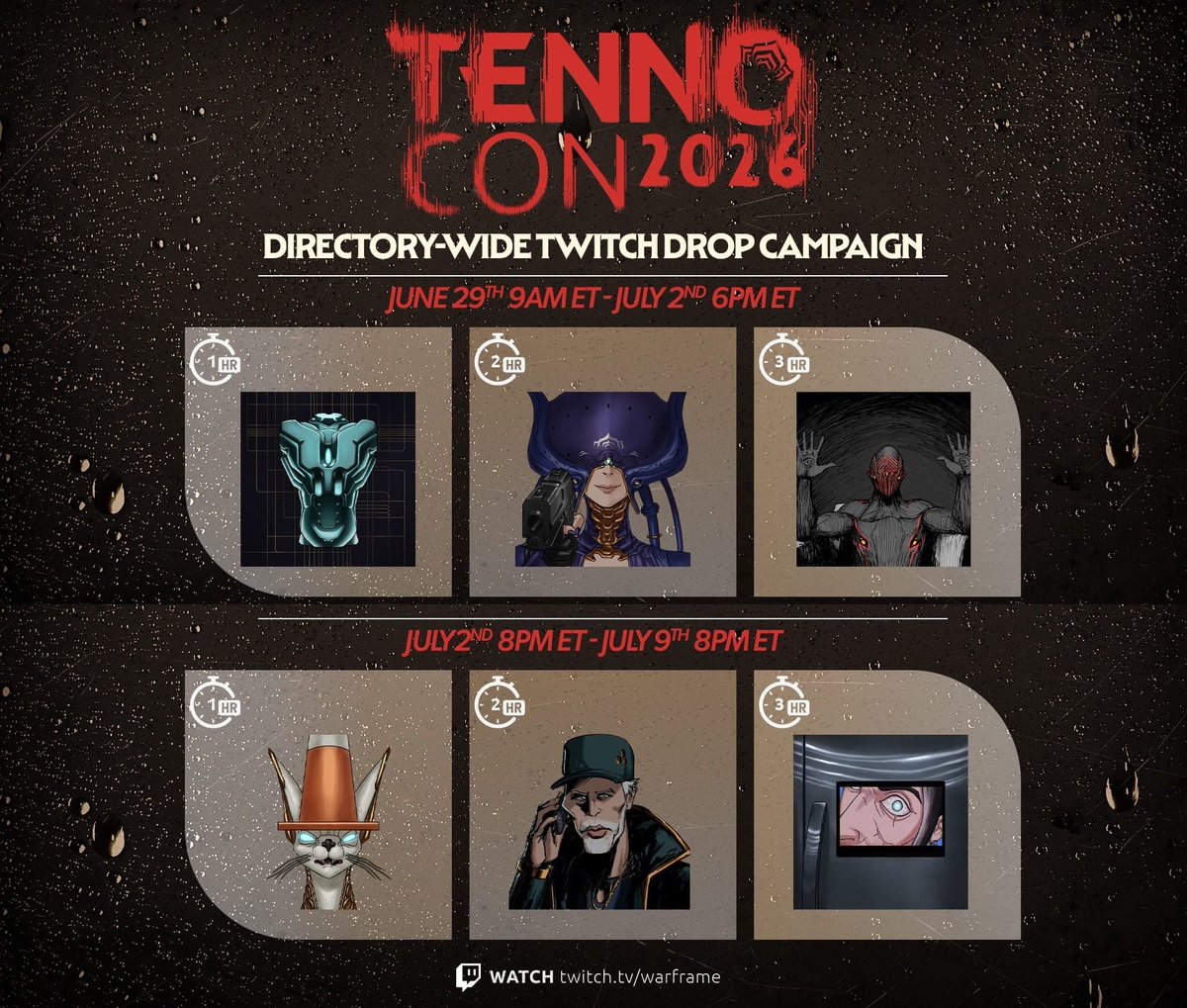
I had the opportunity to work on some #Warframe Glyphs, and I hope you enjoy them!
Earned via Twitch Drops, they will be added to the in-game Market for Platinum in a future update. Thank you DE!
@Pupsker Is bite hard to get? I genuinely dont know much about game. I don't remember how I got it, just have always had it for as long as I can remember.
Orcas eat great white sharks. They hunt seals, dolphins, and baby whales. They have never killed a single human in the open ocean. Not once, in all of recorded history.
An orca's brain weighs up to 15 pounds. Yours weighs about 3. They have roughly double the brain cells we do in the regions that handle complex thought. A neuroscientist at Emory named Lori Marino put an orca brain in an MRI and found these animals can tell different species apart underwater. They do it by sending out clicks that bounce off everything around them and come back as a kind of 3D sound map (this is called echolocation). From 500 feet away, an orca knows you're a human and not a seal. It skips you on purpose.
The answer is culture. Orcas around the world are divided into at least 10 separate populations, each with its own food rules, its own language, and its own way of hunting. All of it learned from their mothers. One population eats only fish. Another eats only marine mammals like seals and sea lions. These two populations can live in the exact same water and never swap a single meal. A baby orca learns what food is from its mother, and that list stays the same for life.
In the Pacific Northwest, one population called the Southern Residents eats almost nothing but Chinook salmon. Scientists have documented them killing harbor porpoises 78 times over six decades, carrying the dead porpoises in their mouths, and never once eating them. Even when the group was starving. A 2023 study in Marine Mammal Science looked at all 78 cases and concluded it was play. These orcas would rather go hungry than eat something their culture says isn't food.
Researchers studying whale behavior in 2001 found that orca cultural traditions "appear to have no parallel outside humans." Each family group has its own dialect, its own version of the language. Calves spend about two years just learning how to make all the sounds their family uses. Mothers will slow down a hunt on purpose so their young can watch.
In 2005, a 12-year-old kid was swimming in Helm Bay, Alaska when an orca came at him full speed. At the very last second, the orca seemed to realize it was charging a human. It bent its entire body in half and turned back to open water. In captivity, it goes differently. SeaWorld's Tilikum killed three people during his life in a concrete tank. Research from 2016, published in the journal Animals, traced it to psychological collapse from being locked away from the family bonds orcas need to stay stable.
I think calling this a "mystery" undersells the science. Orcas decide what to eat based on culture, not instinct. No orca mother has ever taught her calf to hunt humans, so no orca hunts humans. Only about 75 of those salmon-eating Southern Residents are still alive. Their pregnancy failure rate is 69% because we've destroyed their salmon runs. They won't break their food culture to survive. Whether we care enough to protect theirs is the part that actually matters.
Embody fast and feast with Deluxe iterations of everyone's favorite duo!
The Gauss Moto Collection and Grendel Turbis Collection are coming on March 25, alongside the release of The Shadowgrapher.
Bernard the Secretarybird is CERTAIN that it is breeding season. He has been gathering materials and building his nest since December. Satinka, his mate, on the other hand is well aware that Bernard is several months early and continues to ignore his advances.