Tenía 15 años y sabía que iba a morir. Y, aun así, cuando la escuchas hablar, no parece estar hablando de la muerte. Parece estar enseñándonos a vivir.
Se llamaba Naia Llabrés.
Le diagnosticaron un osteosarcoma en el cráneo con metástasis pulmonar. Pasó por operaciones, quimioterapia, radioterapia y finalmente cuidados paliativos.
Pero hay algo que impresiona todavía más que su enfermedad: la manera en la que decidió afrontarla.
En la entrevista de Roca Project, grabada antes de morir y emitida después respetando su voluntad, Naia habla de sus ganas de vivir, de su familia, de la salud, del presente y de todo aquello que había aprendido durante su enfermedad.
No romantiza el sufrimiento.
No dice que no duela.
Pero consigue algo extraordinario: convertir una experiencia terrible en una fuente de amor, gratitud, madurez y entrega.
Y aquí hay una enseñanza profundamente cristiana.
El cristianismo no dice que el sufrimiento sea bueno.
Dice algo mucho más poderoso: que el sufrimiento no tiene por qué tener la última palabra.
Cristo no eliminó la Cruz.
La atravesó.
Y la convirtió en camino de salvación.
Naia no pudo elegir la enfermedad que le tocó vivir.
Pero sí pudo decidir qué hacer con el tiempo que tenía.
Y quizá por eso su historia nos interpela tanto.
Porque mientras algunos tenemos la vida por delante y vivimos como si el tiempo fuera infinito, ella, con apenas 15 años, nos recuerda algo que solemos olvidar:
no sabemos cuánto tiempo tenemos.
Pero sí podemos decidir cómo vivimos el que nos ha sido dado.
Que su testimonio nos enseñe a vivir más, amar más y agradecer más.
Y que Dios la tenga en su gloria.
🙏✝️
Hay cosas que una civilización no debería dejar morir: la belleza, la música y la memoria de aquello que la hizo ser lo que es.
Hay algo profundamente conmovedor en contemplar a una orquesta y un coro enteros creando juntos una música capaz de detener el ruido del mundo durante unos minutos.
No es solo entretenimiento.
Durante siglos, la cultura occidental estuvo profundamente marcada por el cristianismo, y de esa tradición nacieron algunas de las expresiones artísticas y musicales más sublimes que hemos recibido.
La belleza también educa el alma. Nos recuerda que el ser humano no solo necesita comodidad, información o entretenimiento. También necesita contemplar algo que le trascienda.
Quizá por eso seguimos emocionándonos ante una gran sinfonía, un coro cantando a una sola voz o una melodía que parece elevarnos por encima de nosotros mismos.
No deberíamos avergonzarnos de conservar esa herencia.
Hay una belleza que merece ser defendida precisamente porque nos recuerda que la vida es mucho más que sobrevivir.
🙏✝️
Lc 5,1-11
El milagro no empieza con los peces, sino con Cristo subiendo a tu barca. A tu matrimonio, tu trabajo, tus heridas,tu vida. Donde tú dices :”ya lo he intentado todo”.Él dice :”otra vez”.Y Pedro descubre que obedecer a Cristo abre una vida que él solo no podía darse.
Tú conoces, Señor, el corazón de la ciudad: sus luces y sombras, su bullicio y su soledad. Señor, que nuestras comunidades urbanas sean hogares abiertos y acogedores, lugares donde se comparta la esperanza, donde nadie se sienta invisible, y donde la alegría de tu Evangelio ilumine la vida escondida de tantos hermanos y hermanas. #OremosJuntos en https://t.co/S4gfQmgAVO
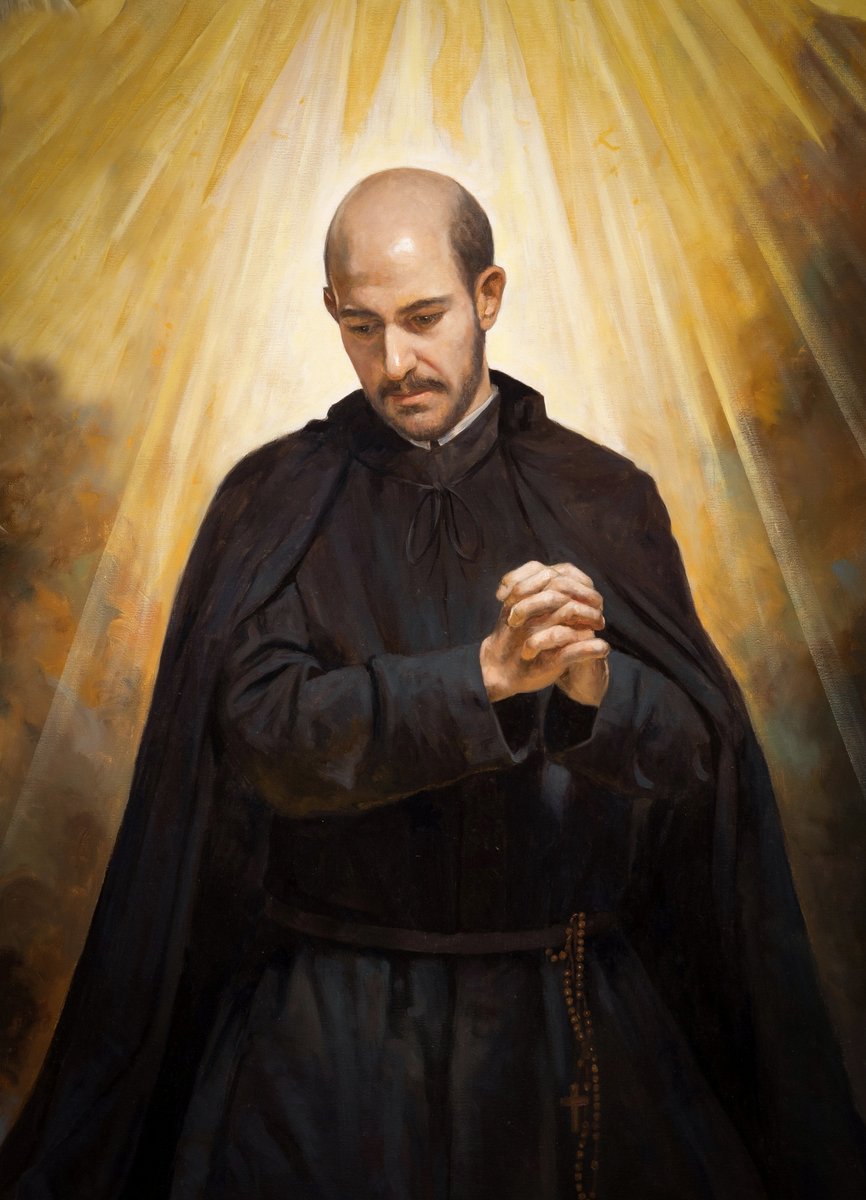
Hoy festividad de San Ignacio de Loyola.
San Ignacio de Loyola (1491–1556), fundador de la Compañía de Jesús. De soldado a santo, su conversión lo llevó a dedicar su vida a Dios y a crear los Ejercicios Espirituales, legado que transformó la Iglesia.
“Un padre y una madre unidos en matrimonio, tomados de la mano y paseando con sus hijos en brazos, será el gesto más revolucionario e intrépido en este decadente siglo”.
- G.K.Chesterton
The Church is wise. She does not give us devotions merely to stir our emotions; she gives them to lead us to holiness. That is why, today, on the feast of Our Lady of Mount Carmel, we do well to ask ourselves a simple question: Why did Our Lady give the Brown Scapular to the Church? Was it simply to wear another religious object? Or was she asking something much deeper of us?
The answer takes us back to the thirteenth century. The Carmelite Order was passing through a terrible crisis. Driven from the Holy Land, surrounded by uncertainty, it seemed that its days were numbered. Its Prior General, St. Simon Stock, did not place his confidence in princes or in clever plans. He turned to the Mother of God. According to the ancient tradition of Carmel, Our Lady appeared to him on this very day, holding the Brown Scapular and promising: "Whoever dies clothed in this Scapular shall not suffer eternal fire."
Those words have comforted Catholics for centuries, but they must be understood correctly. The Blessed Virgin was not handing out a magical object, nor was she offering salvation without conversion. God asks for our cooperation. He gives grace freely, but He also asks us to respond freely. Every gift from Heaven carries with it a responsibility.
The Scapular is, therefore, a sacramental. It is a sign that says, without words, "I belong to Mary, and through Mary I belong to Christ." Think of a religious wearing his habit. The habit does not make him holy, but it reminds him every day of the life he has promised to live. The Brown Scapular is like a small habit placed on the shoulders of the faithful. It reminds us that we should think, speak, and live as children of the Blessed Virgin.
That is why the Church has always taught that wearing the Scapular must be joined to a Christian life. Tradition also speaks of the Sabbatine Privilege, encouraging us to trust in Mary's maternal intercession for those who faithfully wear the Scapular, live chastely according to their state in life, and persevere in prayer. Notice the pattern: faithfulness, prayer, and perseverance. Our Lady never encourages laziness; she always leads us to a deeper love for her Son.
Many of us received the Scapular years ago. Perhaps it was placed around our neck as children. Perhaps we have worn it for decades without giving it much thought. Today is a good day to ask ourselves whether we are wearing only a piece of cloth, or whether we are truly living beneath Mary's mantle. The Scapular should not simply rest on our shoulders; it should shape our hearts.
The Church also reminds us today of the gift of a plenary indulgence, under the usual conditions of Confession, Holy Communion, prayer for the intentions of the Holy Father, and freedom from attachment to sin. What a beautiful reminder that the Church is truly our Mother. She not only teaches us the way to Heaven but also opens for us the treasury of Christ's mercy.
My dear friends, the older we become, the more clearly we see that everything in this world passes away. Health passes. Strength passes. Possessions pass. Only one thing remains: whether we die united to Christ. That is why the Brown Scapular is such a precious gift. Every time we touch it, it reminds us to lift our eyes from this passing world and to remember our eternal homeland.
Let us ask Our Lady of Mount Carmel today for one simple grace: that we may never wear her Scapular carelessly, but always as faithful disciples of her Son. And when the day comes for us to leave this world, may she be at our side, leading us with confidence into the presence of Jesus Christ, to whom be all honor and glory forever.
Amen.
Fr. Javier Olivera Ravasi, SE
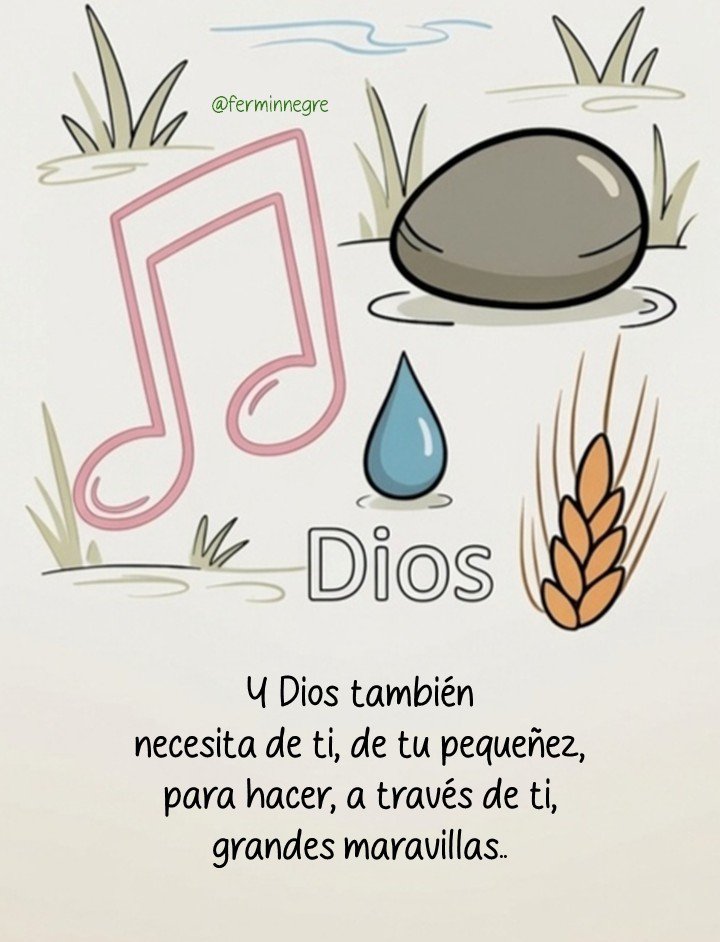
Dios necesita de tu pequeñez, de lo que parece que no cuenta, para seguir haciendo su obra en el mundo. Igual que una sinfonía necesita cada nota, un río cada gota de agua, una cosecha cada grano de trigo o un libro cada palabra... Dios cuenta contigo.
Dios es quien hace crecer.
No juzgues el día
por lo que recojas,
sino por lo que siembres.
Siembra creyendo que
en las semillas que plantas
ya está la cosecha que sueñas.
Y saber que, al final,
solo contará el amor
que hemos sembrado
y el bien que hemos dejado
a nuestro paso.
El señor dijo que la IGLESIA estará viva hasta el fin del mundo,con grandes sufrimientos, tal vez muy reducida : "¿Cuando el hijo del hombre vuelva, encontrará fé sobre la tierra?" La Iglesia sufrirá persecuciones, tentaciones? Pero será siempre la fuerza y esperanza del mundo.
@AlertaNews24 Un Mundial es sinónimo de alegría, unión y respeto. Lamentablemente, la violencia y las agresiones registradas en México empañan la fiesta del fútbol y dejan una imagen que ningún país anfitrión debería proyectar al mundo. Deben de sancionar @fifacom_es@FIFAcom@FIFAWorldCup