I have a PhD in political science from Oxford, focused on US foreign policy; worked as a State Dept. official in Afghanistan, Pakistan, and the Middle East; and wrote a celebrated foreign policy book taught at universities like Princeton. That's why I get geopolitical questions.
Minnesota has to SUE the federal government just to see the evidence behind two dead Americans. That’s exactly what they are doing.
That’s not law enforcement…that’s a COVER-UP.
🚨BREAKING: CBS just pulled their anticipated story on Trump’s CECOT concentration camps.
The same company who suspiciously cancelled Steve Colbert when they needed Trump to approve the Paramount deal.
When the press bends to tyrants, countries die.
Trump airlines? Shut down.
Trump casinos? Shut down.
Trump steaks? Shut down.
Trump vodka? Shut down.
Trump university? Shut down.
Donald Trump has kept his promise to run our government like he ran his companies: shut down, with unpaid workers & blaming everyone but himself.
Phang: If you were scrolling on social media and saw a dog locked up in the middle of the Everglades—in the sun, in the heat, in the humidity—the outrage would be wild, wouldn’t it?
But then—we’re okay with human beings being treated like that?
OSHA nominee David Keeling was an executive at UPS and Amazon.
During his tenure, OSHA fined the two companies a combined $2 million for more than 300 workplace safety citations. https://t.co/TtRorf2oaI
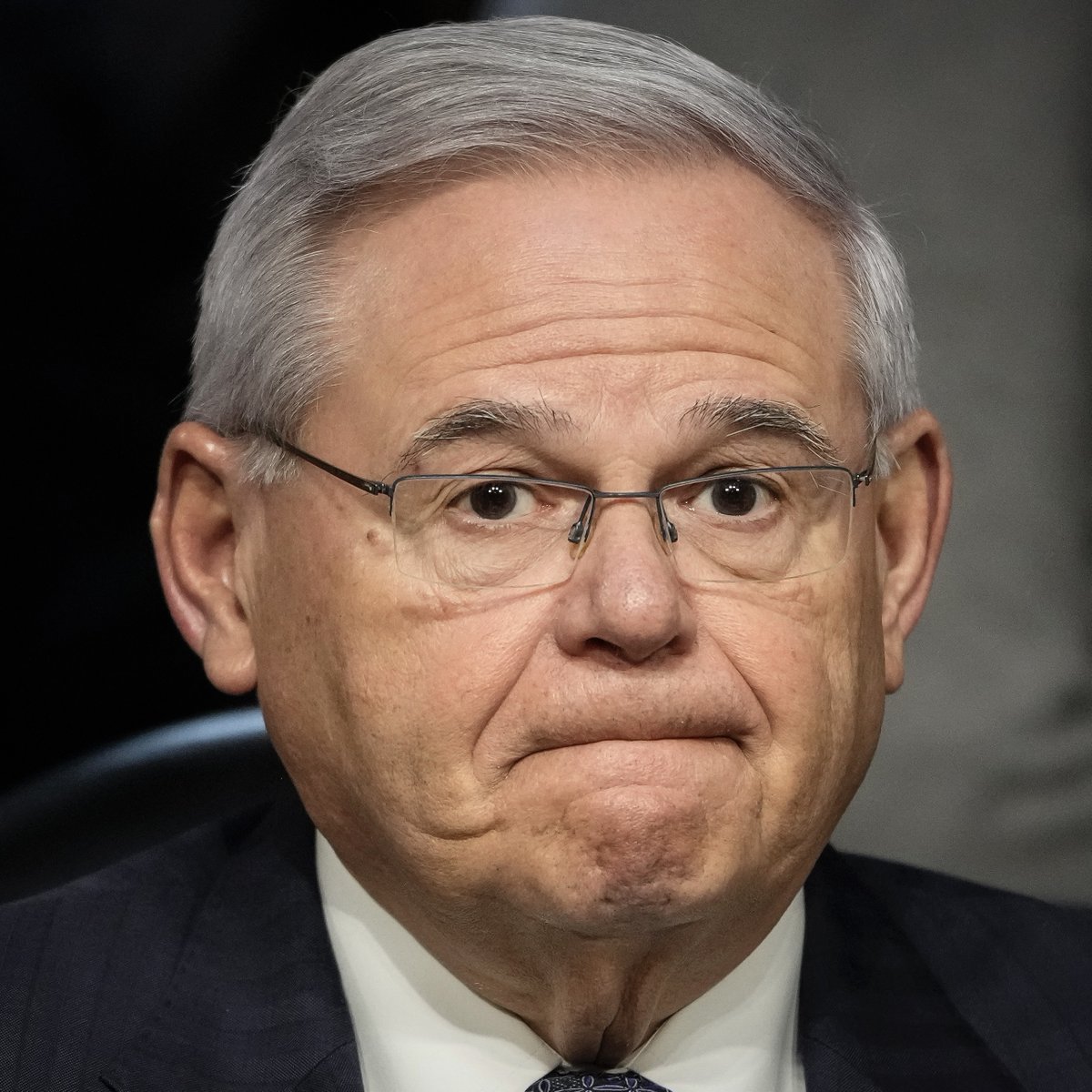
If Bob Menendez can get 11 years in prison for accepting gold bars from Egypt - Trump can get 11 years in prison for accepting a Boeing jumbo jet from Qatar.
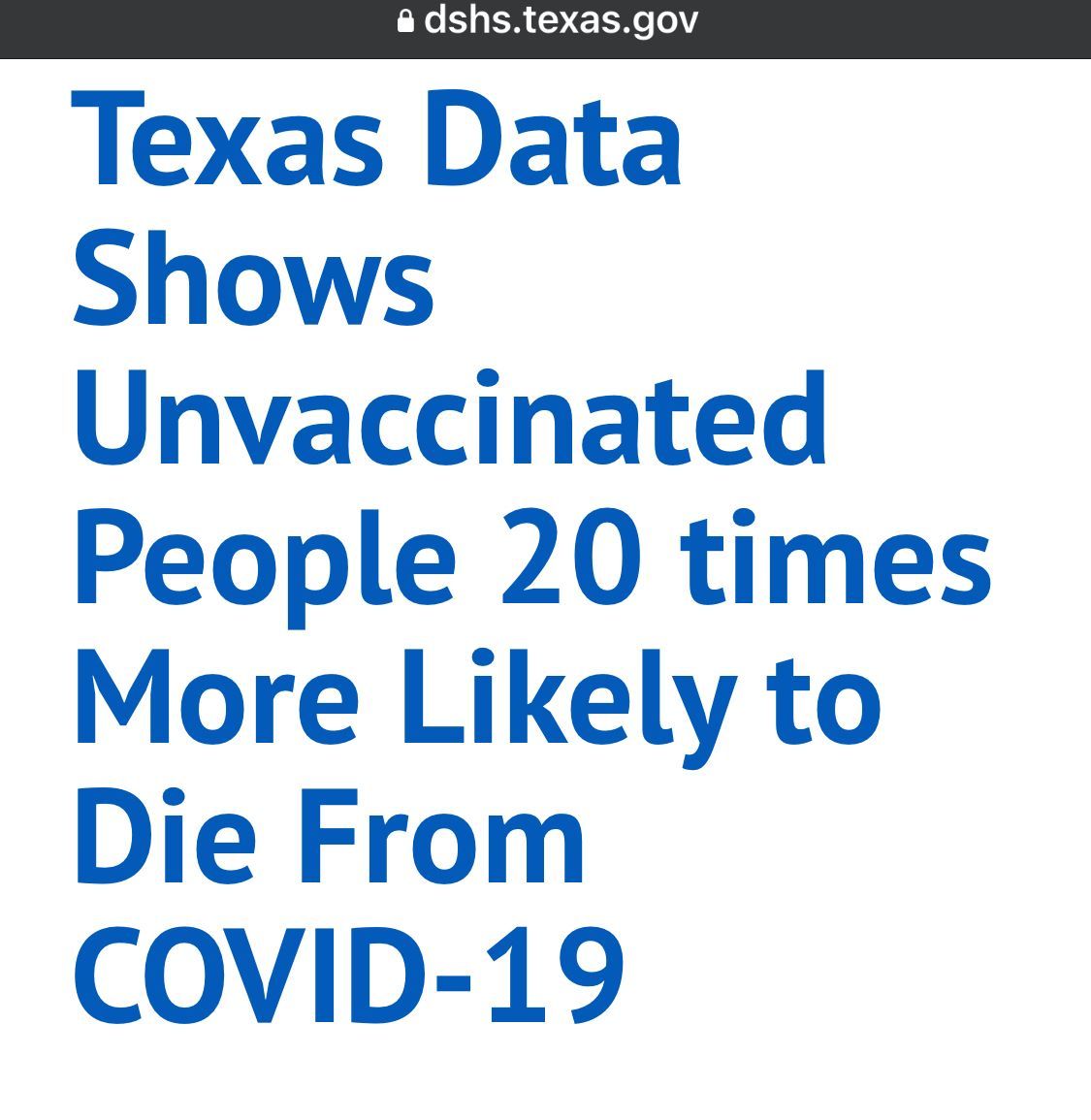
According to 2021 data from the Texas Department of State Health Services (DSHS), unvaccinated individuals were 20 times more likely to die from COVID-19 than fully vaccinated people, underscoring the vaccines’ life-saving impact during the Delta surge.
Pete Buttigieg hit this key question:
"How did the information move from a classified system to an unclassified system?"
"Somebody moved it. And that somebody would appear to be Secretary Hegseth. He needs to explain how he did that and why."
JD Vance holds a JD from Yale Law (and so do I). Presumably, he knows that he is disregarding the law here, and being deceptive about the protections it affords.
Non-citizens physically present in the United States, regardless of their immigration status, are entitled to due process protections under the Fifth and Fourteenth Amendments. It is not relevant whether Kilmar Abrego Garcia is sympathetic, or how much you believe an (apparently shaky) claim from an informant that he had gang connections. The disposition of this case, based on a judge’s review of the facts, was to grant Abrego Garcia protected legal status, preventing his deportation. Abrego Garcia‘s due process rights, under the law, required the government to go back to immigration court and make the case, if they wanted to terminate that protected status. There is no good faith legal reading in which his right to due process was respected; indeed, the government has conceded that it erred, and is essentially arguing that it doesn’t matter enough to address it. This is because they assume people will not care. But everyone in the United States should care—we all depend on these basic legal rights being predictably upheld.
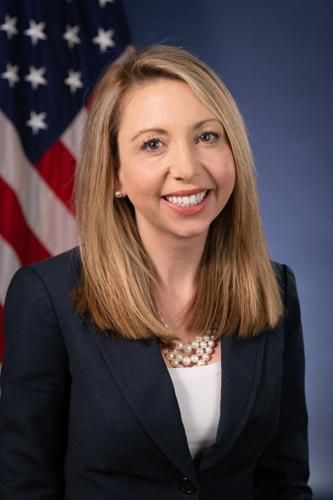
Jessica Aber’s death feels like one of those stories that’s meant to fade quietly into the background — a tragic headline that people are supposed to forget. But when a career prosecutor who spent her life chasing Russian cybercriminals, CIA leaks, and war criminals turns up dead just weeks after resigning, forgetting isn’t an option.
Aber, the former U.S. Attorney for the Eastern District of Virginia, was found dead at her home in Alexandria on March 22. She was 43 years old. Police haven’t said how she died, but the timing — and her unfinished business — makes it impossible to ignore.
THE PROSECUTOR WHO WOULDN’T BACK DOWN
Jessica Aber wasn’t just a lawyer — she was the person you sent in when things got messy.
In January, just before her resignation, Aber helped put Asif Rahman, a former CIA analyst, behind bars for leaking top-secret information about Israeli military plans against Iran. The information ended up splashed across social media in October 2024.
Aber didn’t mince words when Rahman pleaded guilty. She warned that his leak had “placed lives at risk” and “compromised our ability to collect vital intelligence in the future.” That’s prosecutor-speak for this guy seriously screwed things up. Whatever Rahman leaked, it wasn’t just embarrassing — it was dangerous.
BIG CASES, BIGGER ENEMIES
Aber’s cases didn’t stop there. In November 2024, her office prosecuted a Virginia-based company accused of funneling sensitive U.S. technology to a Russian telecom firm with Kremlin ties. It wasn’t exactly an accident — the company allegedly disguised shipments and played fast and loose with American tech that Russia wasn’t supposed to have.
Then there was the war crimes indictment. Aber’s office charged four Russian-linked individuals with torturing and unlawfully detaining a U.S. national in Ukraine. She wasn’t just making legal noise — she was putting serious pressure on powerful figures with deep connections.
Aber’s career was a parade of people you wouldn’t want showing up at your funeral — oligarchs, cybercriminals, and corrupt players with resources to make problems disappear.
A SUSPICIOUS EXIT
Aber resigned in January 2025, just after Donald Trump returned to power. Nobody’s said she was forced out, but resigning from one of the country’s most powerful U.S. Attorney’s offices weeks after jailing a rogue CIA analyst feels a little too clean.
It’s not hard to imagine why someone like Aber might suddenly find herself in a tight spot. Trump’s return came with a wave of loyalty tests and DOJ shakeups — and Aber’s aggressive pursuit of Russian networks and CIA leaks doesn’t exactly scream “team player” in this new political climate.
If she was pressured to resign, what cases got quietly buried when she left?
A SYSTEM THAT’S GONE SOFT ON POWER
The Supreme Court’s ruling in July 2024 handed Trump near-total immunity for “core presidential powers,” including military command. Justice Sonia Sotomayor warned that this decision could allow a president to order an assassination — and face no legal consequences.
By the time Aber resigned, that ruling had already cast a long shadow over the Department of Justice. Prosecutors like Aber — the kind who took on powerful players with foreign connections — were now working in an environment where accountability had been gutted.
If Aber’s investigations had exposed something that threatened powerful interests, the court’s ruling would have made it easier for those interests to apply pressure — or worse — without consequence.
Her resignation may have been voluntary. It may not have been. But by the time Aber walked away from her post, the guardrails protecting prosecutors like her were already crumbling.
WHAT DID ABER KNOW?
Jessica Aber knew things that mattered — things that powerful people wanted buried. She chased down Russian cybercriminals, locked up a CIA leaker who compromised military intelligence, and tangled with foreign operatives who wouldn’t hesitate to make problems disappear.
Now she’s gone, and the timing stinks.
Maybe her death was just an awful coincidence. Maybe it wasn’t. But when the people investigating corruption start turning up dead, there’s only one responsible thing to do:
Start asking louder questions. Via MSNBC{News Junkies}