En el marco del Día Mundial de la Diabetes, una enfermedad que puede causar hasta ceguera, el @sanvicentefund ofrece evaluación oftalmológica gratuita para los pacientes con este diagnóstico.
Más información en https://t.co/zsOUmbkyRw
¿Qué pasa cuando ChatGPT hace tu tarea?
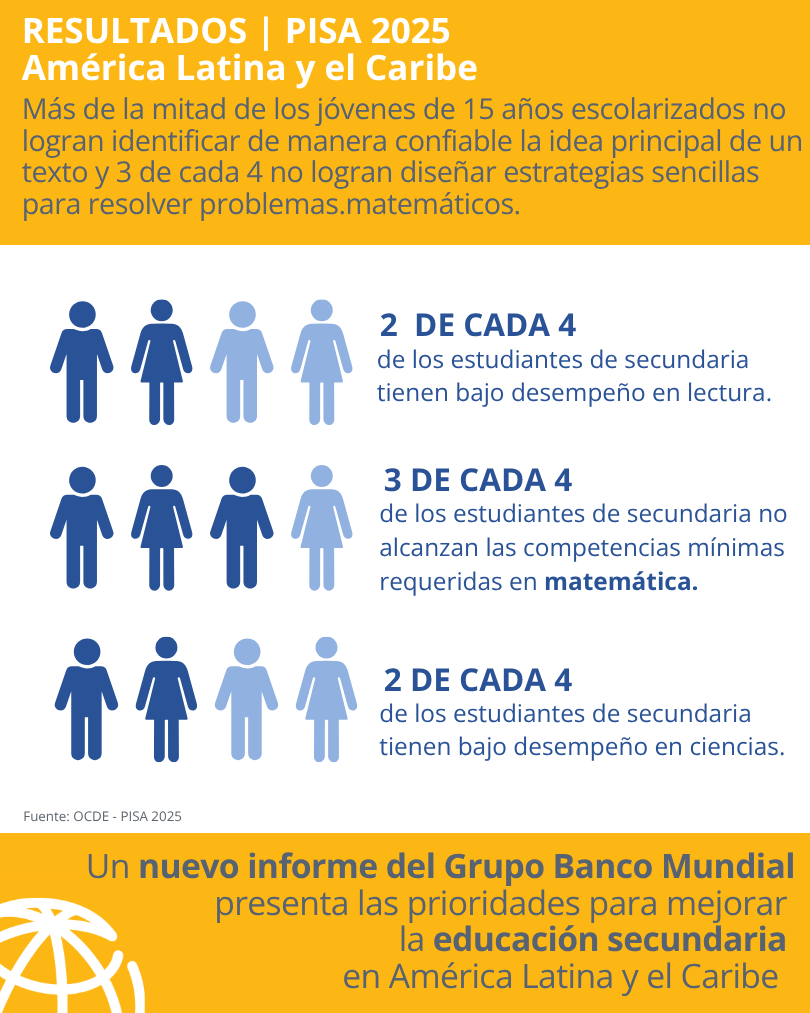
Según PISA 2025, 3 de cada 4 estudiantes de 15 años en América Latina no alcanzan el nivel básico de matemáticas. En #DWCómoTeAfecta analizamos el papel de la pandemia, los celulares, la IA y la falta de docentes. /mgp
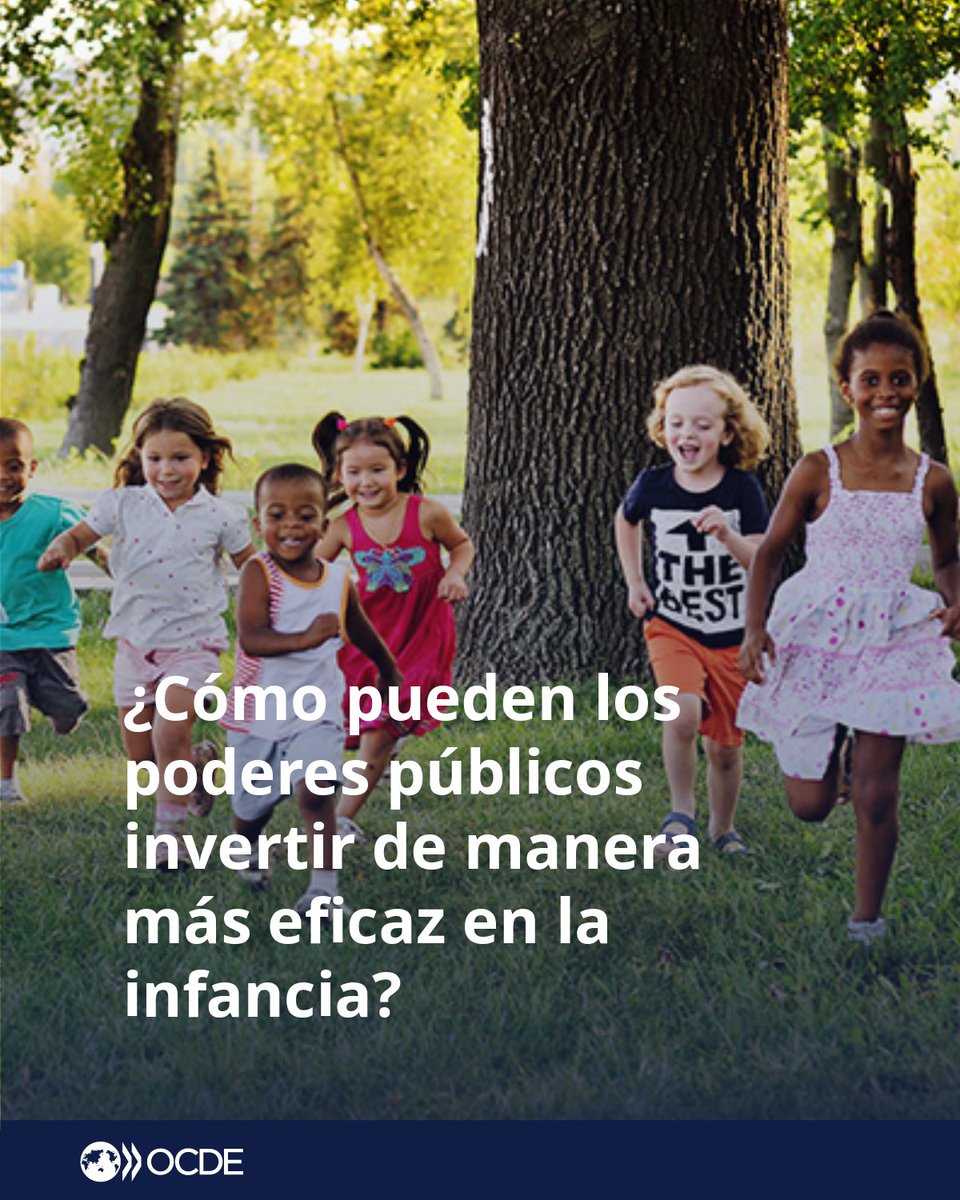
Crecer en la pobreza puede marcar la salud, la educación y las oportunidades a lo largo de la vida.
Nuestro nuevo informe muestra que unas políticas sociales mejor diseñadas pueden mejorar los resultados hoy y reducir las necesidades de gasto futuras.
🔗https://t.co/813fChVlH5
Most teachers across the #OECD are satisfied with their jobs - but not their pay.
Amid staff shortages and budget pressure, how can countries make sure the profession remains attractive?
Learn more in the latest Education at a Glance: https://t.co/UfbKpidV4v
#OECDEAG
Whether you're a student, parent, colleague, or friend, don't let their impact go unnoticed. Give them the visibility they deserve.
Nominate an exceptional teacher for the 2027 Global Teacher Prize. It takes less than a minute.
🔗 https://t.co/eKqfY0Wtmk
@GEMS_ME@VarkeyFdn #GlobalTeacherPrize #TeachersMatter
Children who eat dinner with their family most nights do better in school, have fewer behavioural problems, and are less likely to develop eating disorders. A 2023 umbrella review in the journal Nutrients combined the results of 57 reviews and found that family mealtimes were consistently linked to better outcomes across every domain measured.
The review found that children who ate with their families regularly had higher fruit and vegetable intake, lower rates of obesity, better academic performance, and fewer symptoms of depression and anxiety. The association held after controlling for income, parental education, and family structure.
The mechanism is not the food. It is the conversation. Family dinner is one of the few remaining settings in modern life where a child sits with adults, without a screen, and practises talking, listening, and being heard. The vocabulary exposure alone is significant: children at the dinner table hear a wider range of words than children who eat alone, and vocabulary at age five is one of the strongest predictors of academic success.
The review also found that the quality of the meal mattered less than the fact of sitting down together. A takeaway pizza eaten at the table with conversation produced similar benefits to a home-cooked meal. The key variable was the shared time, not the menu.
Nobody has time. Everybody is tired. The research says that twenty minutes at a table, phones off, food on plates, talking about nothing in particular, is doing more for your child's brain, body, and mental health than most interventions that cost money and require appointments. https://t.co/py5zRyOIcb
The world's toughest challenges need bold thinkers. Could that be you?
The @WorldBankGroup Young Professionals Program is seeking talented professionals eager to tackle complex development challenges and create impact on a global scale: https://t.co/EY6lrYsoUx
🚨 ¡MARITZA ARANGO, TE ESTAMOS BUSCANDO! ❤️
Me acabo de encontrar tu cartuchera con monedas, tu tarjeta de Bancolombia y $20.000. ¡Todo está a salvo! 🙏
📍 La dejé en información del CC Jardines de Llanogrande. Jardines Llanogrande/Parque Comercial
Ayúdanos a compartir. Un favor pequeño puede llegar muy lejos. 🫶
Maritza, te mando un abrazo. ¡Tu cartuchera te espera! ❤️
#Comparte #CadenaDeFavores #UnViejoFavor
2 de cada 3 adultos que trabajan en América Latina y el Caribe no tienen más que secundaria. Lo que aprendieron ahí es la base con la que salieron a trabajar. Pero esa base está en riesgo para los adolescentes que están estudiando actualmente. ¿Qué hacer? https://t.co/U3eZ24HtFs
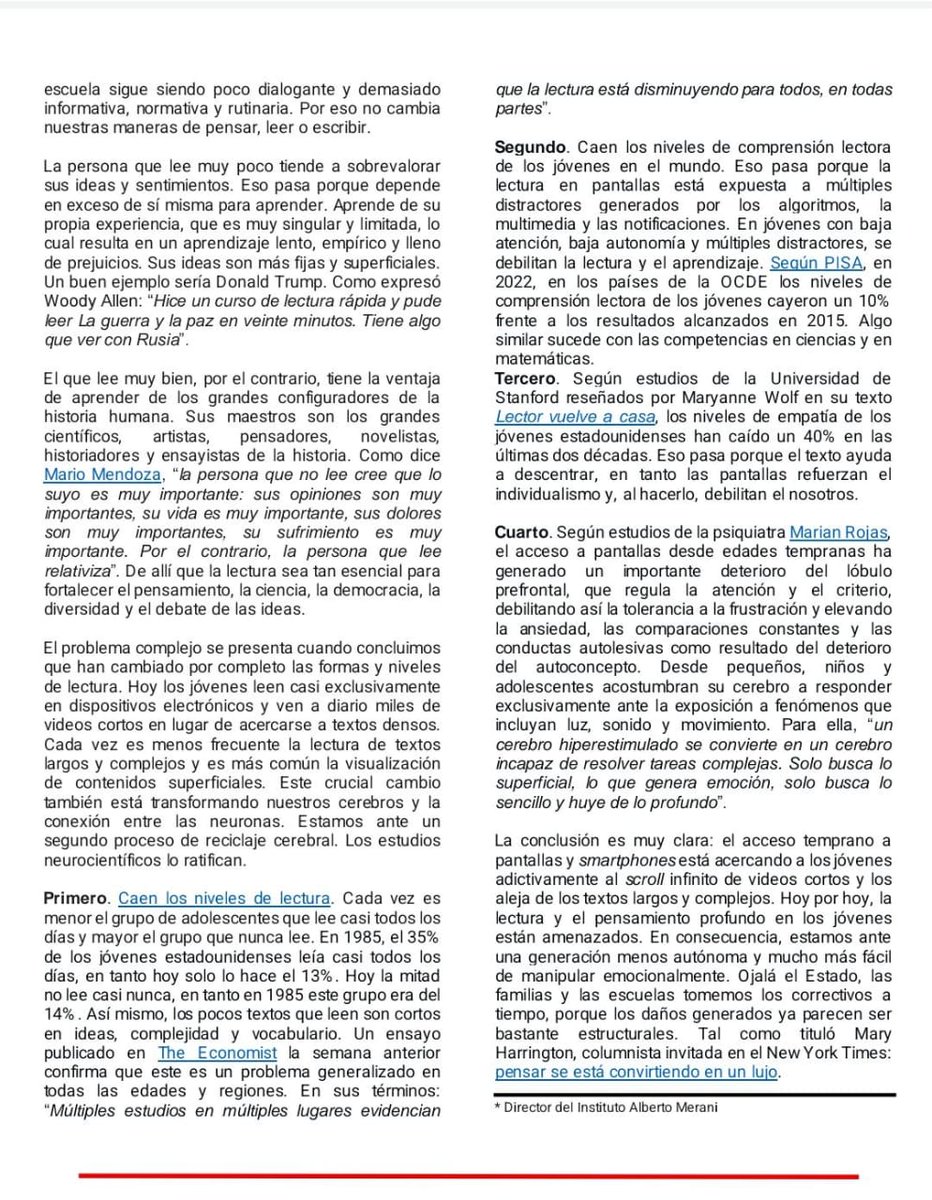
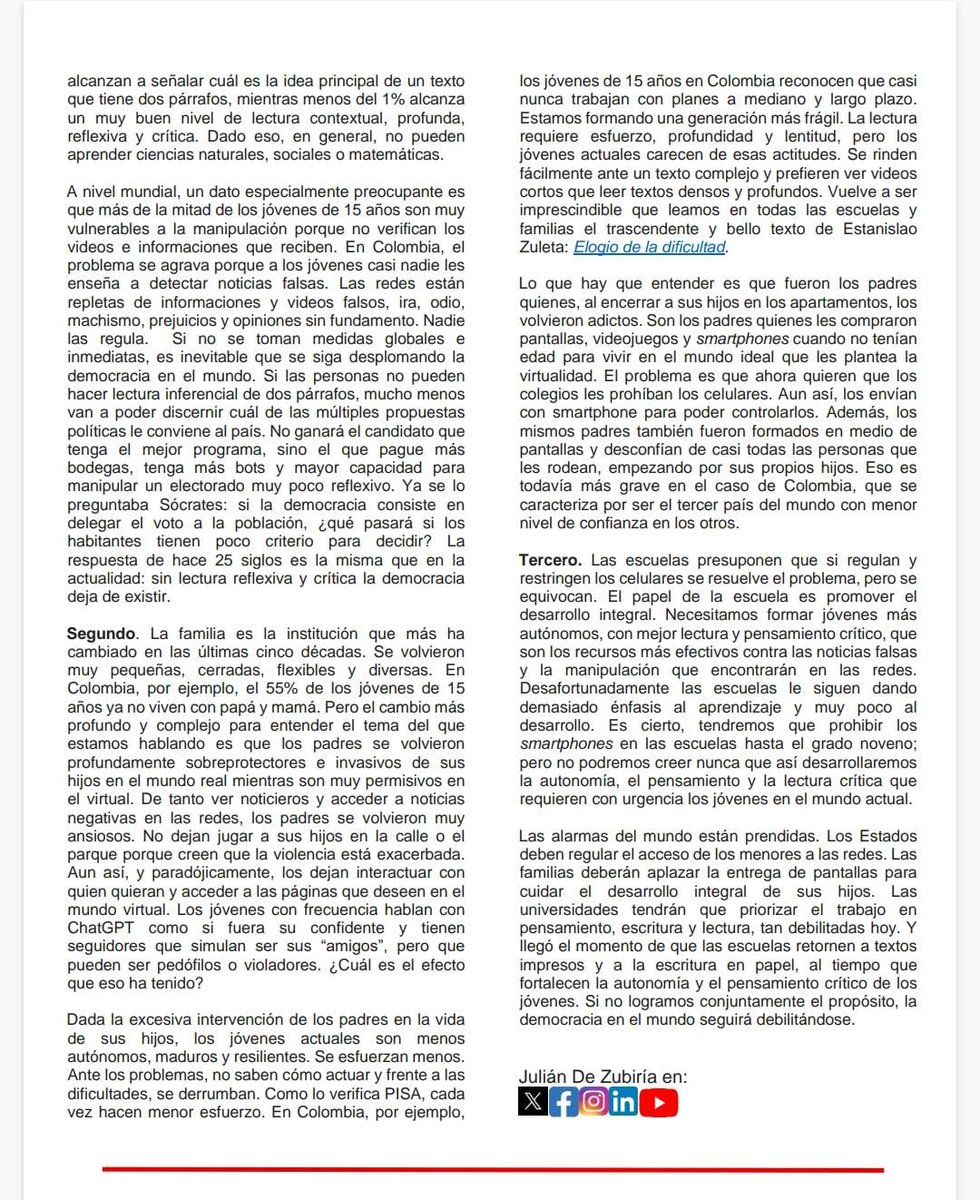
En mi más reciente columna analizo los resultados PISA Estamos ante una caída global e iniciada en 2012. Las principales causas apuntan a un gran cambio cultural: padres sobreprotectores con sus hijos en el mundo real y muy permisivos en el virtual. Invito a leer de manera libre:
Titania @TitaniaMejia hizo la ilustración de Una grilla buena gente para el UC #SientoSinCuenta. Si les gustó, tenemos 10 reproducciones firmadas de 30 x 40 cm. Una de ellas puede ser suya por solo $100.000 más envío.
Queremos felicitar a los Guardianes del Rio Atrato, que fueron galardonados con el premio internacional de los derechos humanos de @RaftoFoundation, por su valiente lucha contra la deforestación y la protección de los derechos humanos en 🇨🇴
Conoce más 👇
https://t.co/16hXSz5JC0
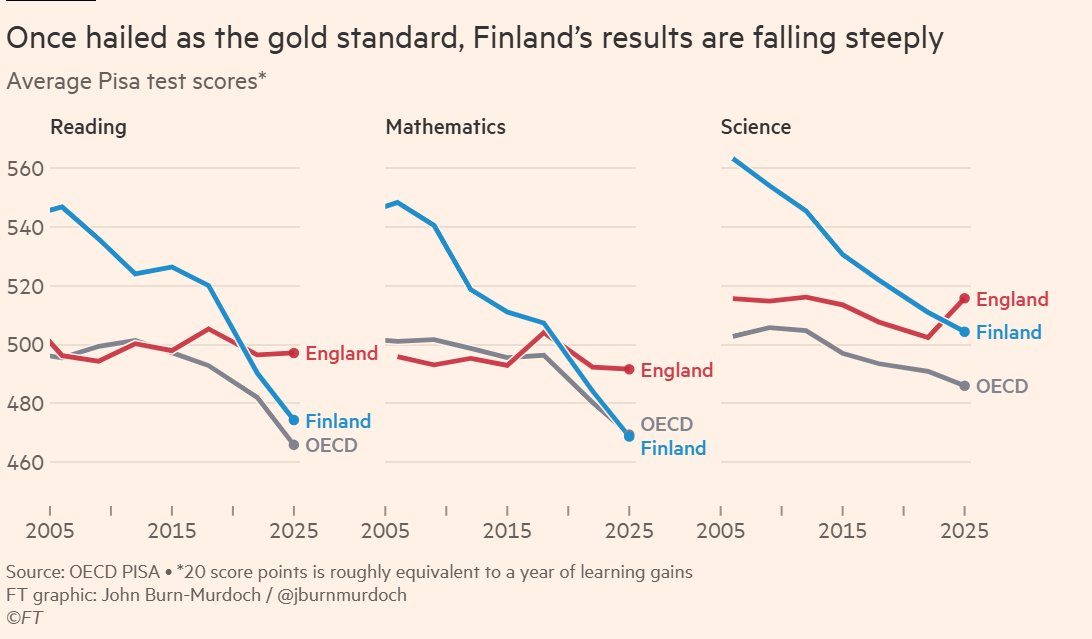
Durante años Finlandia fue presentada como el modelo: autonomía, competencias “transferibles”, menos énfasis en contenidos y menos evaluación.
Pero sus resultados PISA llevaban cayendo incluso cuando otros países trataban de imitarla.
La reflexión del Financial Times es interesante: pensamiento crítico y creatividad no sustituyen al conocimiento; en gran medida dependen de él.
El contraste con Inglaterra y con reformas como las de Mississippi vuelve a poner el foco en currículo, enseñanza explícita y exigencia académica.
https://t.co/TI8kJ9CtDm
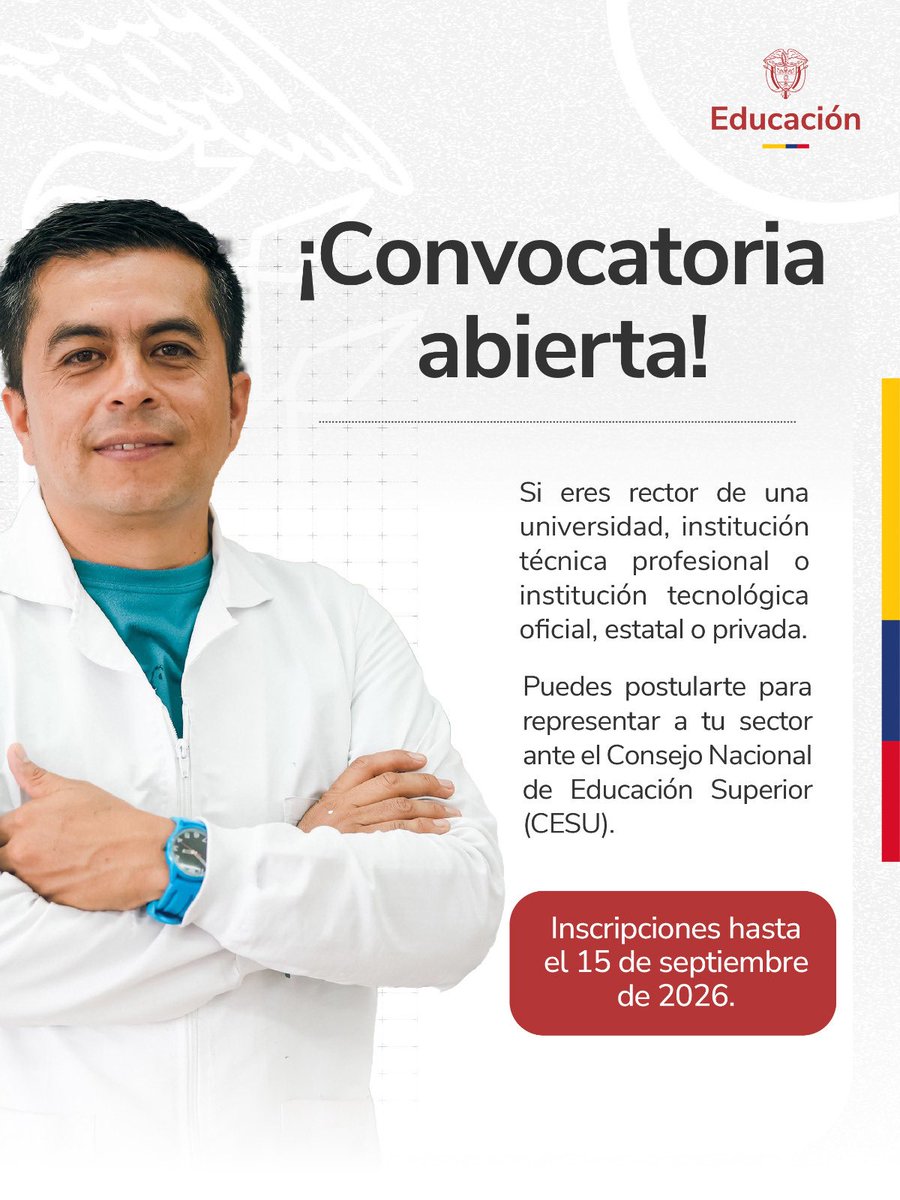
El Ministerio de Educación Nacional invita a participar en el proceso para la selección de integrantes del Consejo Nacional de Acreditación (CNA) en los perfiles de Ciencias Naturales, Matemáticas y Estadística; Ciencias Sociales, Periodismo e Información; y Bellas Artes.
🔗Más información, convocatoria, instructivo y anexos en: https://t.co/k3dI0SpaLg
Cómo pasó Inglaterra de sistema mediocre a top 10 mundial: fonética sintética obligatoria, currículo rico en conocimientos, exámenes al nivel de los mejores sistemas, instrucción directa y orden en el aula. Reformas de 2010 que hoy dan fruto en PISA. Inglaterra no mejora por casualidad. Lectura a los 10 años (PIRLS): del puesto 19 en 2006 al 4º en 2021, solo tras Singapur, Hong Kong y Rusia. Matemáticas en PISA: de la 27ª plaza en 2009 a la 10ª en 2025. Las reformas que hay detrás, según Gibb y Peal:
https://t.co/cc9wtmcesC https://t.co/fOToXCeJ5g
Inglaterra sube 13 puntos en ciencias (516, iguala su mejor registro) y aguanta en lectura y matemáticas. Solo 7 sistemas la superan en ciencias: seis asiáticos y Estonia. ¿Qué ha hecho?
Reformas desde 2010: fonética sintética obligatoria (prueba nacional a los 6 años), currículo rico en conocimientos, matemáticas 'mastery' importadas de Shanghái, GCSE más exigentes, instrucción directa y disciplina en el aula. El propio DfE habla de décadas de reformas.
@FUNCASES https://t.co/fOToXCeJ5g https://t.co/cc9wtmcesC
Quien crea que la caída en PISA se explica por la pandemia o @fecode no ha estudiado con rigor el tema. En una columna de hace 6 meses analizaba por qué desde 2012 comenzó a deteriorarse la lectura y el pensamiento entre los jóvenes del mundo. Ayuda a comprender los resultados: