𝐒𝐞𝐫𝐢𝐨𝐮𝐬 𝐬𝐜𝐢𝐞𝐧𝐜𝐞. 𝐔𝐧𝐞𝐱𝐩𝐞𝐜𝐭𝐞𝐝 𝐟𝐨𝐫𝐦𝐚𝐭.
The @ISICEM Critical Care Input — presented this time in a new way. Watch it now and enjoy.
Credits @DrFDamico#ISICEMelearning@NEJM
Full article https://t.co/rOeUBP3bQE
📢 Our second review on protective hemodynamics now published in @JCVAonline
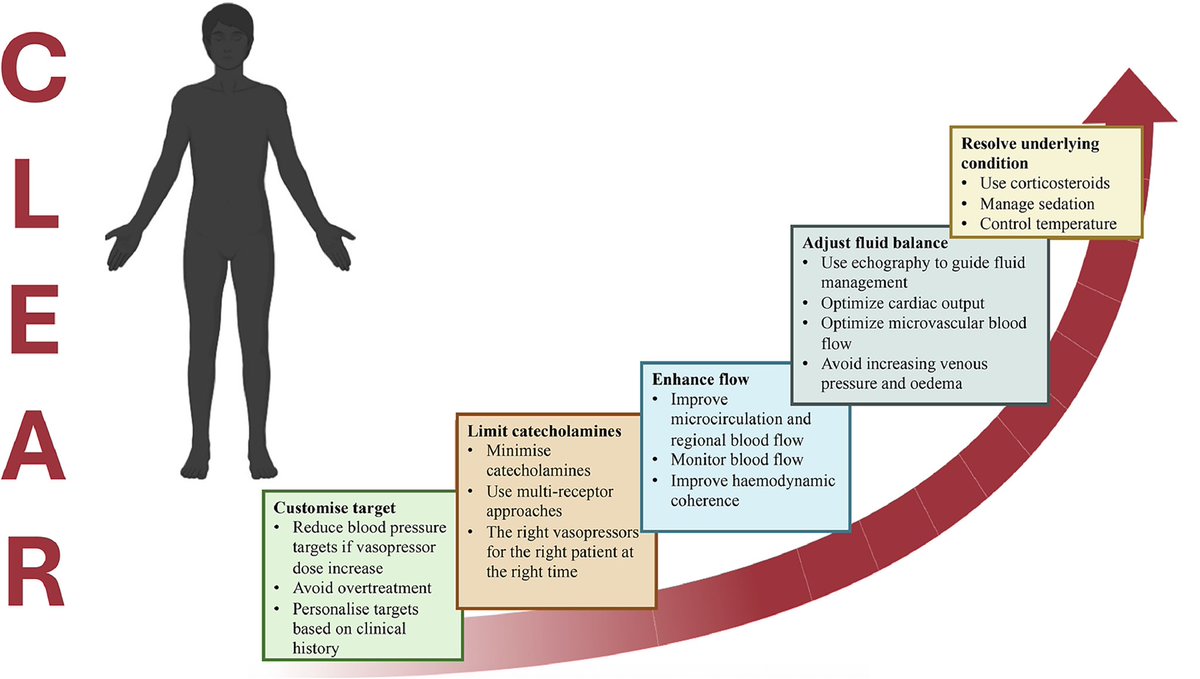
“Protective haemodynamics: C.L.E.A.R.!”
The C.L.E.A.R. approach
It is CLEAR!
https://t.co/STHD8hGjVE
Evidence on blood pressure targets in critically ill patients shows that Mean Arterial Pressure is not always equal to end-organ perfusion. 🩸
The future? Customize blood pressure targets. 🔄💡
All discussed in our review on Protective Haemodynamics!
https://t.co/STHD8hGjVE
The C.L.E.A.R. approach of protective hemodynamics in critically ill patients is a step forward in embracing complexity, moving beyond simple pressure targets. 🩺🔄
It’s time to rethink how we manage cardiovascular stability in critical care.
Read our full review for more insights! 📄💡
https://t.co/u6hXWo2cLh
Excited to share our review “Protective Hemodynamics: A Novel Strategy to Manage Blood Pressure”🚨🫀
@giovannilandoni
This approach aims to maintain cardiovascular stability while minimizing risks associated with interventions. Check it out! 📄💡
https://t.co/MFkxyv3UAq
Protective hemodynamics!
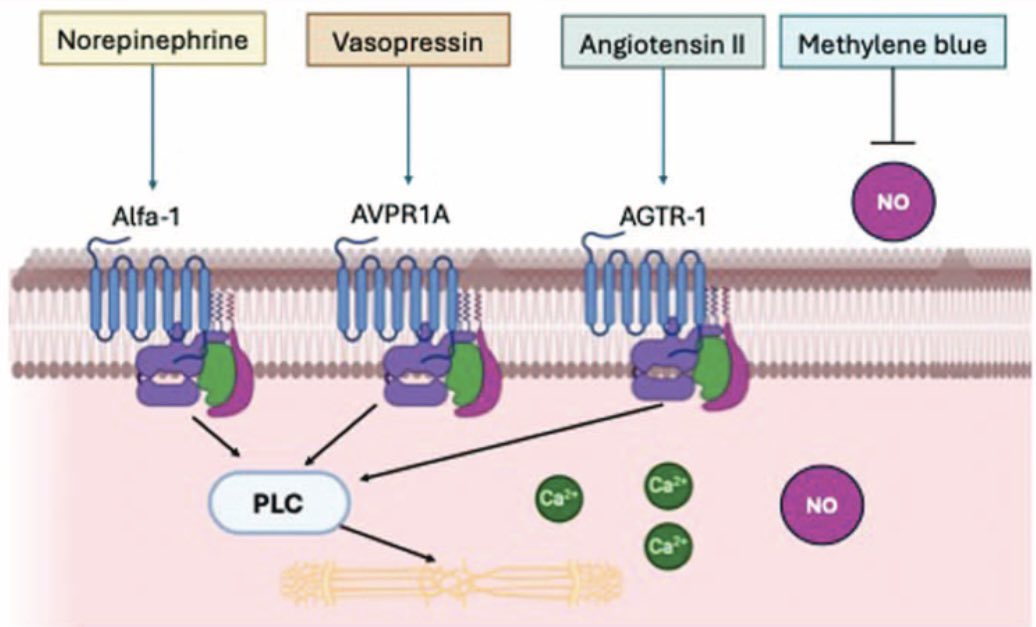
Our review highlights the importance of reducing catecholamine load by using the right vasopressor for the right patients at the right time 🩸⏱️
https://t.co/MFkxyv3UAq
Protective hemodynamics!
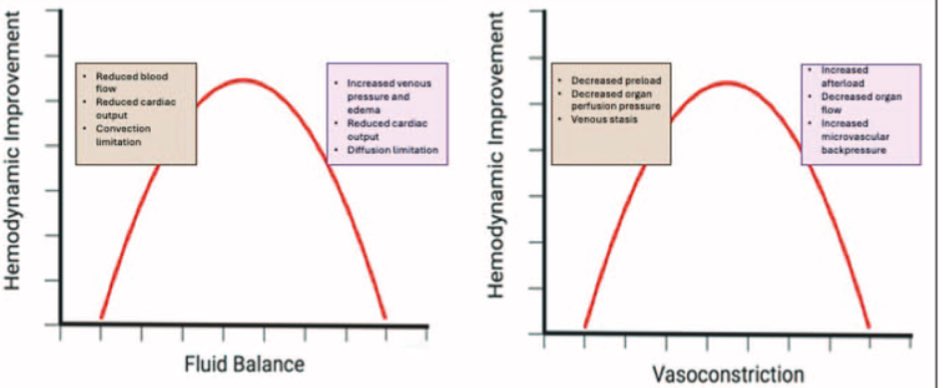
Finding the right balance in hemodynamic management is crucial—excess and deficiency both deserve the same caution. ⚖️
Too much is just as risky as too little.
Read our full review for in-depth insights!
https://t.co/MFkxyv4spY
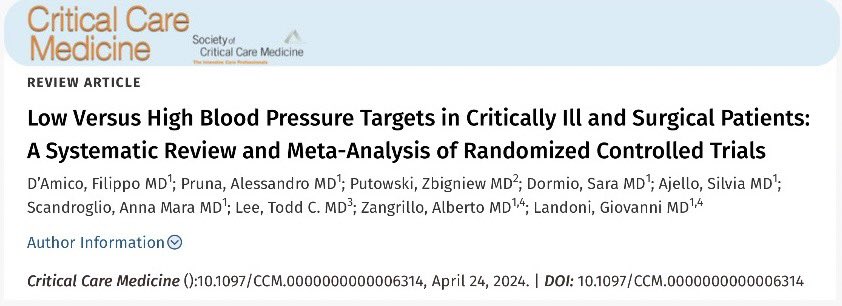
⚡ Breaking new ground in blood pressure management!
🫀 How should we manage blood pressure in critical care and perioperative settings?
📈 Check out our latest meta-analysis, which could redefine how we manage blood pressure in #criticalcare and #perioperative
https://t.co/McZ9uhD0Ln
6/6 To learn about the outcomes of 28 RCTs (12 in critically ill and 16 in perioperative settings) involving 15,672 patients, stay tuned to our meta-analysis updates.
Our upcoming posts will shed light on vital BP management insights.
1/6🧐 Observational studies have long noted that hypotension is linked to adverse events in perioperative and critical patients, influencing clinical practice and guidelines.
🔗 But is this a true cause-effect relationship, or just bias due to confounding?
🔀 Let’s see what the randomized trials say.
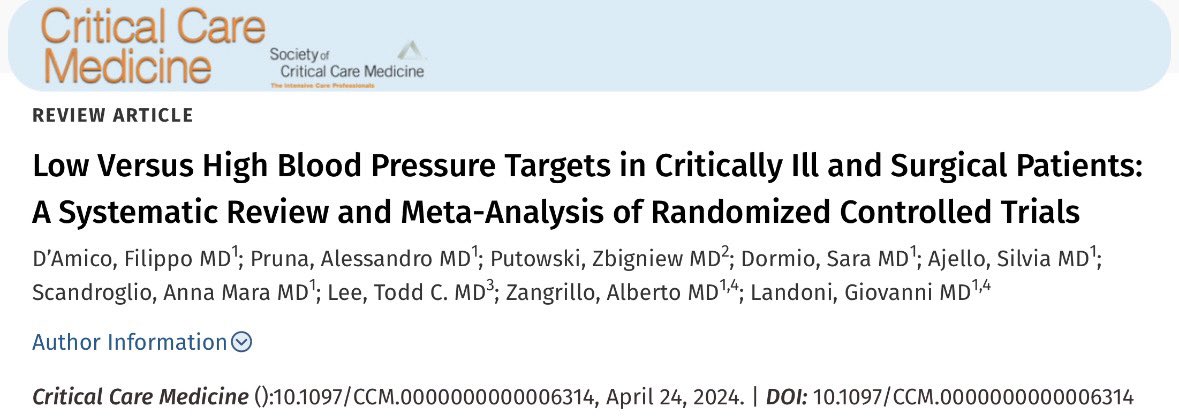
@CritCareMed
10/10
⚠️ Important Clarification:
- Lower blood pressure is not better than normal pressure.
- Our study does not advocate for actively pursuing lower BP targets.
For a thorough understanding of our findings, please read the full paper
8/10
🚀 Overwhelming Evidence!
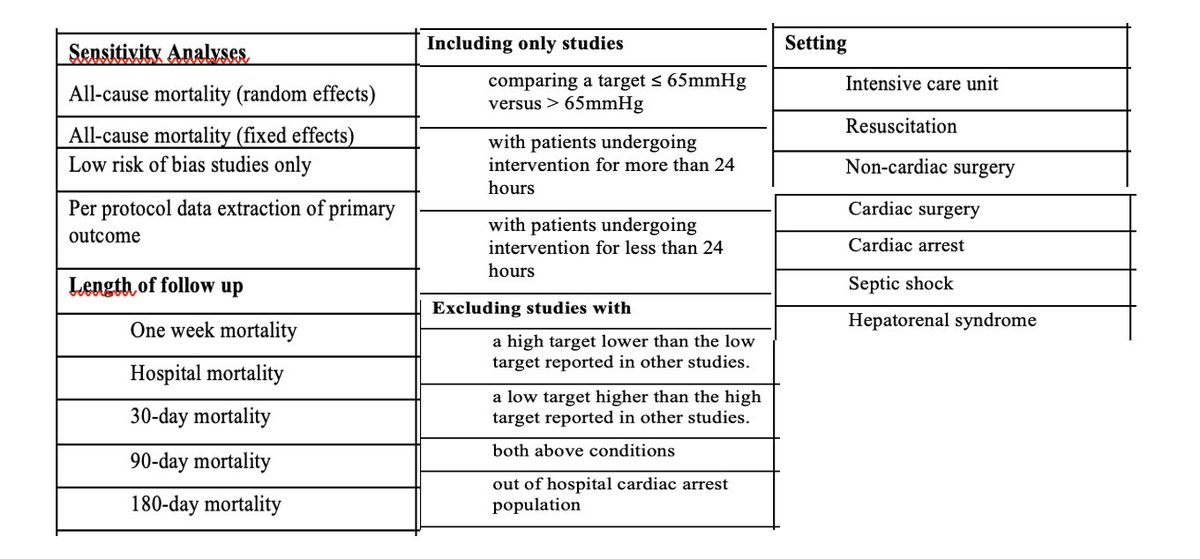
20 out of 21 sensitivity analyses demonstrated a similar magnitude and direction for mortality in favor of lower targets.
🎯 10 of these analyses are statistically significant, proving the power and reliability of our findings.
7/10
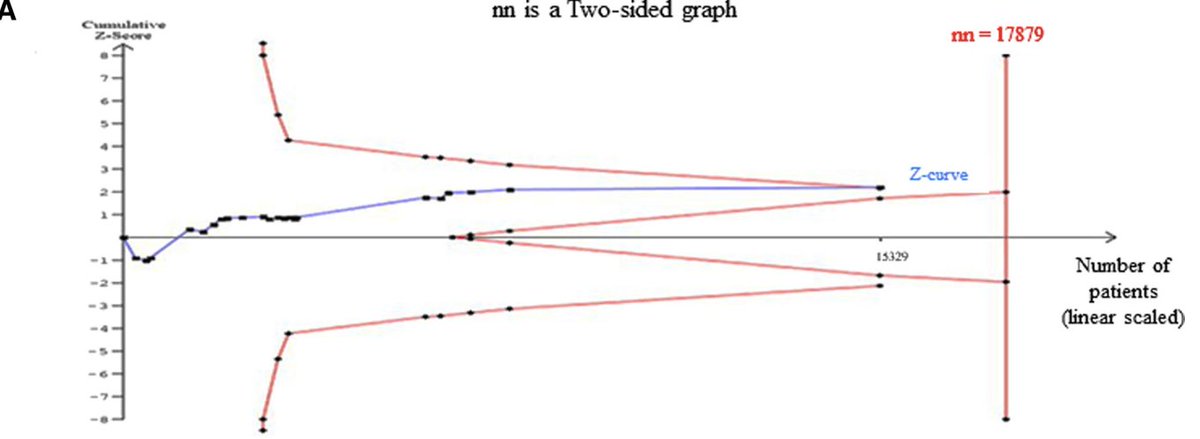
In Trial Sequential Analysis (TSA), a method used to reduce the risk of random errors in data during cumulative meta-analyses, the cumulative z-curve crossed the benefit boundary for low blood pressure targets confirming primary results
6/10
📉The Absolute Risk Reduction indicates 10 fewer deaths per 1000 patients , which translates to an Number Needed to Treat of 100.
⚰️For every 100 patients where we choose lower blood pressure targets (defined as the minimum tolerated level), we prevent one death.
5/10
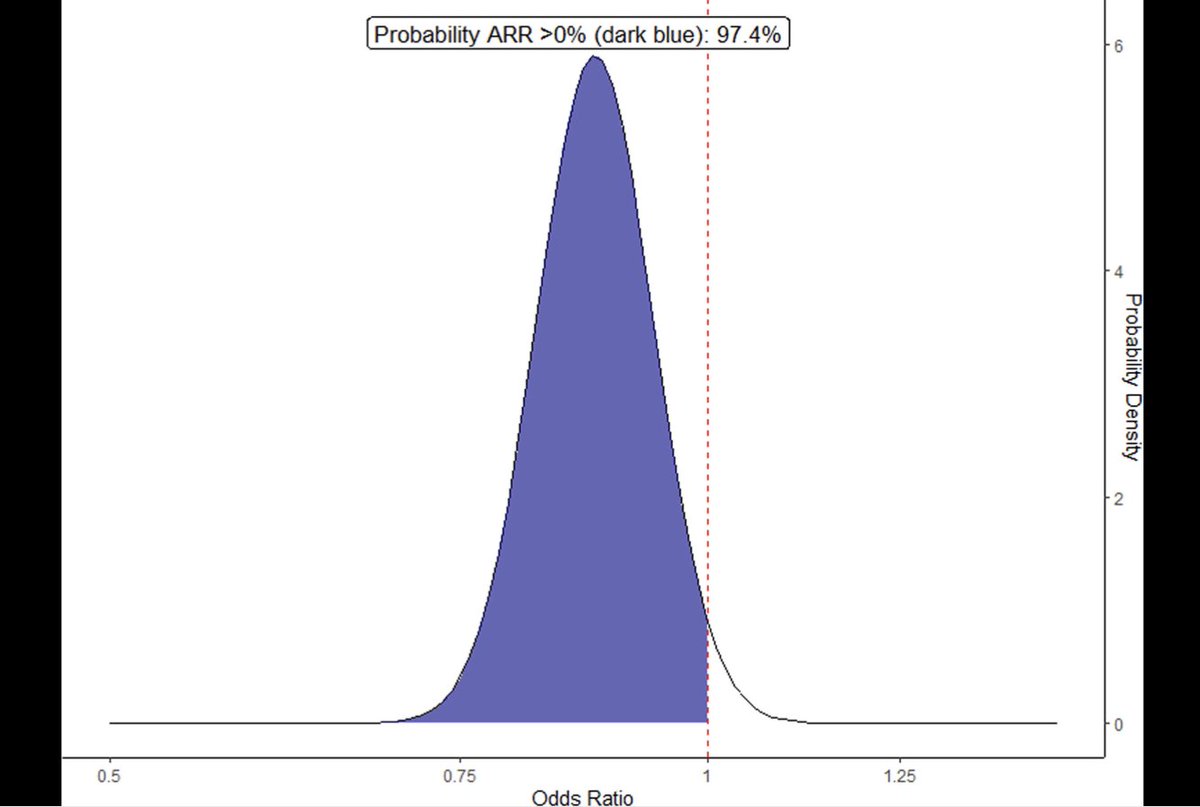
🎯Our Bayesian meta-analysis shows a 97.4% probability that higher blood pressure targets could increase mortality.
💔This means there's a very high likelihood that aiming for higher BP might be more harmful than beneficial.
4/10
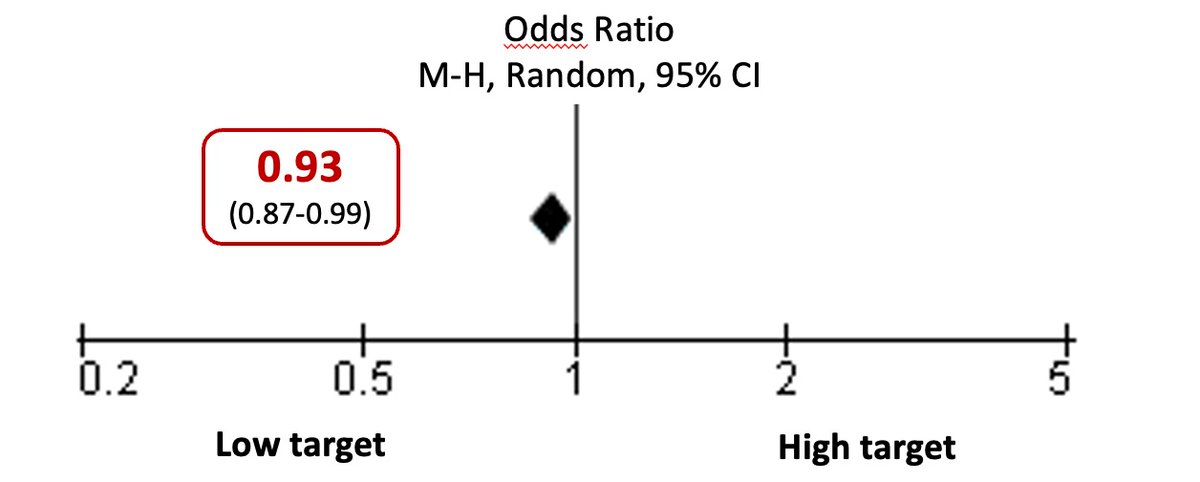
💥Lower BP targets led to reduced mortality compared to higher targets
13.3% vs 14.4%
RR 0.93, 95% CI, 0.87–0.99
p=0.03
This suggests a significant benefit of lower targets.
3/10
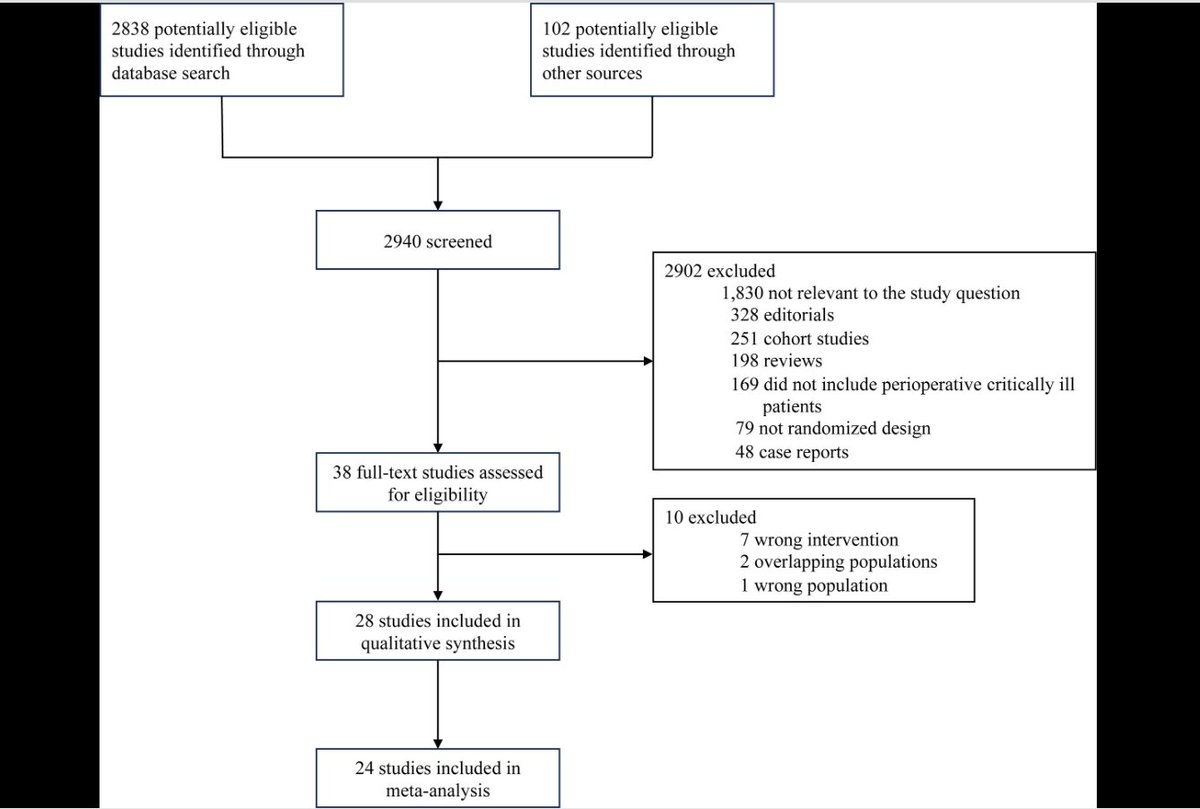
🦣Our meta-analysis is the largest ever on blood pressure management in critically ill and perioperative setting
- 28 RCTs
-15,672 patients
It's the first to include both critically ill and perioperative populations, evaluating each group separately.