Can you spot the flounder in this picture? I nearly missed it while swimming by! These masters of disguise rely on camoflouge to catch unsuspecting prey. #3Cs36
I was happy to see this sign hanging up in a restaurant last night! Reducing plastic use is an easy way to do your part to keep our oceans healthy and clean. #gostrawless#3Cs36
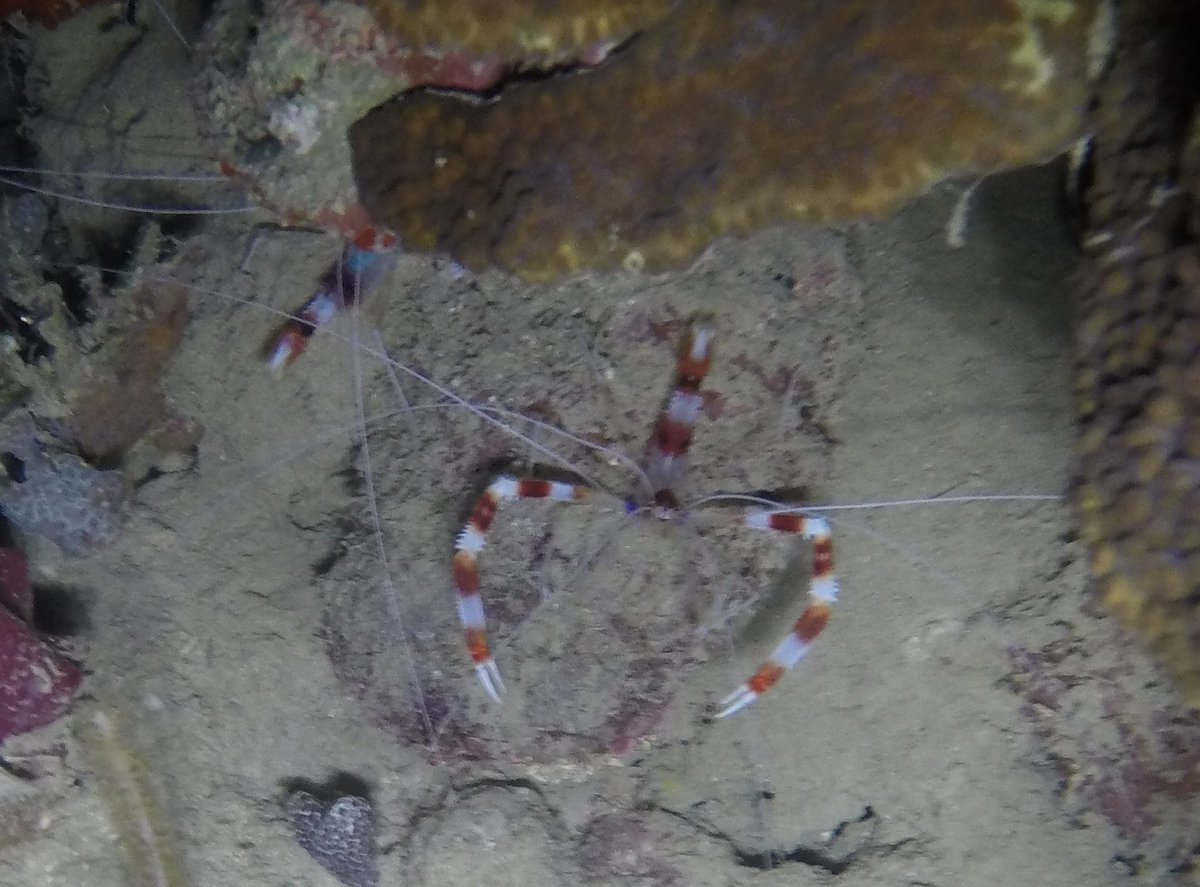
Came across these banded shrimp on a dive last night. These nocturnal feeders are considered cleaner shrimp because they get their meals by picking parasites off of fish. Not a bad deal for either party! #3Cs36
This copepod was collected during an underwater plankton tow this morning. Dye was applied to the contents of the tow to help us differentiate which organisms were alive when captured and which were not. This copepod's red appearance means it was alive upon capture. #3Cs36
A closeup of a lionfish otolith removed from the cranial cavity during dissection. Studying the otolith can help provide important information about these invasive predatory fish, such as age and growth rates. #3Cs36
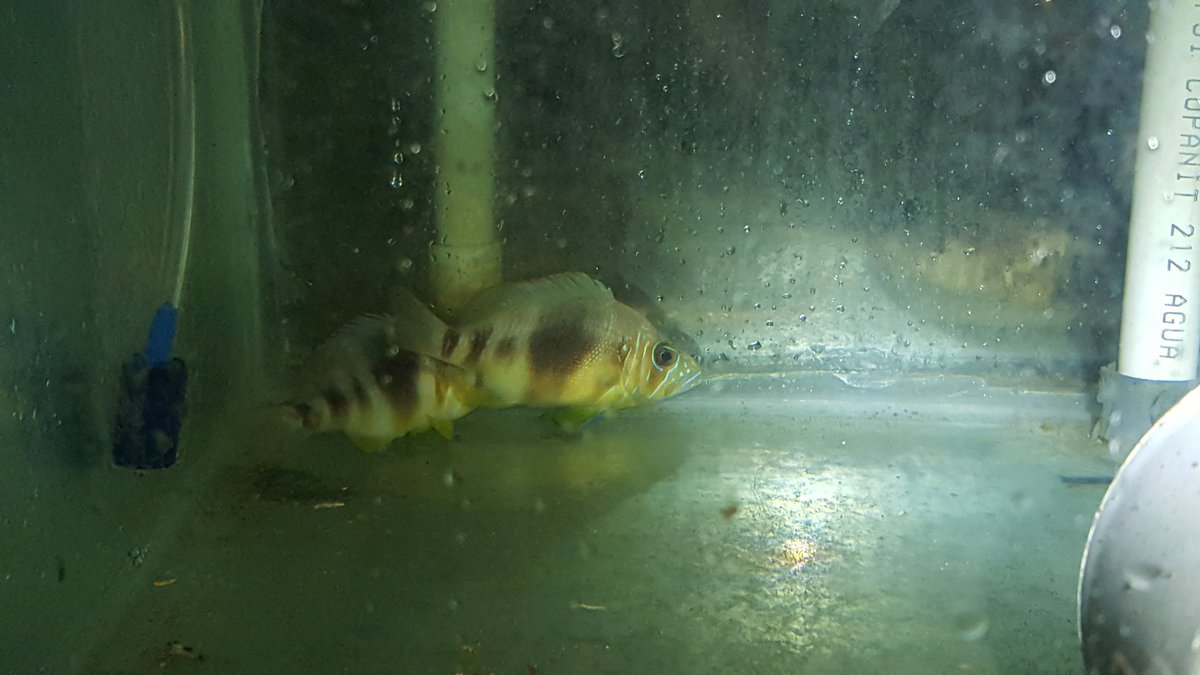
My classmates and I are quite familiar with these Barred hamlets after studying them during an intensive fishes course. We caught these guys with hook and line while SCUBA diving for a class spawning experiment. #3Cs36