A tell I learned to watch for on stretched teams: rework.
Not hours, not mood, not who looks fried. Count the decisions that come back a second time and the work that gets redone.
That number moves long before anyone says they're tired.
When my team was overloaded for months on end, nobody worked less. That was the trap.
The hours held. The judgment didn't. Tradeoffs got sloppier, and calls that never used to reach me started landing on my desk.
We looked busiest right when we were slipping most.
Every brutal sprint my teams survived had one thing in common: an end date.
What broke them was never the hard month. It was the moderate load that never let up.
Took me years to see it. Intensity wasn't the problem. Duration was.
Waiting for the problem above you to get bad enough that leadership has to act is a strategy with a price.
The price lands on your team first: burnout, a missed window, thinned trust.
Bring the cost forward before it arrives that way.
A decision I didn't make, and had to hold in public. Four options: perform conviction I didn't feel, quietly put daylight between me and the call, go silent, or embrace constructive transparency.
I tried all four that year. Only one of them reliably built trust.
When managing up to influence a decision that you don't have the authority to make, put numbers to it: decisions delayed by a certain number of days, the launch will slip by a certain number of weeks. Not as a cynic or a complainer, but as a partner in the outcome.
Managing teams well and managing what's between them are two different jobs. Most leaders only track one.
Seams don't show up in RACI charts and rarely surface until it's too late.
The seams between teams aren't soft infrastructure. They're load-bearing.
#LeadershipDevelopment
Two teams can execute well on their own work and still produce a delivery failure.
Failure often live in what neither team formally owns: the handoff, the dependency, the requirement that got dropped between boundaries.
We often watch teams. How often do we watch the seams?
The loudest signal on a team is usually the wrong one to worry about.
The person who complains is still in it. The one who used to push and went quiet already left, months before the notice.
Silent Exits, this week's pattern:
https://t.co/JAJLbft3yn
I keep relearning this one: when everything is urgent, nothing is strategic. Not choosing is still a choice. It just gets made by inertia instead of by me.
https://t.co/UhEqFqx7l8
I've been posting here about leadership and pressure for a while. I'm starting something more regular: a weekly letter called Pressure Patterns. One recurring pattern of pressure with a few real questions and small moves to try. First issue Thursday: https://t.co/VzP6PhvYl1
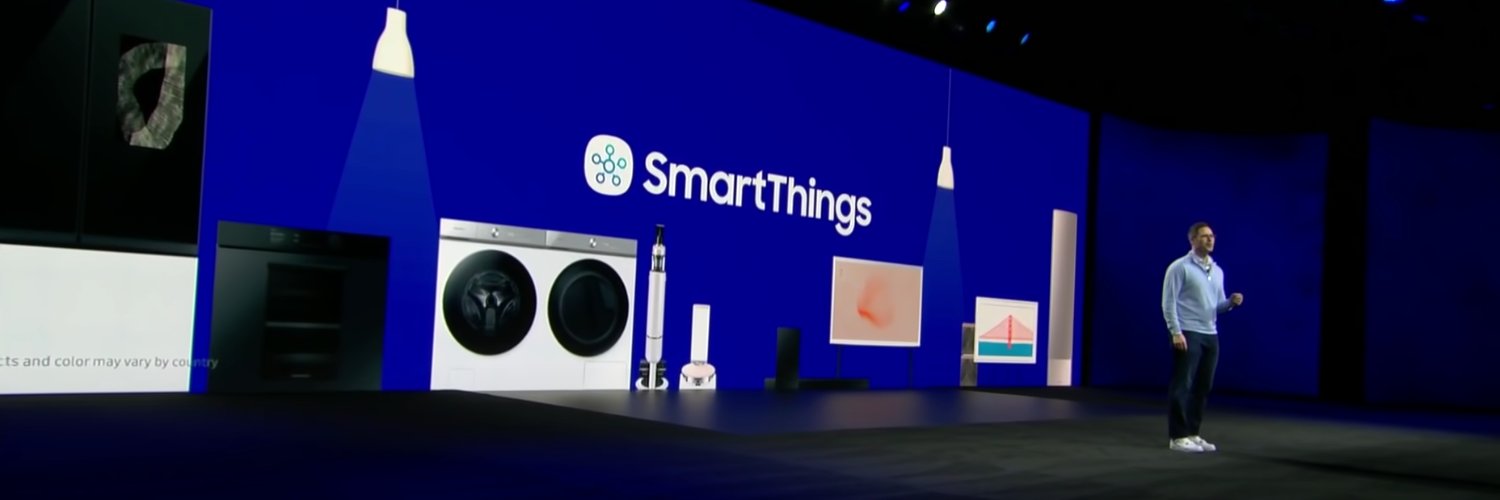
We're expanding the SmartThings Marketplace with partners like Eve Systems, Philips Hue, Google Nest, Aeotec, and Ring. Find compatible devices on https://t.co/miD1Jv34Xd to easily build connected home systems. Explore now: https://t.co/9UtIBaiVqx #SmartHome#IoT
Excited to keep expanding Flex Connect from SmartThings.
It helps utilities and partners coordinate connected devices during peak demand, supporting grid reliability while preserving customer choice and comfort.
https://t.co/eXX2CKZ8CI
#SmartThings#FlexConnect#Energy
The biggest transformation in smart homes today isn't about tech advancements but how tech integrates into our daily lives. As devices merge into lighting, security, sound, and living areas, the emphasis is shifting from features to experiences.
https://t.co/2iqNYYJ6Oo
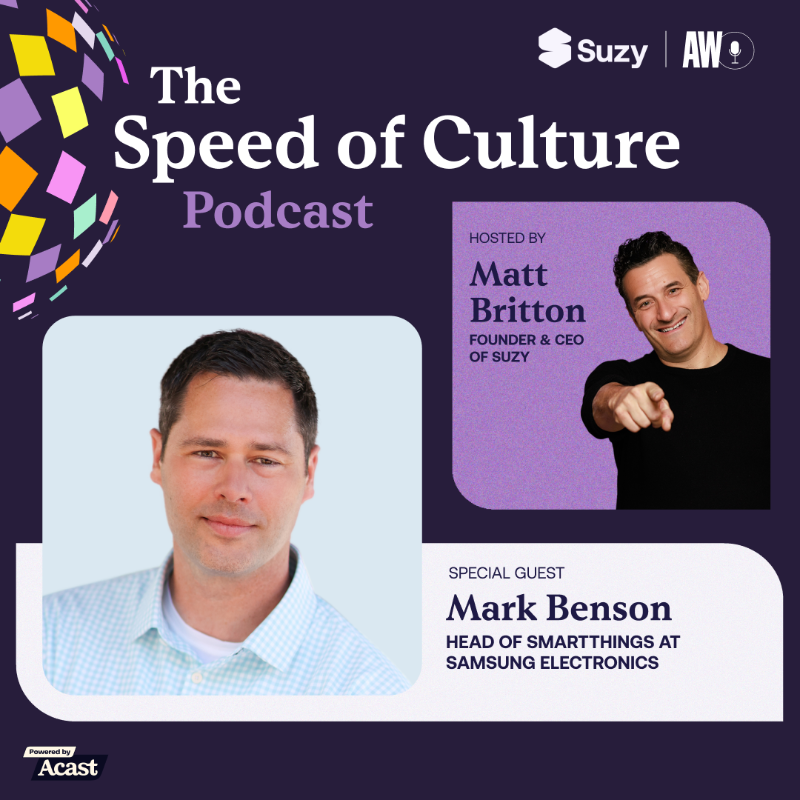
On The Speed of Culture Podcast, @markbenson Head of @SmartThings at @Samsung, reveals how AI, automation, and seamless connectivity are making homes smarter, more intuitive, and easier to manage. 🎧 Tune in now! @Adweek#SpeedofCulture