Science writer, genomics research follower, and endurance athlete pursuing the various paths to better health on the coast of Maine. Views expressed are my own.
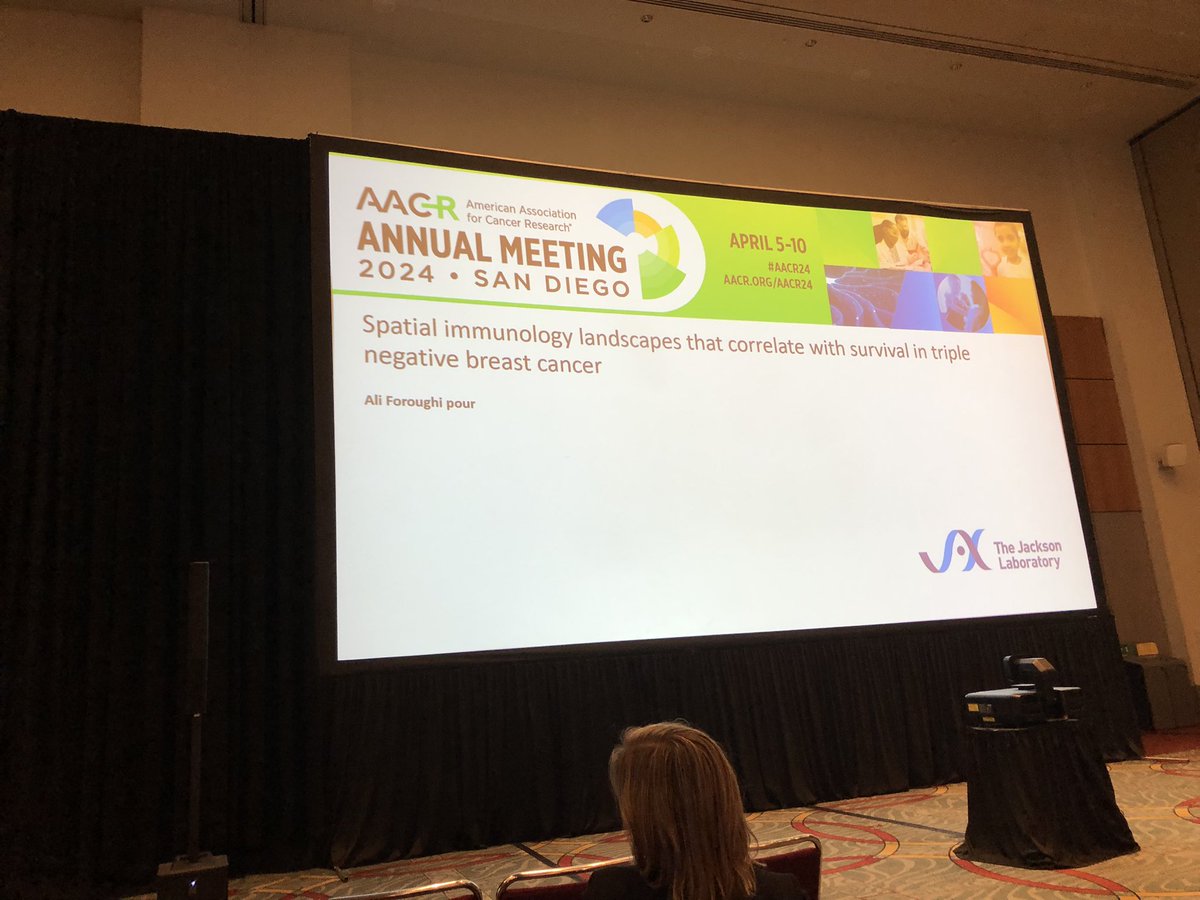
“Spatial” is a big concept at #AACR24, and @jacksonlab’s Ali Foroughi pour shows that spatial relationships between immune cells and TNBC cells within the tumor micro environment can impact patient survival.
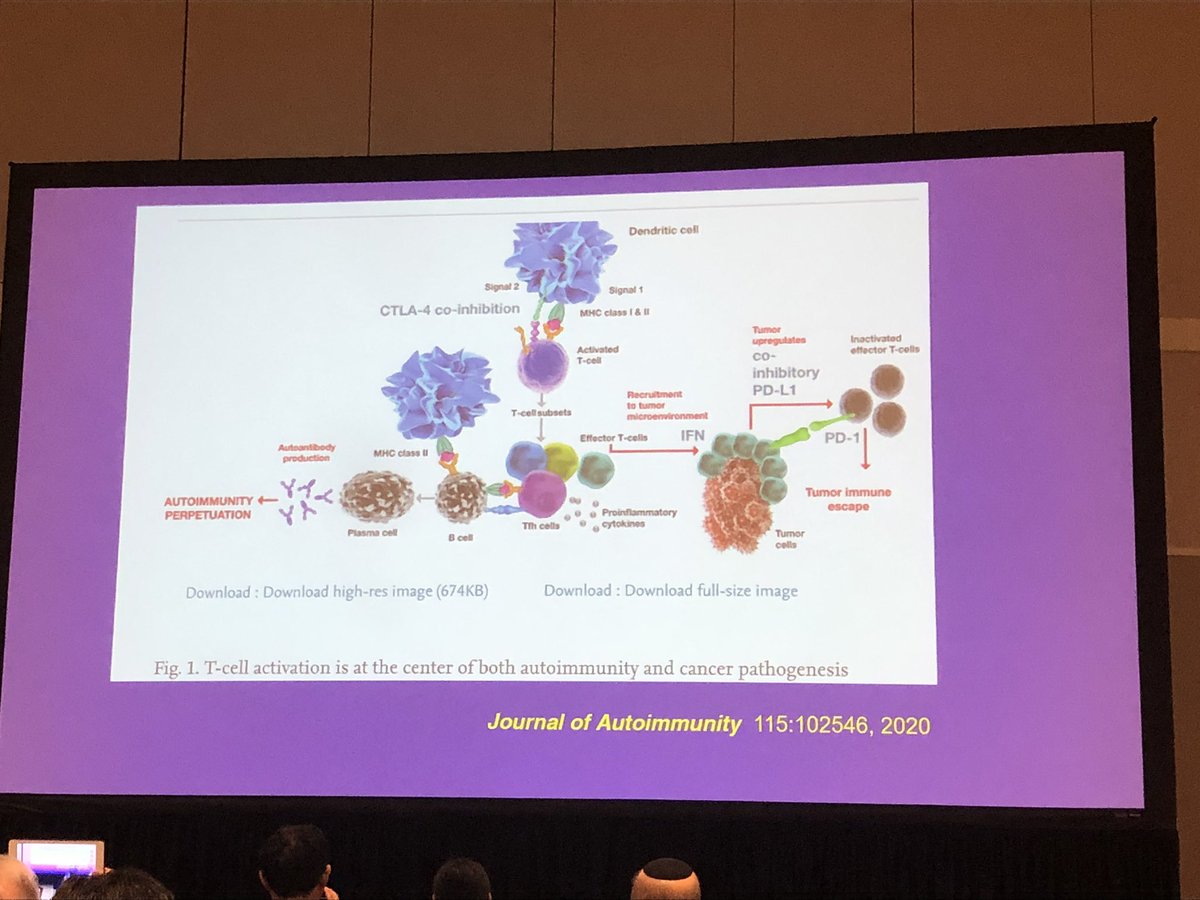
The basic CTLA4 immune checkpoint pathway, presented by its original elucidator and scientific legend Jim Allison at #AACR24. Lots and lots of mouse experiments needed to figure out the checkpoint blockade -> cancer immunotherapy equation. Not @jacksonlab but still cool.
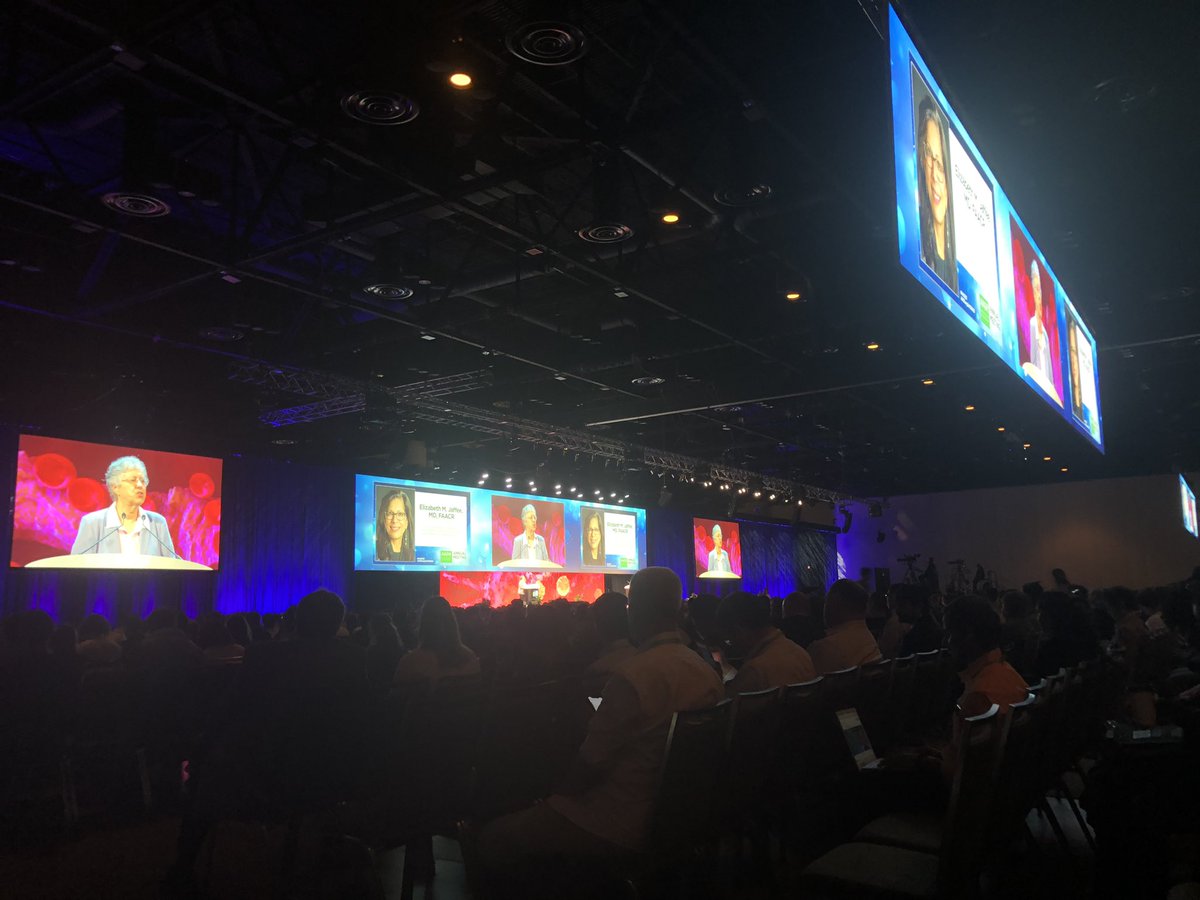
The requisite #AACR24 opening plenary photo. The scope of the meeting is always overwhelming but this year’s theme—Inspiring Science, Fueling Progress, Revolutionizing Care—resonates. Looking forward to diving into as much of the latest research as I can.
Elizabeth Charnysh (center) @jacksonlab discusses her research into voluntary workplace genetic testing and how actionable findings may alter employees’ behavior and/or use of health services. #ASHG23
Aamir Zuberi @jacksonlab#AACR23 discussing developments in genome editing, including new technologies that allow for the insertion of long segments (>100kb) of human DNA to generate humanized mouse models to research gene regulatory elements and human diseases and disorders.
Pille Hallast of @jacksonlab draws a crowd to her poster at #ASHG23 on recent work to completely sequence 43 diverse human Y chromosomes. For more, see https://t.co/C4cePENhsu
Peter Audano @jacksonlab presenting on challenges regarding structural variant breakpoint analyses and how to capture the actual biological processes and consequences. #ASHG23
“There’s no way I thought I’d ever be at AACR23!” @jacksonlab’s Dave Serreze is an expert in T1D genetics, but immunotherapy-induced autoimmune effects in patients has provided a new challenge. He uses mouse models to help tease out the mechanisms. @JAXcancercenter
Today’s plenaries #AACR23 were about advances in immune/tumor interactions and immunotherapies. So much exciting progress. But I didn’t know checkpoint blockades can lead to autoimmune diseases in cancer patients. Important to id those at risk. @jacksonlab
Immunotherapies work, but not yet for enough patients. @PaluckaLab, director of @JAXcancercenter, presents about “humanized” mice, with engrafted human immune cells and human tumors, to research tumor/immune dynamics and improve the situation. #AACR23@jacksonlab
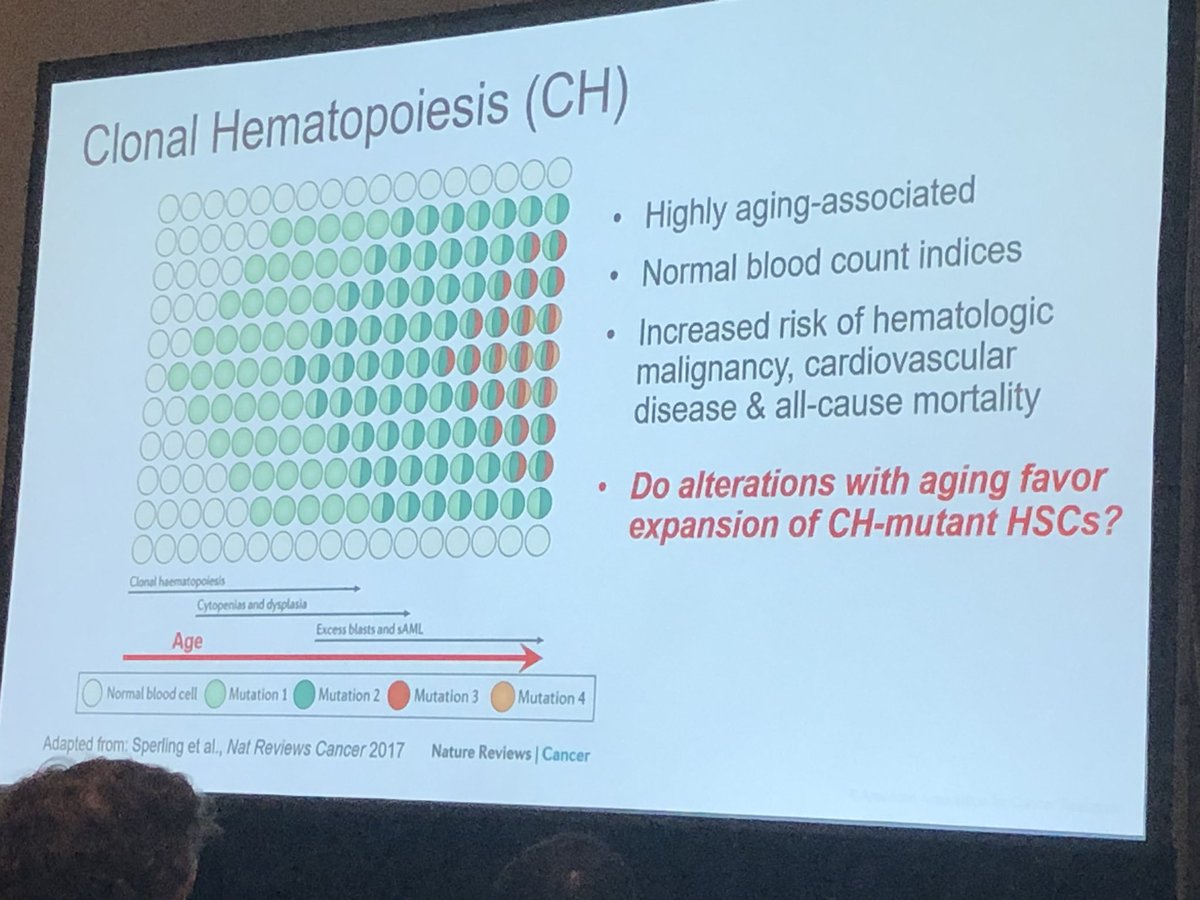
Getting older, so I likely have clonal hematopoiesis (CH) in my blood stem cells. @TrowbridgeLab investigates how CH can, somewhat rarely, progress to leukemia and the roles of the aging bone marrow. The latest at #AACR23@jacksonlab@JAXcancercenter
Cancer cells differ from one another and change over time, including developing therapy resistance, complicating treatment. At #AACR23 Jill Rubinstein is presenting on persistence and resistance signatures in melanoma @jacksonlab@JAXcancercenter
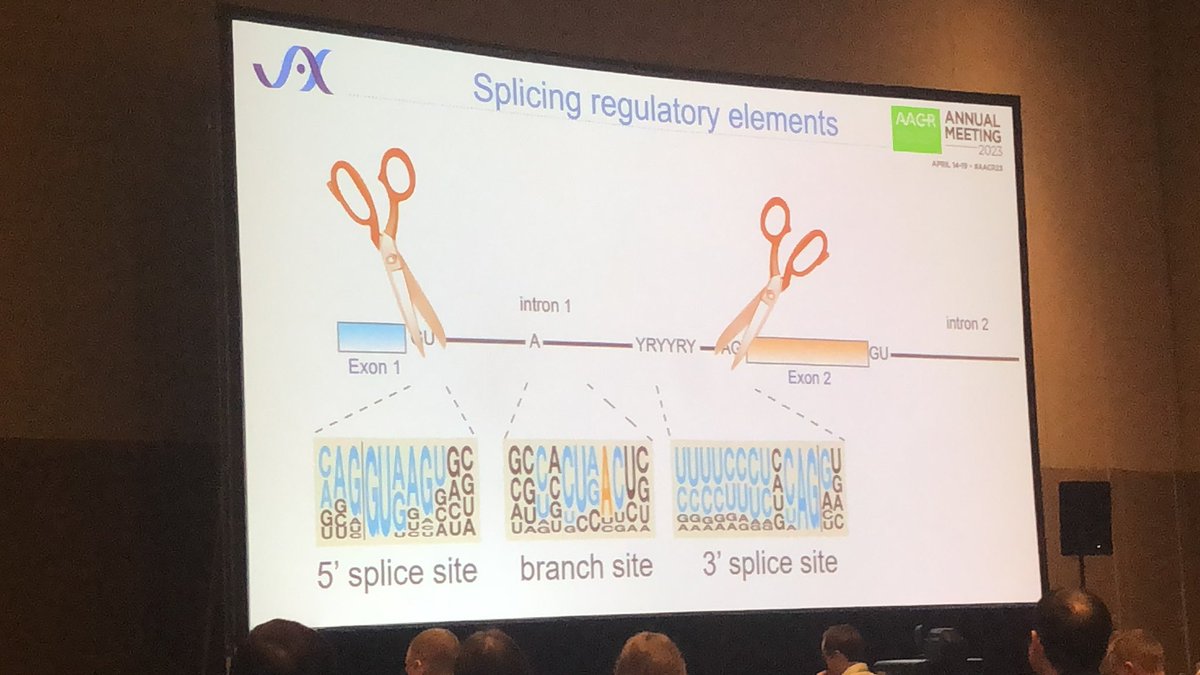
Genes are transcribed to pre-mRNAs, not the final product. RNA splicing disruptions are now implicated in cancer, and @OlgaAnczukow of @jacksonlab researches the mechanisms involved. She is chairing a major symposium and presenting her work at #AACR23. @JAXcancercenter
It’s been 4 long years since I could attend #AACR23. Good to be back to hear about the latest research and try to spot trends. Off to a great start at the opening plenaries.
@aetiology I echo the need to plan your itinerary and book ahead. I live in Bar Harbor and often visit family in the Burlington, VT area, and the last 2 summers have been totally overrun in northern NE.
Paper post embargo but don't yet see it on journal site (Alz & Dementia: Translational Res & Clinical Interventions) yet. Based on preprint: https://t.co/B2TVrG2fBQ I visited the issue 6 years ago after learning I'm heterozygous for APOE4: https://t.co/ZizRo18KQa 2/2
V interesting paper on #APOE, exercise and #Alzheimers disease. Exercise is beneficial, but how and why? Using APOE4/4, APOE3/4 & APOE3/3 mice, @kateeeemily led work in @GHowell_Lab to reveal how APOE genotype & running interact. My writeup: https://t.co/oAJP7Xbo9B 1/2
The recent T2T #genome sequencing achievement and #longread sequencing workshop @jacksonlab got me thinking about current long read research capabilities and potential #clinical applications, e.g. #RareDisease https://t.co/zdQnQrT5rO