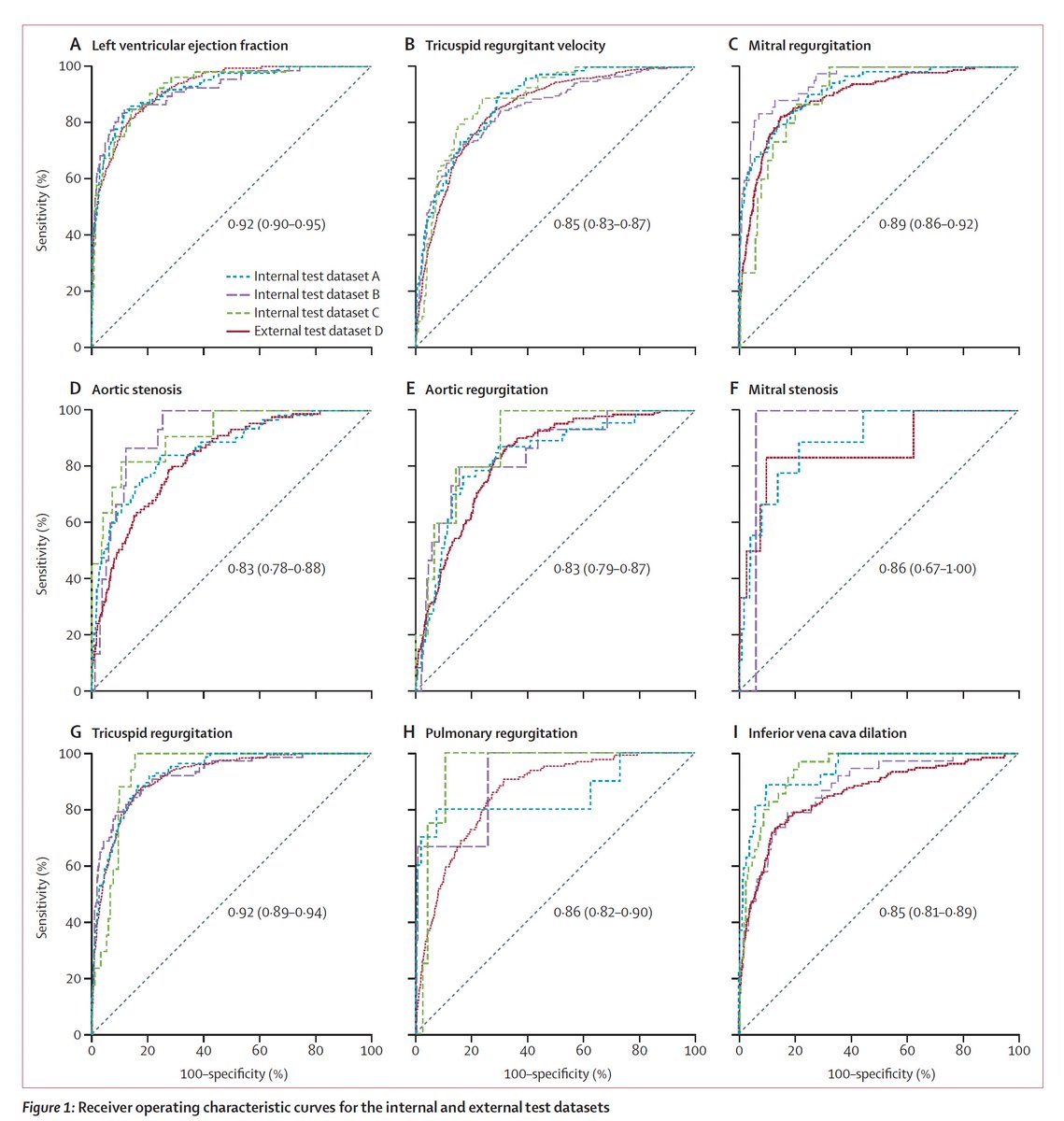
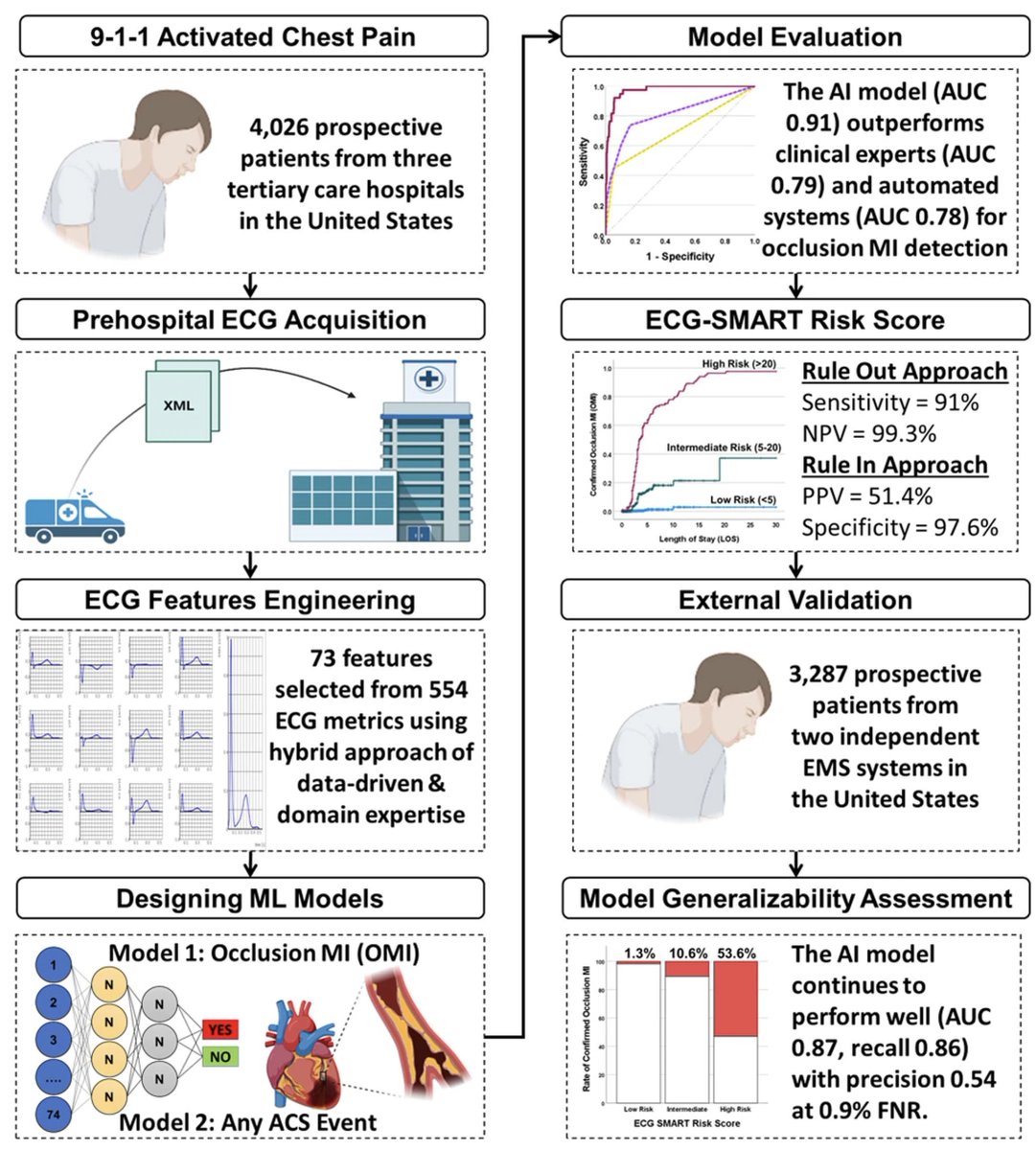
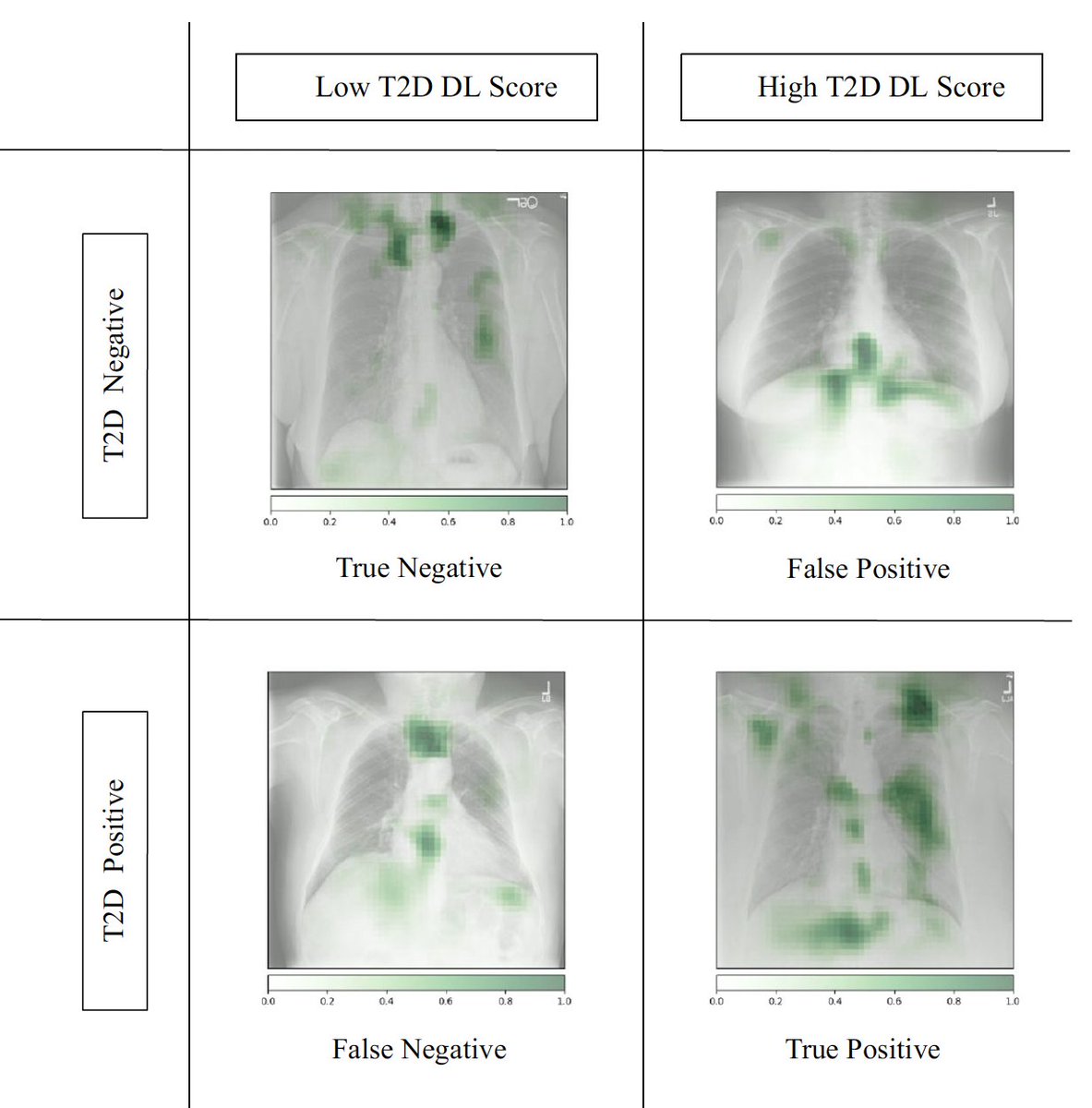
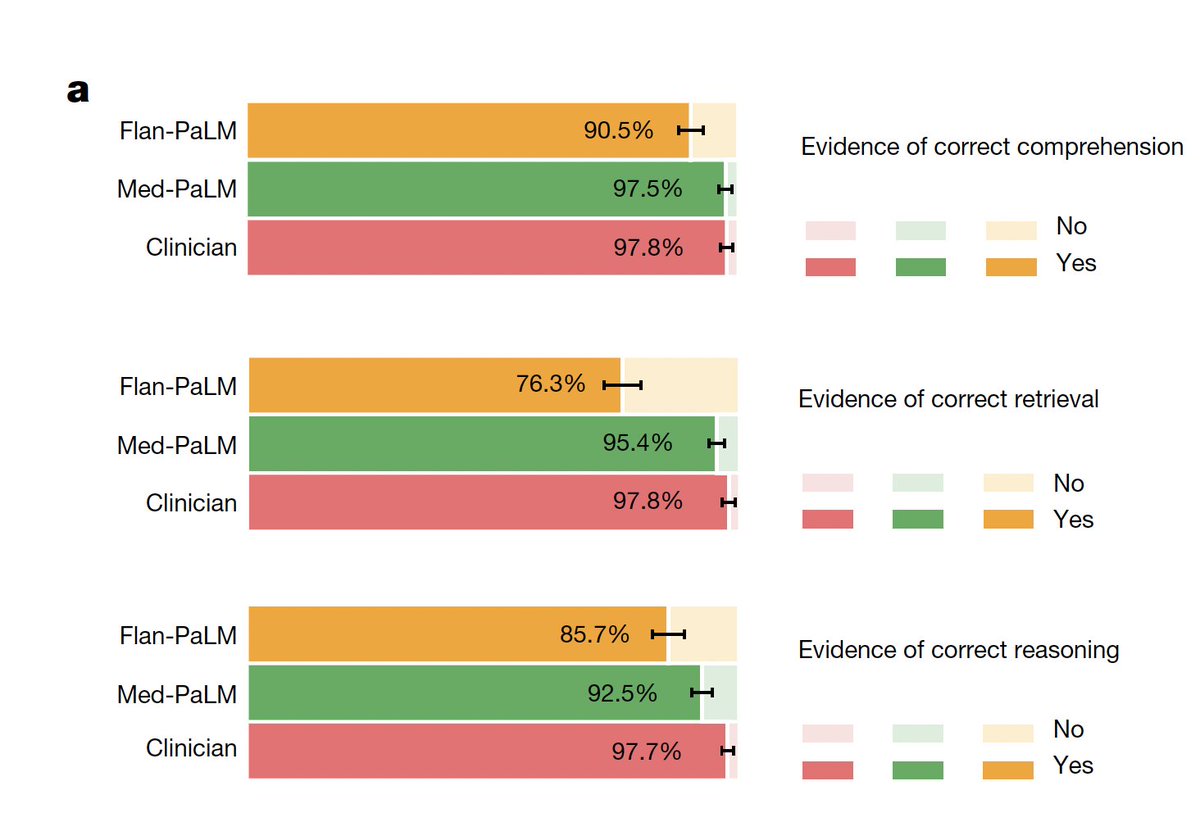
There's been a burst of new medical #AI papers and reports. I've summarized them here and their significance, Part One
https://t.co/XIrDcPhiQI
(N.B. This and any substack post will be algorithmically suppressed by twitter. If you want to know they exist subscribe for free)
@nandangokhale Tough question.
'no obligation' is the crux of the matter (for me). The sender and receiver may have different views, especially based on the hierarchy of their relationship.
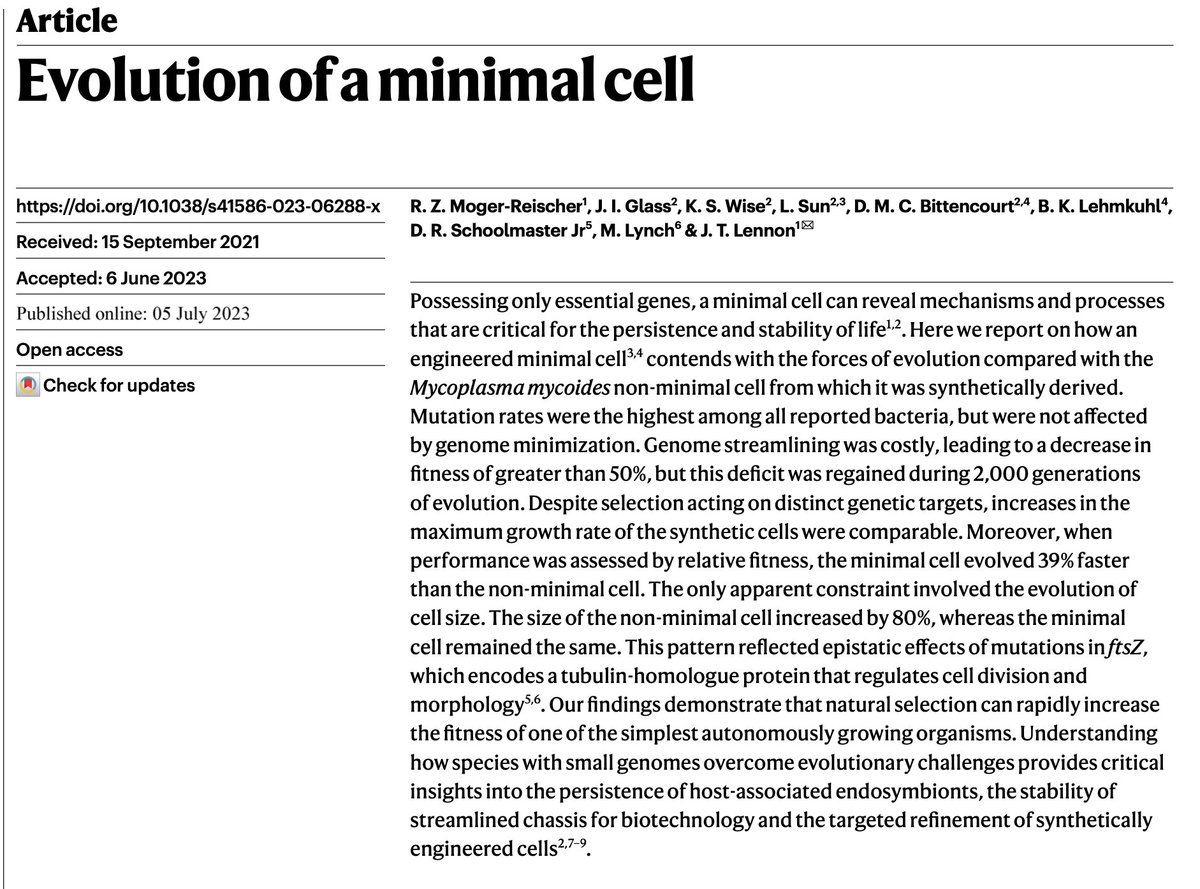
A mind-blowing paper has come out today in @Nature
In 2016, JC Venter Institute scientists trimmed a bacterial genome to its barest minimum required for life to synthesize what they called a "minimal genome" (https://t.co/Rk8oZJ0bUj).
Today, a group of scientists from Indiana University reports how that minimal genome evolved over 2000 generations in comparison to the non-minimal genome.
The authors found that even when you reduce a bacterial genome to its absolute minimum where every nucleotide matters, the genome undergoes mutational events generation after generation as much as the non-minimal genome. One simply cannot stop the evolution.
Just over 300 days of evolution (equivalent to 40,000 years in humans) the minimal cell has gained everything it lacked in fitness on day one in comparison to the non-minimal cell.
When comparing the evolved traits between the minimal and non-minimal cells, the scientists found something striking. The evolutionary process increased the cell size of non-minimal cells but not that of the minimal cell. But that is not the striking part.
The scientists were able to identify the key mutation that resulted in cell size evolution. And it turned out that the mutation that helped the non-minimal cells to grow bigger is the same that helped the minimal cells to stay smaller. Growing bigger had a survival advantage for non-minimal cells and not growing bigger had a survival advantage for minimal cells. So, the mutation had a context-dependent effect. This just demonstrates that the evolutionary effects on traits have no absolute direction. All that matter is what is beneficial for the organism's survival.
The conclusion of the paper is metaphorically a quote from the Jurassic Park movie:
“Listen, if there’s one thing the history of evolution has taught us is that life will not be contained. Life breaks free. It expands to new territories, and it crashes through barriers painfully, maybe even dangerously, but . . . life finds a way". (https://t.co/UlxRlb86CT)
https://t.co/zA9OAqSoAu
Welcome to the wild world of transposons! Mavericks viral-like elements captured and transferred genes across 🪱 species. One transferred gene then evolved into toxin-antitoxin system carried by yet another transposon!
Very cool work by @arburga et al!
https://t.co/8eiD4okIYi
Excited to add another sales development representative to the team: Daryn Daniluk!
A biochem graduate of Bates College, Daryn brings over 20 years of experience. When not working, you can find Daryn running - either on his own, after his chickens, or around with his two kids!
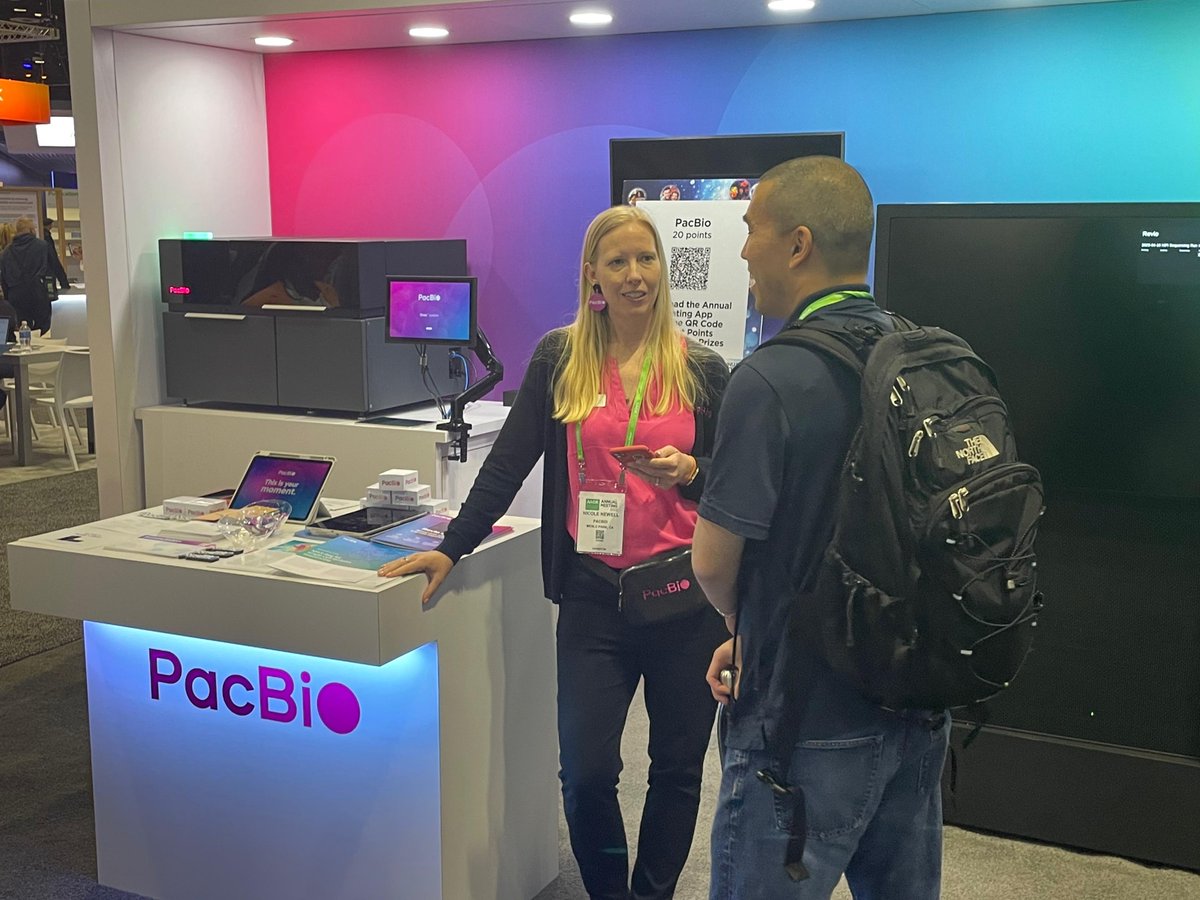
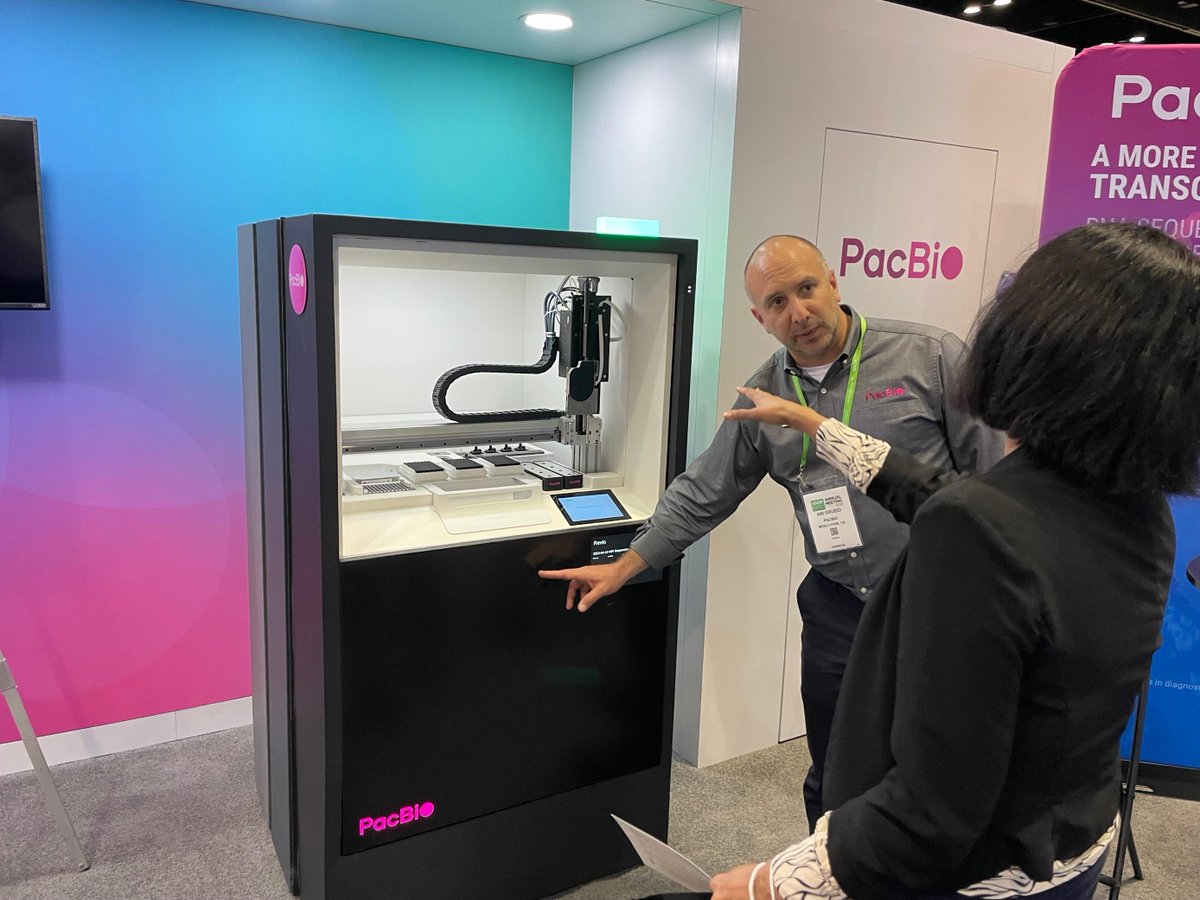
We love seeing all the great conversations happening at our #AACR23 booth! Stop by Booth #958 to chat with #PacBio staff, get all your questions answered, and demo our new #Revio and #Onso sequencing systems live.
🗣️ Breath of science up in UCSF and Pasteur.
French Guyana @PasteurGuyane will be a cornerstone in this project: this is where we will be able to investigate how new pathogens work
- Carla Saleh @SalehLabParis
It's frustrating reading comp bio articles these days because many keep falling into the same pitfalls. Hard to know if the method actually works, or whether they messed up the evaluation. Here are some issues I've seen recently (w/o names):
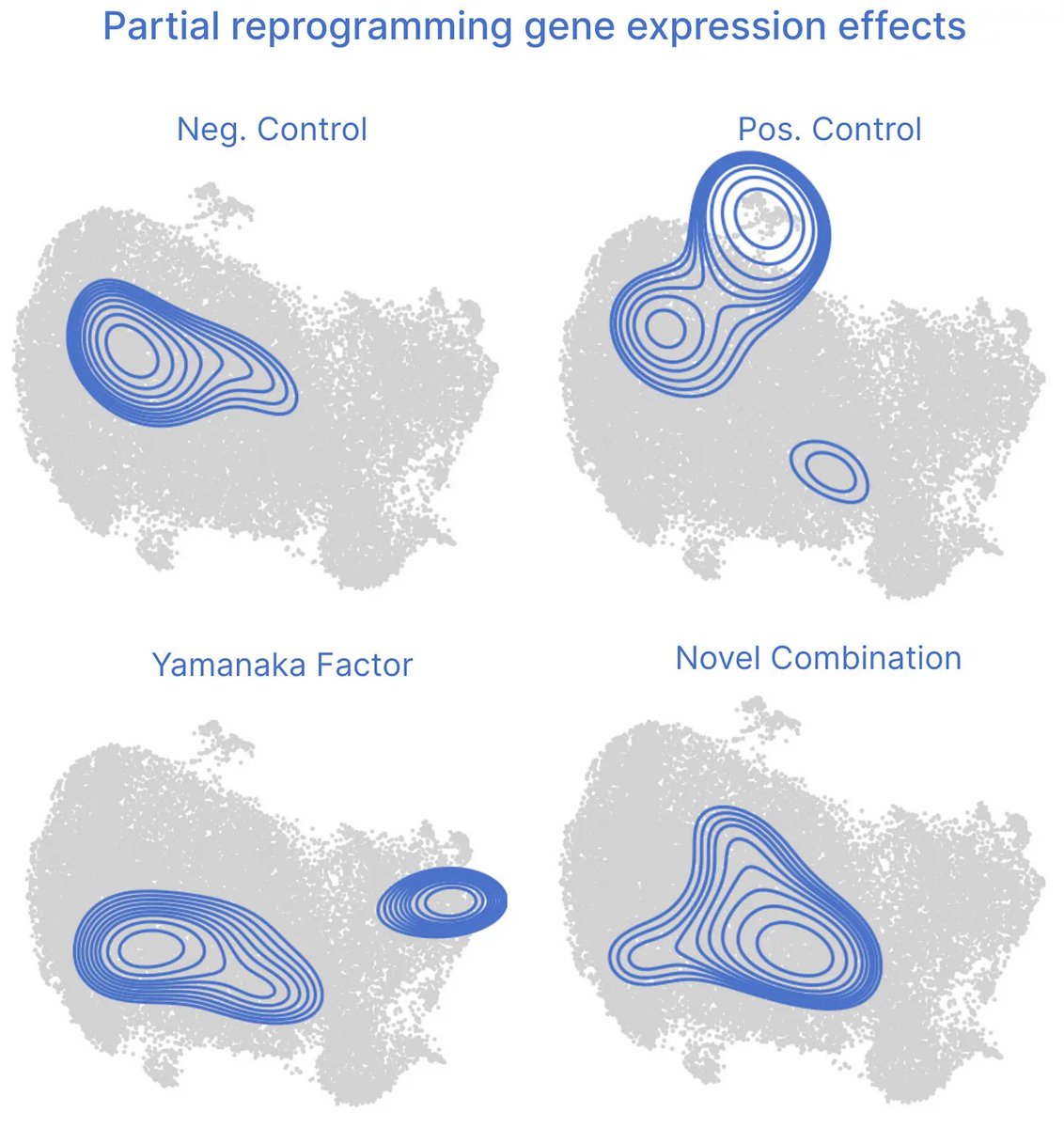
last month @newlimit:
- largest partial reprogramming screen yet
- 50% more TFs to test
- first in silico reprogramming models
this month:
- screens in old donor cells
- library rebuild -- 10X manufacturing efficiency
- automating screen analysis to shorten DBTL loops
Happy to finish 2020 with the publication of our discovery of transgenerational antiviral immunity in drosophila and mosquito! https://t.co/SNKndJXQ2z
It took more than 6 years to cook this beauty! Congratulations to @LabMefistofeles and everybody involved! In a nutshell…(1/8)
The data presented in this preprint are unconvincing and insufficient to claim SARS-CoV-2 is reverse-transcribed and integrated in the human genome. Many have already pointed out the flaws, but here is a summary. 1/n