📚 New publication in Nature on consensus in mitigation scenarios! With the many discussions on the role of fossils during the climate conference #COP28, you may wonder what the science of climate change mitigation can tell us. Below, a thread. https://t.co/Jtk4qrnn4X
@simonfrans@cees_dekker@mark Helemaal eens. Regionale dynamiek, ook op sociaal vlak, is niet altijd makkelijk te vangen in mondiale modellen, al zijn belangrijke aspecten zeker meegenomen. Maar voor transitievragen over Gelderland zou ik je verwijzen naar andere typen modellen, zonder mondiale bril.
@cees_dekker@simonfrans@mark Zie bijv. https://t.co/UZ0KPiKVTn . Dit type onderzoek wordt zeker gedaan, en (zoveel mogelijk) vertaald naar onze modellen.
@cees_dekker@simonfrans@mark Dank! Geografische verschillen voor bijv. hernieuwbare energie worden in een zekere mate meegenomen in dit type modellen. Maar vaak wel geaggregeerd. De complexiteit van deze modellen maakt het lastig om lokaal te werken. In hoeverre dat uitmaakt is een mooi onderzoek op zich!
📚 New publication in Nature on consensus in mitigation scenarios! With the many discussions on the role of fossils during the climate conference #COP28, you may wonder what the science of climate change mitigation can tell us. Below, a thread. https://t.co/Jtk4qrnn4X
The findings above can be used for formulating research agendas. It is crucial for any user of mitigation scenarios - both academic and public - to be aware of these varying degrees of robustness in current mitigation literature.
Connect with ELEVATE at #COP28!🌍 Join us in exploring beyond the Global Stocktake to shape feasible and just transitions, looking into pathways towards net-zero, and investigating system transformations necessary to limit warming to 1.5 °C.
🔗 Details at https://t.co/aqKbghq3hQ
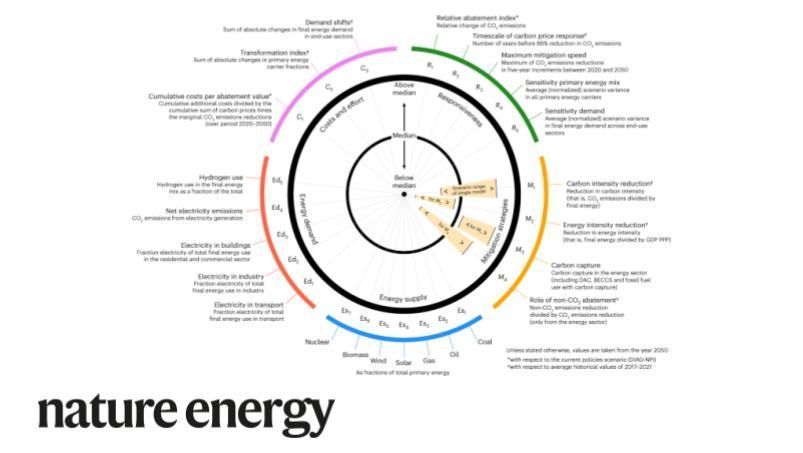
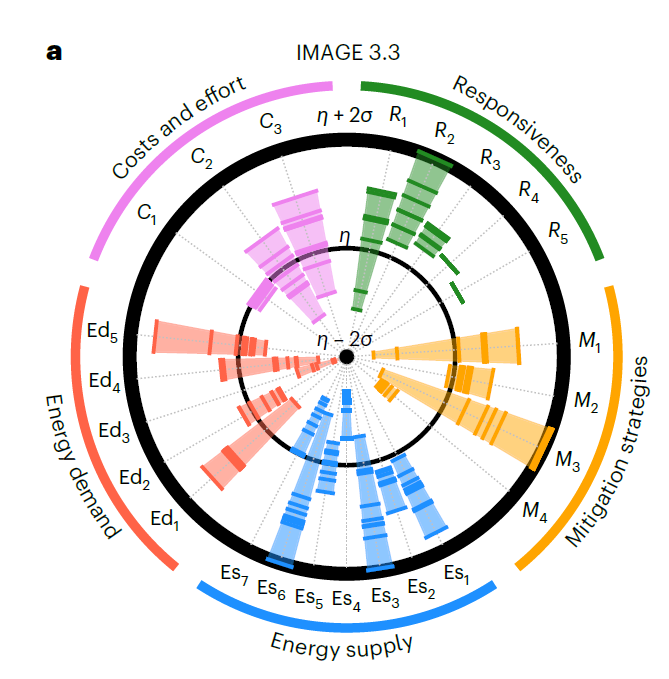
Thanks @YangOu363 for your thoughts on decoding energy model variations in @NatureEnergyJnl (https://t.co/XxgOVW2lO1), discussing our recent paper on energy model fingerprints. Your suggestion to extend the diagnostics to also include water and land is a good next step.
.@MarkMDekker and colleagues present a typology for energy models to map model differences, which may help in understanding their potential for studying mitigation strategies. @vassican, @DetlefvanVuuren, @RobertPietzcker, @ECEMF_2020 https://t.co/4UnH6L6kR0
📢 We’ve just unveiled an innovative tool to decode complex energy and climate models. 🌍 Let's dive into the latest @NatureEnergyJnl paper from ECEMF led by @MarkMDekker (1/7)
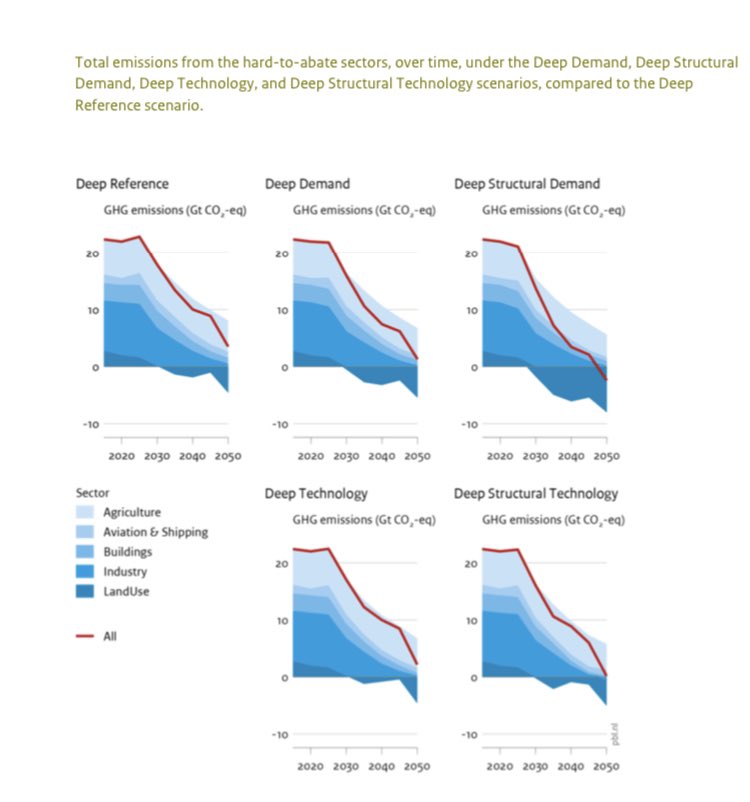
⚠️🌎New report out! 🌍
In Mitigating Greenhouse Gas Emissions in Hard-to-abate Sectors, we developed scenarios to explore deep emission reductions in the sectors where mitigation is most difficult.
https://t.co/aaPtmgo2mx
@nlenvironagency @UUCopernicus
We came to Glasgow following a path to Disaster (2.7°C). We leave Glasgow on a path to Danger (just below 2°C). Road from Glasgow is more action, more ambition, on finance, equity, 50% targets for 2030 & net-zero by 2050, and nature climate solutions. https://t.co/fdiY7KDaI5
Tussen alle (begrijpelijk) negatieve berichten over #COP26 mag het onderstaande ook gezegd worden: er zijn stappen gezet. O.a. in het Paris Rulebook en een nieuwe referentie over kolen en FF.
Hopelijk niet 'too little too late'. Op naar verdere stappen volgend jaar!
Glasgow Climate Pact:
-Paris Rulebook complete
-strengthen targets sooner
-2030 ambition process
-1st ref to coal & fossil fuel subsidies
-Global Goal on Adaptation prog
-x2 adaptation finance
-Loss & Damage network operationalised
-new💰goal process
-10yr empowerment prog
& more
Is #COP26 enough? No. Did anyone expect it to be enough? I sure didn't; this is a more ambitious effort to work together than anything we humans have ever, ever accomplished. But is it more than we had 2 weeks ago? YES. And there's a lot more to be done; so let's get on with it!