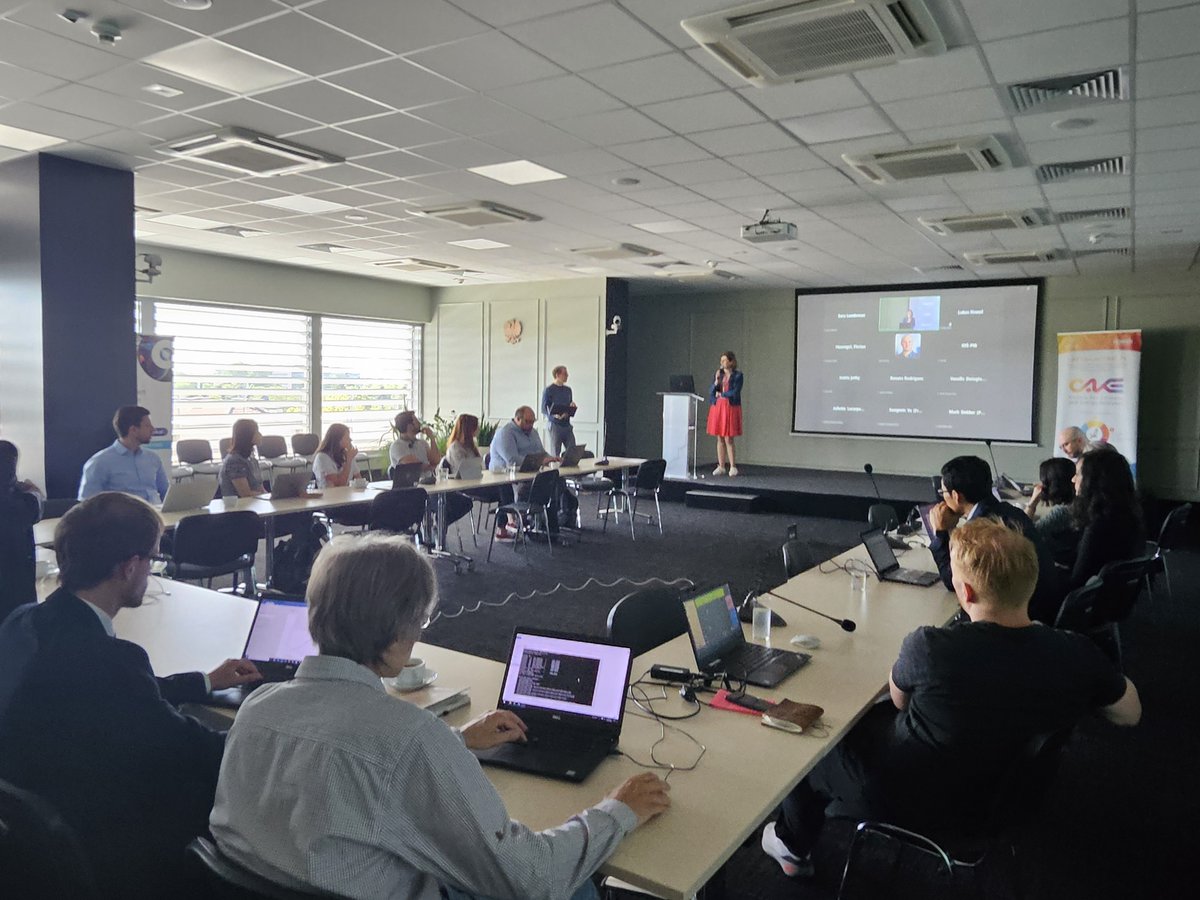
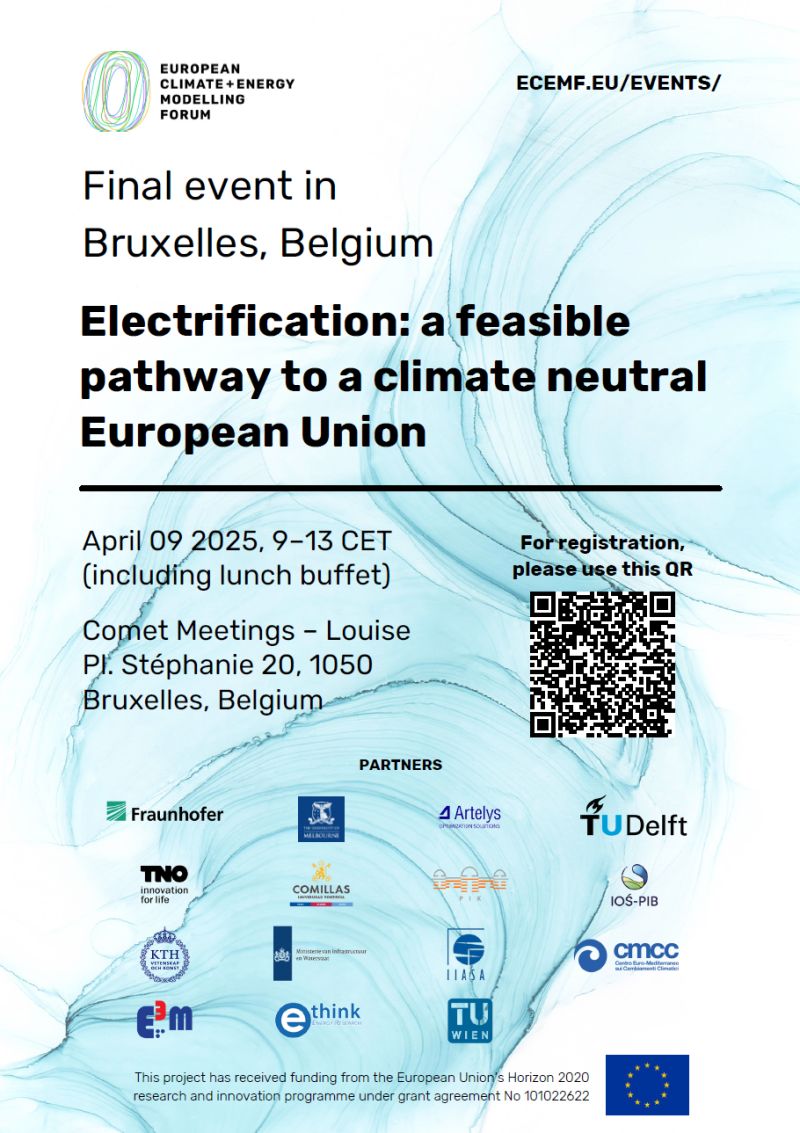
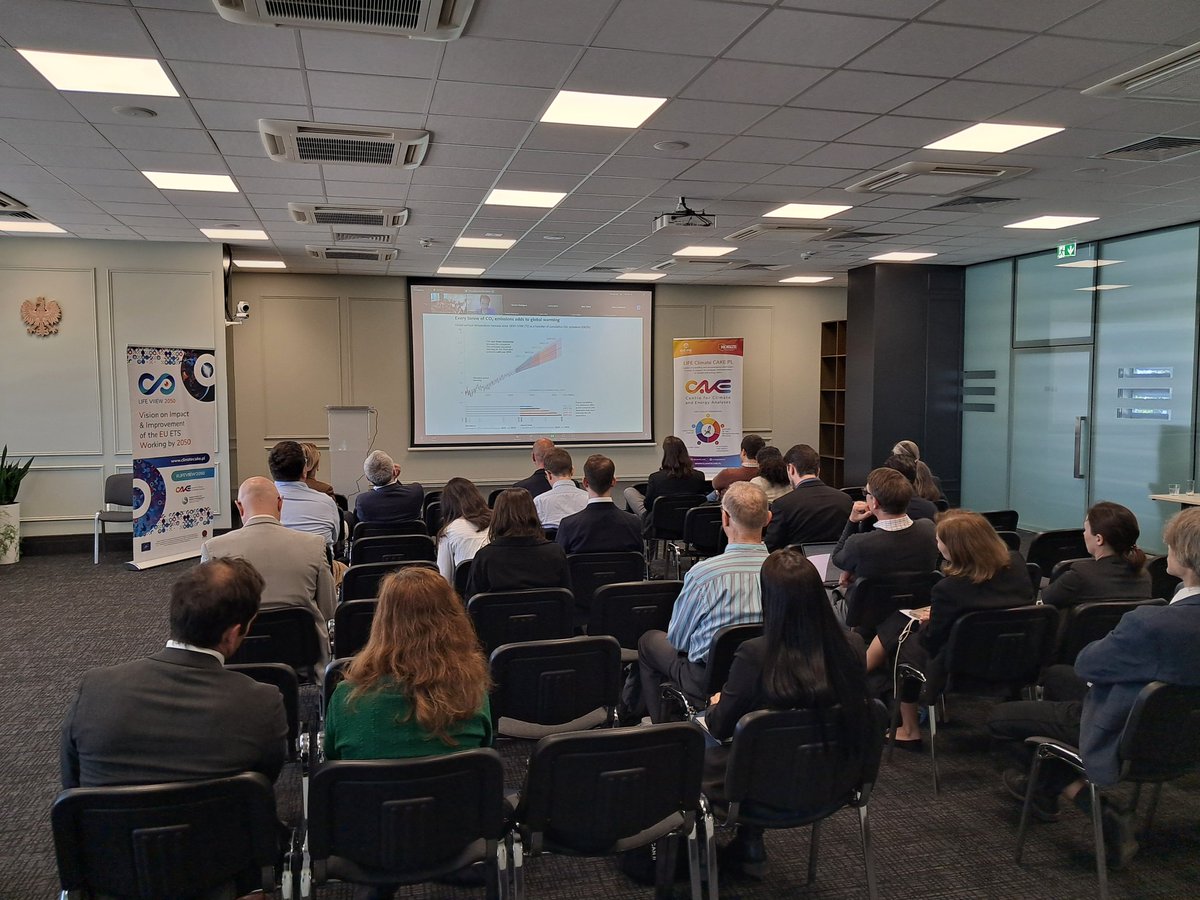
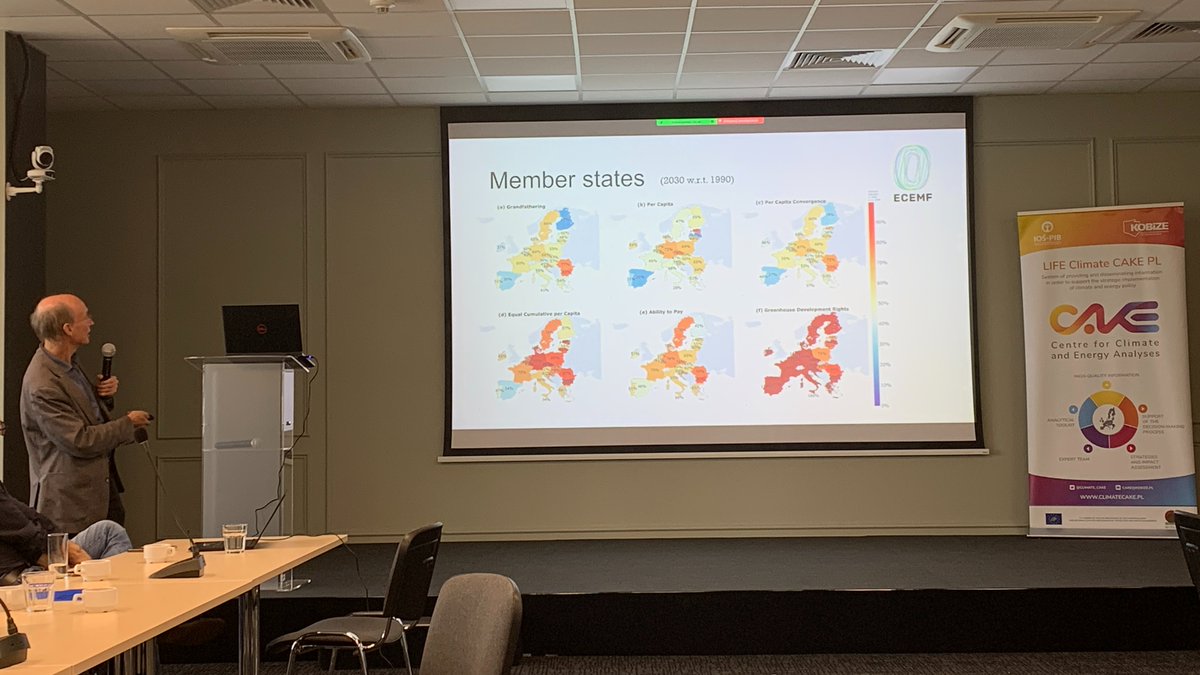
If you missed the final ECEMF workshop we held in Brussels in April, you can now watch the presentations and listen to the panel discussions on the ECEMF YouTube Channel: https://t.co/2cRAiDCGq1
That's a wrap! Thanks to everyone who participated in #ecemp2024 and to this year's co-organisers https://t.co/YzwM4MSIS7, https://t.co/s1CvhLNokN and https://t.co/MRltOCNRxP. Great discussions between the researchers and representatives from @EU_Commission
What a great @ECEMF_2020 workshop with energy & climate modelling scenarios hosted by @climate_cake@RJeszke team! 🔥
A great deal of inspirations for further work of @fundacjainstrat team working on coal phase-out and RES & storage deployment under our PyPSA-PL model 📊
🌎@CLIMATE_CAKE is delighted to host the annual consortium meeting of @ECEMF_2020 -European Climate and Energy Modelling Forum. A great place to exchange experiences and assumptions in the field of modelling of European #energy & #climate policy.
👏Thank you for being in Warsaw.
⬇️Reducing #GHG emissions is key for our fight against #ClimateChange.
#EUFunded researchers can now quantify differences in key energy models used to study emission mitigation.
🌏Taking the fingerprints of energy models will help us achieve our goals👉https://t.co/iLlKGL00aL
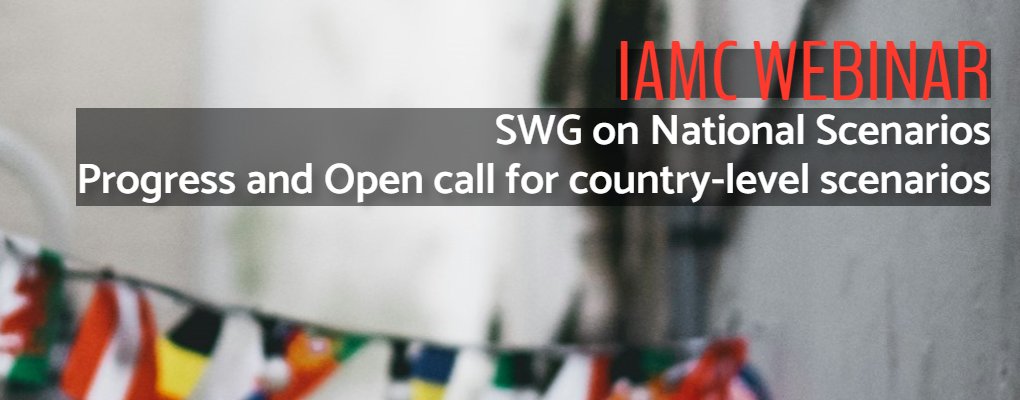
IAMC SWG on National Scenarios opened a call to generate an official database of country-level scenarios to be analysed for inclusion in a study protocol.
This webinar will provide updates on the process
When: TUE 30 JAN 3pm CET
Register: https://t.co/U9iy2x3IUS
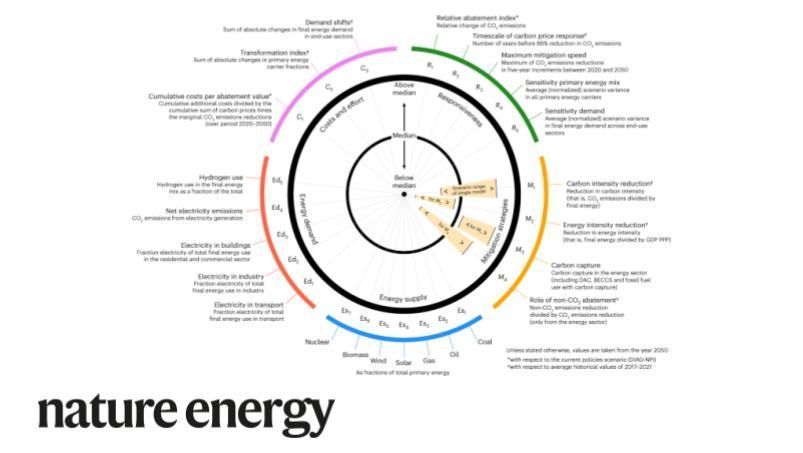
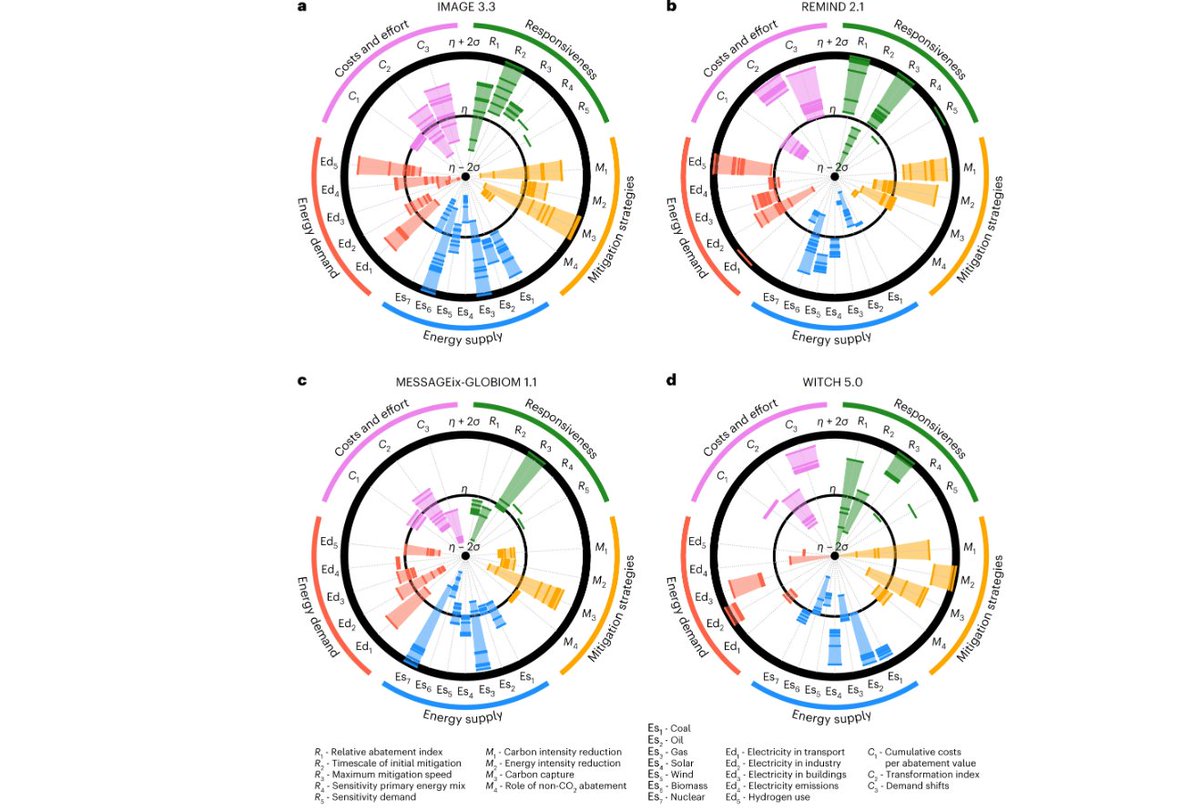
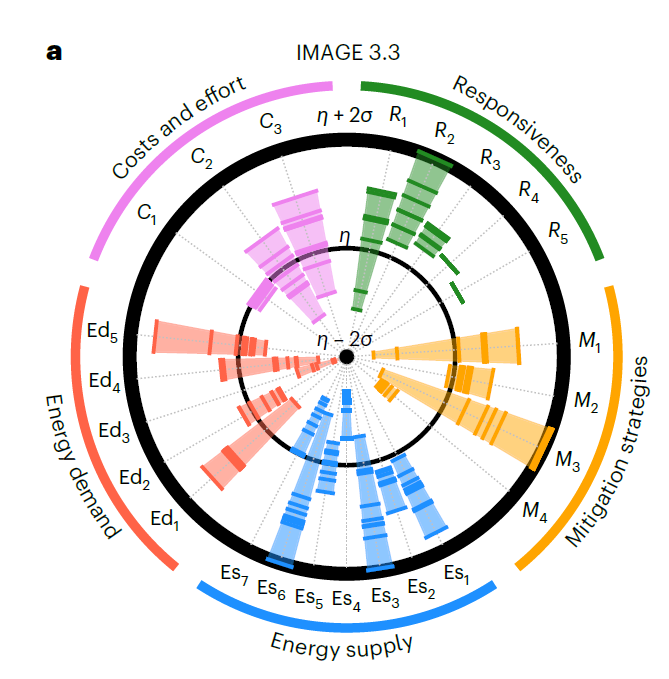
.@MarkMDekker and colleagues present a typology for energy models to map model differences, which may help in understanding their potential for studying mitigation strategies. @vassican, @DetlefvanVuuren, @RobertPietzcker, @ECEMF_2020 https://t.co/4UnH6L6kR0
#JobOpening: How can energy systems be transformed to keep the 1.5°C-goal in reach? We are looking for a Post-Doc or PhD student working with us on the model-based exploration of global energy transformation pathways https://t.co/GQ5CwADoba
Climate policy is often based on complex energy models. In Nature Energy PBL researchers conduct a sort of DNA analysis of these influential models. This allows policy makers and researchers to better contextualize individual model outcomes. Fascinating!
https://t.co/x0a1dP3ua0
“Model fingerprints,” a visual tool simplifying the comprehension of complex models’ key features, has been introduced by a group of European researchers in a recent publication in @NatureEnergyJnl.
Read more: https://t.co/uNda2EGAXz
@ECEMF_2020@EIEEorg @JohannesEmm
📢 We’ve just unveiled an innovative tool to decode complex energy and climate models. 🌍 Let's dive into the latest @NatureEnergyJnl paper from ECEMF led by @MarkMDekker (1/7)