Excited to share my first solo academic publication – ‘The Loci of Power and Connection (LOPAC): a framework for exploring the democratic relationships of civil society organisations’ (CSOs). Open Access with @IGA_Journal thanks to @UTSManagement https://t.co/0h5KxlDZvs 🧵
The husband of antisemitism special envoy Jillian Segal has donated to Advance. Here's what the group's all about. @markriboldi@UTSEngage https://t.co/bXMFlttwsa
🌏ECPS Interview
🎙️ Dr. Mark Riboldi: State Capture Is Hollowing Out Australian Democracy
📌Interview by Selcuk Gultasli
🧭In this sharp and timely interview with ECPS, Dr. Mark Riboldi (@markriboldi) delivers a sobering assessment of corporate influence in Australian politics. He warns that the “closed loop between politics and corporate power” is eroding democratic legitimacy—and insists reforms like transparent ministerial diaries and tighter post-politics employment rules are essential.
🔍 “One of the biggest problems in Australia—and I think it’s the same in other liberal democracies—is the impact of big business on government,” Dr. Riboldi says.
📢 He calls for bold but believable progressive visions, critiques technocratic drift in the Greens, and explores whether Australia’s electoral system can hold off a populist wave:
🧵 “Australia’s institutions are a stopgap, not an antidote.”
🗞️ Read the full interview → https://t.co/ktanyKlHqi
#Populism #Democracy #Australia #StateCapture #Greens #ECPS #CivilSociety #PoliticalReform
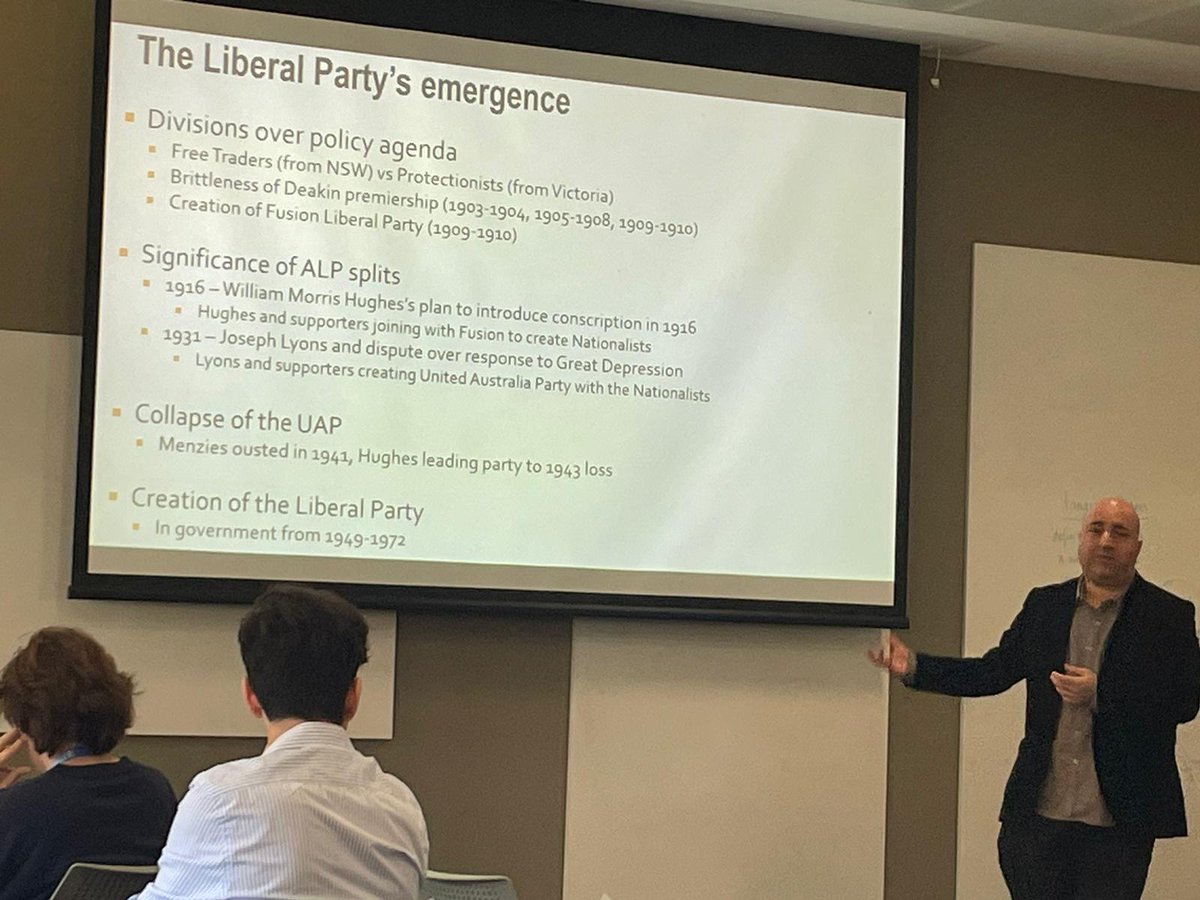
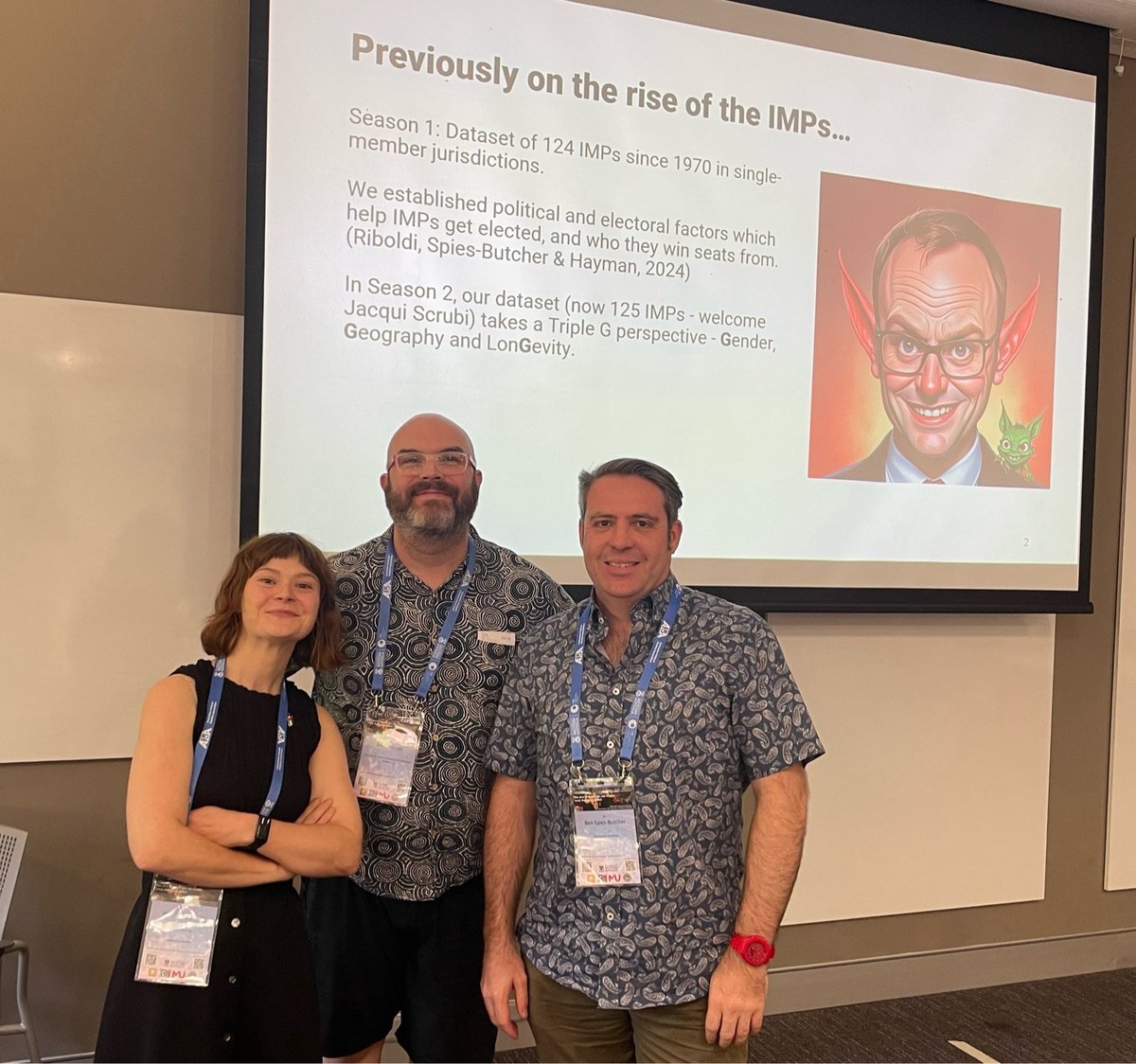
Great to present our latest on the rise of Australian independent and minor party MPs (aka IMPs 😈) with the incredible @markriboldi and @bspiesbutcher at #apsa2024.
If you missed it, the first article from this project is here https://t.co/mhfv7xYEdV
@POPpoliticsAus
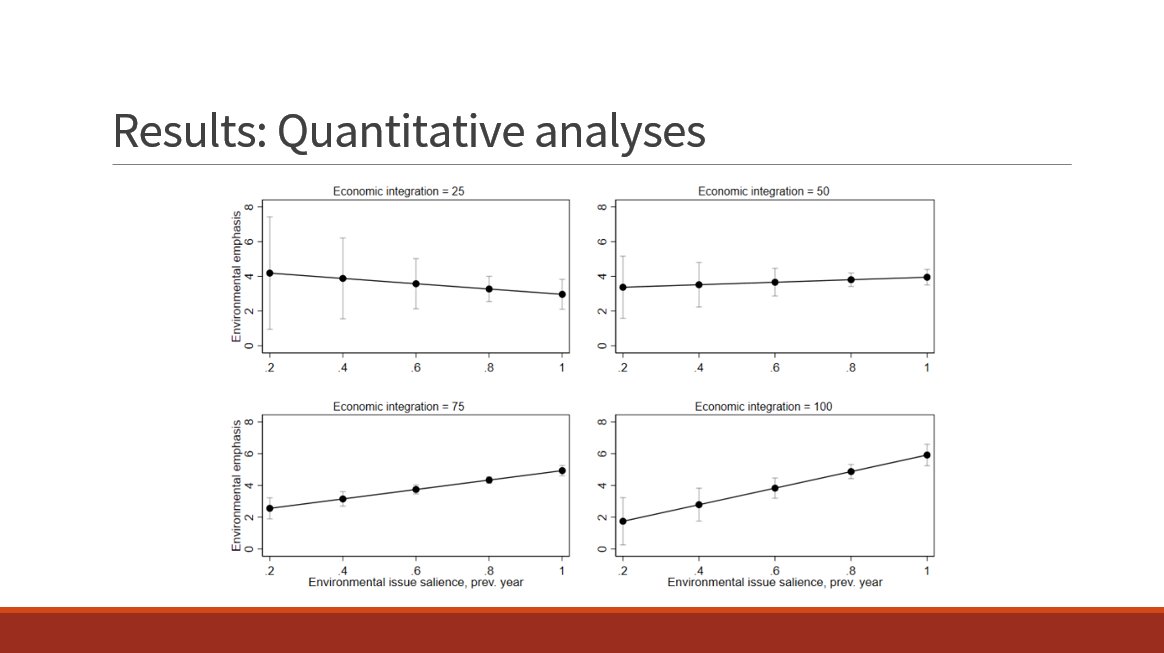
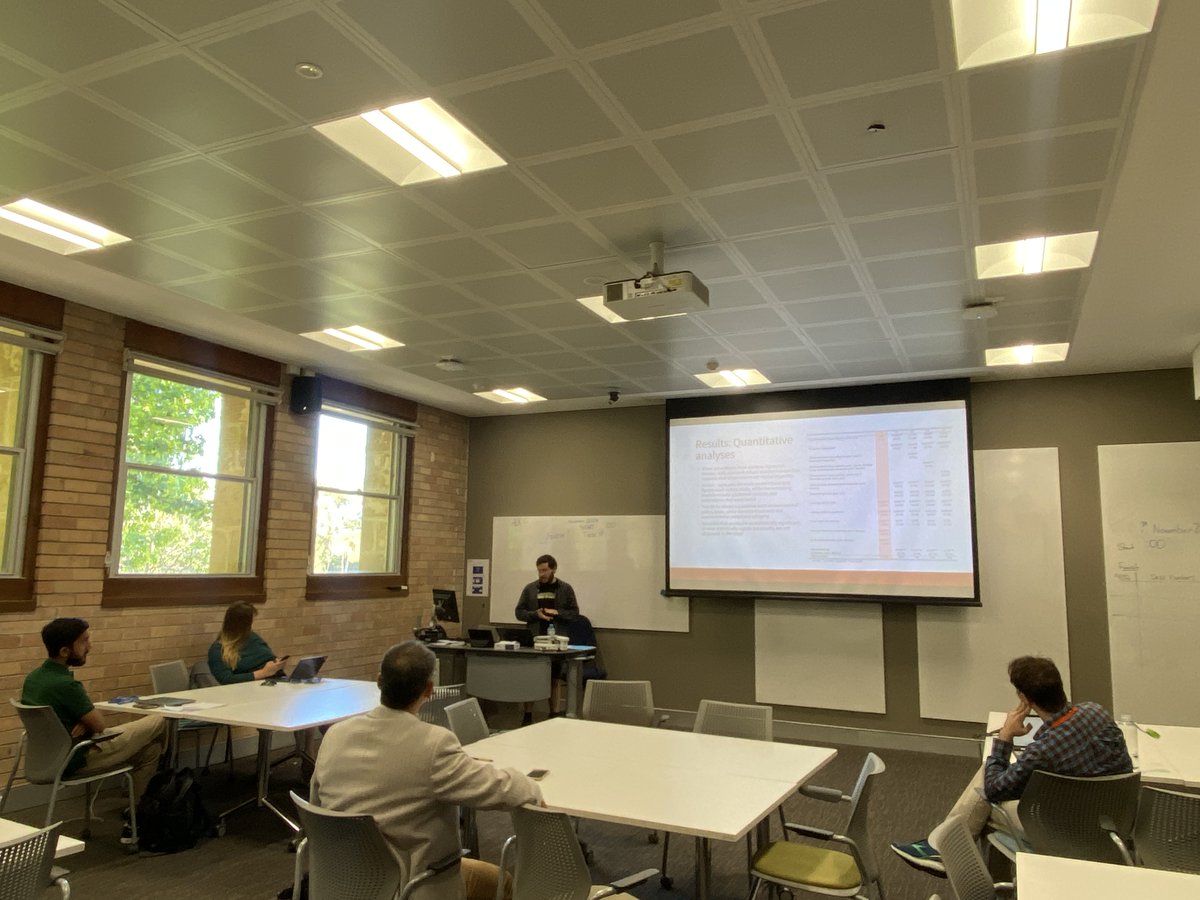
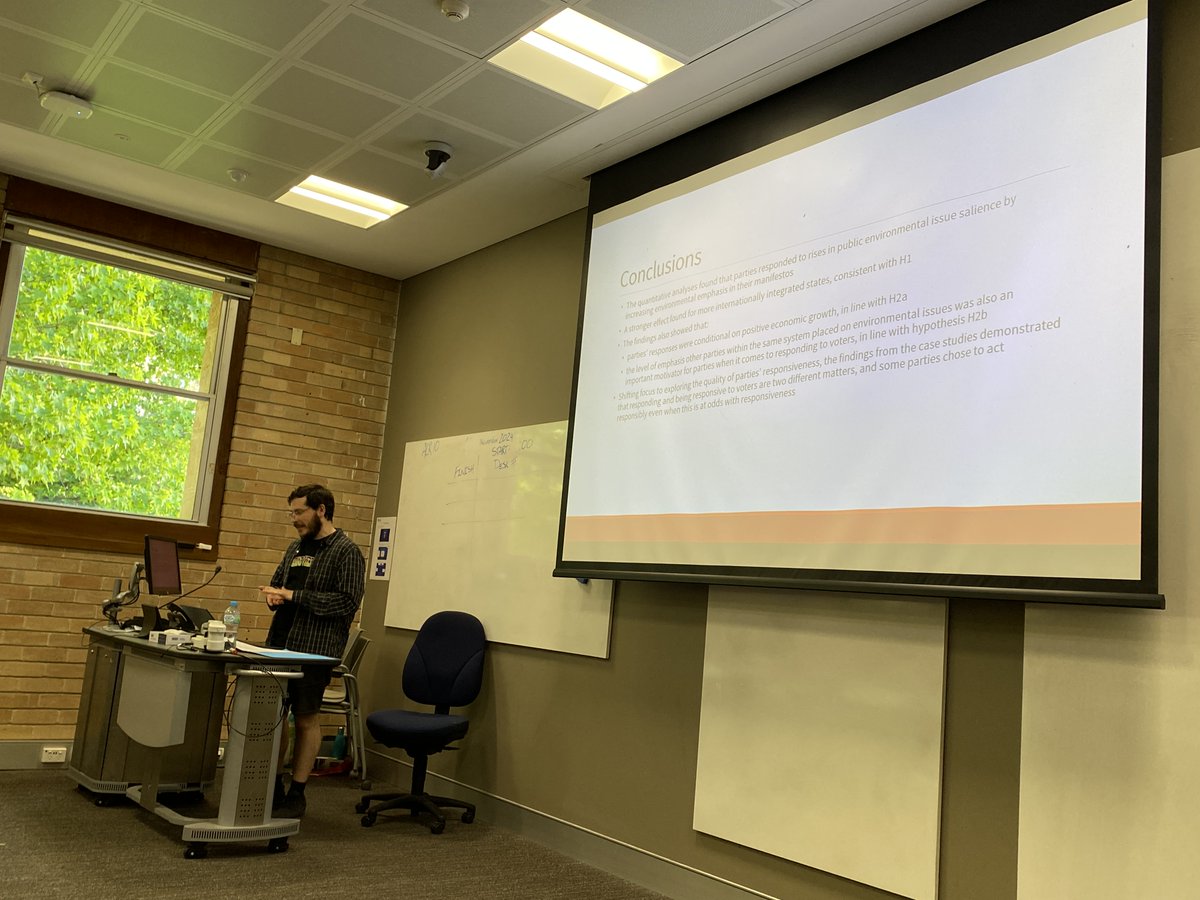
How do global factors shape party responses to voters' environmental concerns? @NathanFioritti's #research on 32 states (1973-2017) shows internationalisation boosts responsiveness when economic conditions are positive, but a gap remains. Case studies from 🇦🇺🇳🇿��🇧 at #AusPSA2024
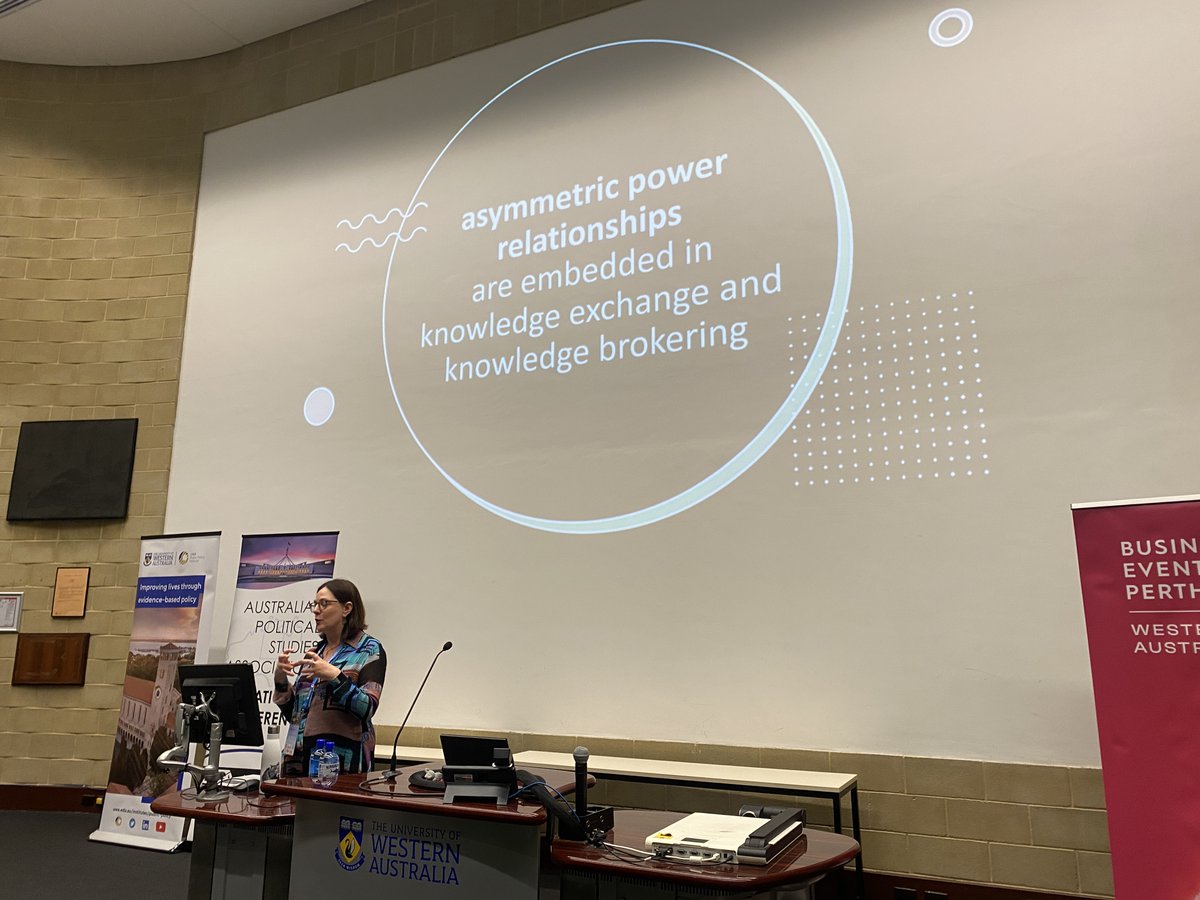
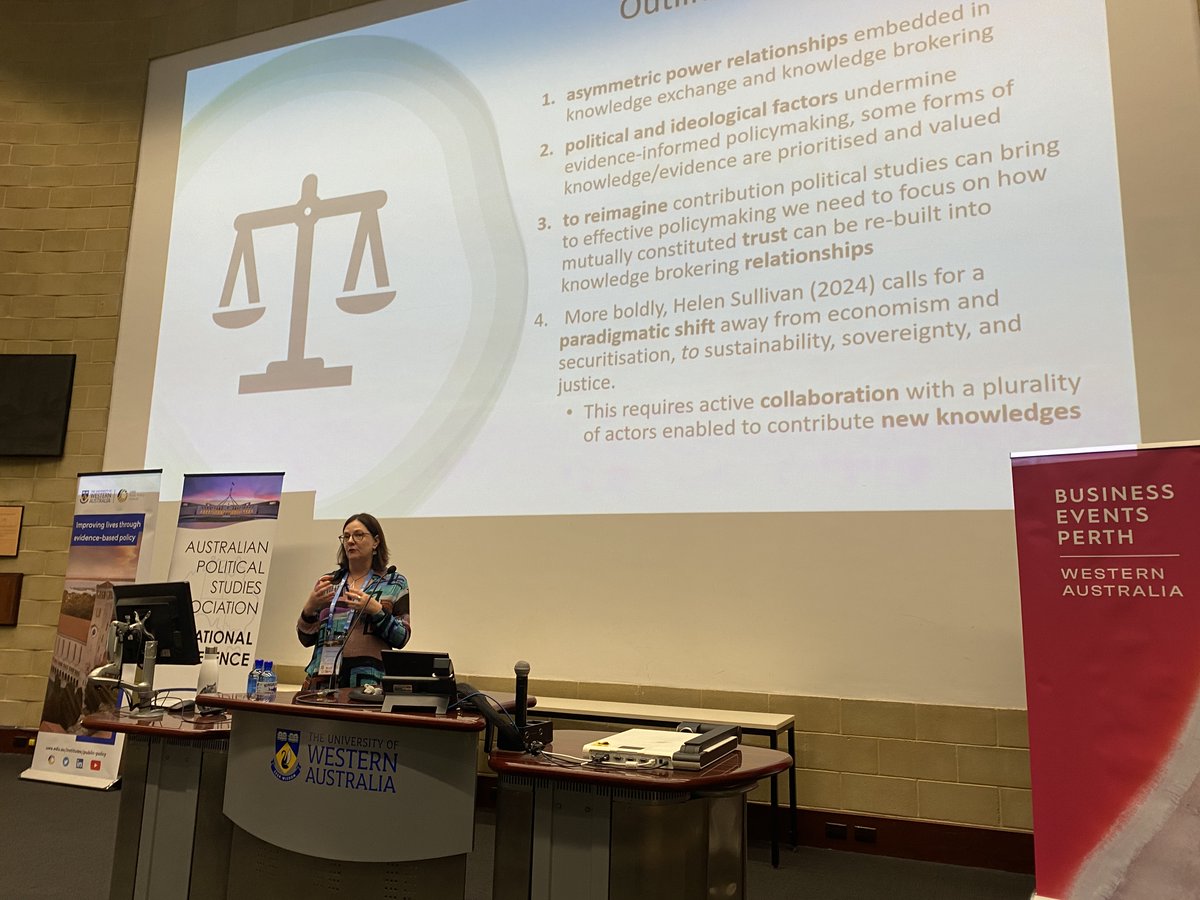
Day 1 #keynote of #AusPSA2024: @ANUCrawford 's Ariadne Vromen on rebuilding researcher-policymaker trust: explore power dynamics in evidence-based policy, co-create research agendas, & recognise diverse knowledge forms, including lived experience #PolicyResearch#PolSci@AusPSA
🚨 New publication alert from @markriboldi, @bspiesbutcher and I, exploring the success of independents and minor party candidates since 1970 across Australian parliaments.
The key take away for me was that the results of the 2022 federal election were a long time in the making.
Brilliant work on the changing models of independent candidate organisation and background in Oz from @plvhayman@markriboldi and @bspiesbutcher. Check it out!!
Just out w @markriboldi & @plvhayman on Independent and Minor Party MPs in AJPS.
Going back to 1970 we show the rise of non-major party MPs is not new, preferential voting helps, they are getting more organised and they effect ALP/LNP differently.
https://t.co/S3LIlXskhI
📢 Released today, this report by @MonashUni shares the insights, experiences and voices of children with a parent in prison.
Learn more and read the report: https://t.co/VPxsCdkrrX
@FlynnCatherineA
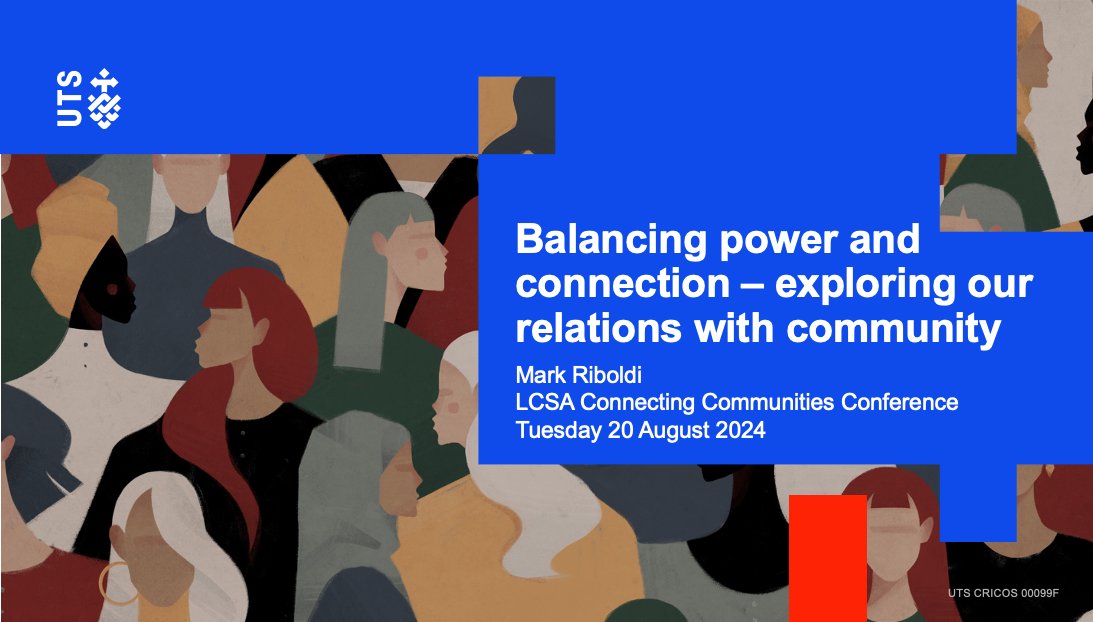
Ran a workshop based on some of my research at the @LCSANSW conference yesterday. Wonderful reflective community sector folks discussing the nature of power and connections with community members. @UTSManagement
Said research (open access): https://t.co/0h5KxlDZvs
it gets worse…
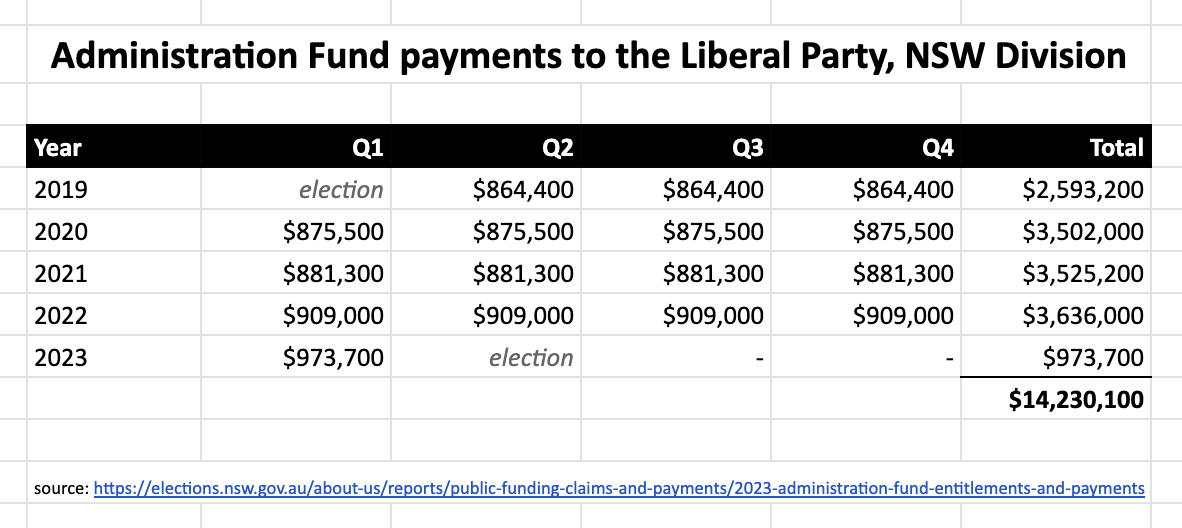
the "hapless & helpless" @LiberalNSW party received $14.2m from the public purse over the last electoral cycle for 'administration'.
yes, *you* gave them $14.2m for admin and they still can't get a form in on time!
what's worse is the parties want more… 🧵
Our book Pathways to Positive Public Administration is out now! Open Access w/ @ElgarPublishing Thanks to all the contributors, and a big thank you to @paustinlucas@nabatchi & Paul 't Hart who made this a truly fabulous experience 🙏
https://t.co/zKcrH9ginE
Interesting research. A disappointing result for filtering. Uneven, slow impacts that don't touch the main issue (for low income earners). My guess is social housing would work just as well for average renters (through competition) and much better for low income ones.