Author of new children's book "God Bless America, 250 Years Strong." Also media law attorney, crisis communications adviser, adjunct professor, prosecutor.
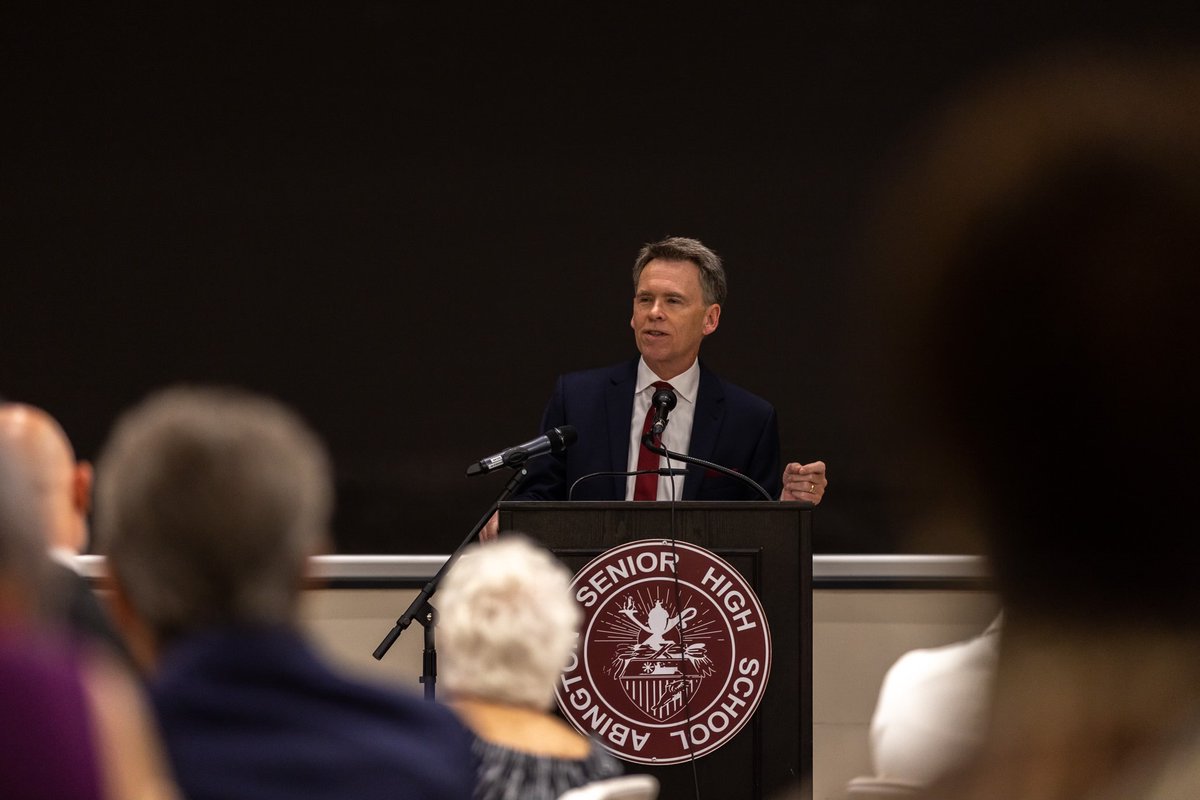
1/ More than 50,000 people have graduated from Abington (PA) High School, so, last week, I was honored and humbled to have been among the 120 or so inducted into its Hall of Fame since 1928.
My latest prosecution, with the office of Marion County Prosecutor @ProsRayGrogan -- this s*x offender will serve 12 years in prison and be required to register for 25 years.
https://t.co/GVpMO8vl3N
Banishment from polite company for whomever dreamt up the ridiculous song (as heard on a "Christmas channel") that is a psycho mashup of the sacred hymn "Joy to the World" with 3 Dog Night's "Joy to the World," with the wino Bullfrog.
🤮
@cbustruth@1stACPotts@ColumbusPolice When police leaders lie, public trust in public safety deteriorates, which makes it harder for prosecutors (like me) to convict criminals. And fewer convictions makes neighborhoods less safe.
This is the current X post from @Chase.
It is the worst kind of crisis communications to not constantly (in situations like this, every hour or so) update your customers as to what’s happening.
My latest USA Today op-ed (on the midterms).
My take? "In politics, the harder the throw, the harder the bounce," so "predicting this outcome was about as hard as guessing whether the big-city lawyer stays in the Christmas movie’s small town."
https://t.co/IcnHJc1KJv
In June 1861, a small farewell party was held at a house in Los Angeles.
The host was Captain Winfield Scott Hancock, a quartermaster in the U.S. Army. His wife Almira had invited a handful of officers stationed in California. Most of them were Southerners who had just resigned their commissions and were heading east to join the Confederacy.
One of them was Lewis Armistead, Hancock's closest friend in the army.
They had served together for years, in Mexico and on the frontier. Armistead was a widower who had lost his wife and two children. The Hancocks were about as close to family as he had left.
That night the officers sang old songs around the piano. Mira Hancock later wrote that tears ran down Armistead's face. Near the end of the evening he put his hands on Hancock's shoulders and said, "Hancock, goodbye. You can never know what this has cost me."
Before he left, he handed Mira a small bag of personal keepsakes, including his prayer book, and asked her not to open it unless he was killed. He gave Hancock his new major's uniform, since he wouldn't be needing it anymore.
Then he rode east.
Two years later, July 3rd, 1863. Gettysburg.
Hancock was now a major general commanding the Union II Corps on Cemetery Ridge. Armistead was a Confederate brigadier general in Pickett's division, waiting in the trees a mile away.
At around 3 p.m., 12,500 Confederates stepped out into the open fields and marched straight at Hancock's line.
Armistead led his brigade from the front, on foot. He stuck his black hat on the tip of his sword and held it in the air so his men could follow it through the smoke. The sword cut through the hat and it slid down to the hilt. He kept holding it up anyway.
Under massive artillery and rifle fire, the charge fell apart. But a small group of men made it to the stone wall at a spot called the Angle. Armistead stepped over it, put his hand on a Union cannon, and was shot down.
It was the farthest point Confederate infantry reached that day.
At almost the same moment, a few hundred yards away, Hancock was knocked off his horse by a bullet that drove into his thigh, along with a nail and splinters from his saddle.
The two friends were wounded within minutes of each other, on the same field, on opposite sides.
As Armistead lay dying, he asked about Hancock. One of Hancock's staff officers found him and Armistead handed over his watch and his spurs to be passed on to his old friend.
Armistead died two days later in a Union field hospital.
Hancock survived. He never got the chance to see him again.
Story below is worth reading. It's the polar opposite of the Ole Miss incident. A violent hate crime. The culprits refused to sincerely apologize, the victim forgave them anyway; and prosecutors went easy on them. At least 3 of 4 have already re-offended.
https://t.co/32HRqDH451
🇺🇸 Ulysses S. Grant walked into the St. Louis Courthouse and signed this paper in his own hand, freeing the only enslaved person he is known to have personally owned. It was March 29, 1859.
The document reads, in part: “I Ulysses S Grant of the City and County of St Louis in the State of Missouri…do hereby emancipate and set free from Slavery my Negro man William, sometimes called William Jones, of Mulatto complexion, aged about thirty-five years, and about five feet seven inches in height and being the same slave purchased by me of Frederick Dent. And I do hereby manumit, emancipate & set free said William from slavery forever.”
Jones had worked on the White Haven farm owned by Grant’s father-in-law, Frederick Dent. Grant acquired him while struggling to make a living as a farmer there. By early 1859 the farm had failed and Grant was in debt. He was with Grant for a brief amount of time, with estimates of about a year.
He could have sold Jones for roughly $1,000–$1,500 (a substantial sum at the time) and eased his financial pressure. He chose to free him instead.
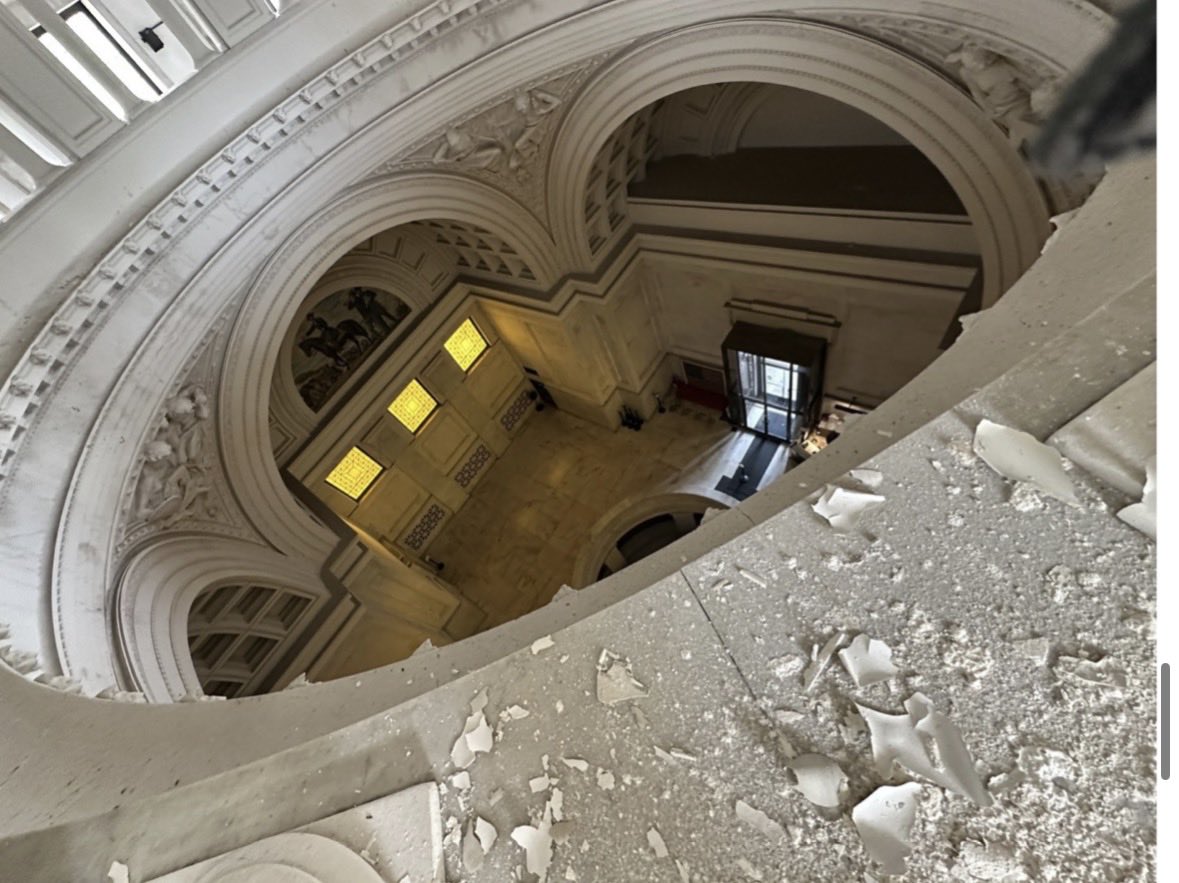
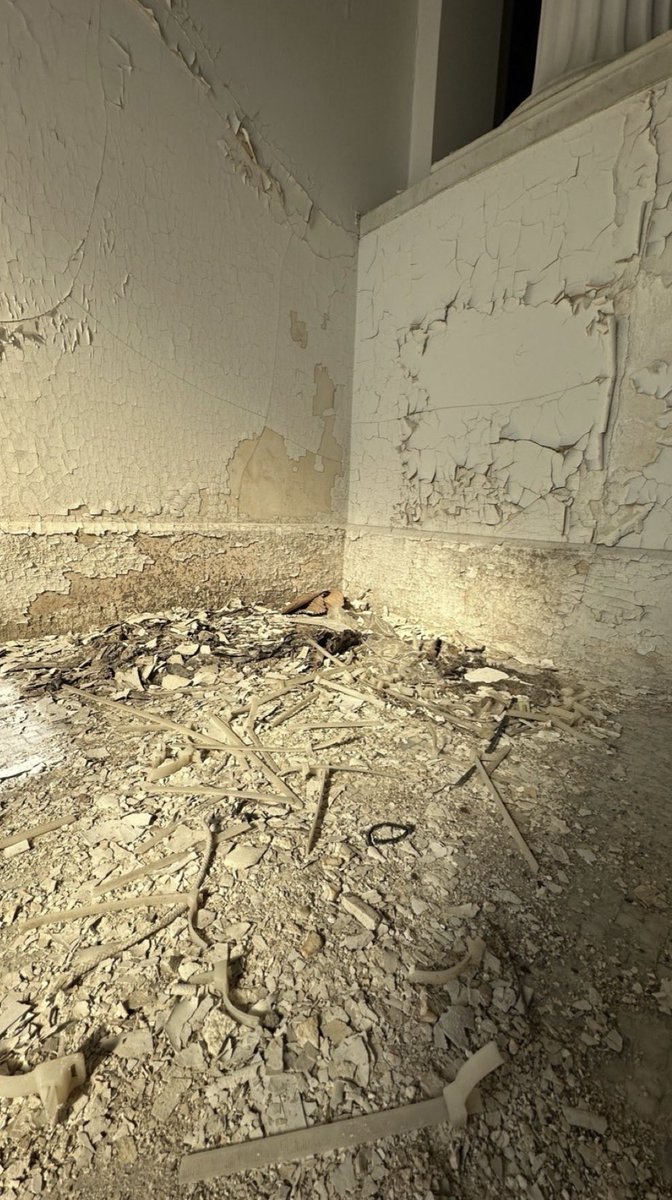
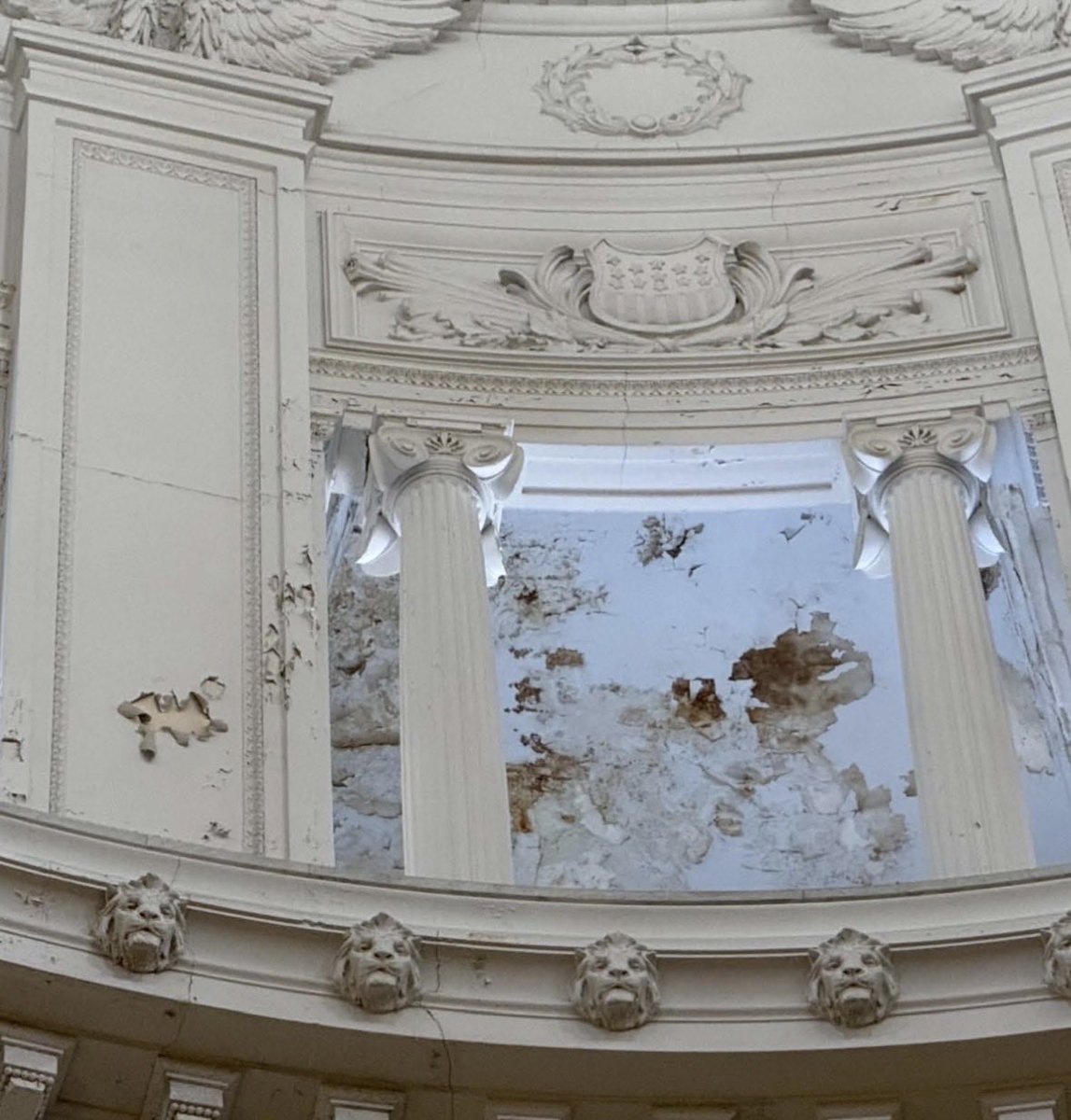
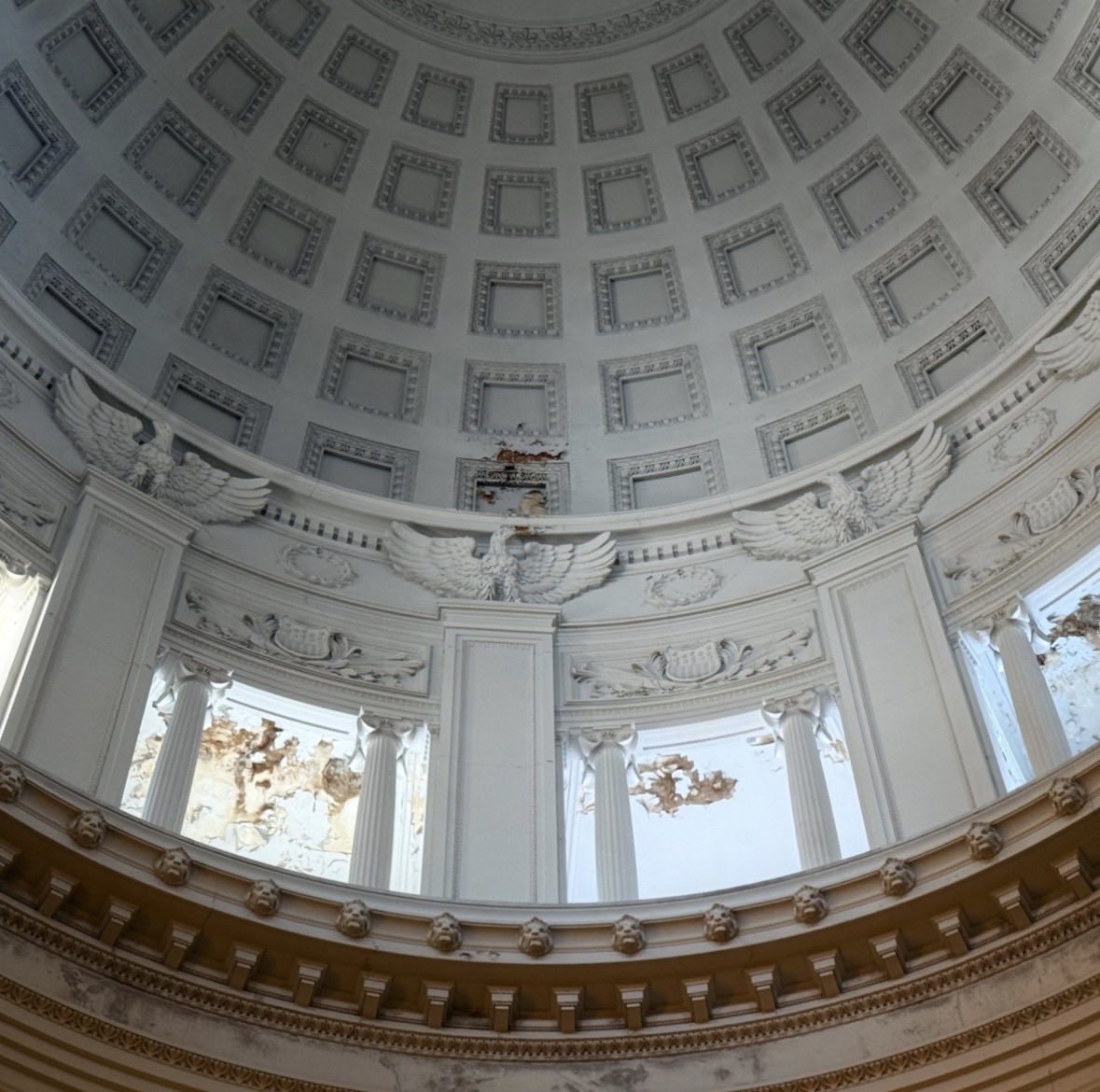
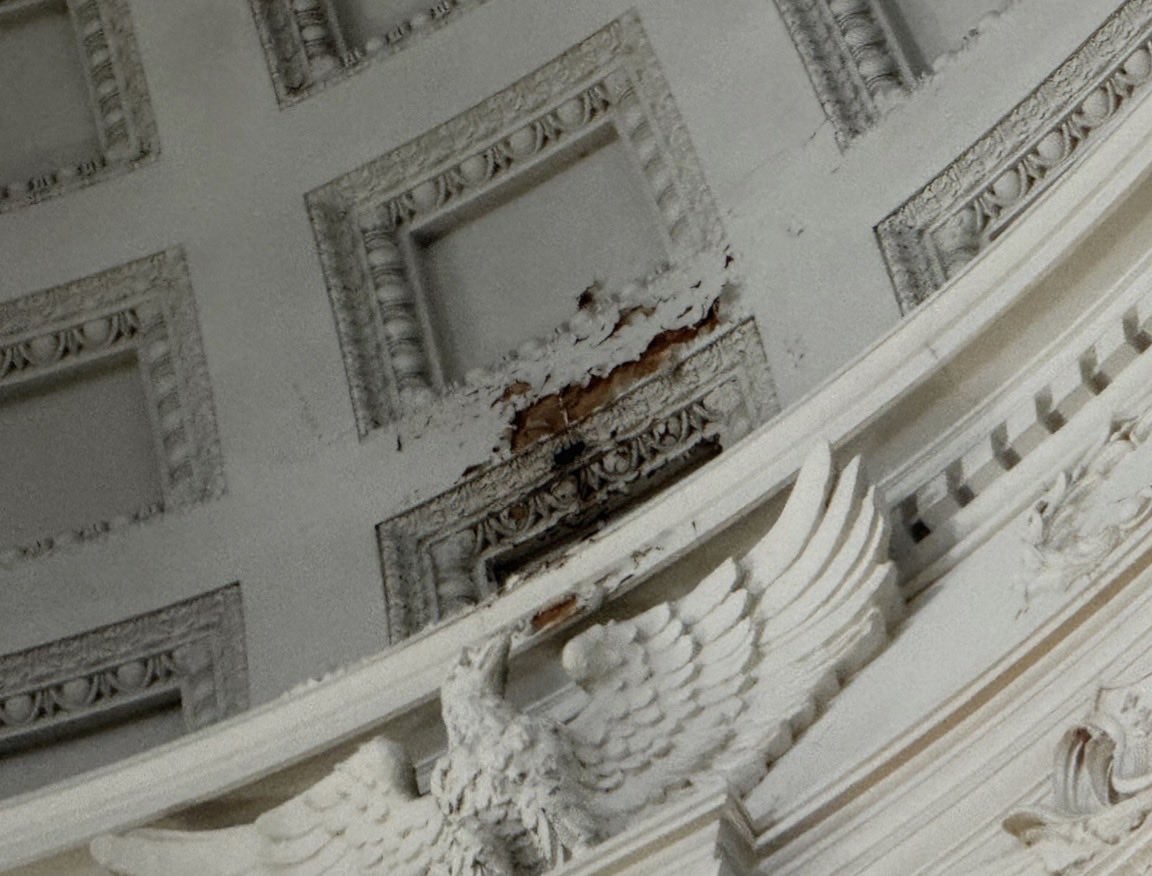
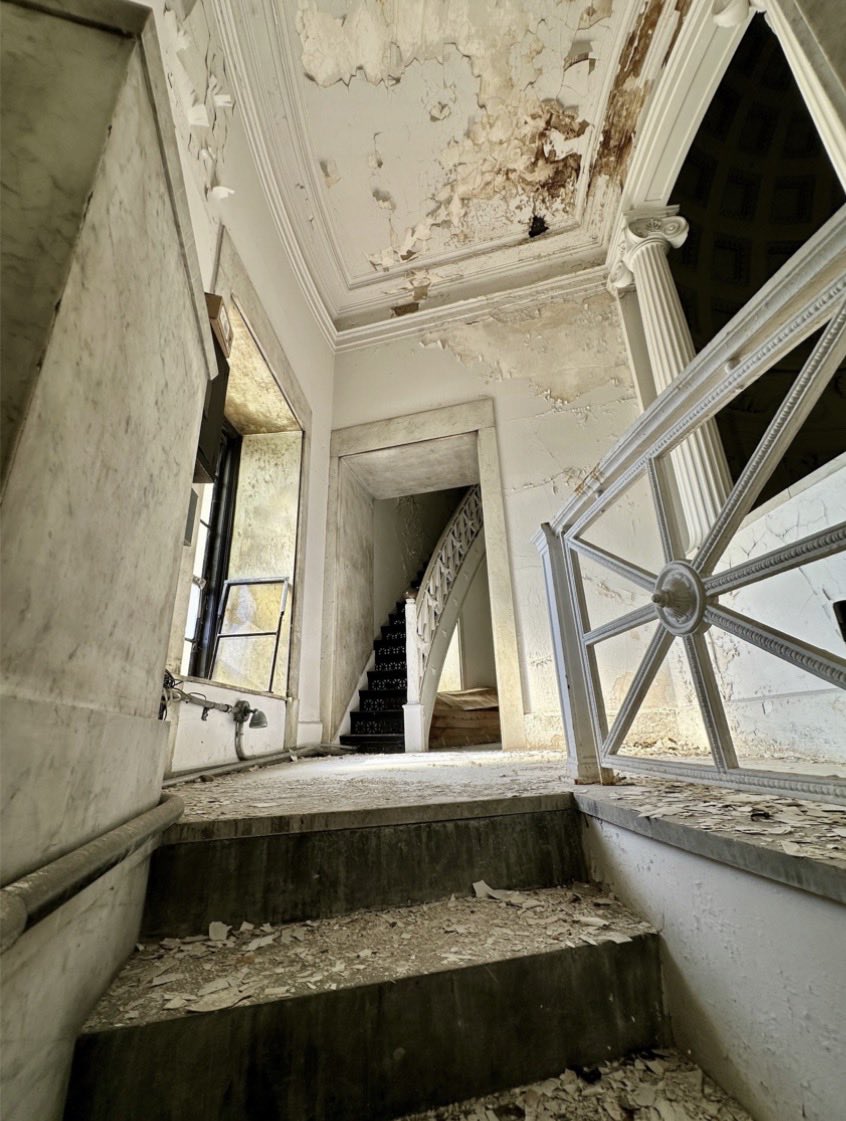
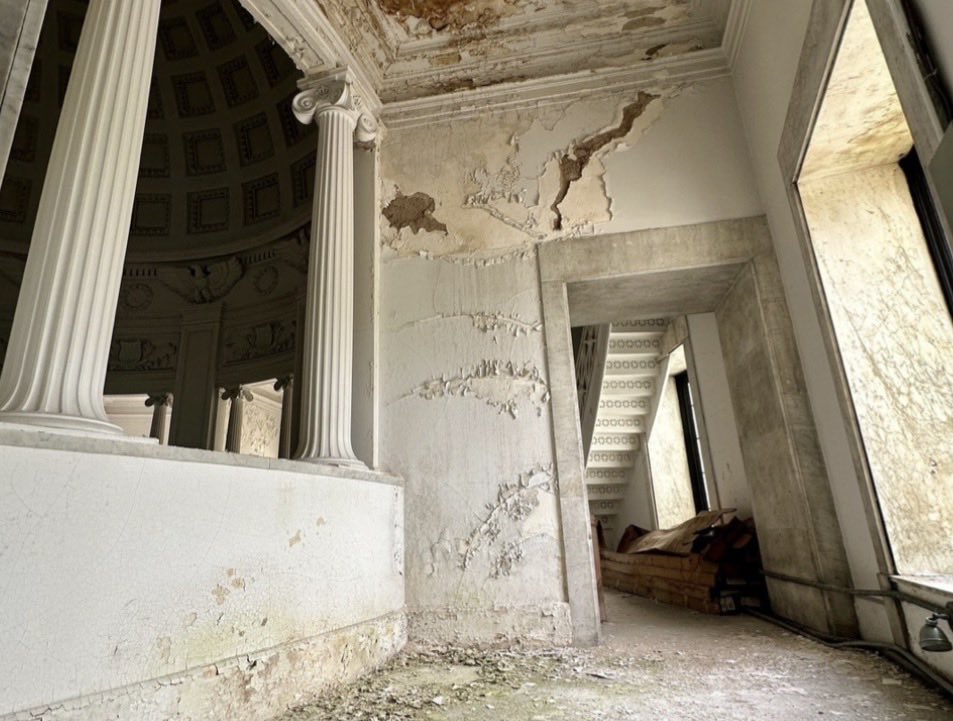
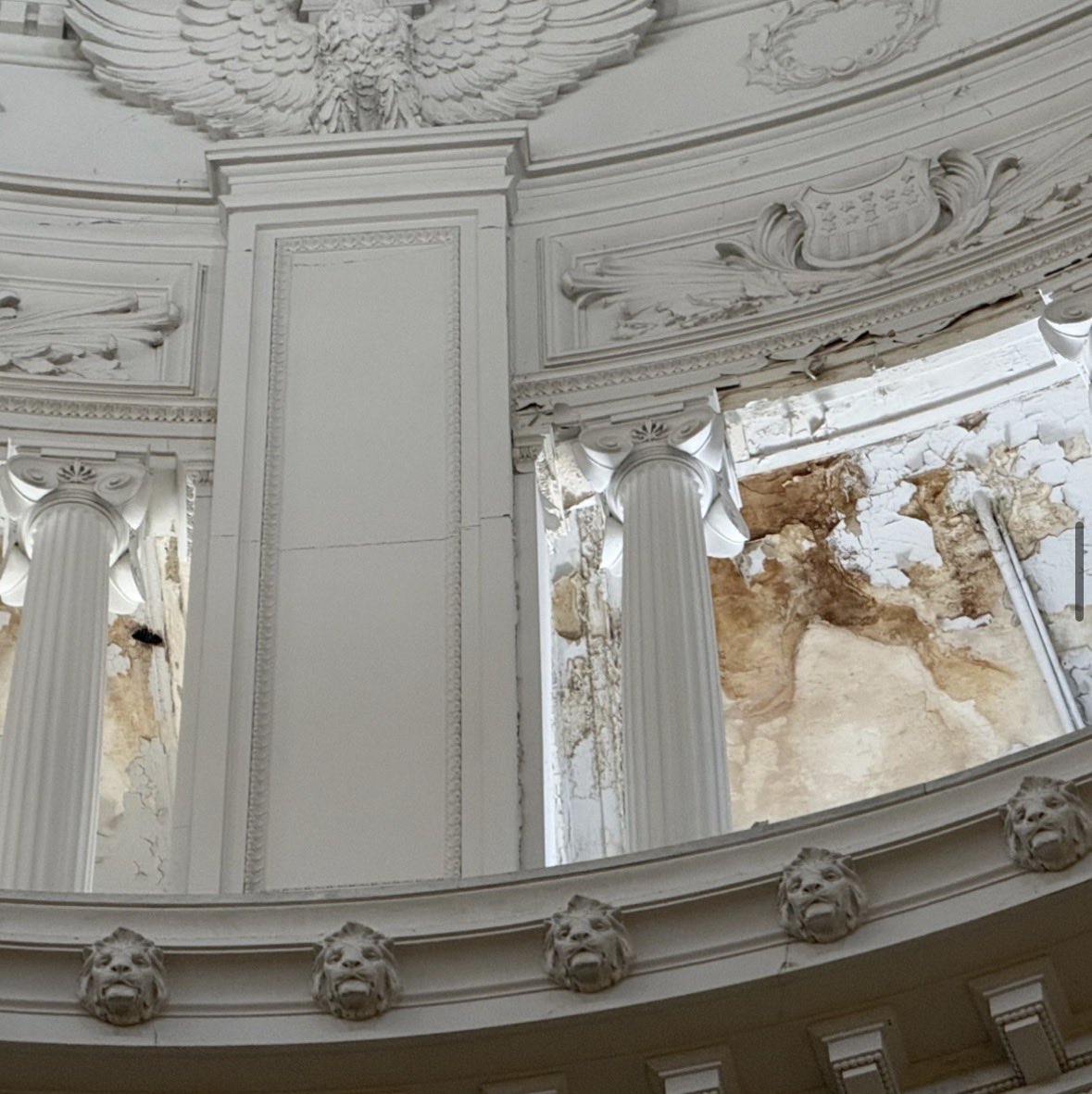
🇺🇸 Grant’s Tomb has again fallen into serious disrepair.
The April 2026 letter the Grant Monument Association sent the @WhiteHouse, @NYCMayor, and other government officials is linked in comments.
A mid-1990s restoration on his tomb, forced by public pressure and threats from Grant descendants that the remains might be moved, spent about $1.8 million. It cleaned graffiti, fixed the roof and water damage, and replaced the crumbling plaza in time for the 1997 centennial of the tomb’s dedication.
In March 2019 the Grant Monument Association warned the President and Congress that the problems had returned. Its April 2026 follow-up says none of the requested work was done. Water damage at the cupola and roof is now substantially worse, with discoloration and falling plaster reaching the stairwell and the ceilings above the reliquary rooms.
A former NPS employee documented lead-positive peeling paint, visible mold, possible asbestos and contaminated water, and no functioning heating, air conditioning, or air filtration inside the Tomb.
The cracked outdoor plaza has been called a safety hazard by the NPS itself. As of the end of FY2025, the agency lists roughly $1.5 million in deferred maintenance and repairs for the site, nearly all of it tied to the buildings.
The Association has again asked for roof and water-damage repairs, removal of the hazards, plaza work, round-the-clock security, HVAC fixes, and related measures.
Grant deserves better.
@Grantstomb
In an ongoing crisis, using an X feed to keep people informed about the latest information is a best practice.
Allowing the information to be 10 hours old while the crisis is still ongoing undermines the effectiveness of that practice.