희망 담은 한국의 새해맞이
미국에 있는 가족들과 크리스마스 연휴를 보내기 위해 얼마 전 미국행 비행기 티켓을 예매했다. 한국으로 돌아오는 비행기를 예약하는데 미국에서 연말연시를 모두 보낼 것인지 고민이 되기 시작했다. 나는 왠지 한국으로 일찍 돌아오고 싶은 기분이 들었다. 그 이유는 한국에서 일출을 보며 새해를 시작하고 싶은 마음이 들어서였다.
미국에서 새해는 가족이나 친구들과 함께 보내는 매우 신나는 연휴 기간이다. 하지만 미국인들에게 연말연시 전통에 관해 물어보면, 대부분은 12월 31일 (New Year’s Eve)에 대해 이야기할 것이다. 12월 31일 대부분의 미국인들은 새해맞이 샴페인 토스트를 하기 위해 파티에 가서 자정이 되는 순간을 설레는 마음으로 기다린다. 그리고 뉴욕의 타임스퀘어에서 펼쳐지는 새해맞이 카운트다운과 공연을 직접 관람하거나 TV로 시청한다.
연말연시와 관련된 내 모든 추억도 12월 31일에 있었던 일이지 1월 1일에는 없었다. 바로 이것이 처음 한국에서 보낸 새해가 내게 흥미롭게 다가온 이유다. 친구들에게 새해맞이 전통에 관해 물었을 때 종각 타종행사보다 대부분은 1월 1일 아침에 일출을 보러 간다는 이야기를 했다. 어떤 이들은 집에서 가족들과 일출을 본다고 했다. 또 어떤 이들은 차를 타고 밤새 고속도로를 달려 동해 바다에서 친구들과 함께 떠오르는 일출을 본다고 했다.
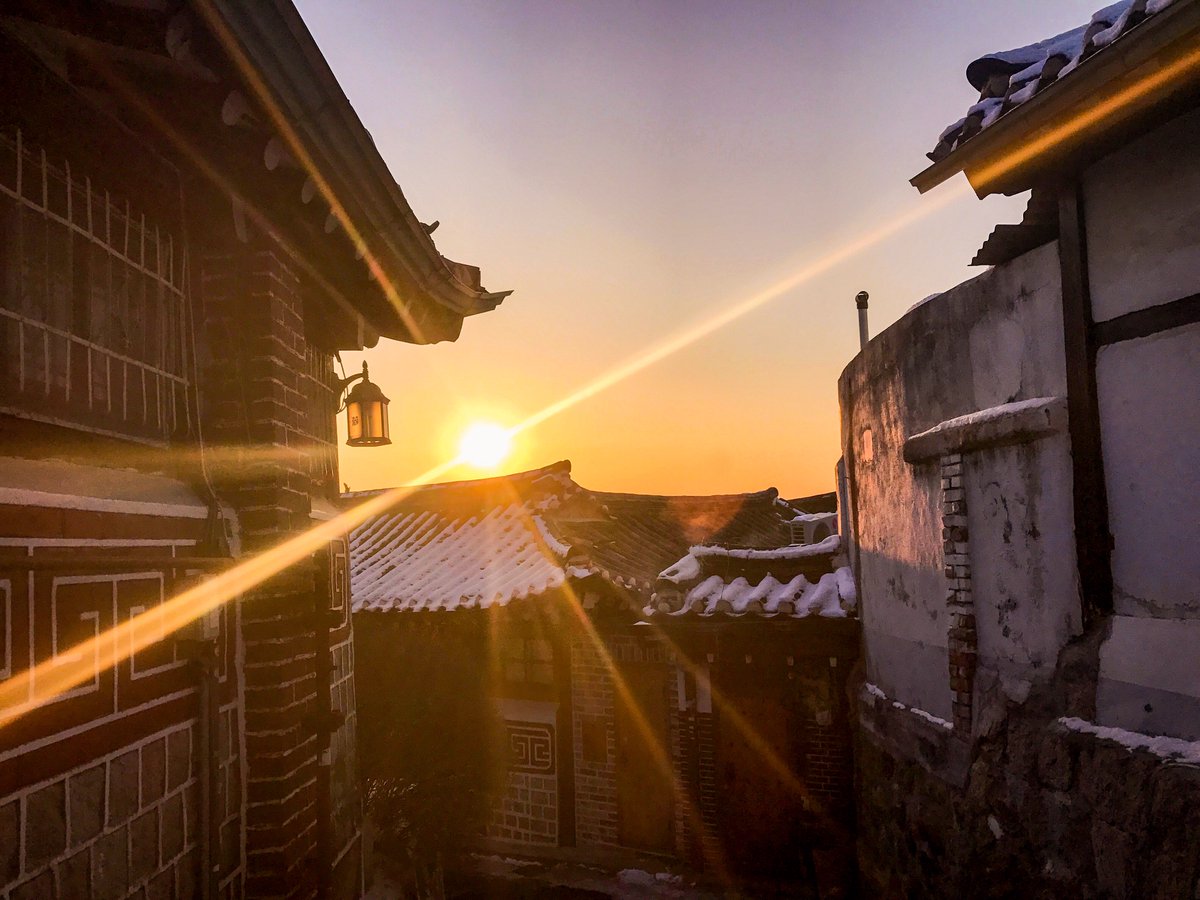
내게도 이 고요한 아름다움이 깃든 새해맞이 전통에 대한 기대감이 생기기 시작했다. 미국의 새해전야제 파티들은 과거지향적인 것 같다. 한 해의 마지막 날이라 그해에 누릴 수 있는 남아 있는 기쁨을 끝까지 쥐어짜내려는 느낌이다. 어쩌면 이러한 파티들 때문에 1월 1일에는 늦잠을 잘 수도 있다. 한국의 새해맞이 해돋이 구경은 그 반대다. 미래지향적이고 희망에 가득 차있다. 용기와 희망으로 한 해를 일찍 맞이하는 것이요, 새해에 떠오르는 태양처럼 불같은 주홍빛에 잠긴 얼굴과 크게 뜬 눈으로 새해를 맞이하는 것이다.
나 역시 이젠 일출을 감상하며 새해를 맞이하고 싶다. 끝나가는 한 해의 마지막 순간에 집착하며 매달리는 대신, 한국을 감싸며 떠오르는 새해의 태양에 희망과 다짐을 투영하며 진취적인 자세로 한 해를 시작하고 싶다.
In Korea’s New Year, Looking Forward with Hope
Recently I booked plane tickets to go to the US so I could spend the Christmas holiday with my family. As I was reserving my return trip to Korea, I found myself debating – should I remain in the US through the New Year Holiday, or should I come back to Korea sooner? As I thought about why it was that I wanted to return to Korea sooner, I realized – it was because I wanted to begin the new year by watching the sunrise in Korea.
The new year is an exciting holiday in the US, full of celebrations and festivities with family and friends. But interestingly, if you ask most Americans about their annual new year traditions and memories, most Americans will tell you about December 31st. On New Year’s Eve, most Americans will be at parties, waiting excitedly for midnight to have a glass of champagne or wine with friends, to offer toasts for the new year. And either on TV or in person, many Americans will be watching the largest celebration unfold in Times Square, where we count down to midnight and celebrate with performances by pop stars, fireworks, and maybe even a midnight kiss with a loved-one.
The parties and the excitement of New Year’s Eve are in contrast to New Year’s Day – interestingly, it is hard to identify any particular tradition that most American’s observe on the first day of the year. All my own memories are of New Year’s Eve, and none of New Year’s Day. And that is why it was so interesting for me when I first spent a New Year holiday in Korea. When I asked friends about their New Year traditions, of course a few did mention the ringing of the bell at Jonggak on New Year’s Eve. But many more told me that they would rise early on January 1st to see the sunrise. Some would watch the sunrise with their family at home. Still others would get in the car with friends or family and ride through the night to Sokcho or Gangleung, to watch together from the beach as the sun rises over the East Sea.
I began to look forward to the quiet beauty of this Korean New Year’s Day tradition. To me, watching the sunrise on January 1st seemed like the proper way to start a year. As I thought about it more, our American New Year’s Eve parties seem to look to the past – clinging on to the last moments of the year and trying to squeeze out whatever remaining dregs of pleasure could be had from the year’s final moments. In fact, these parties may mean that January 1st begins by sleeping in a bit late and waking up with a bit of a hangover. But watching the New Year sunrise in Korea seemed to be the opposite – it seemed to be future-looking and hopeful. Starting the first day of the year by getting up earlier than normal, in the quiet of the dawn. To face the new year early, with bravery and hope. With eyes wide-open, and faces washed in the warm, red-orange light of the new year’s sun.
I realized that this is the way I want to start my new years. Not clinging to the final moments of the past year, but rather starting the new year early, facing forward, with eyes wide open and full of hope as the new year’s sun rises over Korea.
Big moves for @StoryProtocol Congratulations to @storysylee @jasonzhao and the whole Story team working hard to solve real world problems.
So proud to support personally as an angel investor.
People are often curious about Korean traditional garments (hanbok), but most are unfamiliar with how to put one on. I was glad when Arumjigi Foundation reached out to me to appear in a video showing the process of wearing hanbok, and hope it encourages you to try one on.
많은 분들이 한복을 입어보고 싶어 하지만, 어떻게 입는지 익숙하지 않아 그 과정이 조금 복잡하게 느껴질 수 있다. 그래서 재단법인 아름지기에서 한복을 입는 방법을 보여주는 영상을 만들자고 제안받았을 때 정말 반가웠다. 이 영상이 한복을 자신 있게 입을 수 있도록 도움이 됐으면 좋겠다.
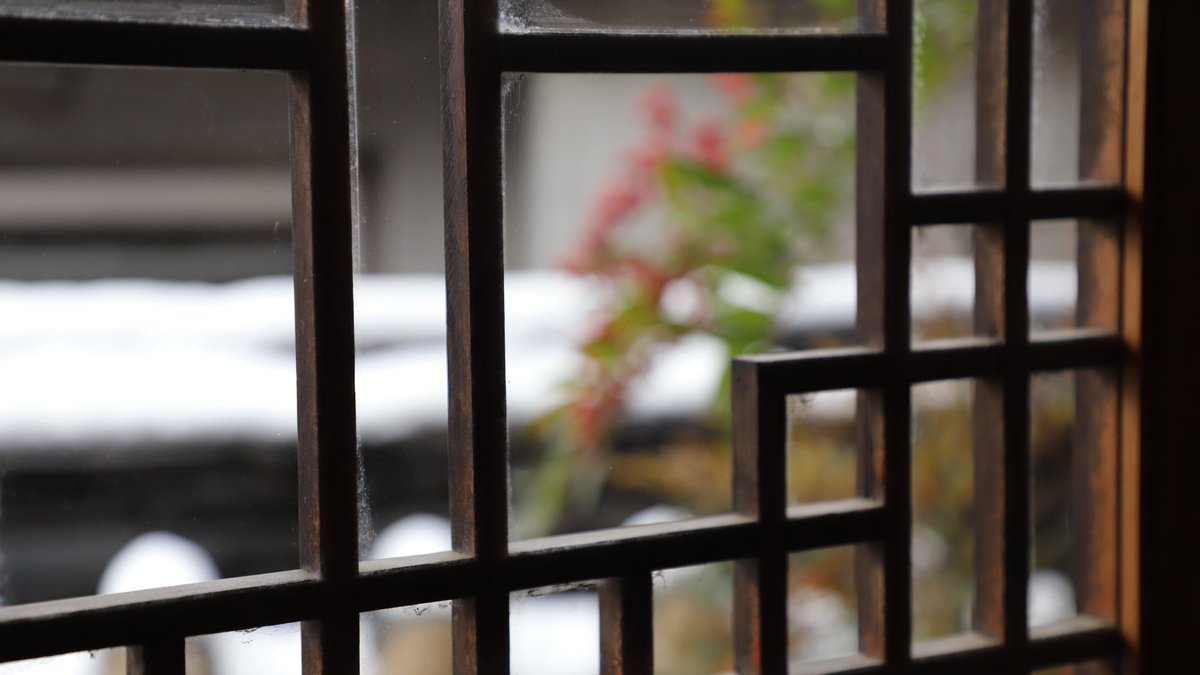
When winter arrives, people are often curious whether the traditional Korean house (hanok) that I live in is cold. But strangely I find that as the weather grows cold, the house reveals its own warmth all the more. The feeling of the warm, heated floors when coming in from the cold wind. The inherent warmth of the wooden beams. The early winter morning sunlight, which at dawn looks like fire and dyes the wood a fiery orange-red as it falls through the window lattice. And the warmth and traces of those who have lived in this house or visited it over the years. All of these are more easily and more warmly felt in the cold of winter.
날씨가 추워지면, 내 주변에서는 “한옥은 많이 춥지 않으냐?”라고 많이 물어보고 궁금해한다. 근데 의외로, 날씨가 추울수록 한옥만의 따뜻함이 은근히 밝혀진다. 한참 동안 추운 바람 속에 있다가 집에 들어올 때 온돌의 느낌. 한옥 나무 자체의 온기. 한옥 나무를 불같은 주홍으로 물들이고 격자 너머로 따스한 그림자를 드리우는 그 겨울 아침의 첫 햇살. 그리고 그동안 이 한옥에서 살거나 방문했던 사람들의 따뜻한 흔적들. 이 모든 것들은 겨울이 되면 더 따뜻하게 느껴진다.
City of Small Alleys
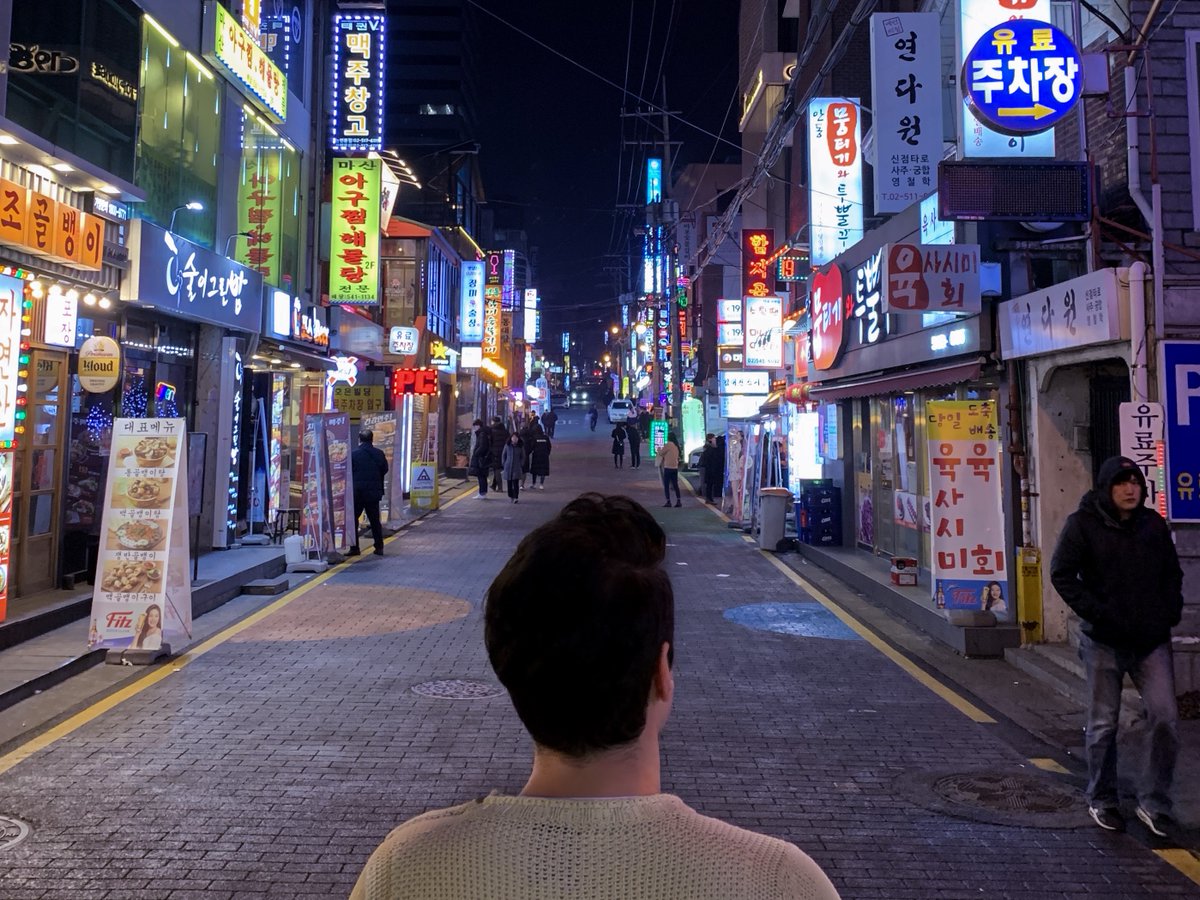
I came from New York – a perfect grid of big streets and wide avenues. “Concrete canyons,” we call them – lined as they are from end to end with towering buildings. We pass our days and live our lives in these named and numbered streets. A bar on 34th Street. A business meeting on 6th Avenue. And yes, Seoul, too, has its wide streets. Even wider than the avenues of New York. We have Teheran Road, and the sprawling 12 lanes of the Yeongdong-daero. The two meet at Samsung Station – probably the largest intersection I have ever seen. And yet our lives don’t happen there. In Seoul we breathe, we drink, we live, we argue, we love and we break up in the countless small alleys that have no name.
The foreigner who passes through on business might never know. Taking a cab from Kyobo Tower to Gangnam Station, he may travel down Gangnam Boulevard and think that he has seen Gangnam. But he doesn’t know that one block back, behind Giordano, is an alley that is thronging with students and soldiers, interns and people getting out from work. An alley which hasn’t changed in fifteen years – with batting cages and carnival games, where guys are trying to impress their girlfriends by swinging a bat, or punching a bag. An alley with a bar where a group of four guys is hoping to find a group of four girls. A basement Hoff house where salary men are having a second round of beer.
North of the river or south, in any neighborhood, these are the nameless, winding alleys where we pass our lives. Where only one car can pass at a time. Where taxis drivers honk to get people to move out of the way. Where people sit at plastic tables on plastic chairs in front of convenience stores, drinking a can of beer late at night while baring their souls. The alleys which fill with water during the summer rains, leaving nowhere to walk, and in the winter freeze over with a permanent sheet of ice, making every walk to work a dangerous adventure.
The alleys are unashamed and unguarded – they don’t pretend to try to show you the best of Seoul. They only offer to show you the raw and unedited Seoul. The good and the bad. Red neon crosses of neighborhood churches, and red neon arrows beckoning into basement noraebangs. The guy hustling in front of the bar. The corner dry clean shop, run by the old couple who are up at dawn, lights on and already working as I walk to my office in the morning. And when I come home late at night, they are still there, still working. “When do they sleep?” I wonder, realizing they are perhaps the hardest working people I know.
These are the alleys where the best food is found. The best spicy octopus is at a restaurant in a small alley in my neighborhood with no name. The restaurant has a name, but to be honest, no one knows that either, or cares. The food is good and the grey-haired lady who runs it is like family. And so if you ask me where it is or how to get there, I can only tell you, “I’ll take you there sometime.” When I first came to Seoul, they didn’t have names, these alleys. Now someone gave them names, but no matter – no one knows them. And I think I prefer it that way.
Taking a cab on the main roads, you may never see them. Until the moment when you ask the cab driver to do a P turn. And then all of a sudden, the curtain is pulled back and you catch a glimpse of more real people living in a more real Seoul.
서울은 골목의 도시다
뉴욕 출신인 내게 서울은 뉴욕과 어떻게 다르냐고 많이들 물어본다. 내게 ‘서울’은 골목의 도시다. 뉴욕의 거리는 규칙적이고 넓다. 끝에서 끝까지 고층건물이 계속되는 뉴욕의 풍경을 ‘콘크리트 캐니언’이라 부른다. 뉴욕에서는 숫자로 구분된 길들을 오가며 사는 게 일상이다. 예를 들면, ‘34가에 있는 어느 바’, ‘6 애비뉴에서 비즈니스 미팅’과 같은 식으로. 서울도 물론 뉴욕처럼 대로가 많은데 테헤란로와 12차선 영동대로가 만나는 삼성역 사거리는 아마도 내가 지금껏 본 가장 큰 교차로일 것이다. 하지만 서울의 삶은 그곳에서 시작되지 않는다. 진짜 서울의 삶은 이름조차 없는 작고 수 많은 골목에서 매일 숨쉬고 먹고 마시고 논쟁하고 사랑하고 헤어지며 존재한다.
비즈니스 목적으로 서울을 방문한 외국인은 서울의 이런 진면목을 아마 알지 못할 것이다. 그들이 교보타워에서 택시를 타고 강남역으로 간다면 강남대로를 지나가며 강남의 모습을 보긴 하겠지만 지오다노 뒤편에 있는 골목은 보지 못한다. 학생, 군인, 신입사원 등 수많은 인파로 북적대는 강남 메인 거리의 뒷골목. 그 골목들은 15년 동안 변함이 없다.여전히 존재하는 야구 배팅 게임장에서는 남자들이 여자친구에게 잘 보이고 싶어 야구방망이를 휘두르고 펀치백을 날린다. 선술집에서는 남자들이 헌팅 기회를 엿 보고, 지하 호프집에는 2차를 즐기는 회사원이 가득하다.
강남과 강북 어떤 동네든 이름 없는 구불구불한 골목길은 늘 존재한다. 딱 한 대의 차만 지나갈 수 있을 만큼 좁은 골목길, 걸어가는 앞 사람에게 조심하라 빵빵거리는 택시 아저씨, 늦은 밤 편의점 앞 플라스틱 테이블에서 맥주를 즐기는 사람들, 비 오는 날 물로 첨벙거리는 길모퉁이, 한겨울 얼음으로 뒤덮인 미끄러운 빙판길, 출근길 전쟁터와 흡사한 복잡한 거리의 모습 등. 이것이 진짜 서울이다.
골목 골목은 전혀 부끄럽지 않은 솔직하고 꾸밈없는 공간이다. 결코 서울의 최고 모습만 보여주려 애쓰지 않는다. 날 것 그대로의 편집되지 않은 모습을 보여준다. 좋은 모습 나쁜 모습까지 모두. 거룩한 교회의 십자가부터 늦은 밤 노래방의 간판까지 모두 빨간 네온 불빛으로 빛나고 있다. 골목 모퉁이에는 노부부가 운영하는 세탁소가 있는데 출근 길에 보면 그 이른 아침부터 일을 시작하고 있다. 밤 늦게 퇴근할 때 봐도 노부부는 여전히 일을 하고 있다. 그 분들이 아마도 내가 본 중에 가장 열심히 일하는 사람들이 아닐까 생각한다.
제일 맛있는 음식을 찾을 수 있는 곳 또한 골목길이다. 작은 골목에 이름 없는 맛있는 낙지집이 있다. 이름이 있긴 있지만 솔직히 아무도 그 이름을 모르고 신경도 안 쓴다. 음식도 맛있고 주인 할머니는 가족같이 친근하다. 만약에 그곳이 어디냐고, 어떻게 가냐고 물으면 난 그냥 나중에 내가 데려가겠다고 말한다. 어차피 말해줘도 못 찾을 테니까. 내가 처음 서울에 왔을 때 이 골목들은 이름조차 없었다. 지금은 누군가가 이름을 지어줬지만 누구도 신경 쓰지 않는다. 나 또한 그게 더 낫다.
이러한 것들은 메인 도로에서 택시를 탄다면 절대 볼 수 없는 풍경이다. 택시기사에게 ‘P턴’을 해달라고 요청한 뒤 골목에 들어서면, 갑자기 커튼이 걷히면서 서울 사람들이 서울에서 어떻게 사는지, 진짜 서울라이프가 무엇인지 보게 된다.