@sunsetsyntax good catch — the allowlist only covers the LLM side. a true air-gap means turning off Zed's own extension/update checks too. worth a note in the docs, thanks.
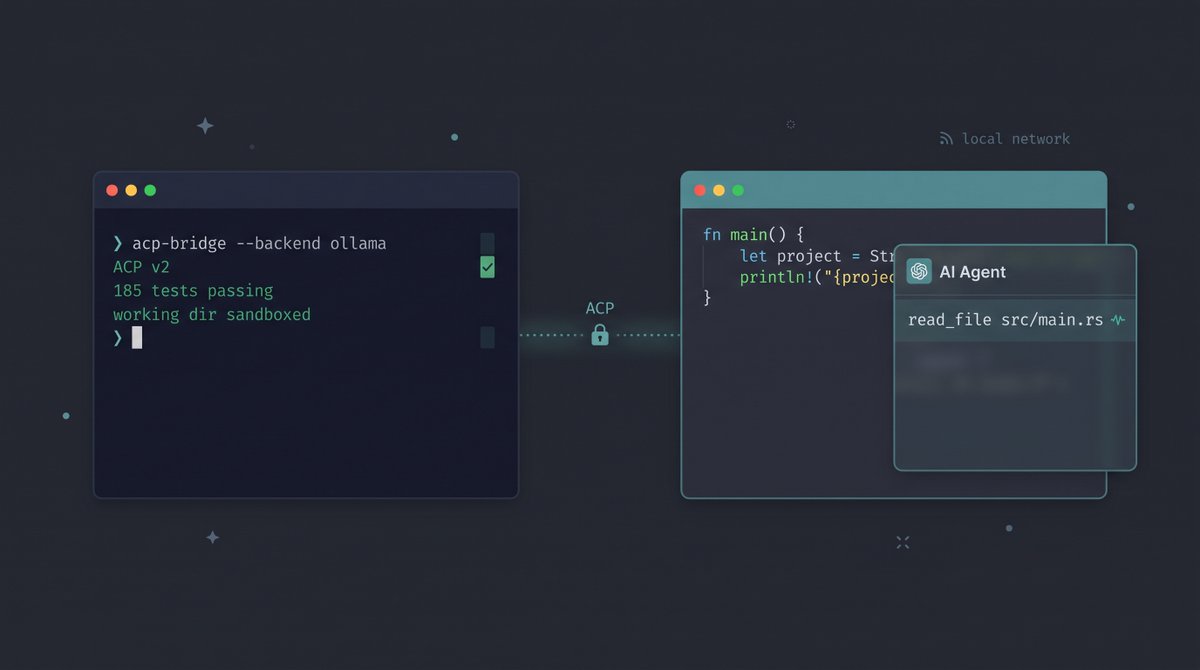
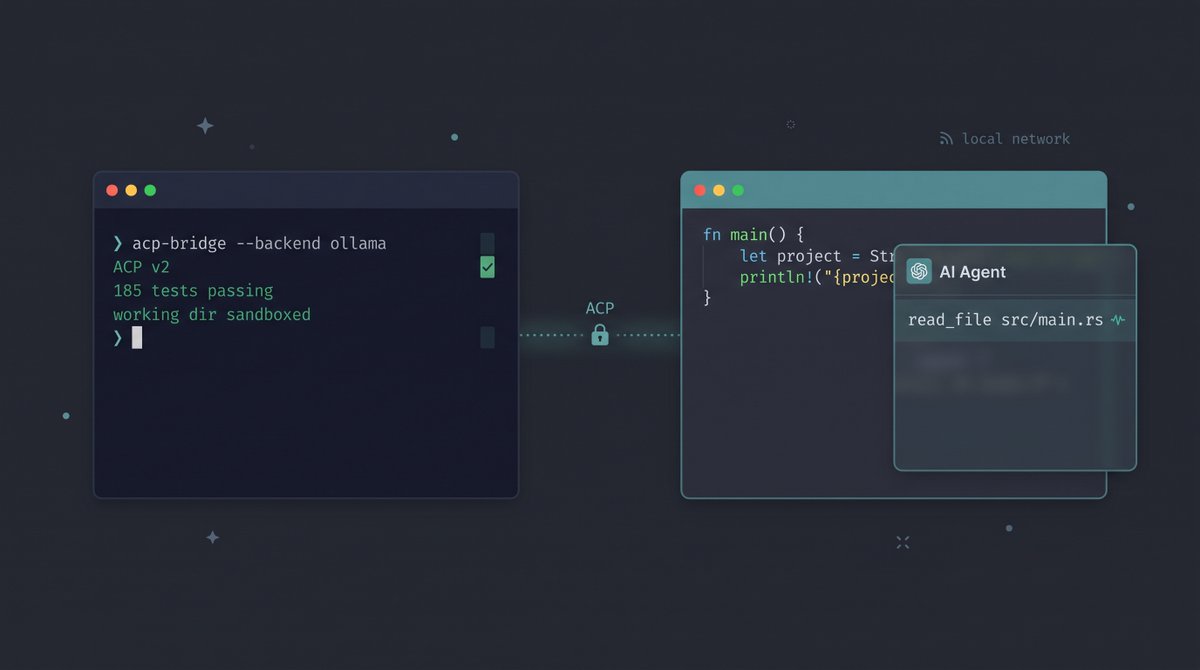
Run local models in Zed with a hardware air-gap. 🔒
ACP is the agent-editor standard — wiring it to offline Ollama/llama.cpp was the missing piece. acp-bridge fills it: one binary, v1+v2 wire, outbound HTTP only via explicit allowlist.
https://t.co/loG9ZMc1Ht #ZedEditor#ACP
@mustafa_homelab neither really — it's backend-agnostic. acp-bridge just speaks OpenAI-compatible `/v1`, so llama.cpp server, ollama, vllm all work. for the Strata post it was Strata's own engine at `127.0.0.1:8080/v1`.
@mitansh_j07 thanks — that combo is the point: agent in the editor, model on your own box, nothing phones home. took it a step further and verified it against a 125B local model end to end: https://t.co/ZOC1PJ4zdL
The constraints that shaped it:
1/ One ~5MB static binary
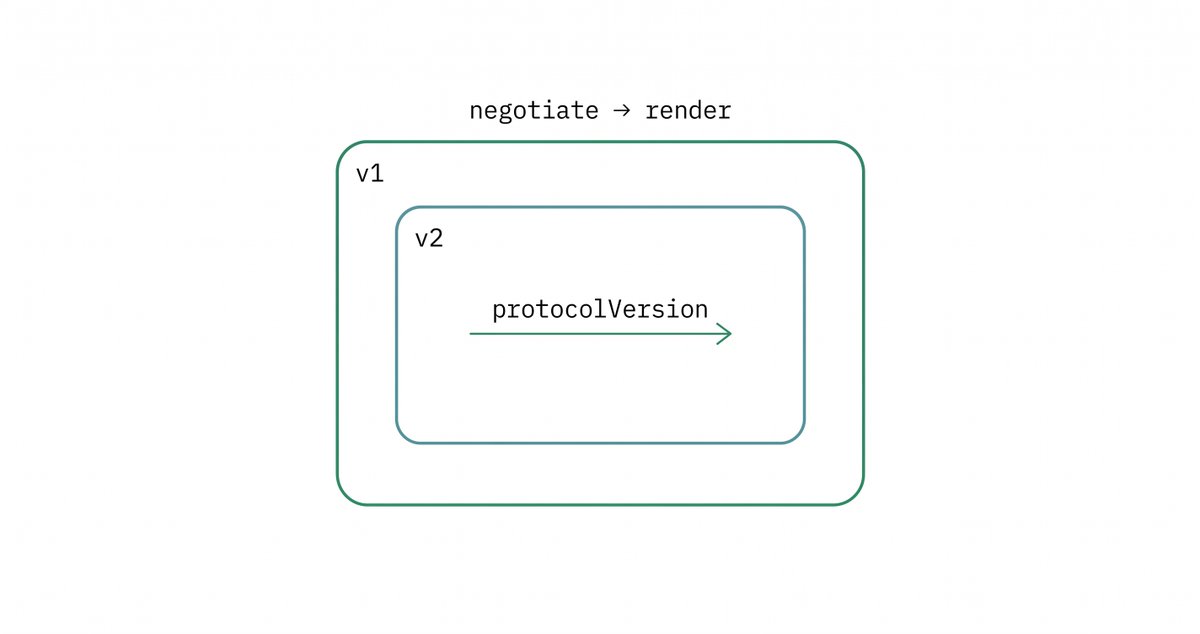
2/ ACP v1 + v2 dual wire
3/ Tools sandboxed to the session dir
4/ Outbound HTTP off by default
5/ 185 tests incl. e2e vs Zed / Codex CLI
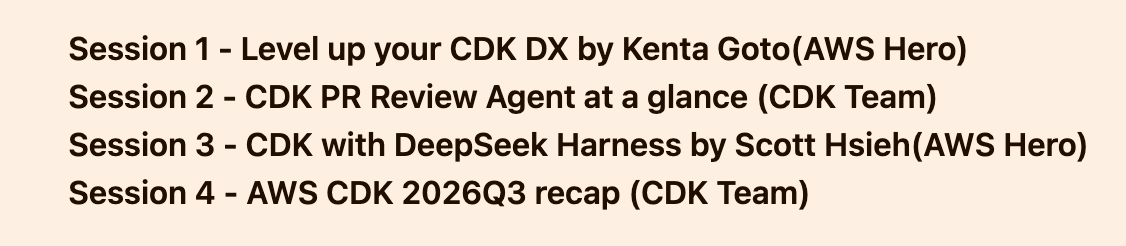
The Agenda for tomorrow community meetup is out. Don't miss it! We'll have community Heroes @365_step_tech sharing level up your CDK DX and @fantasticHsieh on CDK using @deepseek_ai Harness. We'll cover our upcoming CDK PR Review Agent and the whole 2026Q3 recap for you! See you tomorrow!
I think frontend's next role is Frontend Deployment Engineer. IEEE Software 2026 (NSF-funded, 3 institutions): LLM → 100% same answer Humans → 8 choices, 21.7% said "need more info" Config = the boundary. Humans decide what's in it.
#FrontendDeploymentEngineer#OpenAB
I think frontend's next role is Frontend Deployment Engineer. IEEE Software 2026 (NSF-funded, 3 institutions): LLM → 100% same answer Humans → 8 choices, 21.7% said "need more info" Config = the boundary. Humans decide what's in it.
#FrontendDeploymentEngineer#OpenAB
Found a way to run GLM-5.2 for FREE with no daily limits through Cloudflare Workers AI 😳
No credit card. No monthly bills. Just one API token and you get solid usage.
What GLM-5.2 on Cloudflare unlocks:
-Strong agentic coding performance
-262k context window
-Tool use and function calling
-OpenAI-compatible endpoint
-Works with OpenCode, Cursor, Aider, Hermes, and more
What this replaces:
-Paid frontier model usage for daily coding agents
-Expensive API costs just to test workflows
How to grab it (5 min):
1. Create a free Cloudflare account
2. Go to Workers AI and copy your Account ID
3. Create an API Token
4. Add the provider in OpenCode with this base URL:
https://t.co/I06wzl3TnF
5. Select model: @cf/zai-org/glm-5.2
6. Start running agents
Works in OpenCode, Cursor, Aider, Claude Code, Hermes Agent, and any OpenAI-compatible tool.
Your buddy pays $20–200/mo for coding agents. You get strong performance for $0.
Bookmark this before Cloudflare changes the free tier.
Love this — we took it further.
OpenAB = tag a whole team. Claude, GPT, Grok & Gemini join one channel, take tasks, even deliberate together.
Open source. Discord, Telegram, WeCom, Feishu, LINE, Teams, GoogleChat — and Slack too. Not just Slack.
🔗 https://t.co/1eGaBMk9WL
Enterprise AI gateway: feature list ≠ architecture.
4 principles for sensitive-data infra: • Control by Config • Security by Architecture (no HTTP) • Accountability by Default • Portability by Design (ACP)
#EnterpriseAI#AIGateway#AgenticAI#CyberSecurity
Enterprise AI gateway: feature list ≠ architecture.
4 principles for sensitive-data infra: • Control by Config • Security by Architecture (no HTTP) • Accountability by Default • Portability by Design (ACP)
#EnterpriseAI#AIGateway#AgenticAI#CyberSecurity
At Computex 2026, Jensen framed enterprise AI's real blocker as security review, not model capability. NVIDIA's answer: OpenShell — sandboxed agent runtime.
I'd written the same as a 3-layer trust architecture before the keynote. Same conclusion, different frame.
At Computex 2026, Jensen framed enterprise AI's real blocker as security review, not model capability. NVIDIA's answer: OpenShell — sandboxed agent runtime.
I'd written the same as a 3-layer trust architecture before the keynote. Same conclusion, different frame.