7:50 AM and the system is already exporting to the grid.
This is what a properly designed solar system looks like.
The battery reached its minimum SOC of 50% around 2 AM, so with the grid available, ZESA topped it up overnight. Now that the sun is up, the PV is carrying the load and exporting excess energy back to the grid.
In other words, the energy used to charge the battery overnight is already being offset through early morning exports.
Good system design isn’t just about keeping the lights on, it’s about optimizing energy flows, maximizing savings, and making every kWh work for you.
Looking to meet your business energy demands with a reliable, scalable solar solution?
This is what a typical high-voltage commercial setup looks like, built for performance, backup and future expansion.
30kW — Inverter Capacity (HV)
100kWh — Battery Backup (HV)
36kWp — Solar production
Efficient. Expandable. Built for business continuity.
China has launched the upgraded "Green Channel 2.0" for African agricultural and food products, as a complementary measure to the zero-tariff policy covering 53 African countries.
Green Channel 2.0 provides faster approval procedures, streamlined assessments, expanded remote inspections, and more flexible enterprise registration arrangements.
🇿🇼 For Zimbabwe, this creates fresh opportunities for more agricultural and horticultural products to enter the vast Chinese market. Notably, Zimbabwean dried chilies can now be exported directly to China without a separate bilateral protocol. 🌶️🇨🇳
#ChinaAfrica #Zimbabwe #Trade #Agriculture #ZeroTariffs
As we get into winter, solar systems experience lower sun hours, meaning reduced battery charging time during the day.
If your system seems to be underperforming, it’s often just because the batteries are not fully charged by sunset, especially on off-grid systems or when the grid is unavailable.
To improve performance, avoid heavy daytime loads like ironing or heating appliances etc, when the batteries are still charging.
A good solar system should always be designed for all seasons, including winter, not just peak summer performance.
Someone out there needed this tonight: Don’t give up.
Monday is done. The week is still young.
Circumstances change. Seasons change. Life changes.
If things stayed the same forever, I wouldn’t be where I am today.
Keep pushing. Your story isn’t finished yet. 👊🏾
I love you all. Even those we don’t seem to understand each other. You are dearly loved too👊🏾❤️❤️
You cannot fake elite genetics. Akita butternut in Bulawayo demonstrating excellent uniformity, strong vigour, high yield potential, and premium fruit quality. Performance in the field always speaks louder than words.
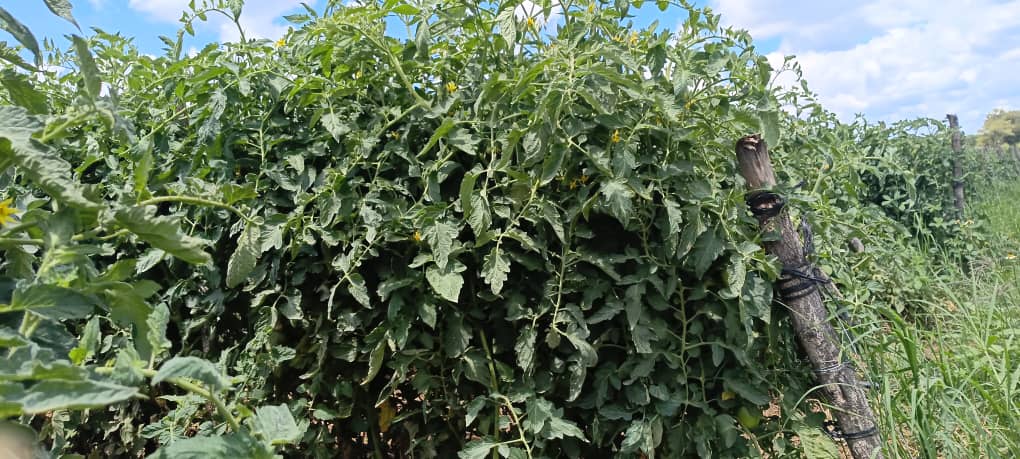
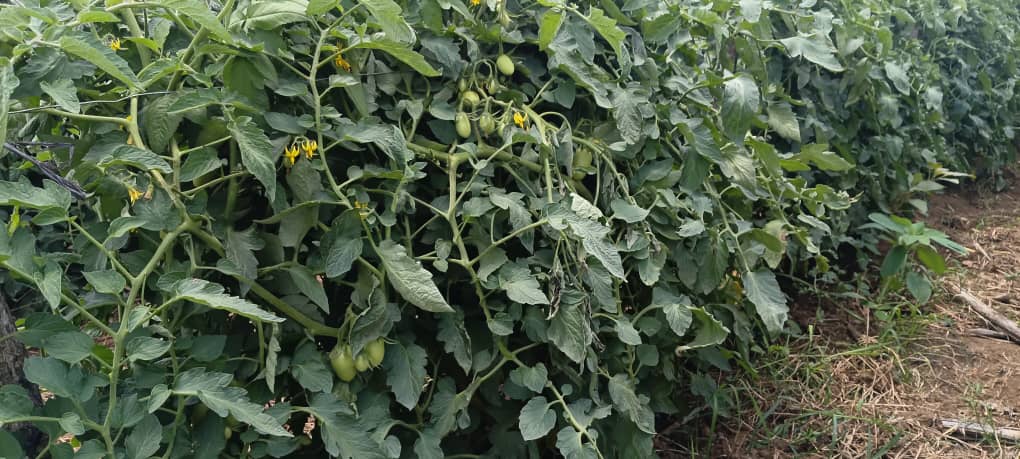
Look at the exceptional quality of Trinity tomato fruits in Karoi, Mashonaland West Province. This is an open field crop demonstrating excellent fruit quality, uniformity, and market appeal.
Well done to my Mzaya @MukuvariKaroi. You make me proud as your Sekuru.
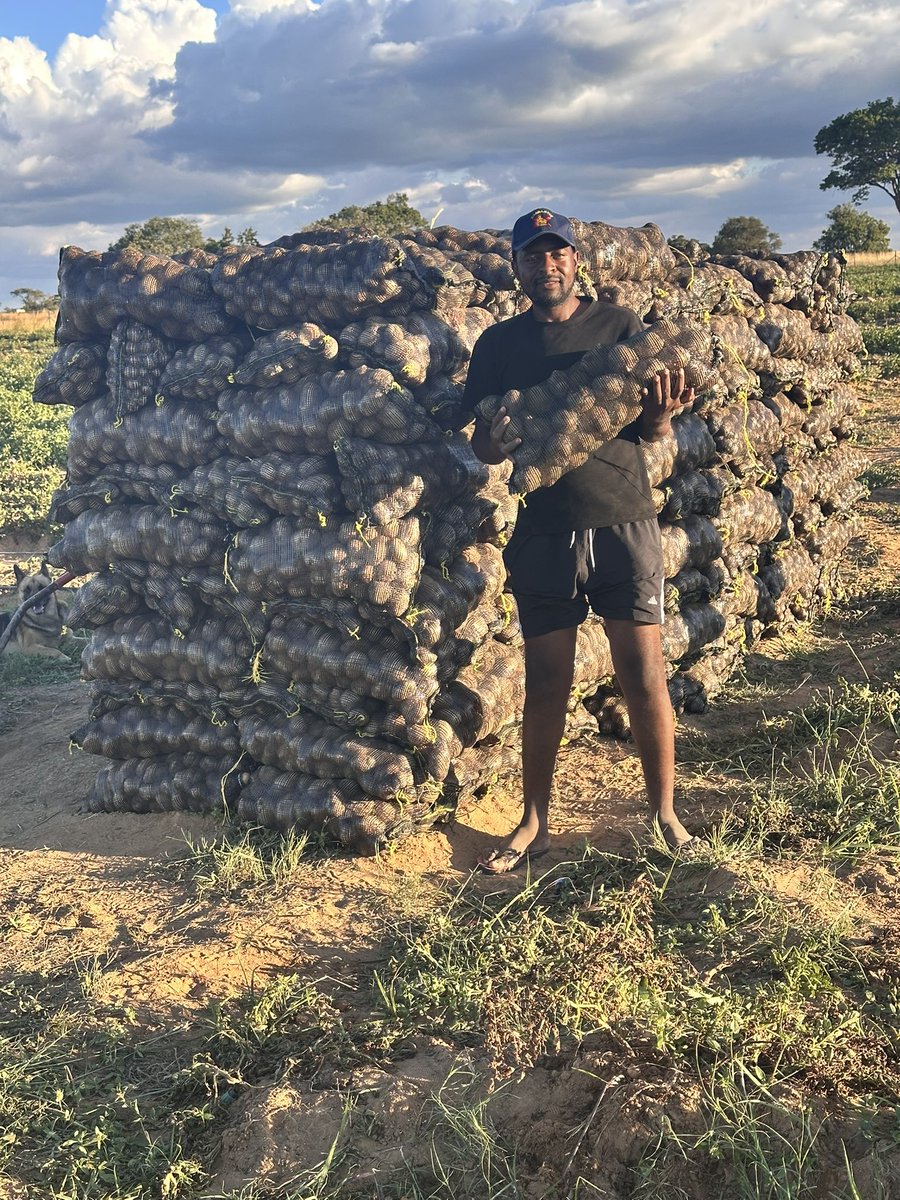
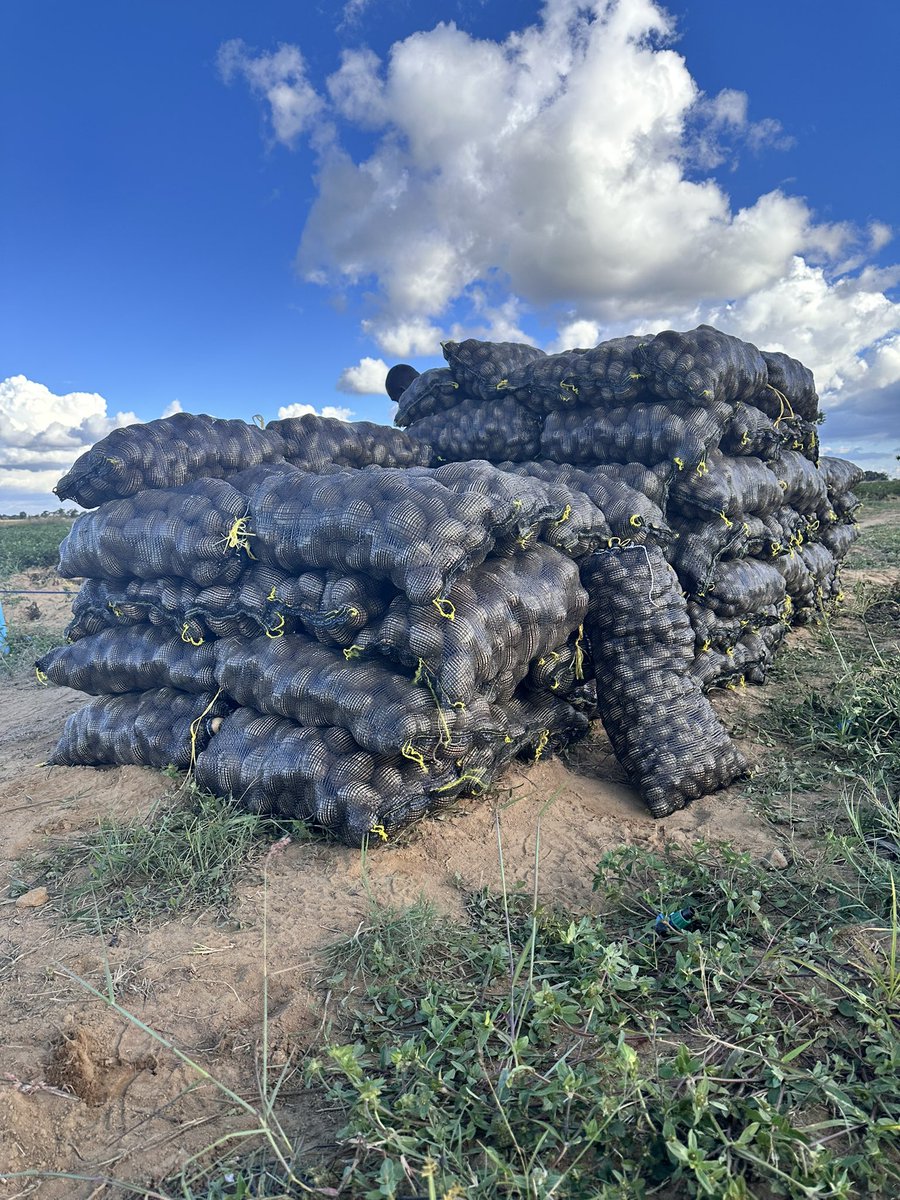
I think ndikaramba ndichirima potatoes I will retire by the age of 35. Today we harvested just 1/4 of the 2ha we have in Nyabira and got 670 pockets meaning that we will have about 5300 pockets and our buyer from Mbare is taking them at $8 large Haa kurima kwakubhadhara 😌
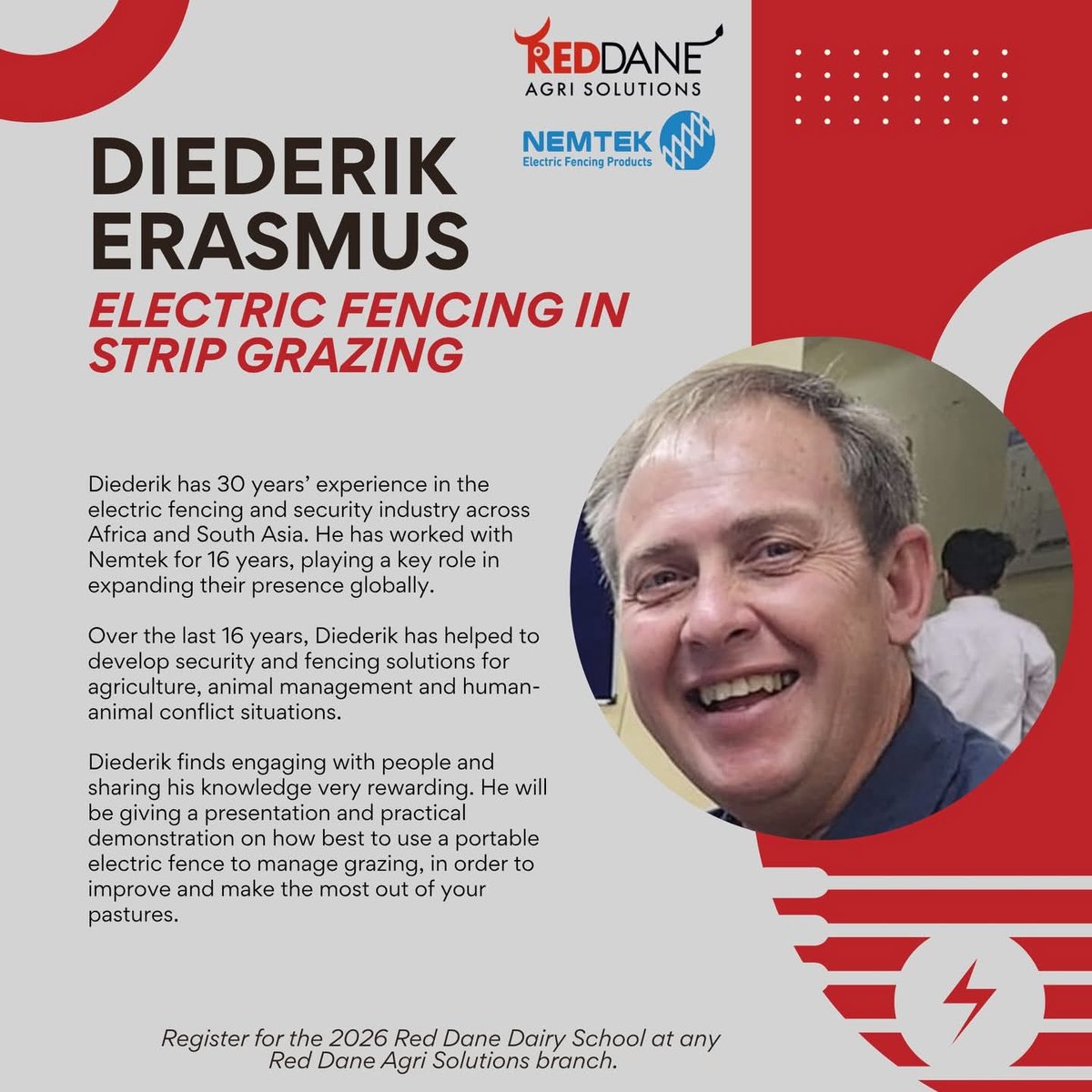
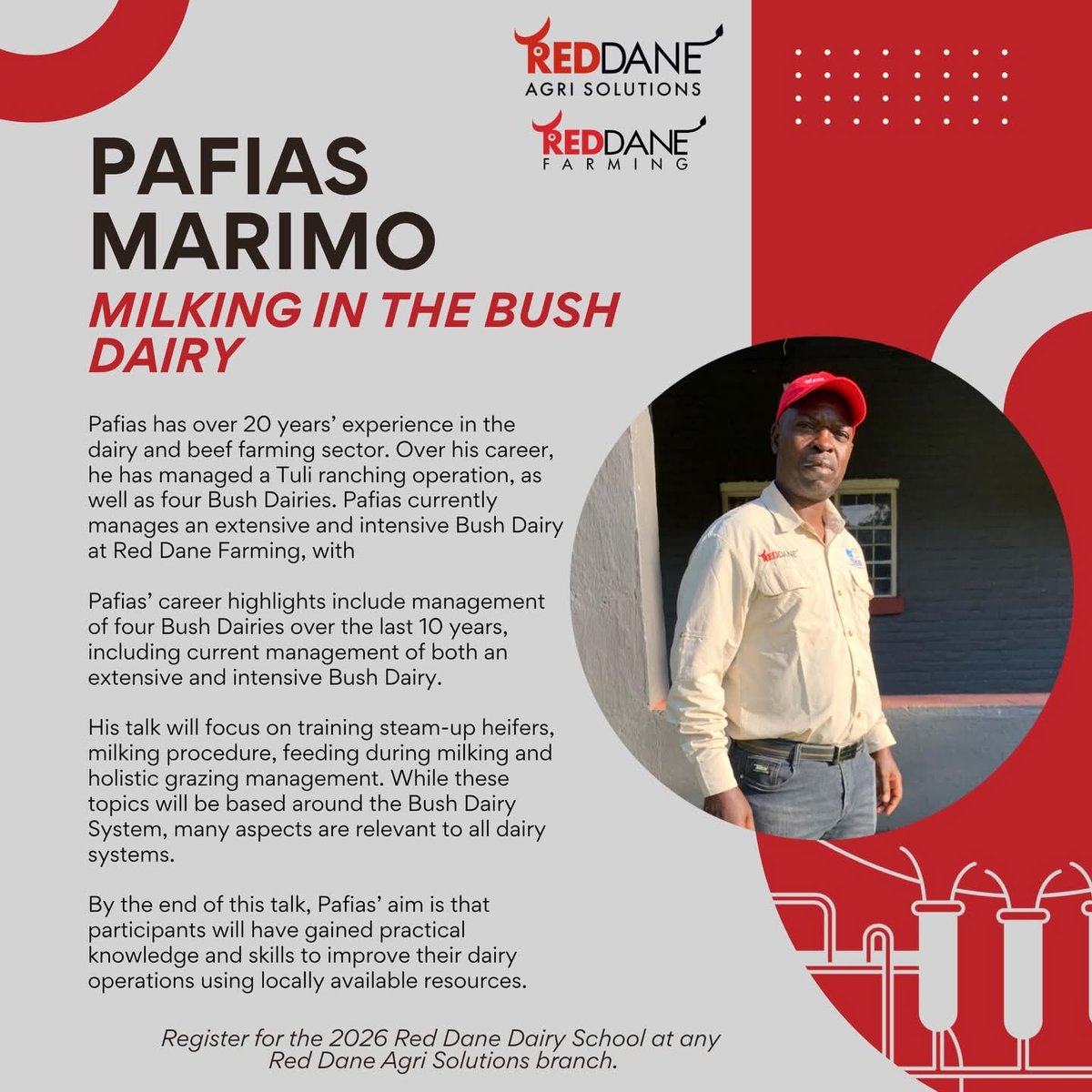
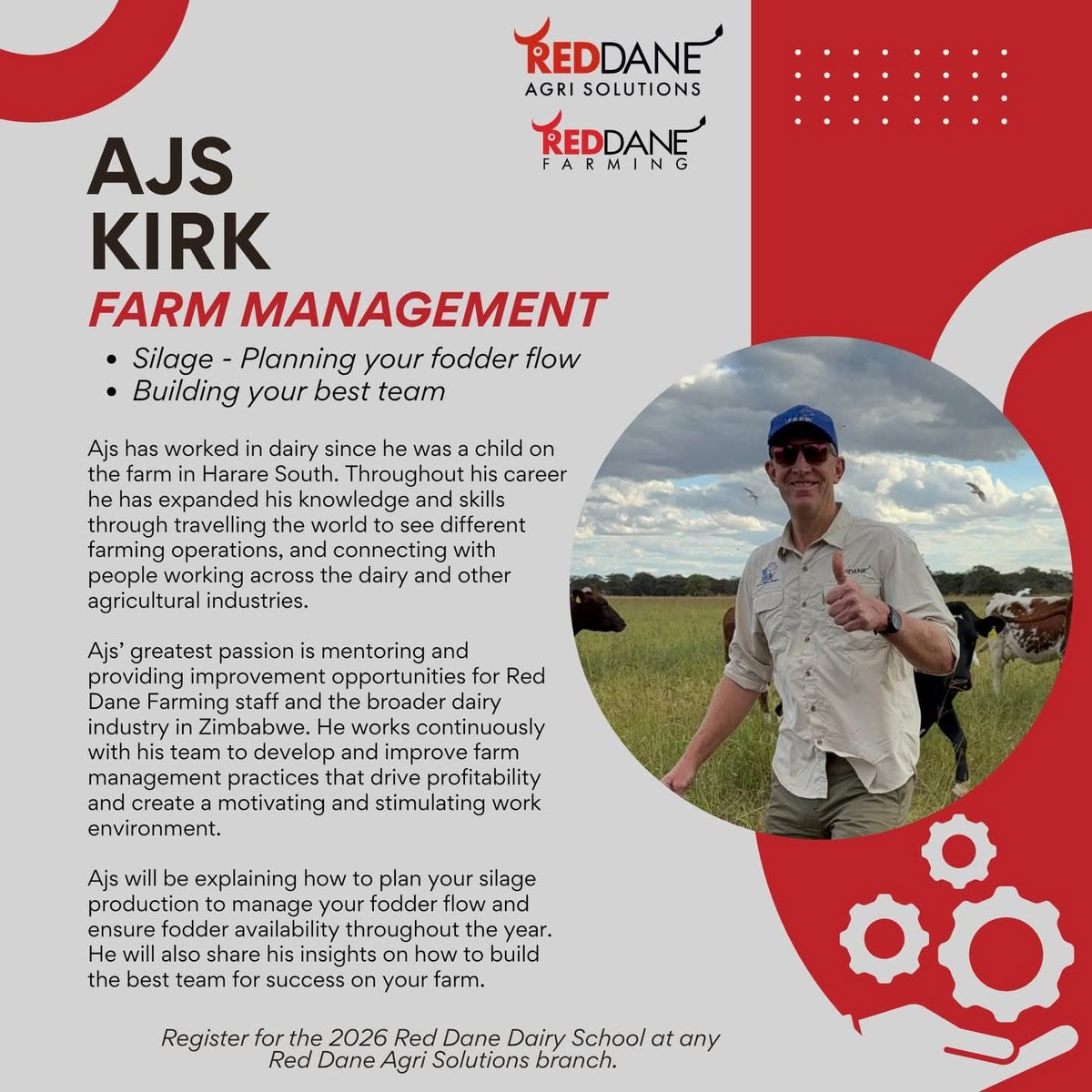
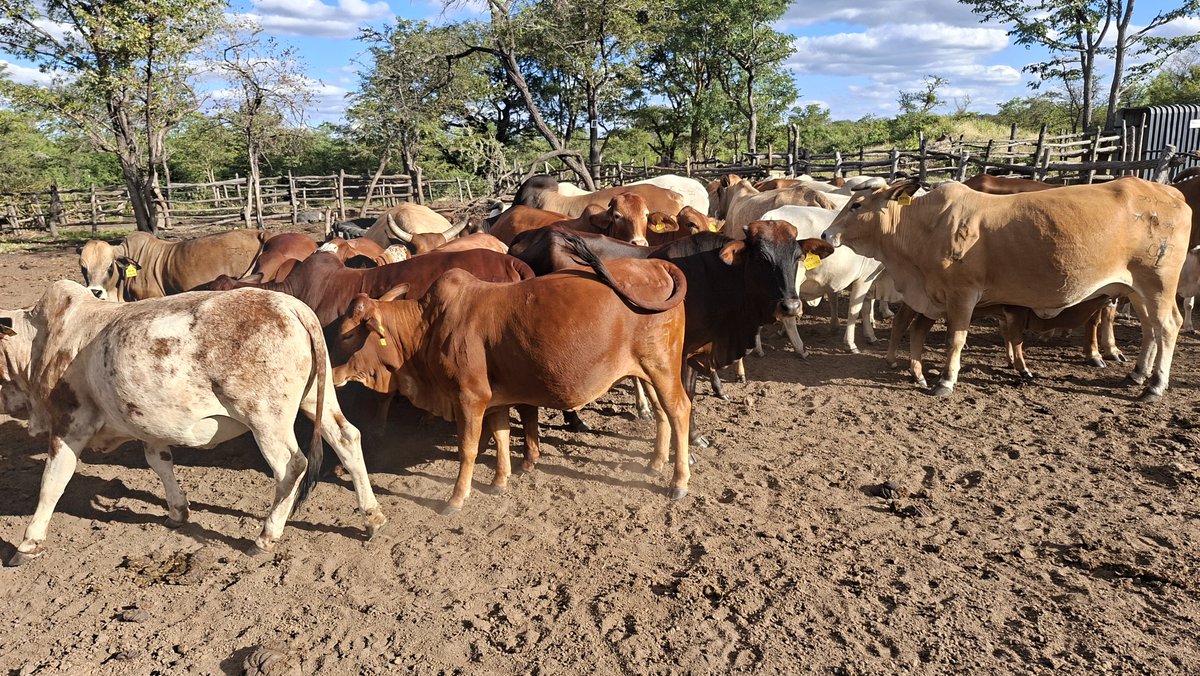
Livestock production ( Biological Assets) has always been central to the village economy for generations. The previous generations model was useful for it's time. Our generation has a mandate to escalate and improve from where our predecessors left us. The Art of breeds is now the game changer in transforming our villages/ rural areas into competitive economic hubs. Instead of "mombe dzehumai" or ndine mombe dzangu , we now ought to speak the commercial language, ....." boran, Thuli, Jersey, Hostein..." it's either dairy or pen fattening not just keeping mombes. Instead of ndine mbudzi dzangu... we now need to hear ," Boer, kalahari etc" ..Instead of ndine kahuku kangu kemusvuuu.., we now want to hear, Broilers, layers, Black Austrolop etc . The commercial language revolves around livestock production for meat, milk, eggs or breeding. As the Dairy School roars into life in two weeks time, Pen fattening school will be taking place in Rural Gutu on the 10th of April. Mark your territory, Let's go Zimbabwe !
Dear Farmers,
As the winter season commences and irrigated lands transition to wheat and key horticultural crops, we advise vigilance against the following pests: aphids and armyworms in wheat and barley, thrips in onions, diamondback moth in brassicas, leafminers in tomatoes and potatoes, and cutworms across various crops.
#CPChemicals offers a comprehensive portfolio of effective crop protection solutions with varied modes of action, including #VoltStar, #ElegantStar, #Horizon, #Spear, #Imidacloprid, #Thiamethoxam, #Cyromazine, and more.
Please visit our outlets or contact our agronomists for professional advice and tailored recommendations.
#CPChemicals@20
#Farmers’firstchoice
From 60M litres to 115M litres in 2025,our dairy sector is transforming,driven by private sector growth,value addition & global market integration. This strategy is more than production; it’s about competitiveness,sustainability & food sovereignty,propelling us toward Vision2030
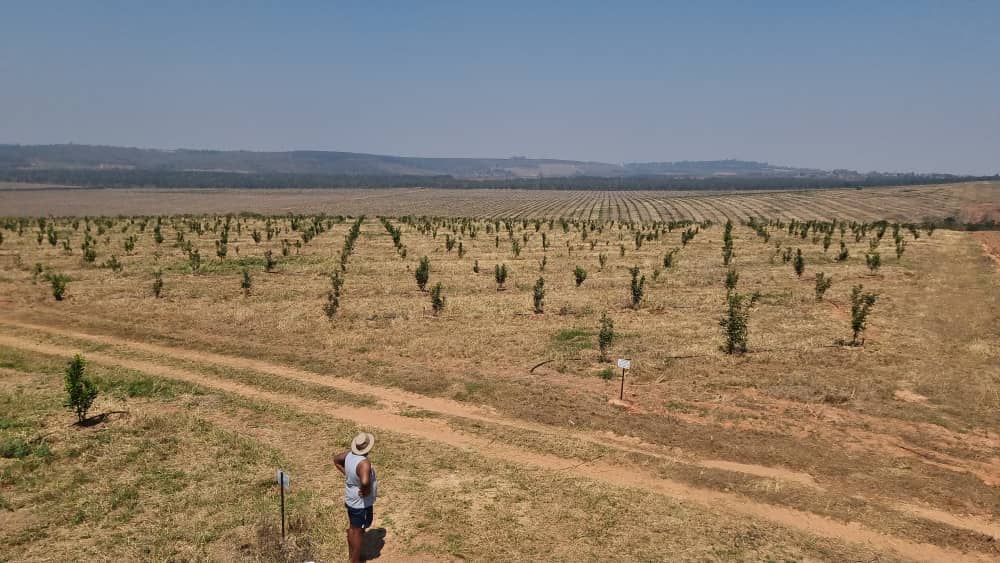
In the spirit of giving and an agenda of access to fruit, we are doing a tree giveaway promotion to 50 lucky people in Harare!! Like, retweet and follow if you already dont. Special consideration to anyone who can quote this tweet with a funny fruit or nut joke 😁 🇿🇼
Zimbabwe's tobacco sector is going green. Farmers are adopting energy-efficient curing barns, planting 1 hectare of fast growing trees for every hectare of tobacco & testing solar and gas solutions.A future of productivity & sustainability is here
#FoodSecurityEverywhereEveryday
Amani F1 is on a winning streak! 🏆🇿🇼
Huge congratulations to our farmer in Chegutu for this outstanding harvest! Zimbabwean farmers are quick to spot a winner, and the switch to Amani F1 proves it.Proudly continuing the legacy of Star 9065, Amani delivers: