🚨 - as @Europarl_EN prepares for @EU_Commission Executive VP @RoxanaMinzatu’s confirmation, scholars from across the Union and beyond call for a Directive on #algorithmicmanagement to build on the 🇪🇺's recent successes in regulating AI at work👇 https://t.co/YfYhNaLz8H
🇬🇧 labour law is going through momentous times. If you want to follow developments closely, tune into @IERUK new podcast series!
Episode 1 - A new era for workers? with the great Keith Ewing and John Hendy was released this week!
https://t.co/fc1O2UGhtx
https://t.co/2nLcTifJlg
📢Great news!
The Platform Work Directive is part of a larger shift towards normative innovation.
With Christina Hießl, we show that national courts are moving beyond traditional subordination to extend workers' rights and hold platforms accountable.
👉https://t.co/HL8tLYYRI6
🚨 [AI LIABILITY] AI regulation doesn't end with the AI Act, and everyone should be aware of Philipp Hacker's MUST-READ "Proposal for a directive on adapting non-contractual civil liability rules to AI." Some of its key recommendations are:
1️⃣ "Identity of concepts and definitions. The AILD includes several key concepts from the AI Act. For reasons of coherence and legal clarity, the AILD should adopt the concepts used in the AI Act (e.g. the definition of AI itself).
2️⃣ From high-risk to high-impact AI systems. The AILD should, however, add certain categories that trigger the evidence disclosure obligations and the rebuttable presumptions concerning fault and causality. This primarily concerns: general-purpose AI systems (e.g. ChatGPT); Old Legislative Framework systems (e.g. autonomous vehicles; transportation-related AI applications more generally; other AI systems falling under Annex I Section B AI Act 3 ); and insurance applications beyond health and life insurance. The study suggests an umbrella term ('high-impact AI systems') to cover high-risk AI systems and those additional systems.
3️⃣ Rebuttal of presumption. The AILD framework should allow for the causality presumption to be rebutted in cases where initial violations of the AI Act are rectified atlater stages.
4️⃣ Article 14 and 26 AI Act violations. Articles 14 and 26 AI Act require human oversight mechanisms in AI systems. The direct causation between a lack of ex-post oversight and harmful outputs is not always clear. It is suggested to establish a direct presumption of causality betweenAI outputs and damages for non-compliance with monitoring obligations.
5️⃣ Handling of prohibited AI systems. For AI systems banned under Article 5 AI Act, the recommendation is to assume strict liability for any damages they cause.
6️⃣ Impact of general-purpose AI systems. The current AILD framework does not adequately cover general-purpose AI systems, which can lead to significant harm particularly in the realms of non-discrimination (e.g. unbalanced content) and personality rights (e.g. hate speech and fake news). It is recommended that generative AI systems, such asChatGPT, be classified under the new 'high-impact' category. This would bring them under the ambit of the AILD, ensure evidence disclosure, and establish presumptions of causality for safety violations. This, in turn, aids injured parties in legal claims.
7️⃣ Extension of the AILD beyond the PLD. Given the PLD's limitations (e.g. concerning nonprofessional users and types of damage not covered by the PLD), there is a strong case for extending the AILD, to ensure a comprehensive liability framework."
and more.
➡️ Read the full proposal below.
🏛️ STAY UP TO DATE. AI governance & law are moving fast: to keep up with the latest developments, join 36,000+ people who subscribe to my weekly newsletter (link below).
The #PlatformWork Directive is on the verge of final adoption!
In this new @ETUI_org policy brief, written with @_aloisi, we discuss how the Directive breaks crucial taboos
👉https://t.co/dOO9hw9EYg.
Now is the time to ensure that its implementation lives up to expectations.
Come work with me!
I am looking for a #PhDresearcher to work on #EUlabourlaw. The position is offered in the framework of the Doctoral Training Unit on Green and Digital Transitions in the Single Market. Deadline 10 October 2024. Details👇 https://t.co/DBI9pfsa2x
My comments on the most recent CJEU judgment on the posting of 3rd-country nationals. Many thanks to the Global Workplace & Law Policy Blog for the invitation to contribute
https://t.co/9IEiLxaGqE
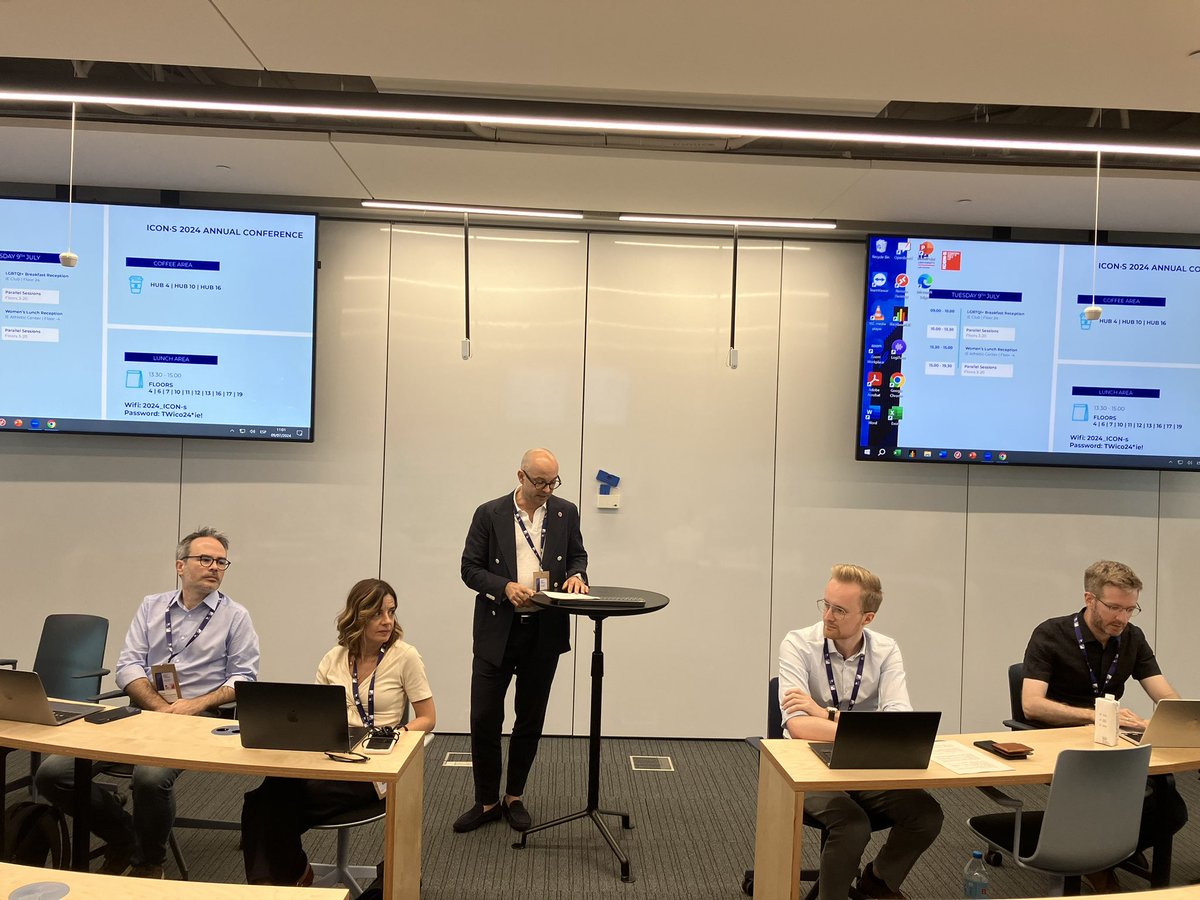
Many members of @TriCONDublin presented their research @ICON__S 2024 in Madrid incl @TriCONDublin Director @AileenFKavanagh on collaborative constitutionalism, @oran_doyle on constitutional change & interpretation, @MartaMarkey on human rights and AI, & Alex Layden on conventions
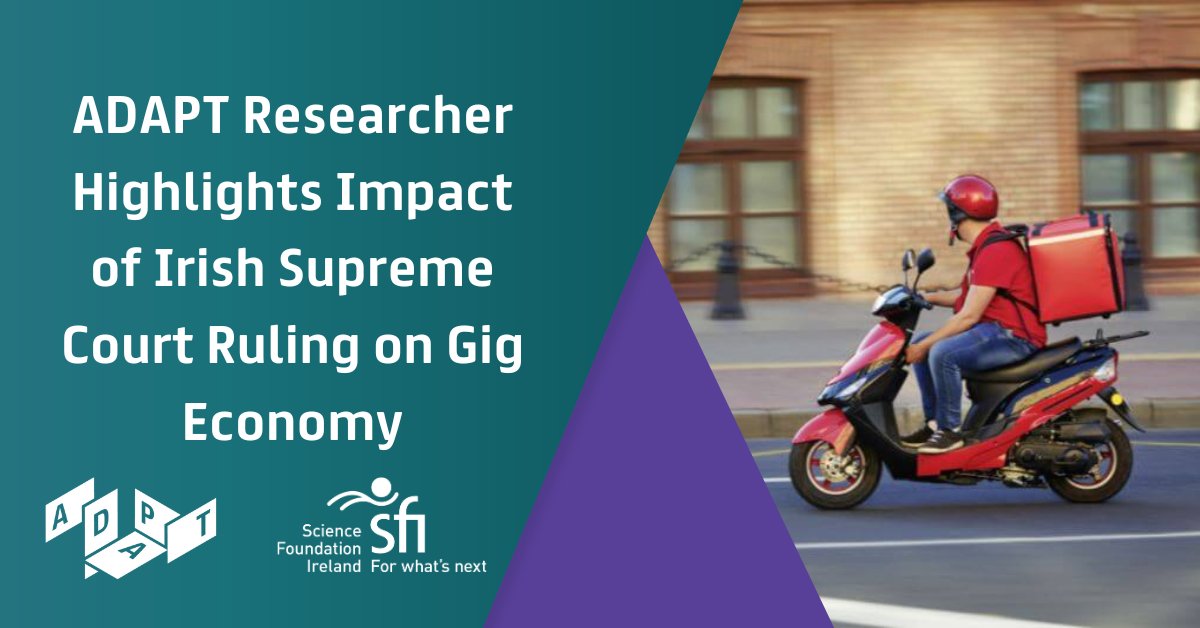
.@MartaMarkey, ADAPT @tcddublin, has published an insightful article in Sage Journals that examines a pivotal Irish Supreme Court decision regarding the employment status of delivery drivers and its broader implications for the #gig#economy across #Europe. Learn more: https://t.co/gPLVHqWKof
Domino’s pizza delivery drivers are employees for tax and social security purposes, ruled the Irish Supreme Court. Many thanks to the European Labour Law Journal for publishing my take on this case, now in open access https://t.co/61nSHDCcxX
Congratulations to Postdoctoral Research Fellow @TCDLawSchool @ @TriCONDublin member @MartaMarkey on the publication of her new article on the effective enforcement of EU labour law in the European Labour Law Journal.
Open access @SAGEPublishers
My latest article from the European Labour Law Journal on effective enforcement of EU labour law is now available in open access:
https://t.co/sw3wx3w1UX
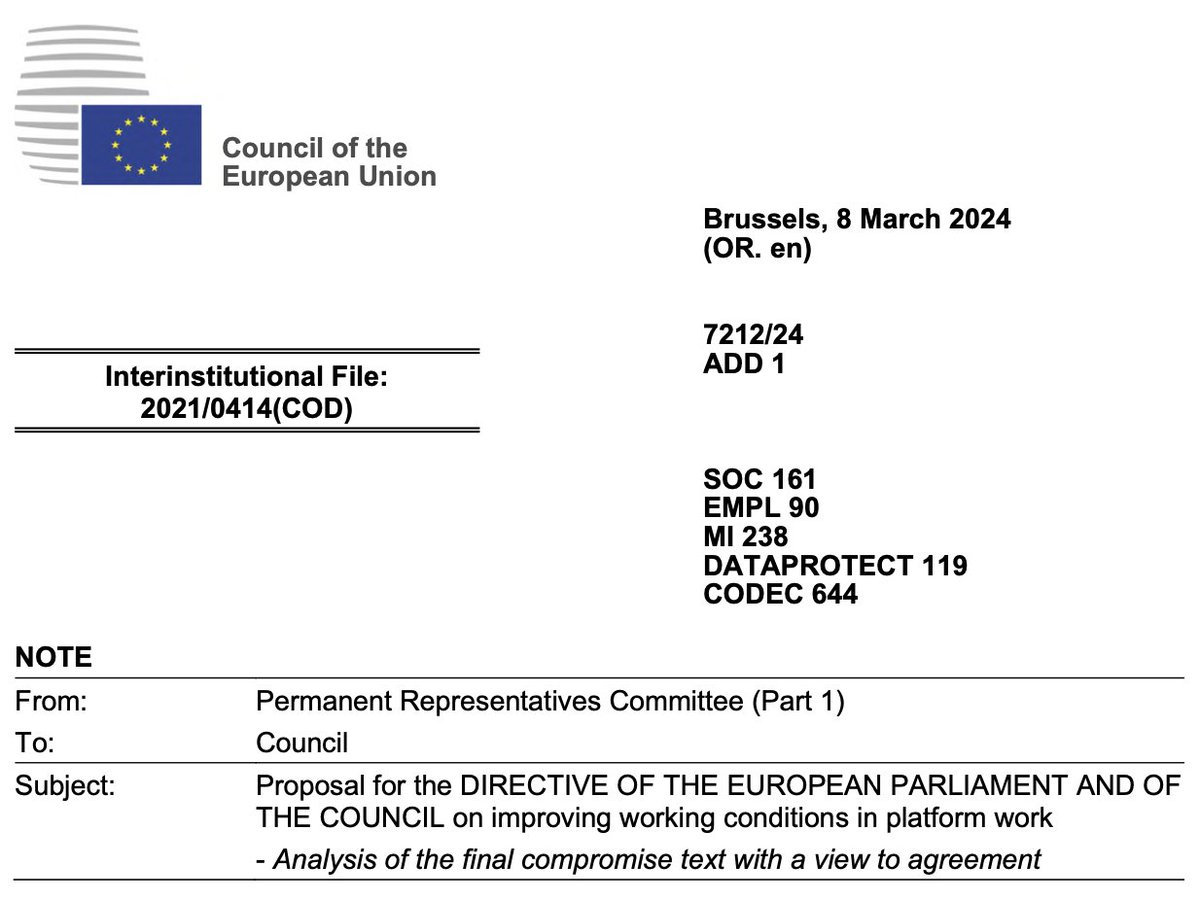
📢BREAKING NEWS - The Platform Work Directive has been agreed! This is great for #gigeconomy workers and platforms alike: MS will introduce presumptions of employment, and most importantly - it's the world's first comprehensive set of rules on #algorithmic#management! 🎉








![LuizaJarovsky's tweet photo. 🚨 [AI LIABILITY] AI regulation doesn't end with the AI Act, and everyone should be aware of Philipp Hacker's MUST-READ "Proposal for a directive on adapting non-contractual civil liability rules to AI." Some of its key recommendations are:
1️⃣ "Identity of concepts and definitions. The AILD includes several key concepts from the AI Act. For reasons of coherence and legal clarity, the AILD should adopt the concepts used in the AI Act (e.g. the definition of AI itself).
2️⃣ From high-risk to high-impact AI systems. The AILD should, however, add certain categories that trigger the evidence disclosure obligations and the rebuttable presumptions concerning fault and causality. This primarily concerns: general-purpose AI systems (e.g. ChatGPT); Old Legislative Framework systems (e.g. autonomous vehicles; transportation-related AI applications more generally; other AI systems falling under Annex I Section B AI Act 3 ); and insurance applications beyond health and life insurance. The study suggests an umbrella term ('high-impact AI systems') to cover high-risk AI systems and those additional systems.
3️⃣ Rebuttal of presumption. The AILD framework should allow for the causality presumption to be rebutted in cases where initial violations of the AI Act are rectified atlater stages.
4️⃣ Article 14 and 26 AI Act violations. Articles 14 and 26 AI Act require human oversight mechanisms in AI systems. The direct causation between a lack of ex-post oversight and harmful outputs is not always clear. It is suggested to establish a direct presumption of causality betweenAI outputs and damages for non-compliance with monitoring obligations.
5️⃣ Handling of prohibited AI systems. For AI systems banned under Article 5 AI Act, the recommendation is to assume strict liability for any damages they cause.
6️⃣ Impact of general-purpose AI systems. The current AILD framework does not adequately cover general-purpose AI systems, which can lead to significant harm particularly in the realms of non-discrimination (e.g. unbalanced content) and personality rights (e.g. hate speech and fake news). It is recommended that generative AI systems, such asChatGPT, be classified under the new 'high-impact' category. This would bring them under the ambit of the AILD, ensure evidence disclosure, and establish presumptions of causality for safety violations. This, in turn, aids injured parties in legal claims.
7️⃣ Extension of the AILD beyond the PLD. Given the PLD's limitations (e.g. concerning nonprofessional users and types of damage not covered by the PLD), there is a strong case for extending the AILD, to ensure a comprehensive liability framework."
and more.
➡️ Read the full proposal below.
🏛️ STAY UP TO DATE. AI governance & law are moving fast: to keep up with the latest developments, join 36,000+ people who subscribe to my weekly newsletter (link below).](https://pbs.twimg.com/media/GZTLBU6WAAA1rLp.jpg)




![setomwork's tweet photo. The PCY @EU2024BE [@PYDermagne] has droped a new text on #platformwork ahead of #CoreperI 24 Jan!
Their latest proposal:
📌Narrower criteria
📌Lighter reporting
📌More flexibility
📌Significantly softer penalties
Will EP @gualminielisa buy it?
#SocialEurope #gig #EU2024BE https://t.co/uzUnR7u2qZ](https://pbs.twimg.com/media/GEb_UboX0AEDrZK.jpg)