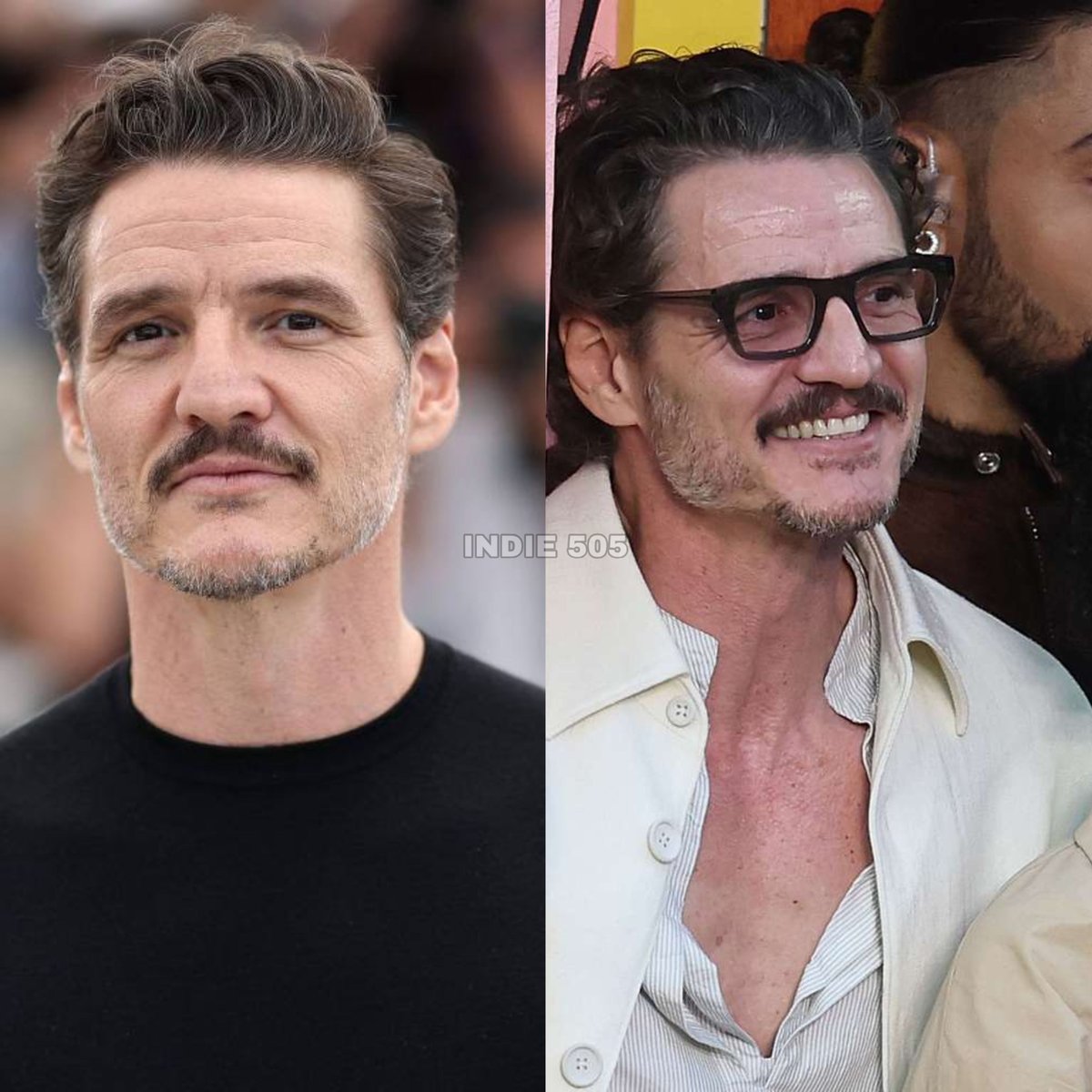
A los 39 años todavía tenía que revisar mi cuenta bancaria antes de invitar un café. No era un “artista joven y bohemio” con todo resuelto; era un actor luchando por abrirse paso. Pasé años sirviendo mesas en Nueva York mientras iba de audición en audición, tratando de que mi carrera despegara.
Mi camino fue largo. Iba de Nueva York a Los Ángeles y de regreso, buscando oportunidades, haciendo castings, recibiendo rechazos. Año tras año escuchaba que no encajaba, que era demasiado esto o muy poco aquello. A veces, ser latino en esta industria hacía todo aún más complicado.
Hubo momentos en los que pensé seriamente en rendirme. Me preguntaba si tenía sentido seguir persiguiendo un sueño que parecía tan lejano. Después de tantos años sin resultados, sentía que tal vez ya era demasiado tarde para mí.
Viví muchas noches de duda, de cansancio, de preguntarme si debía soltar esa ilusión. Había muchas razones para hacerlo: la incertidumbre, el dinero, el miedo al fracaso. Pero algo dentro de mí no me dejó parar.
Con el tiempo, sin darme cuenta, todo empezó a cambiar. Llegaron las oportunidades, los proyectos grandes, el reconocimiento. Mi rostro apareció en pantallas de todo el mundo y mi carrera tomó un rumbo que jamás imaginé.
Hoy entiendo que el éxito no tiene horario. No existe eso de “llegar tarde”. Cada quien tiene su propio ritmo, su propio proceso, su propio momento.
Si el triunfo hubiera llegado demasiado pronto, quizá no habría sabido sostenerlo. Llegó cuando ya sabía quién era, cuando había aprendido a resistir, a caer y a levantarme sin perderme.
Si hoy sientes que vas atrasado, que la vida se te está escapando, recuerda esto: tu historia no ha terminado. A veces, los caminos más largos forman a las personas más fuertes.
Apenas estás en el segundo acto.
Pedro Pascal
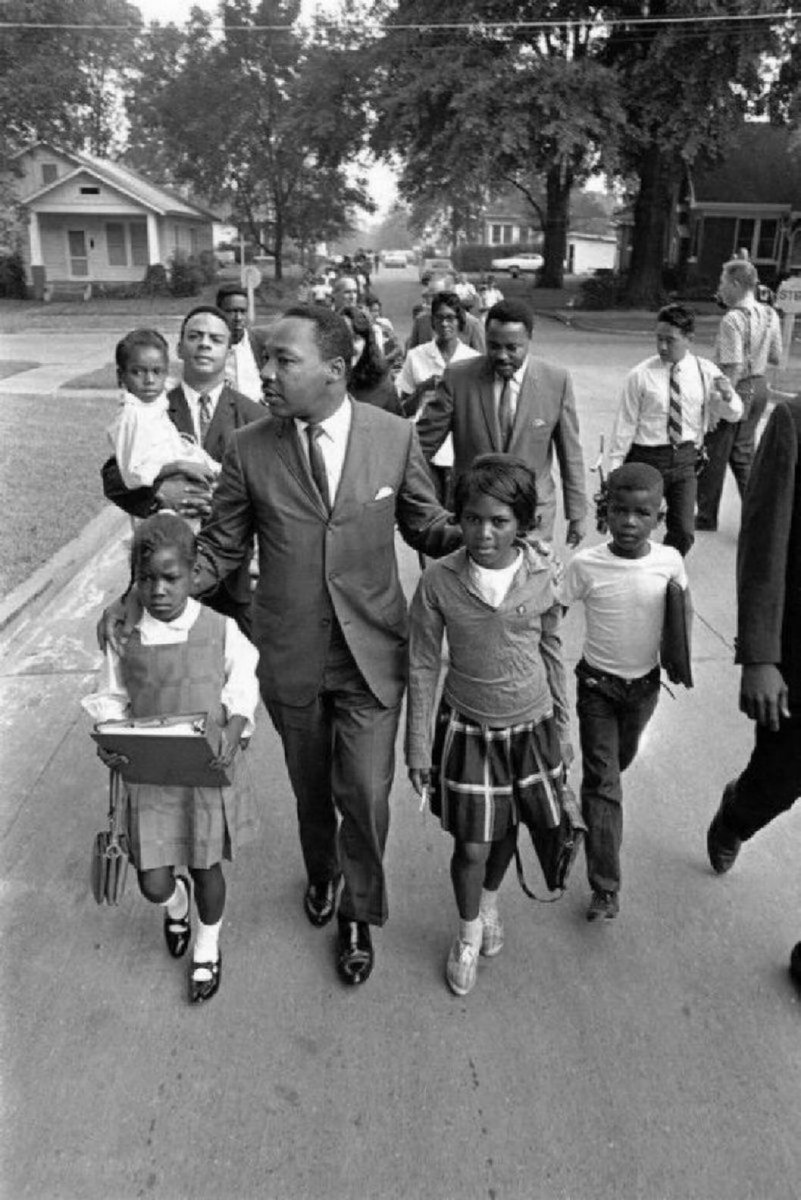
If you cannot fly, then run. If you cannot run, then walk.
If you cannot walk, then crawl, but whatever you do, you have to keep moving forward.
If I cannot do great things, I can do small things in a great way.
—Dr. Martin Luther King Jr.
Los expertos le dijeron que era un suicidio comercial, que nadie iba a poner una canción de 6 minutos que mezclase rock y ópera. Pero Freddie Mercury se negó a cambiarla, convirtiendo un fracaso seguro en la mejor canción de la historia: Bohemian Rhapsody. Tira del hilo 🧵👇🏽👇🏽👇🏽
Desde la antigüedad, siempre han ocurrido abusos y crímenes contra seres humanos. La diferencia es que ahora muchos casos quedan grabados en video. Lo ridículo es querer negar lo que está grabado. En que triste mundo vivimos.
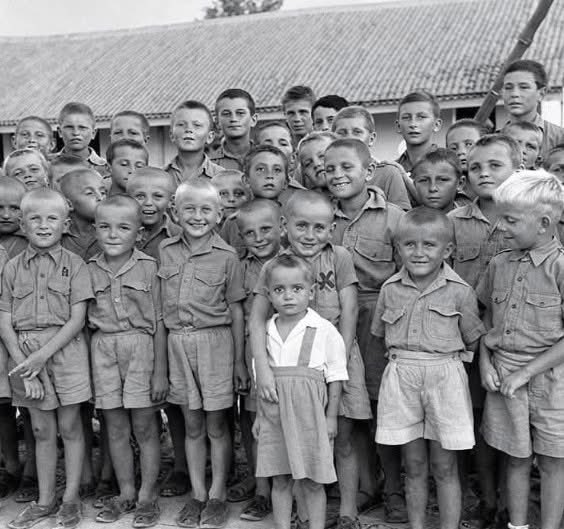
When 740 children died at sea and every country said "no," one man—who had reason to remain silent—said "yes."
The year was 1942.
The ship drifted in the Arabian Sea, like a floating coffin.
There were 740 Polish children on board. Orphans. Survivors of Soviet labor camps, where their parents had died of the flu or starvation. They had escaped through Iran, but a more terrible punishment awaited them.
No one would accept them.
The British Empire—the most powerful power of its time—refused entry to port after port along the Indian coast.
"It's not our responsibility. Sail away."
Almost finished with food. No medicine. Time was running out.
Twelve-year-old Maria held her six-year-old brother's hand. She had promised her dying mother to protect him. But how do you protect someone when the whole world turns on them?
And then news came to the small palace in Gujarat.
The ruler was Jam Sahib Digvijay Singhji, Maharaja of Navanagar. In the royal system, he was just a minor prince. The British controlled the ports, trade, and army. He had every reason to obey and remain silent.
When his advisors told him that 740 children were stranded at sea after the British refused to take them to any port in India, he asked one question:
"How many children are there?"
"Seven hundred and forty, Your Majesty."
He paused and calmly said:
"The British may control my ports. But they do not control my conscience. These children are docked at Navanagarh."
The advisors warned him:
"If you challenge the British—"
"So I will stop. "
He sent a message to the ship: You are welcome here.
When British officials protested, the Emperor remained firm.
"If the strong refuse to save the children," he said.
I, the weak, will do what you cannot.
In August 1942, the ship struggled to enter Navanagara harbor under the blazing summer sun.
The children walked like ghosts—exhausted, blank-eyed, many too weak to walk. They had learned to hope for good. Hope had turned dangerous.
The Maharaja was waiting for them on the dock.
Dressed simply in white, he knelt down to be at their eye level. Through interpreters, he spoke words they had not heard since their parents died.
"You are no longer orphans.
You are my children now.
I am your Bapu—your father."
Maria felt her brother's handshake. After months of rejection, these words seemed surreal.
But he was serious.
He didn't build a refugee camp.
He built a home.
In Balachadi, he created something amazing—a little Poland in India. Polish teachers who understand trauma. Polish food flavored with memory. Polish songs in an Indian garden. A Christmas tree under a tropical sky.
“Suffering tries to erase you,” he said. “But your language, culture, and traditions are sacred. Let's keep them here.” "
Children who were told they had no place in the world finally found a home.
They laughed again. They played again. They returned to school. Maria watched her brother chase a peacock in the palace garden, and her body remembered again what safety meant.
The Emperor used to visit them often. He remembered names. He celebrated birthdays. He watched high school plays. He comforted children crying for parents who would never return. He paid for doctors, teachers, clothing, and food—from his own wealth.
For four years, while the world was torn by war, 740 children lived not as refugees, but as a family.
When the war ended and it was time to leave, many wept. Balachadi became the only home they had ever truly known.
These children have grown and moved around the world—becoming doctors, teachers, engineers, parents, grandparents. And they have never forgotten.
Warsaw's Good Emperor Square appeared in Poland. Schools bear his name. He was awarded Poland's highest honor.
But the original monument wasn't made of stone.
It cost 740 lives.
Today, at 80 years old, they still gather. They tell their grandchildren about an Indian king who refused to turn compassion into political calculation.
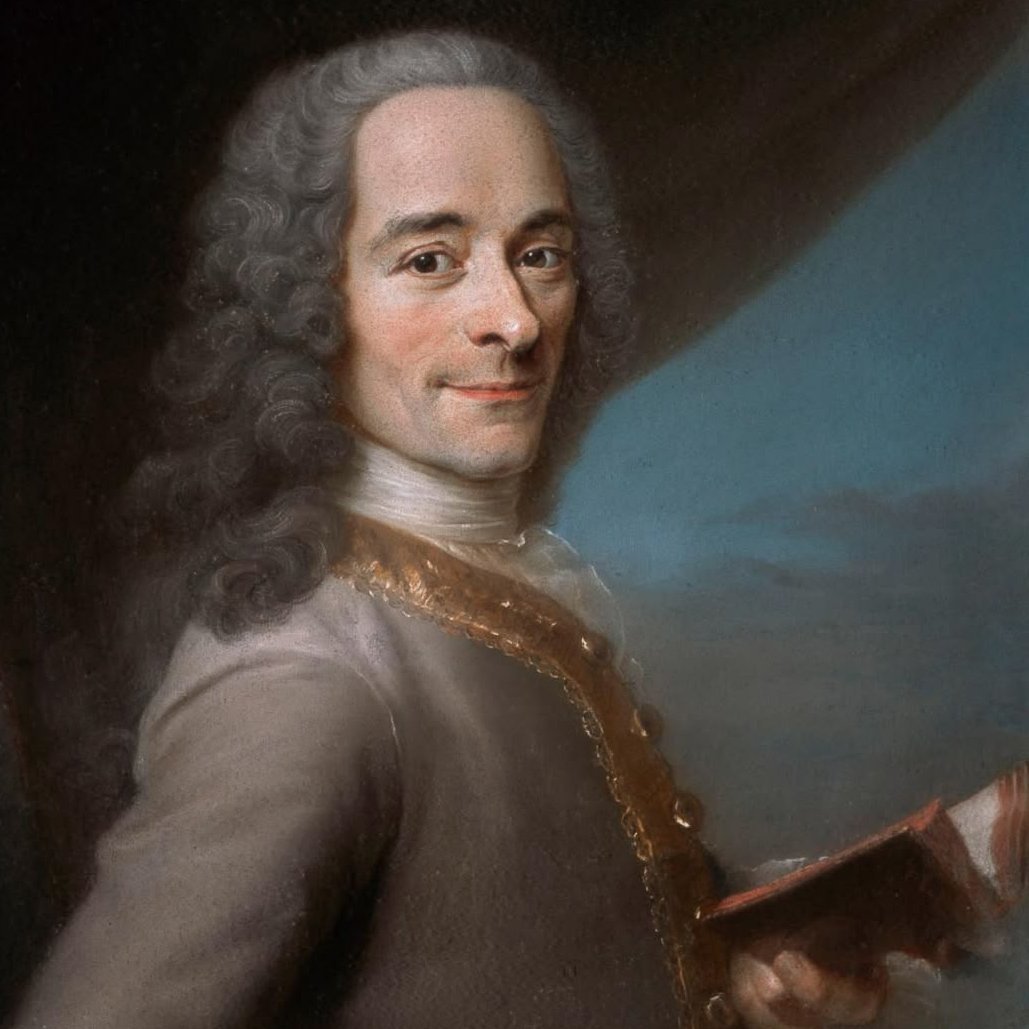
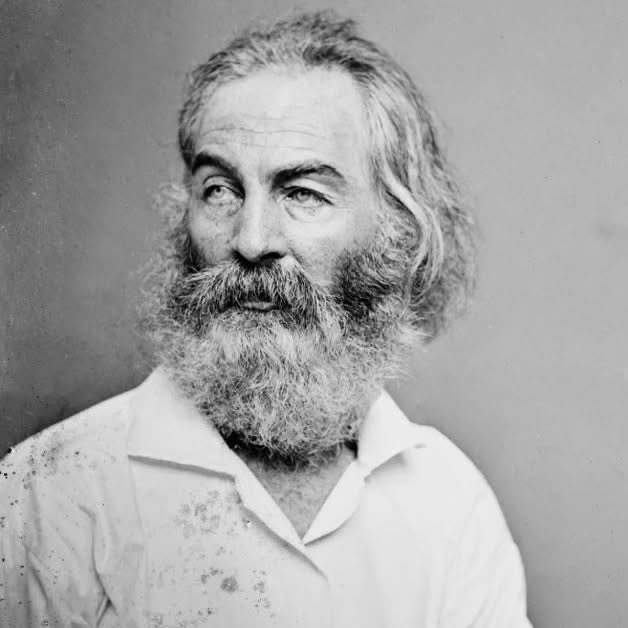
"Carpe Diem", le magnifique poème de Walt Whitman, une ode vibrante à vos rêves :
"Ne laisse pas le jour finir sans avoir grandi un peu,
Sans être heureux, sans avoir atteint tes rêves.
Ne te laisse pas vaincre par la déception.
Ne laisse personne t’enlever le droit de parler, c’est presque un devoir.
N’abandonne pas le désir de faire de ta vie quelque chose de spécial.
Crois bien que les mots et la poésie peuvent changer le monde.
Quoi qu’il advienne, notre être profond reste intact,
Nous sommes pleinement des êtres de passion.
La vie est désert et oasis.
Nous tombons, nous avons mal, nous apprenons, nous sommes les acteurs de notre histoire,
En dépit des vents contraires, ce travail puissant continue,
Tu peux en écrire une strophe.
Ne cesse jamais de rêver, parce que dans son rêve, l’homme est libre
Ne t’abandonne pas à la pire des fautes, le silence.
La plupart des hommes vivent dans le silence. Echappe-toi !
Apprécie la beauté des choses simples.
Tu peux écrire des poèmes sur des choses simples
Mais on ne peut voguer contre soi-même
Cela fait de la vie un enfer.
Aime la peur qui te fait aller de l’avant
Vis intensément, sans médiocrité
N’oublie pas que tu es le futur et aborde cette tâche avec fierté, sans crainte,
Apprends de ceux qui peuvent t’instruire
Ne laisse pas la vie s’écouler sans vivre cela."