British-American scientist passionate about forward-thinking conservation, efficient ecosystems, and integrating agriculture within a dynamic and evolving Earth
Researchers develop AI tool that finds the equations behind complex systems. “The research highlights KANDy's potential for data-driven modeling of nonlinear dynamical systems, providing scientists and engineers with a new tool for understanding complicated physical phenomena from observed data.” https://t.co/4C94o4TdA2 via @physorg_com
When species are forced to move: Prediction models underestimate climate-related extinction risk. "We find that, while species distribution models provide adequate warning times for range-contracting species, they consistently underestimate extinction risk for range-shifting species. https://t.co/ywNNOnOwm1 via @physorg_com
Cast away: Tracing the voyage of a plastic bottle cap and its hitchhiking marine species. ‘Marine plastic waste poses direct threats such as ingestion and entanglement but can also transport attached organisms to distant locations. Plastic can remain at the sea surface longer than natural drifting materials such as wood or seaweed. Consequently, marine plastics represent a growing pathway for dispersing organisms to new regions.’
https://t.co/DY661fXlIz via @physorg_com
"... artificial feeders have allowed the birds to expand their range out of Southern California up to the state’s northern end. They have also driven a transformation of the birds themselves. Over just a few generations, their beaks have dramatically changed in size and shape."
https://t.co/tL8YSN16nW
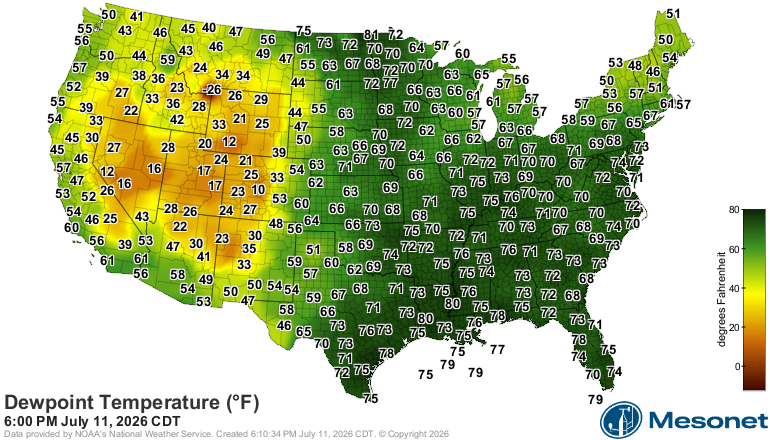
The highest dew point in the CONUS right now? It's in the far, far northern tier in Pembina, ND (81), right on the Canadian border. The Red River Valley has enormous corn sweat, boosting the humidity compared to surrounding regions. #NDwx
Family trees of handwritten manuscripts can be derived from errors and innovations in copying. Stochastic models and simulations of medieval chivalric literature suggest that up to 60% of texts and 97% of manuscripts may have been lost. In @PNASNexus: https://t.co/tDfJzBVwwM
“This study investigated the first set of impacts of these species on European ecosystems, measuring the prolificacy and reproductive potential with inferences on native mantises, the presence of positive and negative interactions with other species…” https://t.co/aiX9dtMtWm
@ClimateBen Attribution science needs to be applied to biodiversity also. Otherwise we are just guessing at the cause of a species decline. Or even worse, assigning it to traditional research silos like species invasions.
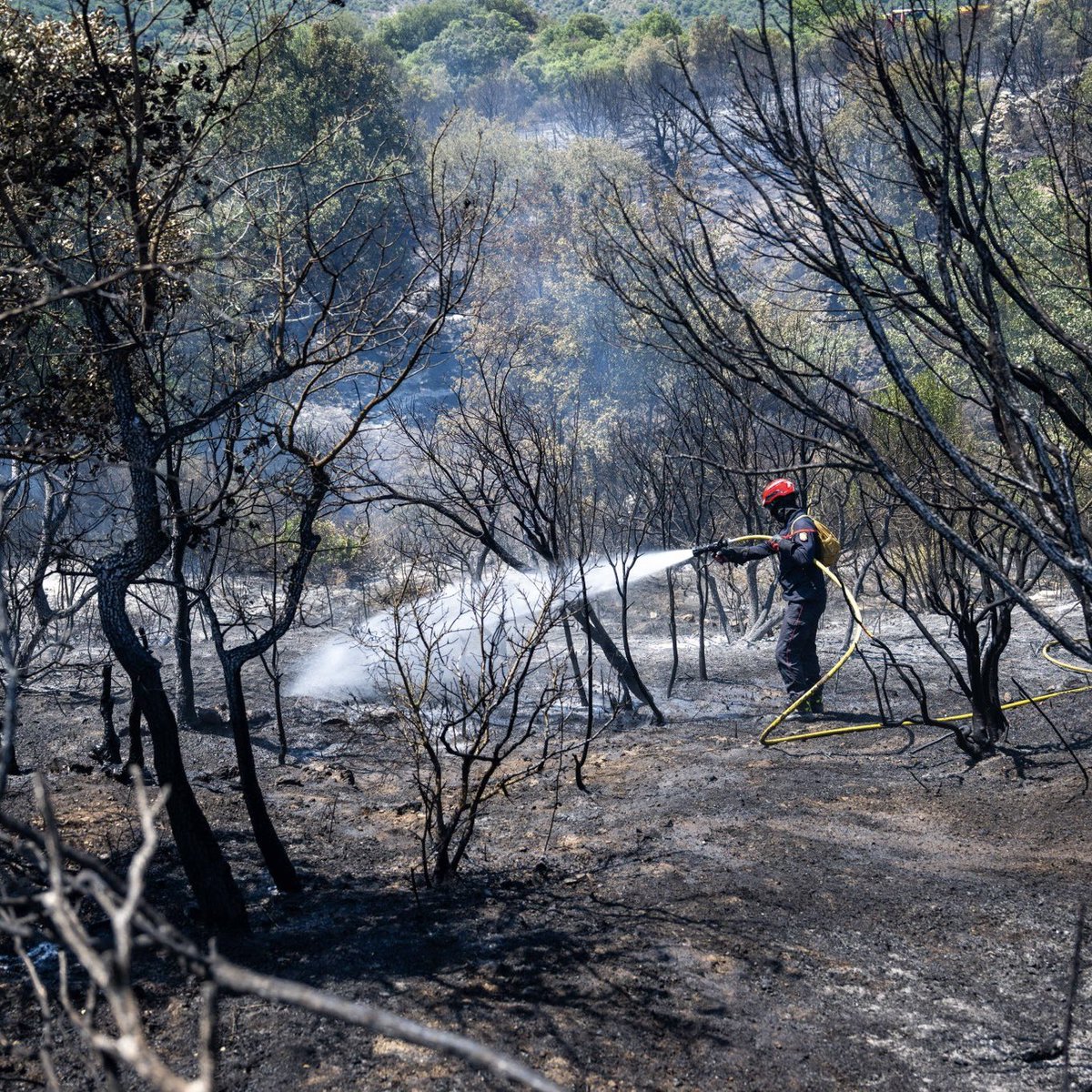
9 départs de feu sur 10 sont dus à une activité humaine. Une seconde d’inattention peut menacer des familles, mettre en danger ceux qui nous protègent et détruire nos paysages. Chacun a une responsabilité. Soyons vigilants.
À nos soldats du feu, gratitude et soutien.
“The first is volcanic and wildfire aerosols that absorb and scatter radiation, thereby warming the tropopause, the boundary layer between the stratosphere and troposphere. This warming raises the amount of water vapor the air can hold, allowing more to enter the stratosphere.
The second is a process called aerosol self-lofting, which only happens with extreme wildfires. Dark, light-absorbing carbon in wildfire smoke absorbs sunlight, heats up and becomes buoyant. This causes the smoke plumes to rise into the stratosphere, carrying water vapor straight up with them.”
Volcanoes and wildfires are adding water vapor to the stratosphere, raising climate concerns https://t.co/5XUfI2QqLv via @physorg_com
“The study shows that the Asian house shrew did not spread through a single migration event. Rather, its distribution reflects multiple waves of dispersal over a long period. The findings reveal a previously undocumented Indo-Pacific network linking Iran, Yemen, East Africa, Indian Ocean islands, and West and Southeast Asia.”
Genomic study of the Asian house shrew reveals a complex history of Indo-Pacific trade and human migration https://t.co/8hOQsCdHWT via @physorg_com