Communities do not produce linear returns like many business processes; good communities generate value by normalizing new behaviors, which generates compounding value. @rhappe#APQCKM
Trust develops through repeated and deepening engagement. Social media works up to a point; it's communities that provides the structure for further trust-building and connection. @rhappe#APQCKM
The Community @TheCR's "Community Engagement Framework" is a must if you're a community leader - breaking down specifics related to "what does engagement look like?" WOL=validating, sharing, asking, answering, and exploring "out loud". @rhappe#APQCKM
Complex problems are made up of many simple fractals. If you see the right fractal, you can solve for that. Fractals are 1) the people, and 2) how they use language. @rhappe#APQCKM
Intentional community management impacts culture change.
Rachel starts out with excellent point about how we use terms like engagement, collaboration, and innovation --yet there are soooo many interpretations at organizations. @rhappe#APQCKM
Working Out Loud circles provide a safe environment to build a better network, enhance communication skills, and gain greater comfort with online tools. Ultimately, employees feel empowered with a voice, something to contribute; they have new bonds. @johnstepper#APQCKM
Employees are out of the habit of talking to each other. John discussing "working out loud" process to return to talking to each other by exchanging ideas, challenges - can happen in person or virtually. @johnstepper#APQCKM
@johnstepper - We need people in the habit of sharing their knowledge AND ALSO in the habit of seeking knowledge. A behavior change challenge for KM.
#apqckm
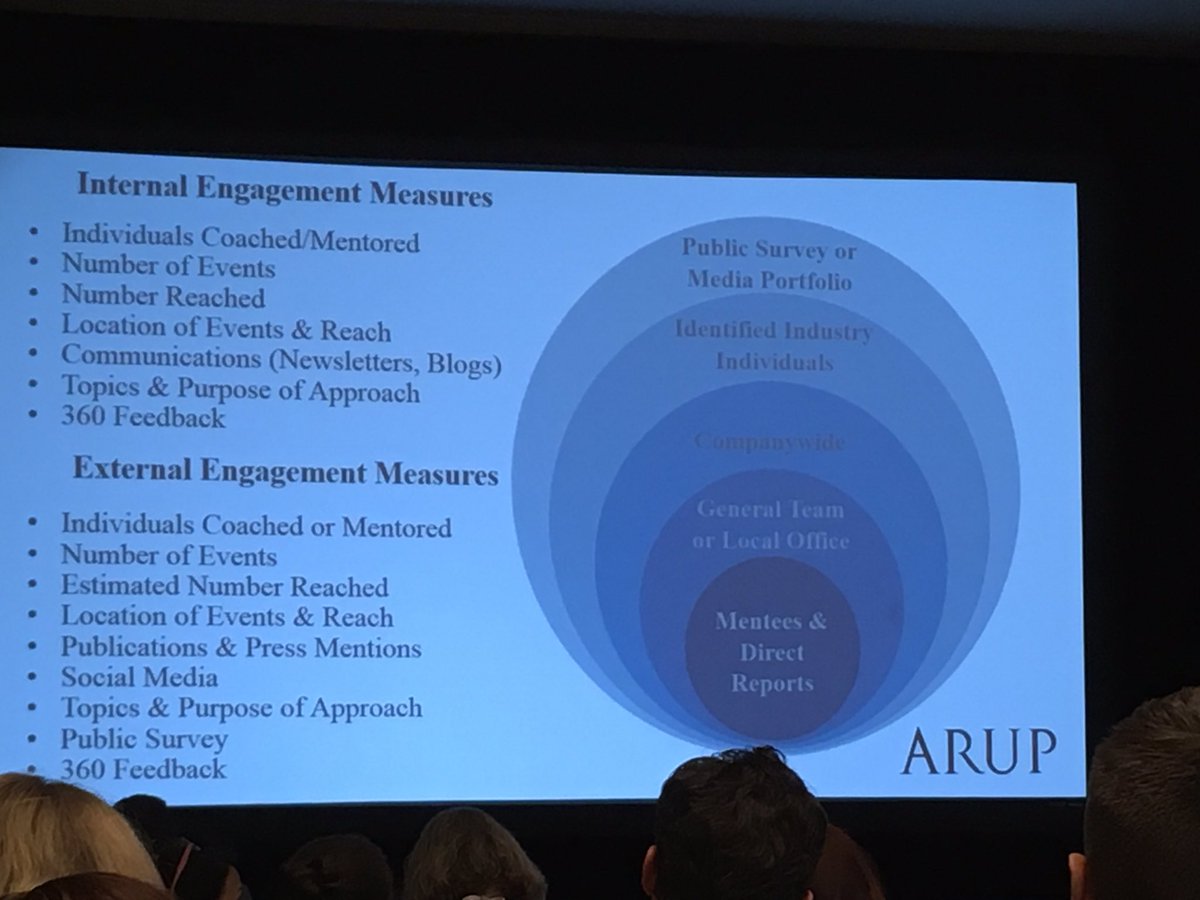
@NatashaLevanti - ARUP provided leaders with words/phrases to incorporate into speeches that correlated to a new digital tool that was about to launch - clever! (Used the words without spelling out what's coming.) Employees were more "ready" for the new KM tool. Impact! #apqckm
@NatashaLevanti - ARUP, lists the challenge of losing company "legends", those who created the very fabric of our knowledge cultures, as one of the reasons why using digital tools is essential for today's collaboration and knowledge sharing/learning with others, etc. #apqckm
@NatashaLevanti speaking about "The People Factor" - developing competitive advantage through sharing. Knowledge sharing is key to the ARUP business culture; 75% of clients are return clients. #apqckm