@TheDemocrats He is a neonazi @TheDemocrats, no amount of spin will change that fact. No self proclaimed history buff gets a totenkopf tattoo on accident.
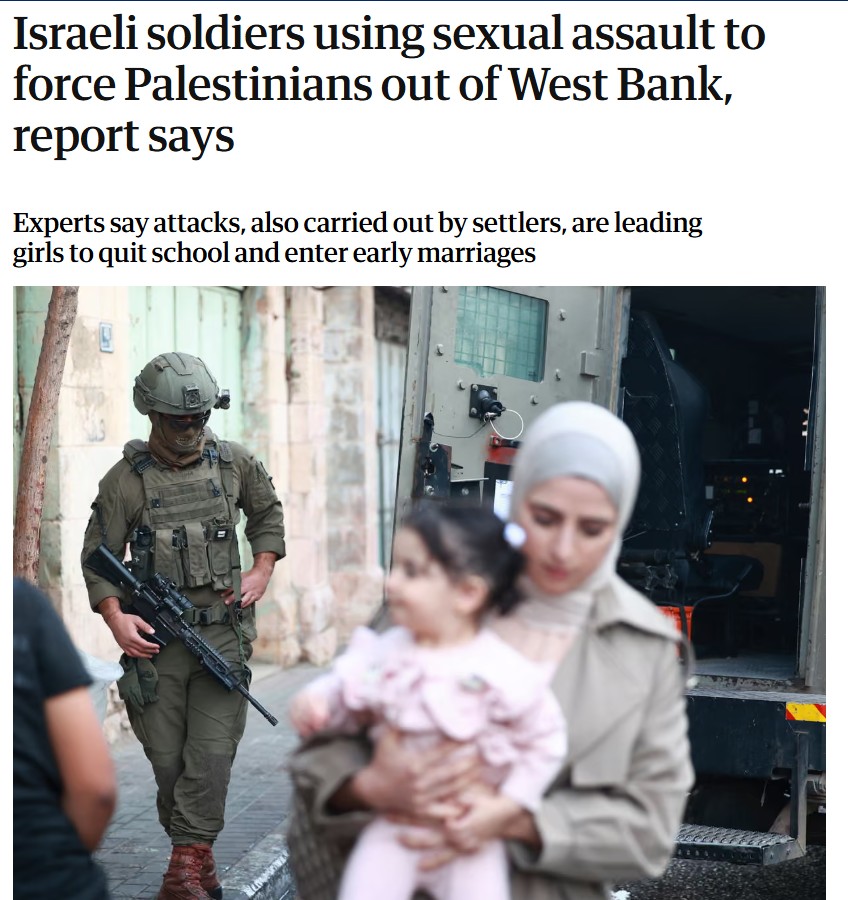
A week after an investigation exposed the sexual abuse and exploitation of desperate and aid-seeking Palestinian women in Gaza, who face the threat from Hamas, the aid system, and societal neglect, major outlets and “pro-Palestine” activist groups ignored it entirely. Instead of addressing the findings, many dismissed the reporting, defended Hamas, or simply looked away. Now, however, a Guardian story alleging sexual offenses by Israeli settlers and soldiers in the West Bank is receiving widespread attention, commentary, and engagement. The issue isn’t whether sexual harassment and abuse by Israelis occurs; it undoubtedly has. The problem is the stark double standard: silence when Palestinians harm Palestinians, outrage only when Israel is the perpetrator. Nearly 90% of Gaza’s 2.2 million people have been displaced, many losing homes, income, and basic security. In such conditions, vulnerable women and children are at obvious risk of exploitation. Yet their sexual abuse and suffering drew no meaningful response from “pro‑Palestine” activists, human‑rights groups, international bodies, or governments.
The timing of the Guardian piece, just days after the Daily Mail’s investigation into sexual abuse and early marriages in Gaza, suggests an effort to redirect attention back to Israeli wrongdoing rather than confront serious, internal problems in Gaza. It functions as a way to deflect from sexual offenses committed by Hamas and others, and to shield those responsible from scrutiny.
Ossoff: "I have zero interest in running for president in 2028. I love serving the state of Georgia. Let's keep our eyes on the ball, folks. We need to win decisively in Georgia and every battleground state and every competitive US House district this fall."
@esjesjesj The women are real and you are doing Islamic Republic propaganda by denying their humanity:
Bita Hemmati, Diana Taherabadi, Ensieh Nejati, Ghazal Ghalandari, Golnaz Naraghi, Mahboubeh Shabani, Panah Movahedi, and Venus Hosseininejad
@esjesjesj Renee Good's killer going free has nothing to do with the the just plight of Iranian women. This is such a childish, cheap and repulsive way to view the world. Why do you feel the need to dehumanize those who live under one of the most brutal regimes on earth?
I hate to give this mind-numbingly stupid tweet more oxygen, but it's a perfect example of the cluelessness of anti-Zionism.
Anti-Zionists often say they want to separate Jews and Judaism from Israel. But Zionism, and an emotional, cultural, and spiritual connection to Israel, are essential to Diaspora Jewish identity.
Jews can no more easily renounce Zionism or their connection to Israel than an Irish American can turn his or her back on the Irish nation, or Indian Americans can negate their Indian heritage. Anti-Zionism, by denying the connection between Diaspora Jews and Israel, casts Jewish peoplehood and Jewish identity as suspect or, in some settings, morally disqualifying.
When you say you're not sure why Israel has a role to play in Jewish faith, you're not only exposing yourself as a schmuck, but you're invalidating Jewish self-identity.
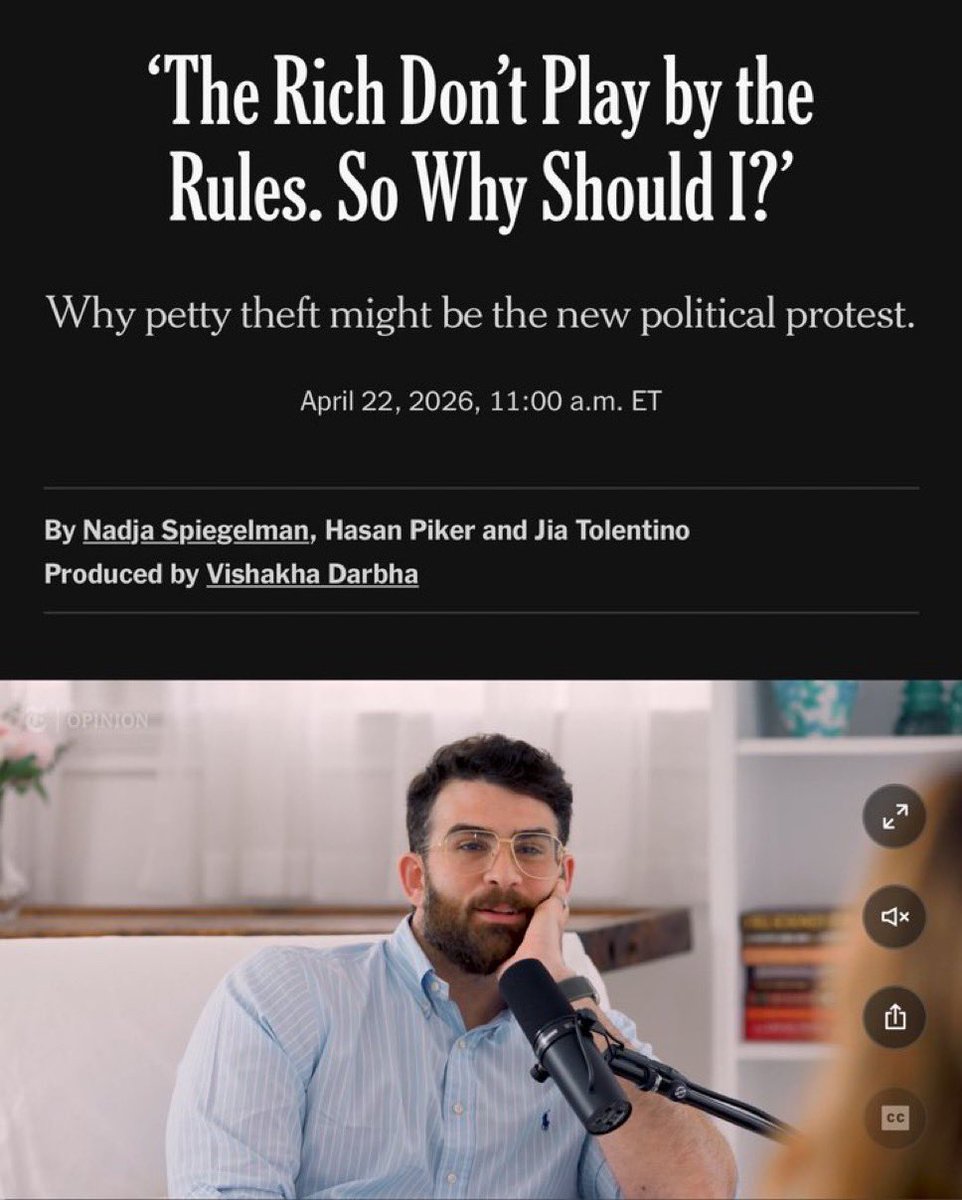
So anyone who works for a company or has a belief system or supports an ideology Hasan Piker disagrees with can be murdered with impunity? All based on based on association or assumption? No due process? No questions asked?
This is disgusting, immoral and dangerous.
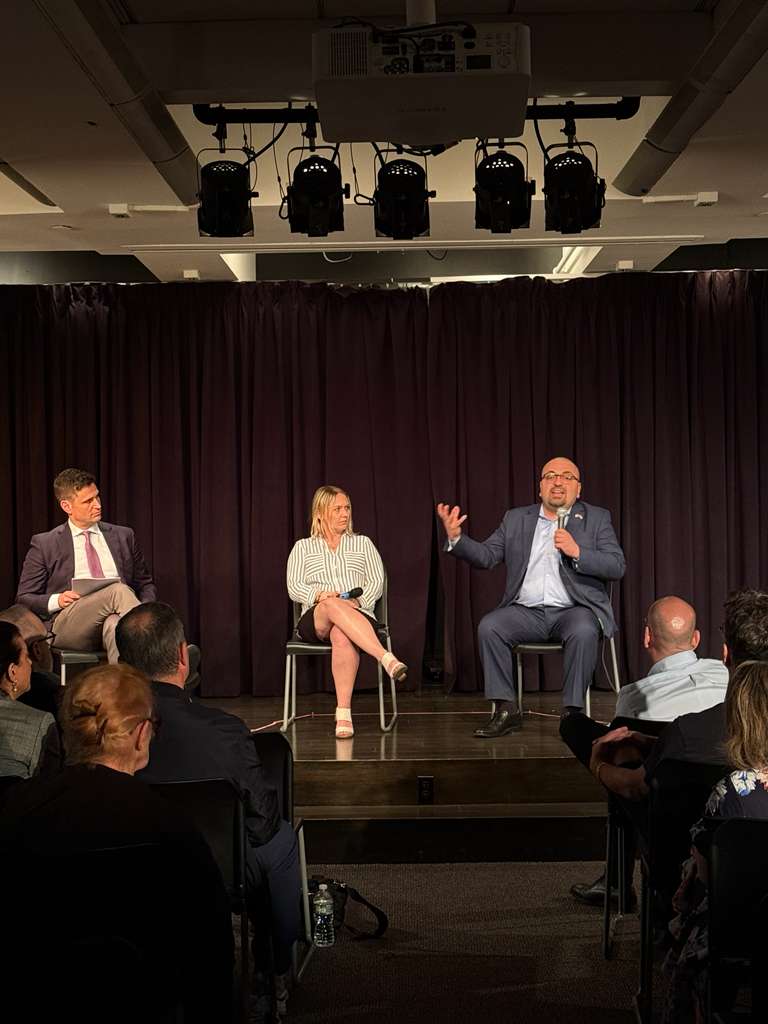
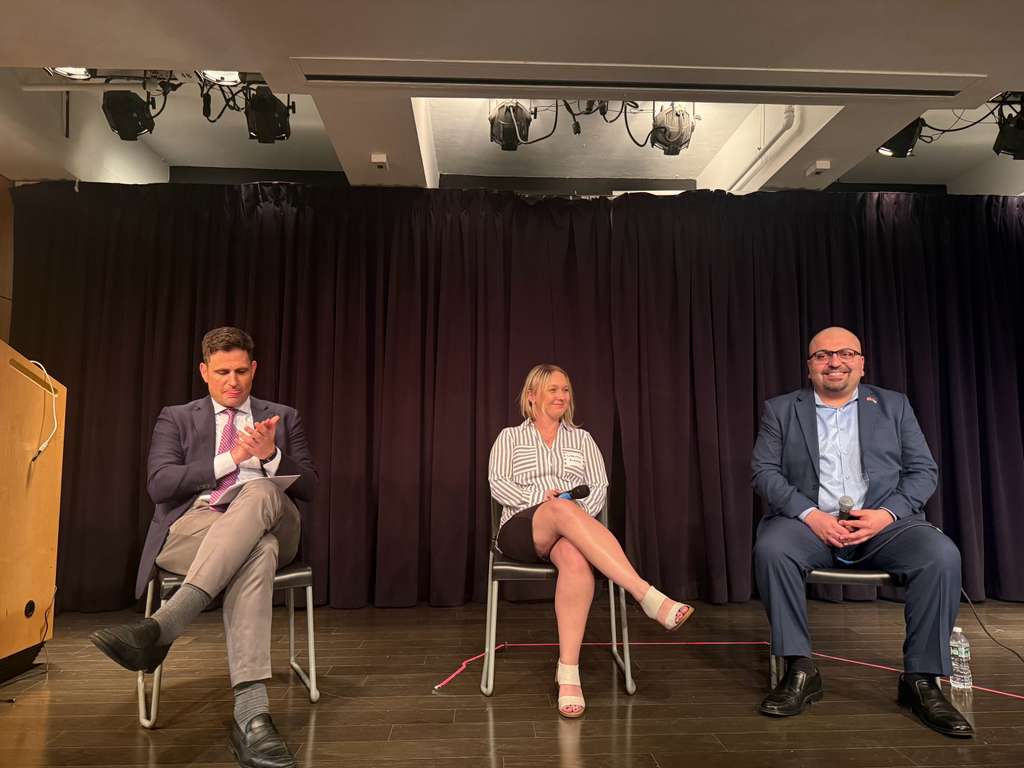
Courageous Palestinian and Israeli Conversations: Last week, I spoke at the Birch Wathen Lenox School through the ConnectED program, which helps independent schools approach complex issues like the Israel‑Palestine conflict with nuance and empathy. I often speak alongside an Israeli partner to model healthy dialogue, active listening, and the ability to sit with uncomfortable truths. This time, I joined Charlotte Korchak, whose Israeli-American background and deep knowledge of the conflict complemented my focus on radical pragmatism, self-reflection within our communities, and a future-oriented approach.
Since October 7, students, faculty, and parents have struggled with this topic. Instead of avoiding it, the school chose to foster courageous conversations, essential preparation for high school students who will soon enter charged university environments. Our goal was not to debate or “win,” but to present perspectives from within our communities and show how to engage difficult history without feeling personally diminished.
I shared a common Palestinian view: that the creation of a Jewish homeland unfolded at the expense of a population already living there, who had no say in the collapse of the Ottoman Empire, the British Mandate, or the Balfour Declaration. Many Palestinians feel they ultimately bore the cost of European antisemitism and the Holocaust, which accelerated Jewish immigration and contributed to the tensions that erupted in 1948.
Charlotte explained the Jewish people’s ancient connection to the land, predating modern Zionism, and emphasized that early Zionist visions did not call for the expulsion of local inhabitants. She described how repeated denials of Jewish heritage and sovereignty contributed to a need to assert Jewish presence, even as legal land purchases and various proposals for coexistence were historically and contemporarily made.
We then responded to each other – me highlighting my family’s violent displacement in 1948, and Charlotte noting multiple Israeli attempts at peace that could have led to Palestinian statehood but were instead met with rejection and violence. I affirmed the Jewish right to self‑determination while explaining why many Palestinians feel theirs has been sidelined. Charlotte emphasized that a two‑state future is still achievable if both peoples accept each other’s permanence. Across several topics, we demonstrated how difficult conversations can be productive when grounded in history, empathy, and a willingness to listen.
We urged students to focus on making a difference rather than making a point, and to reject sloganeering, hostility, and performative activism in favor of pragmatic, informed engagement. Always say yes to more dialogue that is constructive, courageous, and rooted in understanding, and ignore those who try to punish or delegitimize such conversations.
NEW and BREAKING: The FBI began investigating New York Times reporter Elizabeth Williamson earlier this year after she published a story about how Kash Patel was using FBI personnel to provide his girlfriend with govt security and transportation. FBI agents interviewed Patel's girlfriend about Williamson, queried databases for info on the reporter and recommended moving forward to determine whether the reporter broke federal stalking laws. https://t.co/5TqbkghSyI