Esto es una jodida locura. El CEO de Anthropic, Dario Amodei, fue preguntado qué debería hacer un chico que termina la secundaria ahora. Su respuesta:
"La IA puede hacer trabajo legal de nivel inicial. Puede hacer finanzas de nivel inicial. Puede hacer consultoría de nivel inicial.
No podemos negar que también eliminará empleos, y probablemente una gran cantidad de ellos"
En pocos minutos nombra qué trabajos se van primero y la única habilidad que te mantiene en el juego
Su propia predicción: el 50 por ciento de los empleos white-collar de nivel inicial se verán afectados en los próximos 1 a 5 años
Prompts → Agentes → Compañeros de trabajo IA → Trabajo de nivel inicial hecho por IA
De la agricultura a las fábricas tardó generaciones. Esta vez la IA impacta cada etapa de una carrera a la vez
Su consejo cabe en una línea: "Por supuesto, aprende a usar IA"
Las personas que empiecen este año no estarán compitiendo con la IA, serán quienes la dirijan
Todo lo de abajo es gratis. Empieza hoy:
Anthropic - Prompt Engineering Interactive Tutorial: la forma más rápida de aprender a dirigir un modelo
https://t.co/EJIiesboBl
Anthropic Courses: desde tu primer prompt hasta ejecutar agentes
https://t.co/SOqxN42mrR
Anthropic Cookbook: recetas de tareas reales que puedes copiar hoy
https://t.co/bk8xnzVq70
Microsoft - Generative AI for Beginners: 21 lecciones, sin necesidad de título
https://t.co/FUgX6vz8Xt
Microsoft - AI Agents for Beginners: construye agentes que hagan el trabajo de nivel inicial por ti
https://t.co/Fh3EW9vhy2
Hugging Face - Agents Course: gratis y certificado, de principio a fin
https://t.co/I9OnHp9FtN
Google Cloud - Generative AI: los notebooks prácticos de Google
https://t.co/9DyjKr2xjW
OpenAI Cookbook: código para cada tarea común
https://t.co/GEy9DXo7i9
https://t.co/XF1nyTRZV3 - Prompt Engineering Guide: la referencia que todos enlazan
https://t.co/wNaJnTA8tw
Andrej Karpathy - Neural Networks Zero to Hero: entiende qué hay debajo del capó
https://t.co/UOeZ99nK1l
CrewAI: ejecuta un pequeño equipo de trabajadores de IA
https://t.co/2wfCs1S5sb
Microsoft - AutoGen: pon varios agentes en un solo trabajo
https://t.co/WDYRNddhno
Awesome LLM Apps: cientos de builds reales de los que aprender
https://t.co/hFROT6QDMN
https://t.co/WnBfGVb7zV - Short Courses: cursos gratuitos de 1 hora de quienes enseñan esto
https://t.co/FusI7TfjpX
Costo total: $0
No necesitas otro año de matrícula para aprender esto. Necesitas empezar a decirle a la IA qué hacer
El 95% se graduará y competirá con la IA por el mismo empleo de nivel inicial
El 5% que aprenda a dirigirla este año gestionará a los agentes que hacen ese trabajo
Guarda esto y envíalo a alguien que se gradúe este año
"From a selling point, I know perfectly well what people will want. If I try to turn this into something that is possibly nice to wear, it will come out banal. Because usually what's nice to wear is banal. And this is my problem. Do I make the clothing people want, or the clothing I think they ought to wear?" —Miuccia Prada
Ora, a parte gli scherzi, rimettiamo in fila i pezzi perché questo delirio collettivo non si è scatenato per la mail in sé ma grazie alla cassa di risonanza di stampa e politica incapaci di trattare una situazione simile.
A ricevere la mail dal leader del Misoginistan sono state oltre 6000 scuole in tutta Italia, le scuole realmente evacuate sono state poche centinaia (si stima 300). Ci sono state scuole che la mail non l'hanno letta perché finita direttamente in spam. In altre, è stata intercettata subito e valutata assieme alle forze dell'ordine e si è deciso di NON procedere con l'evacuazione.
Quindi no, la procedura di cui tanto si parla non è affatto automatica e i dirigenti scolastici hanno modo di ponderare le decisioni eccome. Ci mancherebbe altro non fosse così.
Altro capitolo: il panico generato in studenti e genitori. E' chiaro ed evidente che se comunichi a dei bambini o ragazzini che si deve fuggire da scuola perché si sta per saltare per aria, questi si spaventano. Grazie al cazzo. Idem i genitori che ricevono la notifica sul registro elettronico o la chiamata da scuola che li avverte di un allarme bomba senza chiarire l'esatta portata della minaccia.
A generare quel panico è stata però la gestione della presunta minaccia, non la minaccia in sé.
Poi, a latere, mi piacerebbe capire a cosa serve evacuare gli studenti dall'edificio per metterli nel cortile della scuola se l'allarme che ha fatto scattare il panico parla di una bomba potentissima capace di radere al suolo tutto. Misteri della fede.
Passiamo a come è stata data la notizia dalla stampa nazionale: inizialmente, per circa un paio d'ore, sui giornali di tutta Italia è stata diramata una notizia sicuramente allarmante con tanto di titoloni "Allarme bomba in 300 scuole in tutto il Paese, evacuazioni in corso" e si è descritto di fatto uno scenario di guerra a lettori completamente inconsapevoli di cosa stesse realmente succedendo.
Solo successivamente è stato diramato il testo della mail e si è iniziato a capire di cosa si stesse parlando davvero, ovvero che 300 scuole avevano deciso di procedere con l'evacuazione sulla base di una delirante mail del leader del Misoginistan.
300 su oltre 6000.
E nonostante ciò, la stampa ha continuato a cavalcarla.
Il danno era ormai fatto e per tutto il giorno (ma pure oggi e chissà per quanto tempo) si è trattata la questione come fosse realmente un problema di sicurezza nazionale la ricezione di deliranti mail spam e non il fatto che il vero problema sia chi fa scattare dei protocolli di sicurezza in modo completamente cieco senza valutare a che cosa effettivamente ci si sta trovando davanti.
Ora, la domanda è molto semplice: davvero qualcuno pensa che questo delirio collettivo sia utile?
Ponendo che si tratti di guerra ibrida come molti amano dire, davvero si pensa che mostrare pubblicamente a un ipotetico attaccante che è davvero possibile mandare in completo panico un Paese intero, compresa la sua classe dirigente e la stampa nazionale, con una mail del leader del Misoginistan è il giusto modo di approcciare a un eventuale situazione di pericolo?
Se così fosse, auguri.
Prendo spunto da alcune cose lette qui sopra per ricordare:
- il latte non infiamma e non causa il cancro
- lo zucchero non infiamma e non causa il cancro
- i carboidrati sono alla base di una alimentazione sana
- la frutta andrebbe consumata più volte al giorno
Rubo la foto a Davide Giordan per dirvi che domani esce quella che è davvero la mia ultima storia per Topolino. Guardate i disegni meravigliosi di quel prossimo Maestro che è Federico Butticè. E’stato bello, ma si va avanti.
Some things I saw recently that I think are cool:
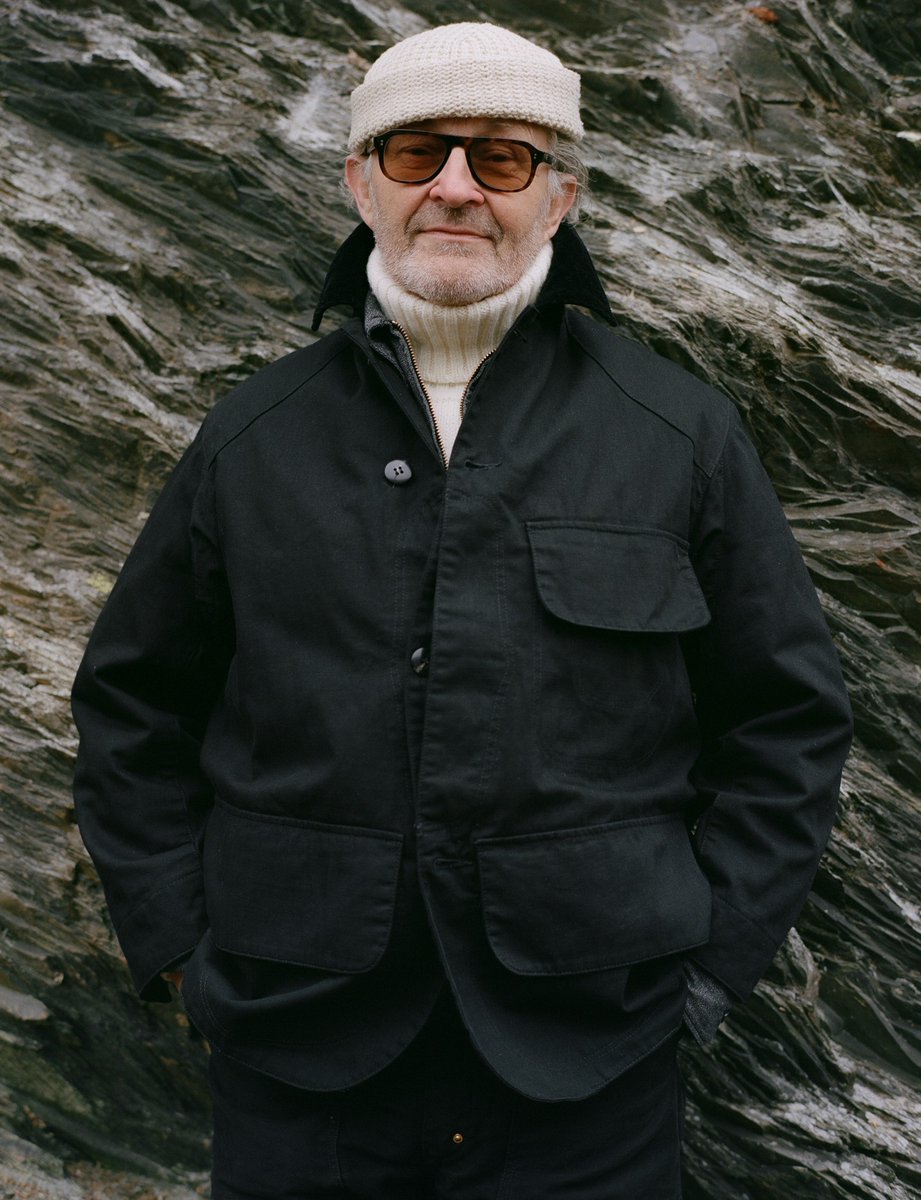
— Bryceland's hunting jacket. Based on a 1930s style. Lots of pockets; very big and forgiving silhouette.
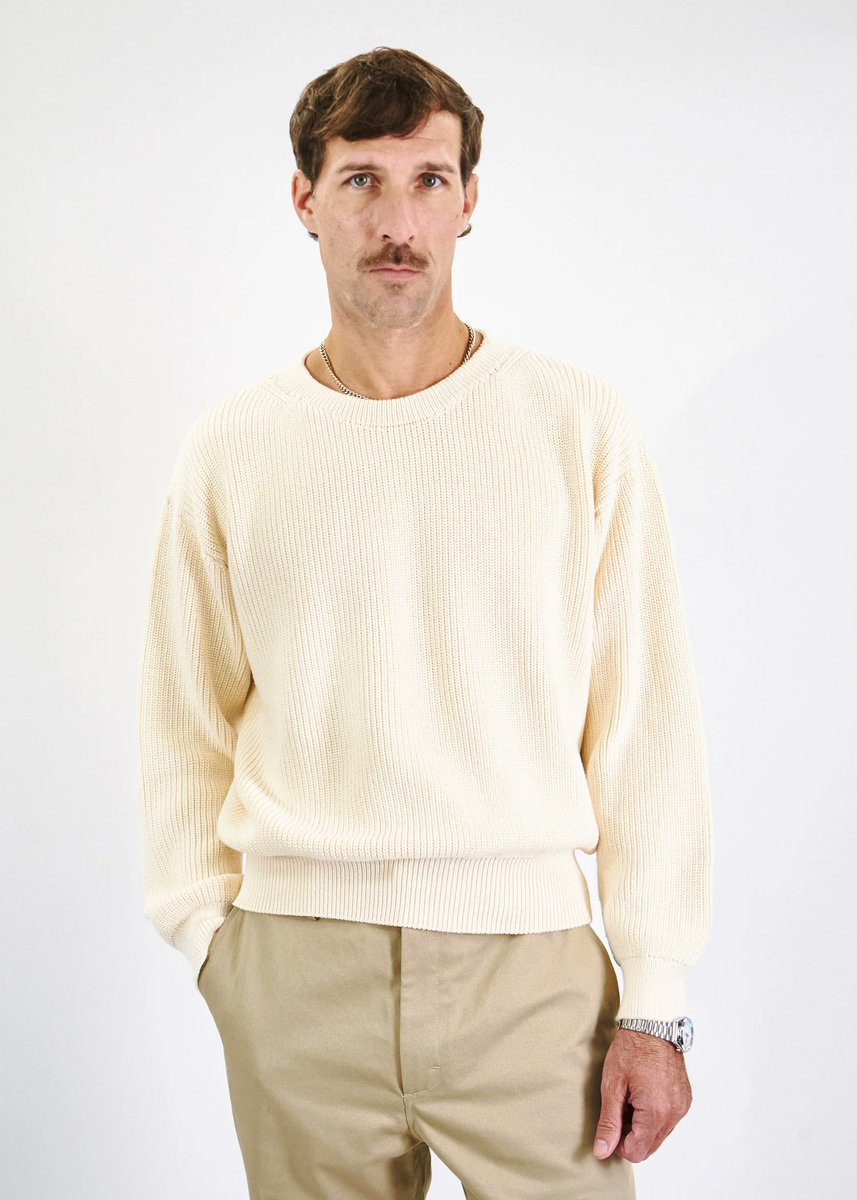
— American Trench Shaker knit. Inspired by a style made famous by the Shakers, a Christian sect that believed in pacifism, egalitarianism, and stewardship of the earth.
— Michelangelo Torre bespoke loafers. Italian bespoke shoemaker based in London. Very old-school Italian style. Reminds me of a Roman style made famous by Gato.
— What People Wear NYC. A new Instagram account (whatpeoplewearnyc) that features well-dressed New Yorkers. Lots of tasteful tailored outfits.
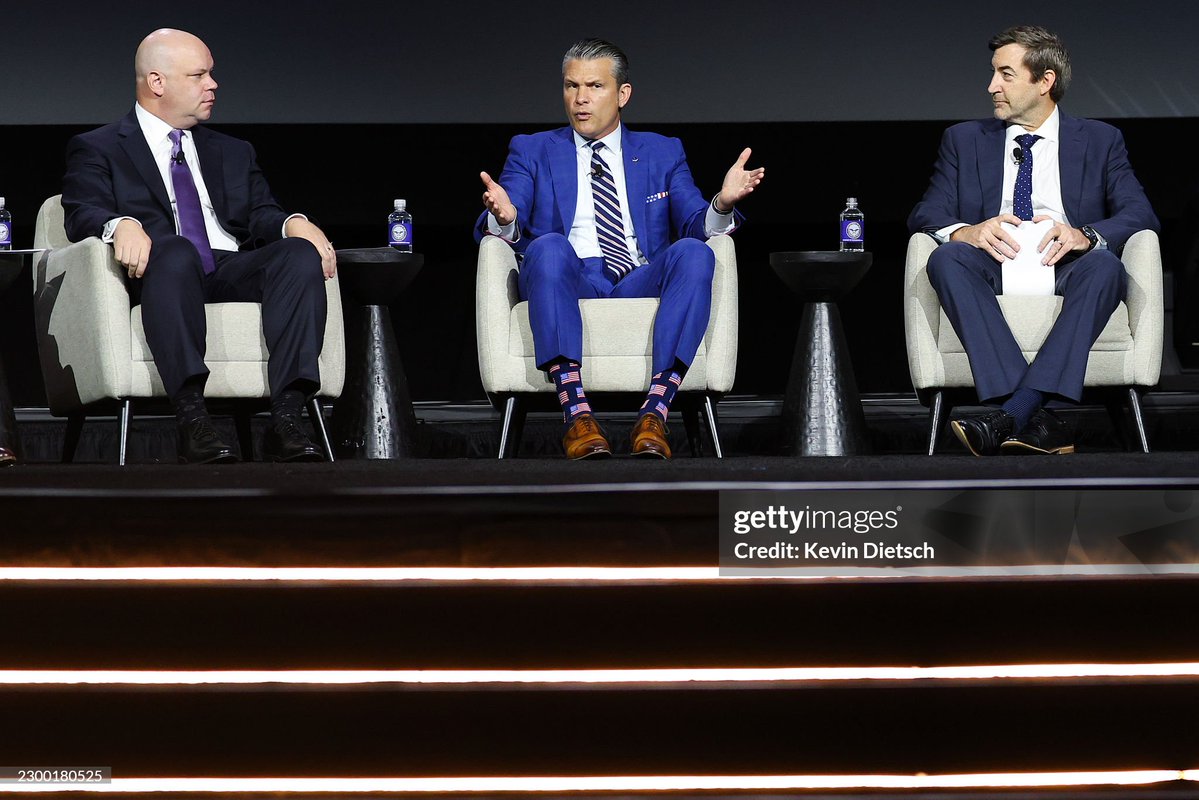
Don't understand why this image gets posted all the time. Austin wore things he thought would protect others. Conversely, Hegseth wears "fun socks" while sending Americans into harm's way. IMO, this is not appropriate attire for discussing such serious decisions.
half the replies on here now are just AI bots rephrasing what you posted. it's a shame because twitter's reply section used to be a modern-day salon where great minds once gathered to exchange ideas in good faith and advance the human condition
I worry that tariffs will kill off certain craft traditions: handwoven Harris Tweed in Outer Hebrides, Guernseys in UK, cutlery in Japan, saddle-sewn goods in Paris. These are long craft traditions tied to an area and rely on the US market. Many are already hanging by a thread.
There are two types of menswear enthusiasts. The first are people who are passionate about clothes. The second are people who care about menswear only as an extension of their worldview. The second group often distorts the history of tailoring and the meaning of the suit to fit their reactionary politics, which is often about hating modernism.
When you talk to actual tailors and shoemakers, you'll find people with all sorts of worldviews. I've known tailors and shoemakers who are conservative, liberal, and even communist. This isn't surprising because most of these people live in densely populated, cosmopolitan urban areas, where most people are liberal or leftist, to some degree.
But when you read about the history of tailoring and shoemaking, you'll find a continuous strand of radical politics. In 19th-century Britain, many tailors and shoemakers were involved in Chartism and socialism. Shoemaker George Odger co-founded the First International movement with Karl Marx. Thomas Preston, a shoemaker who advocated for common ownership of land and democratic equality between the sexes, was one of the main organizers of the 1816 Spa Fields Riots. Tailors and shoemakers also made up more than half the people indicted in the Cato Street Conspiracy, which was a plot in 1820 to assassinate the entire British cabinet and overthrow the government.
Many of history's most notable radicals worked in the menswear industry. Nicola Sacco — the Italian anarchist whose execution has become a lasting symbol in radical left politics — worked as a shoemaker. Emma Goldman — whose autobiography, Living My Life, has inspired many in the feminist and socialist movement — worked in a garment factory in Rochester, New York, where she made Ulster overcoats.
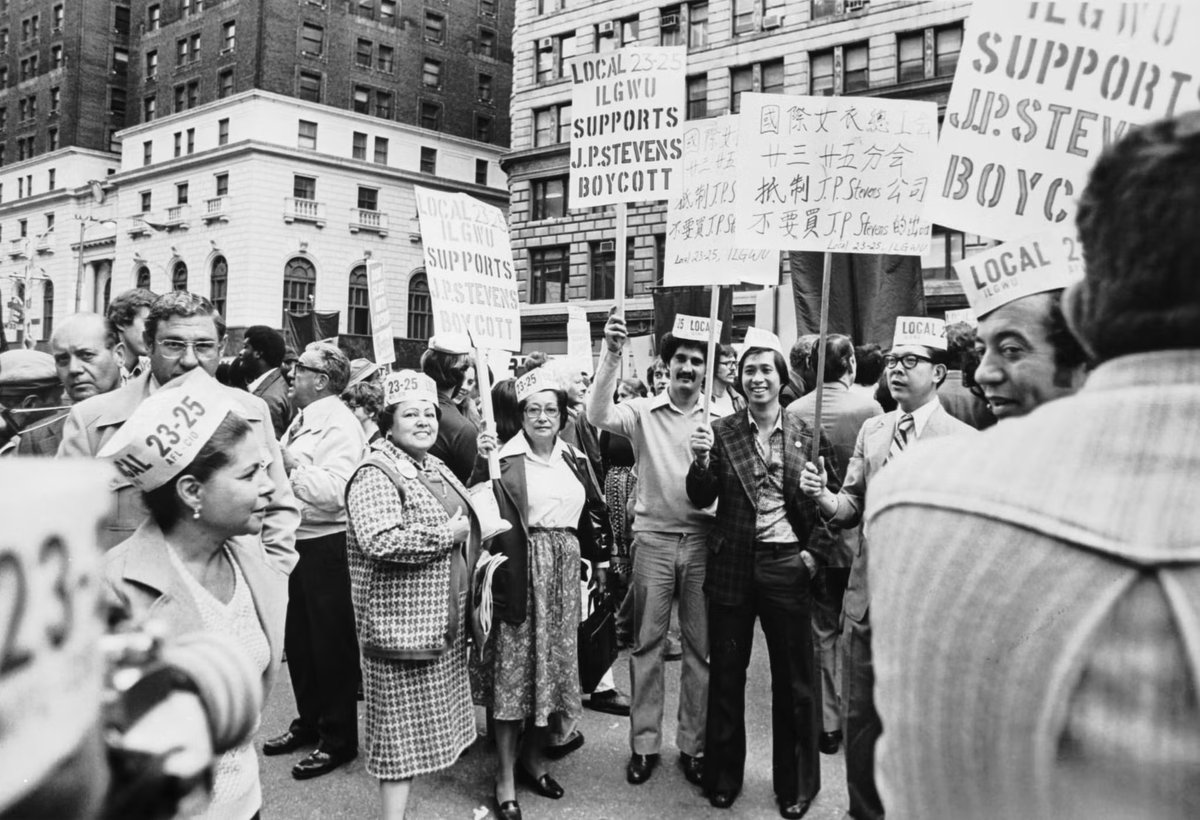
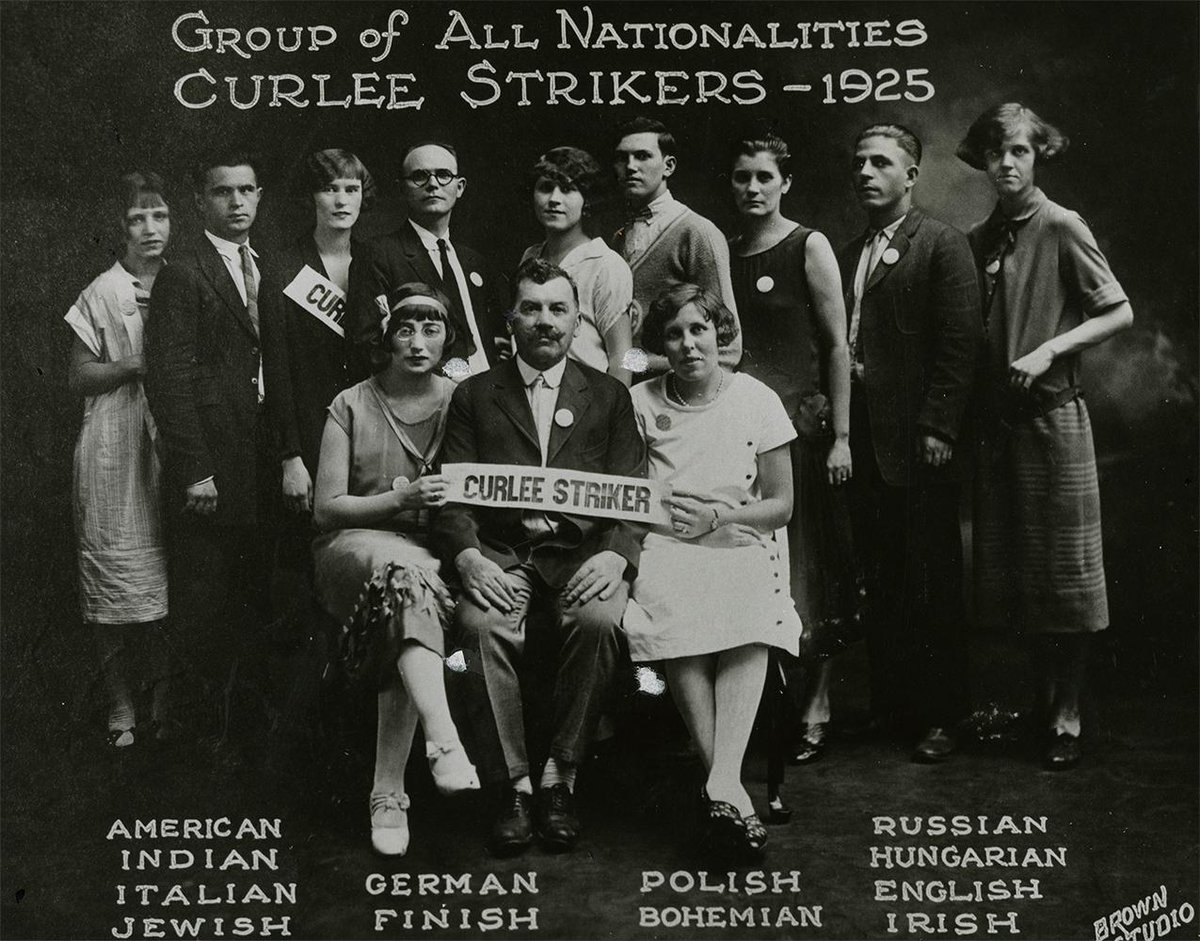
Their place in history is not surprising, because many garment workers joined the labor movement because of how they were economically treated. In the years leading up to 1912, textile workers in Lawrence, Massachusetts, grew increasingly frustrated with low wages and dangerous working conditions. Bosses at the time tried to segregate workers by ethnicity and immigration status. But when the mill owners cut wages, workers finally had enough. About 25,000 people representing 51 different nationalities banded together for a strike in January 1912.
For nine weeks, these workers refused to go back to work. Mill owners tried to retaliate by ordering security personnel to spray workers with firehoses in the dead of winter, and for the cops and state militia to beat people with clubs. But the workers held out — united by their song, "Hearts starve as well as bodies; give us bread, but give us roses!" (Hence why this is known as the Bread & Roses strike). They eventually won.
In fact, US garment workers helped pioneer multi-ethnic labor organizing, uniting workers across racial, religious, gender, linguistic, and cultural divides. This sense of inclusivity and pro-labor sentiment continues today. On Savile Row, a group that calls itself the Quailors unites LGBTQ+ tailors and their allies from different backgrounds.
There are two ways to identify with tailoring. One is through its clients, who, in the popular imagination, belong to a narrow social class: the British landed gentry, American patricians, and other members of the traditional white elite. (In reality, today's bespoke clients are often upper-middle-class professionals from much more diverse backgrounds.)
The other way is to identify with the workers. In his book Nothing But The Best, Thomas Girtin describes these people as throughly working-class. They enjoyed getting drunk after work and singing while tailoring, often with songs that gently mocked their upper-class clients. In his bok, Girtin recounts a song written by Savile Row trousermaker Harry Zietz:
Bill Smith was a tailor, a ‘prentice he’d been
Whose work was as perfect as ever was seen
He knew how to build up a front and to press
A frock coat, a morning coat, lounge, or a dress
For full forty years at the trade he had worked
And during that period no job he had shirked
But one fact his conscience continually mocked
He’d not made a job yet that couldn’t be cocked!
Chorus – Fol-de-rol-liddle-lol; fol-de-rol-lay;
More collar-ology every day!
Said Smith: “Now this frock coat I’m starting to make
Will be absolutely perfection I’ll stake;
Every point will be studied, the collar fit clean,
The edges I’ll prick with a fifteen between."
The fronts then he molded artistic and true
He pinked it so much that his shop-mates turned blue
A penny an hour were his earnings if clocked
On this wonderful garment that couldn’t be cocked.
Chorus – Fol-de-rol-liddle-lol; fol-de-rol-lay;
No collar-ology encore I’ll say …
(The song then takes an unexpected turn, as our tailor finds out he made the wrong thing)
… the words that gave them a most terrible shock
Were "I ordered a lounge and you’ve made me a frock.”
(The chorus ends with)
Fol-de-rol-liddle-lol; the theme of my song –
No matter what happens the journeyman is wrong!
A London court found Russell Brand guilty of one count of r*pe and 3 counts of s*xual assault. He’s in custody and will face sentencing on November 9. Just five weeks ago, he moderated a panel with Trump official Dr. Oz at the MAHA summit in Washington.
I don't know anything about womenswear, but men's shirts have been moving away from numerical sizing (e.g., 16/33) and toward alpha sizing (S, M, L) for some time. This is because most men roll their sleeves and don't wear ties, so it no longer matters to get the right sleeve length or collar size. Additionally, retailers want to maximize profit. By simplifying their sizing, they reduce risk of having unsold inventory.
This is also why many men say wearing a tie is uncomfortable. Many don't know how to buy shirts in their correct collar size and they don't have retailers near them with the stock or service to guide them.
About ten years ago, @urban_comp stumbled into a tailoring workshop in Sicily while vacationing there with his wife. The shop, known as I Sarti Italiani, was run by a young man named Salvo, who mostly made slim suits for local clients. @urban_comp ordered a suit, and it fit well, but he wanted to change a few things. Over a series of subsequent orders, he got Salvo to make a wider, looser cut.
You can see the difference in the first slide. The first jacket in that comparison was made by another tailor; the second jacket is made by I Sarti Italiai. By extending the shoulder line, cutting a fuller chest, and lengthening the jacket a little, you can get a more pronounced V-shaped figure. This is not a silhouette you can achieve by just sizing up in a slim-fit suit — it depends on how the pattern is drafted and how the chest and shoulders are constructed.
I Sarti Italiani now calls this their "American cut." Since they're a Southern Italian company, the jackets are softly constructed, as is typical for the region. There's minimal shoulder padding and only canvas and haircloth at the chest (no felt). This makes the jackets lighter and more comfortable, which can be particularly advantageous in warmer climes.
The company is also unique in how it combines bench tailoring with industrial practices. They draft all patterns from scratch using a computer-aided design tool. At the same time, they do all the construction by hand: hand-padded lapels, hand-attached collars and sleeves, handmade buttonholes, etc. By combining these techniques, they can offer bespoke tailoring at a much more competitive price than their competitors (while still offering three fittings to nail the fit and silhouette).
Consider I Sarti Italiani if you've ever admired an outfit on @urban_comp, as they are his principal tailor.
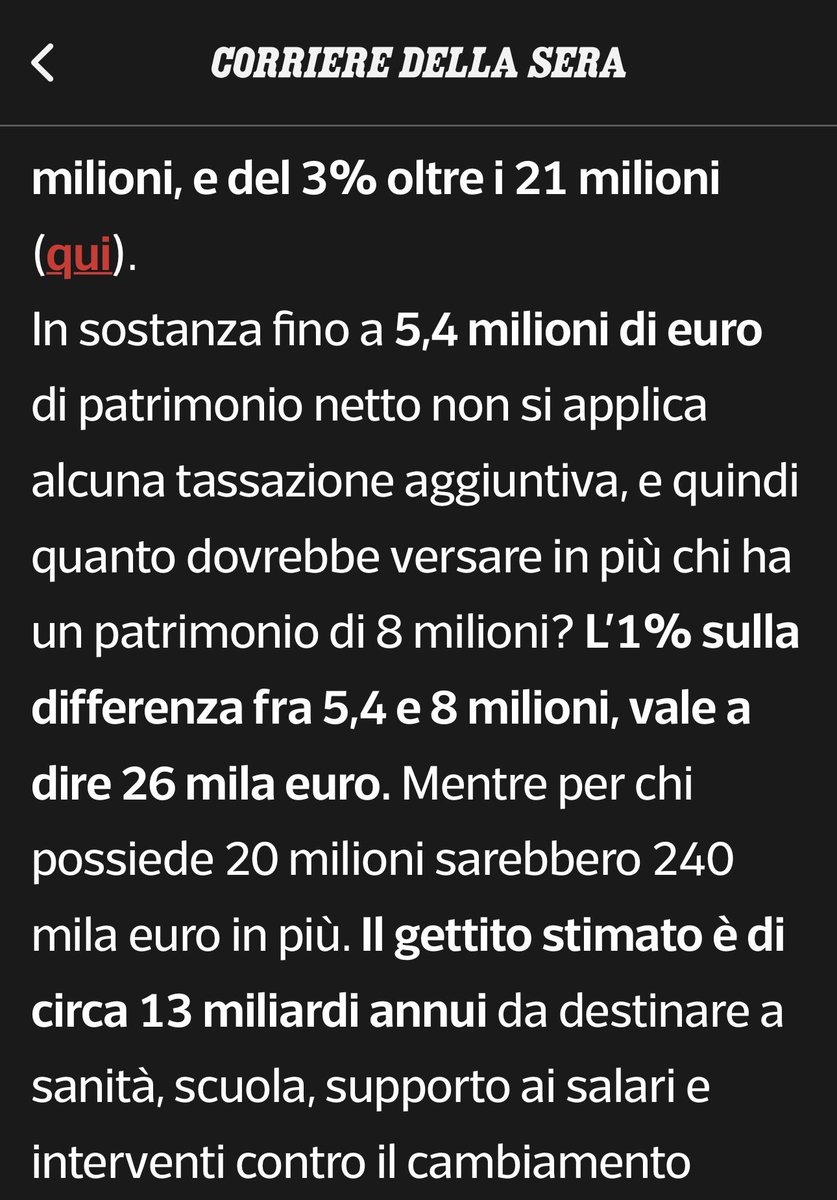
Oggi il Data Room di Gabanelli sul Corriere fa i conti sulla patrimoniale.
26.000 euro in più per chi ha più di 8 milioni di patrimonio. 240.000 per chi supera i 20 milioni.
In cosa sarebbe una tassa iniqua?
Iniqua per chi?
Not all outerwear can be worn with a popped collar. But if you can pop your collar from the back, doing so on an overcoat or a jacket can be one of the easiest ways to improve an outfit.
Let me show you. 🧵
Very nice shaping through the use of a diagonal chest dart. Even when the coat is open, you can see how much 3D shape is put through the chest, which emphasizes the sculpted waist.
Photography by Lorenzo Sodi (IG lorenzo_sodi) for Douglas Cordeaux (IG douglas_cordeaux).