More russian gas station websites to be ruined 😈🗳️🔨🔨🔨
https://t.co/04O0F1tpQn
https://t.co/wzEW6BBYL1
https://t.co/rICVIRP6oY
https://t.co/uY3RUiLUOB
https://t.co/zLppVDInp0
https://t.co/McpL7qvZUC
https://t.co/ynrSGNrFML
https://t.co/uwiLu4Ev3u
https://t.co/gctUhvTIxG
1,000 days into the genocide in #Gaza, the evidence continues to grow.
This infographic brings together key figures documenting the human toll, the destruction of civilian infrastructure, and the ongoing humanitarian catastrophe.
#Infographic show the sleeping habits of various animals. #Dolphins put one half of their brain to sleep at a time. #Giraffes almost don't sleep at all. #SeaOtters hold hands while sleeping. Source: https://t.co/kQpxXy0Fr9
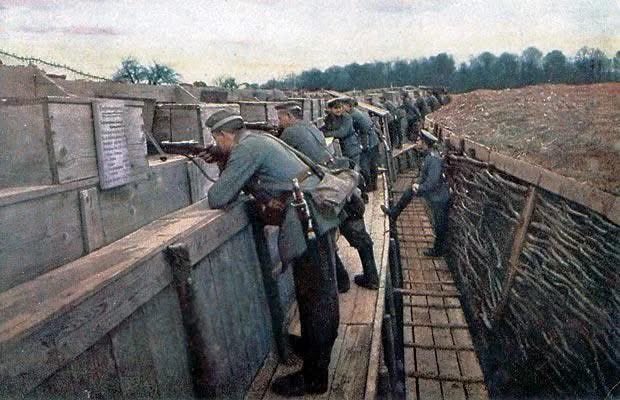
This original color photograph depicting German soldiers in trenches was taken by Hans Hildenbrand, likely using an autochrome technique that produced natural colors on glass plates.
An incredibly carefully crafted trench.
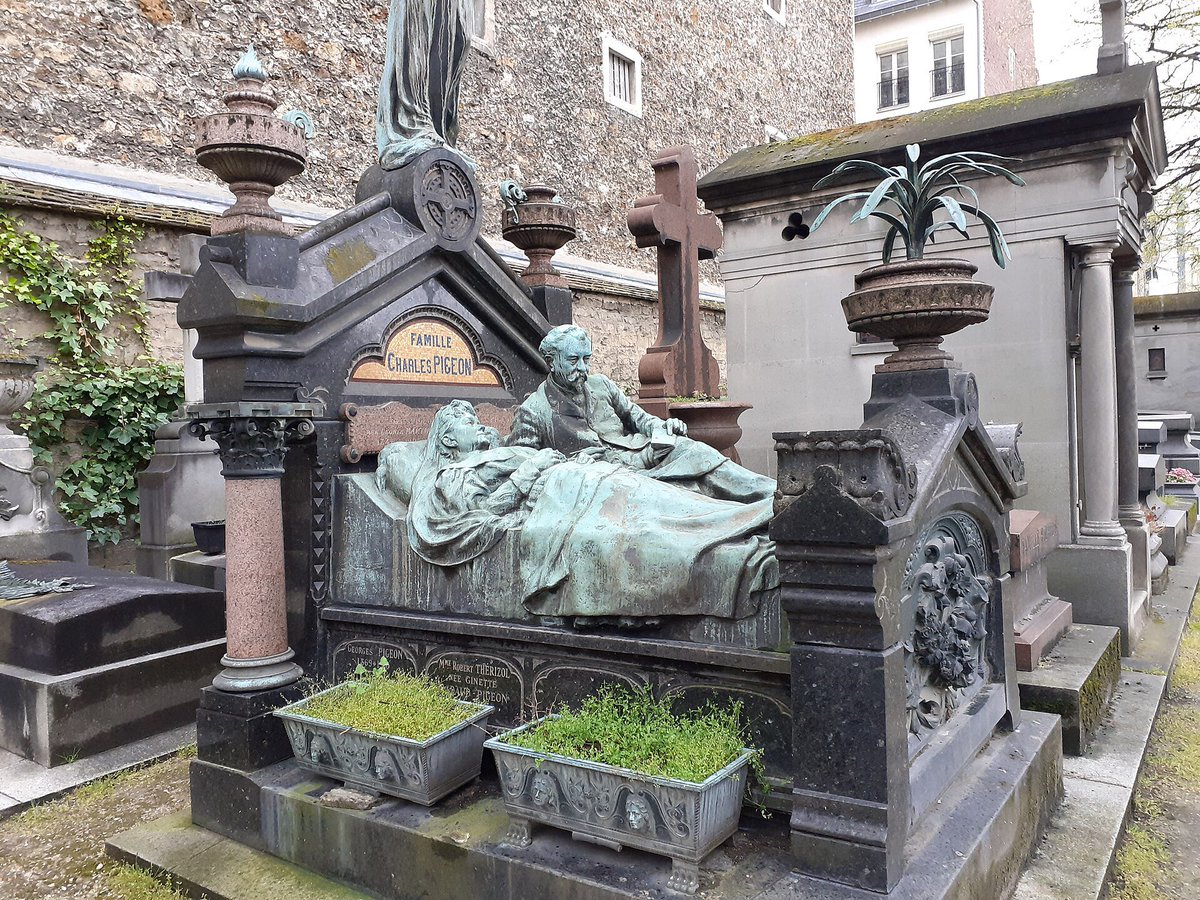
Charles Pigeon spent the 1870s selling cycle lamps and mining lamps in Paris 🇫🇷, the kind that worked well enough but had a habit of exploding.
In 1884 he patented a fix: a gasoline lamp that did not blow up. It made him rich. He showed it at the 1900 World's Fair in Paris, where it won real acclaim, and Pigeon lamps lit French homes for decades before electricity reached most of the country.
In 1905, with that fortune, Pigeon commissioned his own grave at Montparnasse Cemetery, large enough for 18 family members. The centerpiece is a life-size bronze of Pigeon and his wife in bed. He is propped on one elbow with a notebook and pencil, as if taking notes. She listens beside him. Above them, a bronze angel holds up one of his lamps, lighting the scene the same way his invention once lit ordinary bedrooms across France.
Pigeon died in 1915, six years after his wife. The lamp company he built kept running until 1960.
#drthehistories
NO. Instagram is not automatically browsing your entire photo catalogue.
Instagram only accesses photos you upload or explicitly share with Meta AI in chat.
however.
when you installed Instagram, it asked for photo permissions. most people tapped "allow access to all photos" without reading it. that permission is still sitting there. Instagram has it. so does Facebook, Threads, and any other Meta app you granted it to.
and Meta AI is now built into Instagram. every photo you share with it in chat can be analyzed, processed, and potentially used to train Meta's models. there's a "right to object" form in the EU and UK under Settings → Privacy → Meta AI. outside those regions: good luck.
also: Facebook's camera roll suggestions feature actively scans your gallery to recommend photos to post. it's opt-in. but it's on by default for many users who never noticed.
but the real situation is:
— you gave Meta broad photo permissions years ago and forgot
— Meta AI can analyze every photo you show it
— one feature already scans your gallery by design
— outside the EU you have limited recourse
check your phone permissions right now.
iOS: Settings → Privacy & Security → Photos → Instagram → change to "selected photos" or "none"
Android: Settings → Apps → Instagram → Permissions → Photos → restrict access
Zoals gewoonlijk staat van der Plas te liegen. Nederland verzuipt in de mest, zoveel zelfs dat we het exporteren. In 2025 werd in Nederland 35,2 miljoen ton dierlijke mest vervoerd.
Dat waren ruim 1 miljoen transporten.
Daarvan is ruim 3,4 miljoen ton geëxporteerd.
I am starting to wonder if they read.
Karoline Leavitt posted a picture taken on board Trump's new Airforce One. But look closely none of the books behind her have titles. They just say Library.
Who wants to bet that there are no words inside, just blank pages.
The 7500-year-old “Red-haired Goddess”, as of today part of the permanent exhibition in the National Museum in Belgrade. It was found 30 years ago near Odžaci, Serbia.
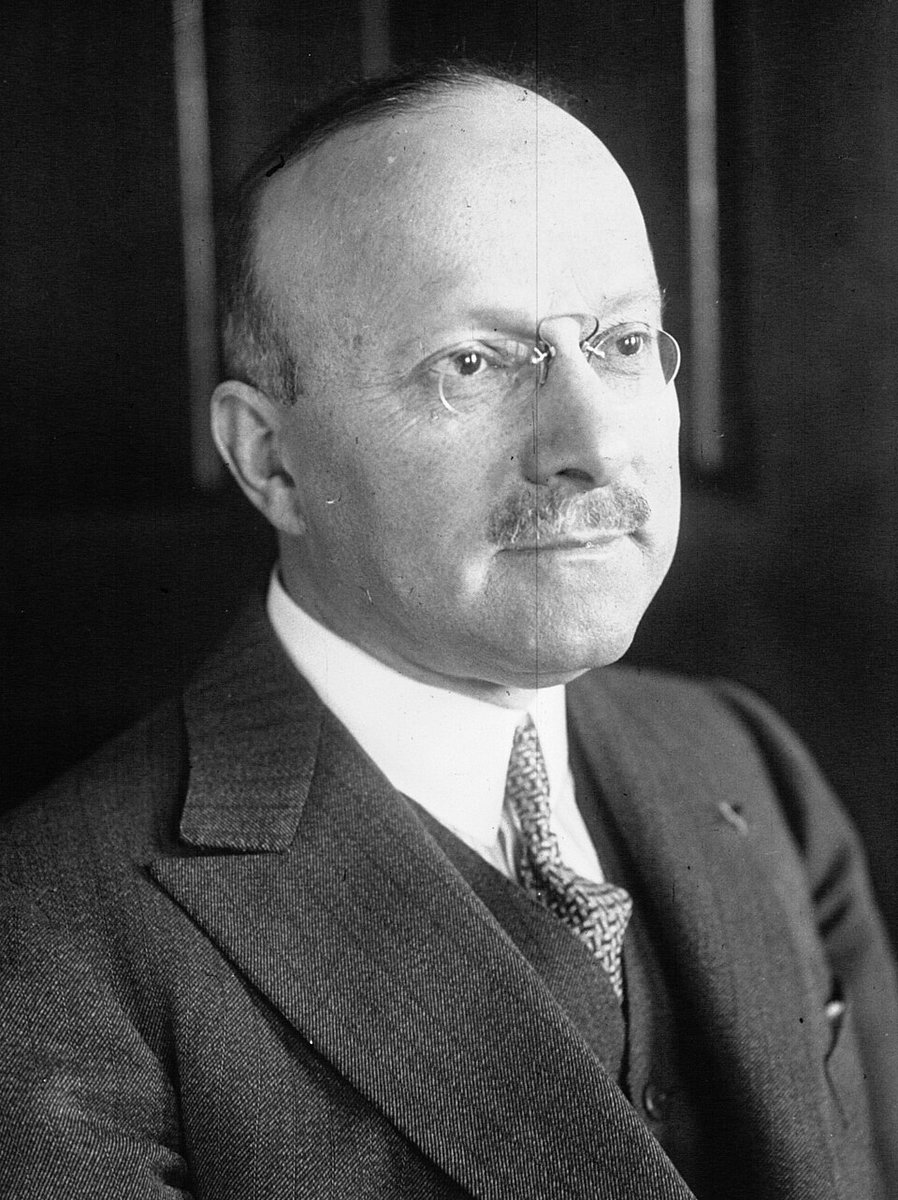
Un soir de 1925, les Parisiens lèvent les yeux vers la tour Eiffel. Un nom s'y allume en lettres de trente mètres, dessiné par 250 000 ampoules, visible à quarante kilomètres. Personne au monde n'a jamais osé une telle folie.
Celui qui l'a payée est un petit homme pressé, orphelin, hanté depuis l'enfance par une seule idée.
À six ans, il perd son père, un diamantaire qui se donne la mort. Le garçon grandit avec deux modèles sous les yeux : la tour Eiffel qui s'élève, et les romans de Jules Verne. Le progrès et l'aventure. Toute sa vie tiendra dans ces deux mots.
Ingénieur, il rapporte de Pologne un brevet d'engrenages en double chevron. Il en fait son emblème. Ce logo roule encore aujourd'hui sur toutes les routes.
En 1919, il lance la première voiture française produite en grande série. Il veut que l'automobile ne soit plus un luxe, mais un objet pour tous. Il rêve que le premier mot d'un enfant soit papa, maman, et le nom de sa marque.
Pour ça, il invente la publicité moderne. La tour Eiffel en vitrine. Des expéditions à travers le Sahara, puis l'Himalaya. Lindbergh acclamé dans ses usines.
Mais l'audace coûte cher. La crise le rattrape. En janvier 1935, ruiné, il perd le contrôle de tout. Six mois plus tard, un cancer l'emporte. Il a 57 ans.
Il est mort un 3 juillet, il y a 91 ans jour pour jour. Ruiné, chassé de sa propre usine.
Il s'appelait André Citroën. Et sa marque, elle, n'a jamais cessé de rouler.
Did you know you could buy movies on Steam from 2012 to 2019?
Indies, blockbusters, even TV shows
7 years after shutting it down I still have access to every one I bought. Sure they could take em, but they haven't
That's the difference between all digital on console and PC
Your Social Security Number once revealed more than most people realized.
Before 2011, the first three digits of a U.S. Social Security Number were tied to geography — not necessarily where someone was born, but where the card was issued or where the application’s mailing address pointed.
A number could hint at a state or territory: 223, for example, was associated with Virginia; 584 with Puerto Rico.
That changed on June 25, 2011, when the Social Security Administration moved to randomization. The goal was to protect the integrity of SSNs, extend the available number pool, and make them harder to reconstruct from public information.