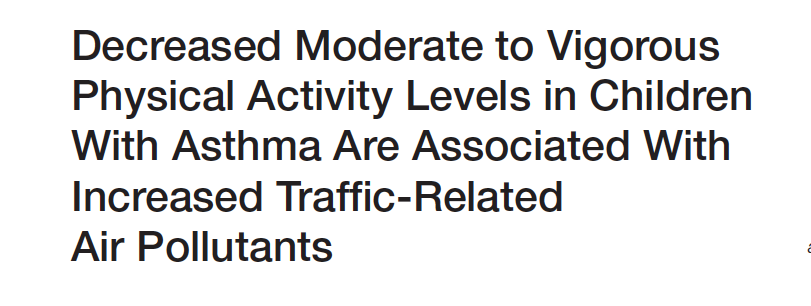
Juan Aguilera, MD, PhD, MPH, with @UTHealthSPH was interviewed by @NPR about new research that found wildfire smoke contributes to thousands of deaths each year.
https://t.co/3Vpdd4M4oE
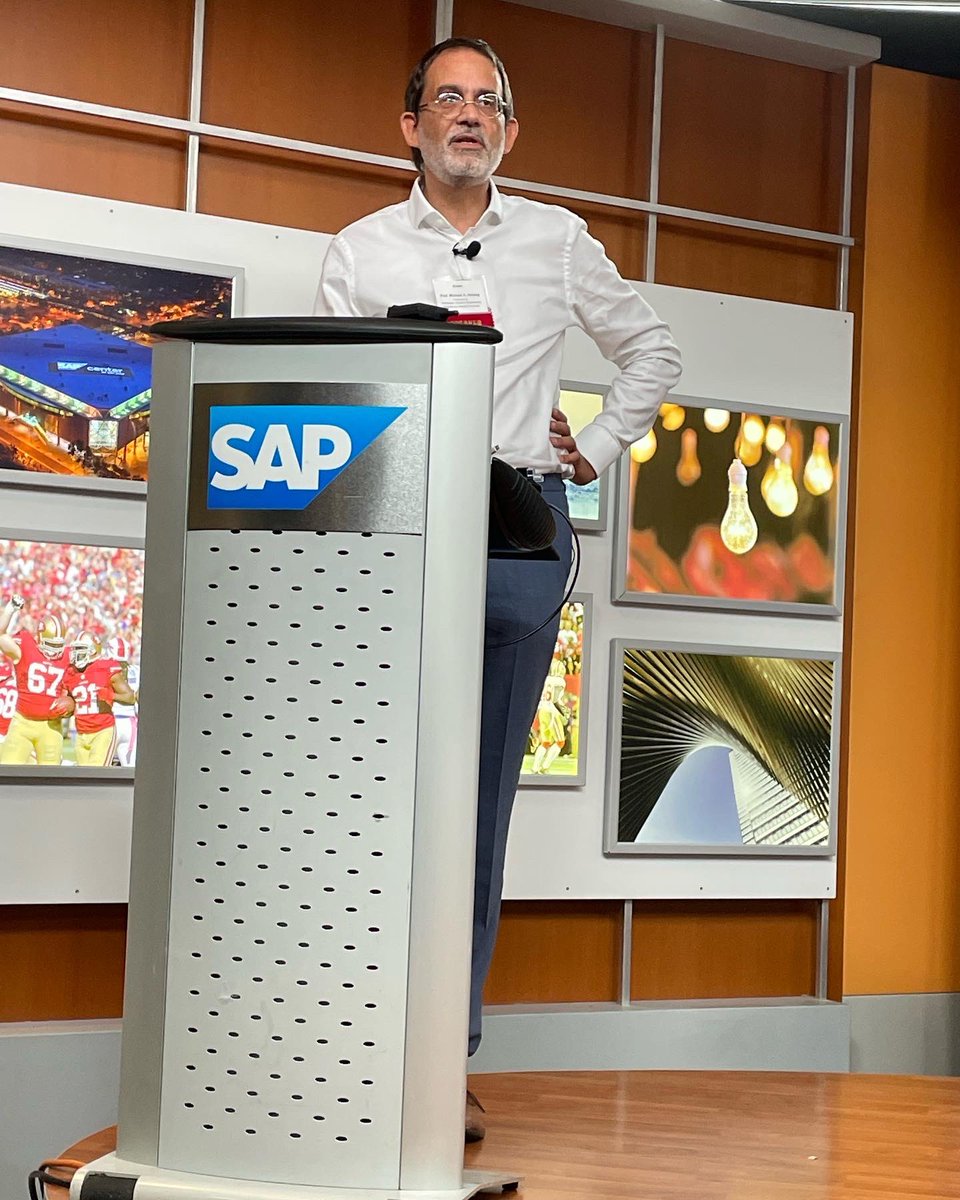
Thrilled to share that I just spoke at 7th Latino Health Summit! Big thanks to the organizers and everyone who joined the session.🌟 Your presence made it special!
- via #Whova event app
https://t.co/S8VtZplv9p
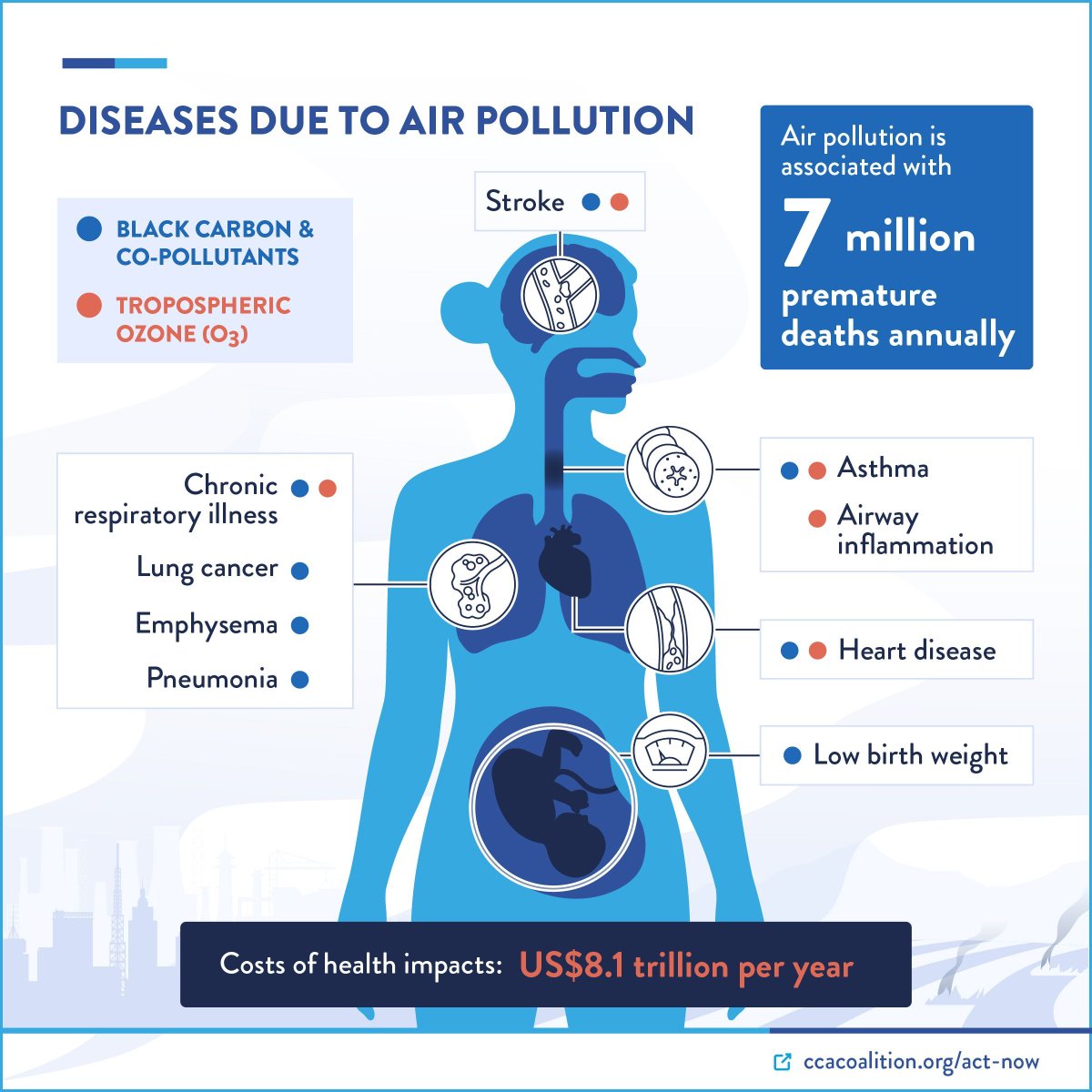
Solutions to cut short-lived climate pollutants can be implemented today. All are based on existing technology and can be carried out at no or little cost.
Concerted global efforts to implement these solutions can provide climate and health benefits in a short amount of time.
This goes hand in hand with "focus on a single thing/topic" I have found that exploring different topics, points of view, and even research fields to be a better investment in your research career.
The worst and most useless advice given to PhD students: find a gap in literature.
Here's why:
The problem with "finding a gap in literature" is that it's an analogy.
It assumes that an academic field is like a wall. Every researcher brings a brick or two and that's how we this wall gets built.
Sometimes researchers are unable to solve a problem, which results in a "gap" in the wall.
The analogy of finding a gap in literature, like any other analogy, distorts the actual process of how academic research gets done.
As a result, graduate students try to find a topic that no one has written about before. This is counterproductive at best and utter madness at worst.
Let's say I start researching a topic like "The Effect of Reading Hans Christian Andersen's Stories on the Production of Milk Among Danish Cows."
No one has written about this topic and I can argue that there is a gap in literature.
The problem is even if I were to write a whole 400-page monograph on this topic, it will not move the field forward. No one in the field of Andersen studies is interested this topic.
If you follow the advice of finding a gap in literature, you may end up doing research that no one is interested in.
So what should you do?
Here's a suggestion: try to find a problem you feel passionately about.
This may be a bit tricky if you are starting out. So, read about it, think about it, and write what make of it.
Most importantly, know that there is a place in the world for whatever you have to say on a given topic.
Example:
I had a problem that I had spent years thinking about before my PhD. And the problem was how a South Asian Muslim identity got constructed in and through Urdu literature.
I read about Urdu literature and identity formation in colonial India and figured two writers whose works I wanted to enagage with. Nazir Ahmad, a 19th century Urdu novelist, and Benedict Anderson, the famous Anglo-Irish political scientist.
There is a lot of scholarship on Nazir Ahmad's novels and Benedict Anderson's book "Imagined Communities" is a considered a classic in the humanities and social sciences. A lot of folks had written about Nazir Ahmad and Anderson's work. So, not many gaps in the literature.
But no one had looked at how Nazir Ahmad's novels created an "imagined community" of Muslims in colonial India. So, I did this in my dissertation.
I didn't try to find a gap in literature. I solved a problem that I felt passionately about.
"There's a reason this work is made to look complex and hard and lonely - it's to discourage us. But we are the future, we move out with deep awareness, not fear."
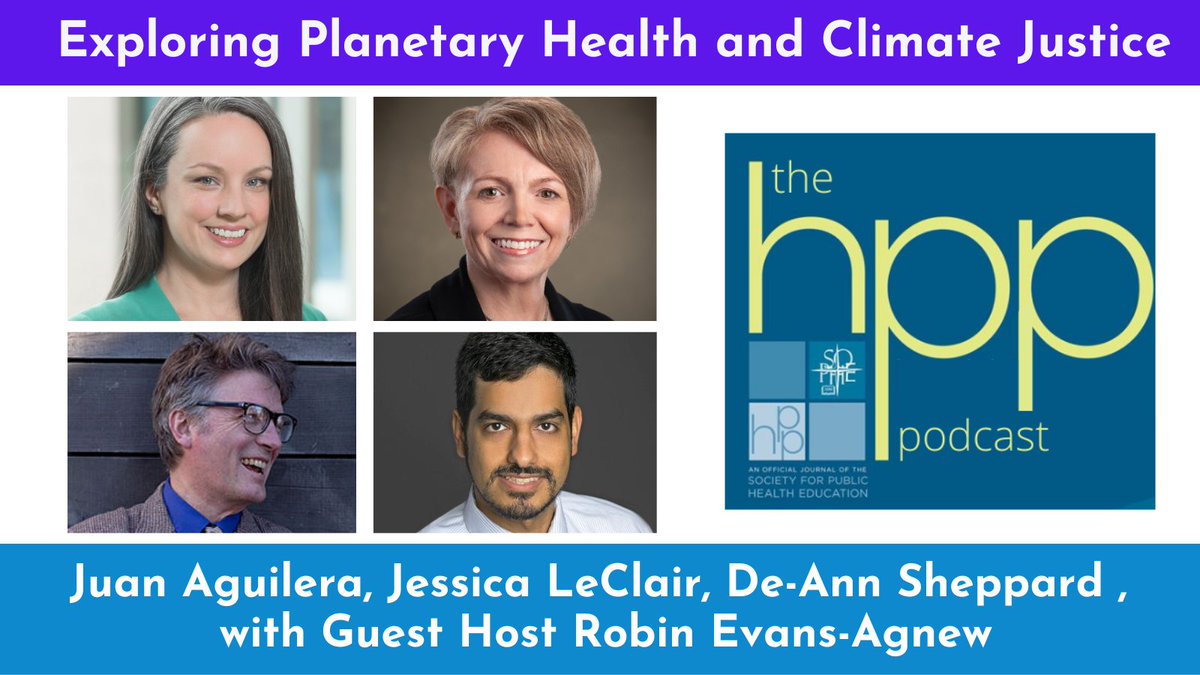
De-Ann Sheppard @robagnew@matemedico @jessileclair
https://t.co/l4uZmdF7MP
@w_leadersph@APHAPHN
@BillyM2k When Twitter handles are clearly visible it is not impersonation. Are you impersonating Shibethosi Nakamoto? is it your real name....or is it Billy? Also, I assume you are not a dog...
These times call for different questions! Plant the seed with a thoughtful #litreview article. This kind of article has impact!
Author Guidelines: https://t.co/tfmtYXwUF0
@SageMethods @JinKimMoz @amuta_ann@UFCAM@matemedico @UWCCHE @PublicHealthMap@PHIdotorg
"The most important way to empower people on this issue is to give them hope. The climate crisis may feel intractable, but it is not impossible to solve." #ClimateCrisis
Climate change is a crisis of American democracy, so where do we go from here? Check out what our founder and chairman, @algore, told the @nytimes about the climate fight after #WVvEPA.
https://t.co/pPVdKqBkVs
Leadership workshop and lunch with @jenheemstra. Thank you so much for your valuable feedback and sharing your experience. Please give her a follow. #MentorFirst
This is not “the new normal”. The climate crisis will continue to escalate and get worse as long as we stick our heads in the sand and prioritise profit and greed over people and planet. We are still sleepwalking towards the edge.
A big thank you to our guest speakers @HellingsNiels@matemedico@TobiasStoeger2 and those who joined us for the 3rd EXIMIOUS Symposium! Did you miss it?
Watch the full recording, read the highlights and subscribe to be updated on the next events👇
#exposome