President of Cameroon, the 93-year-old Paul Biya, is expected to visit Cameroon next week!
He will have a two-week working trip before returning to Geneva, Switzerland, where he lives.
The older I get, the more I feel disconnected from football. I used to watch every EPL game, adulting is something else man🙆♂️. Now I check final results and move on.
South Africa risks becoming the safety net for failed states. Their governments escape accountability, dictators continue ruling unchecked, and those fleeing poor governance find refuge here. The world condemns the symptoms but ignores the disease. Who holds these regimes accountable? And why must South African taxpayers carry the cost of their failures?😩
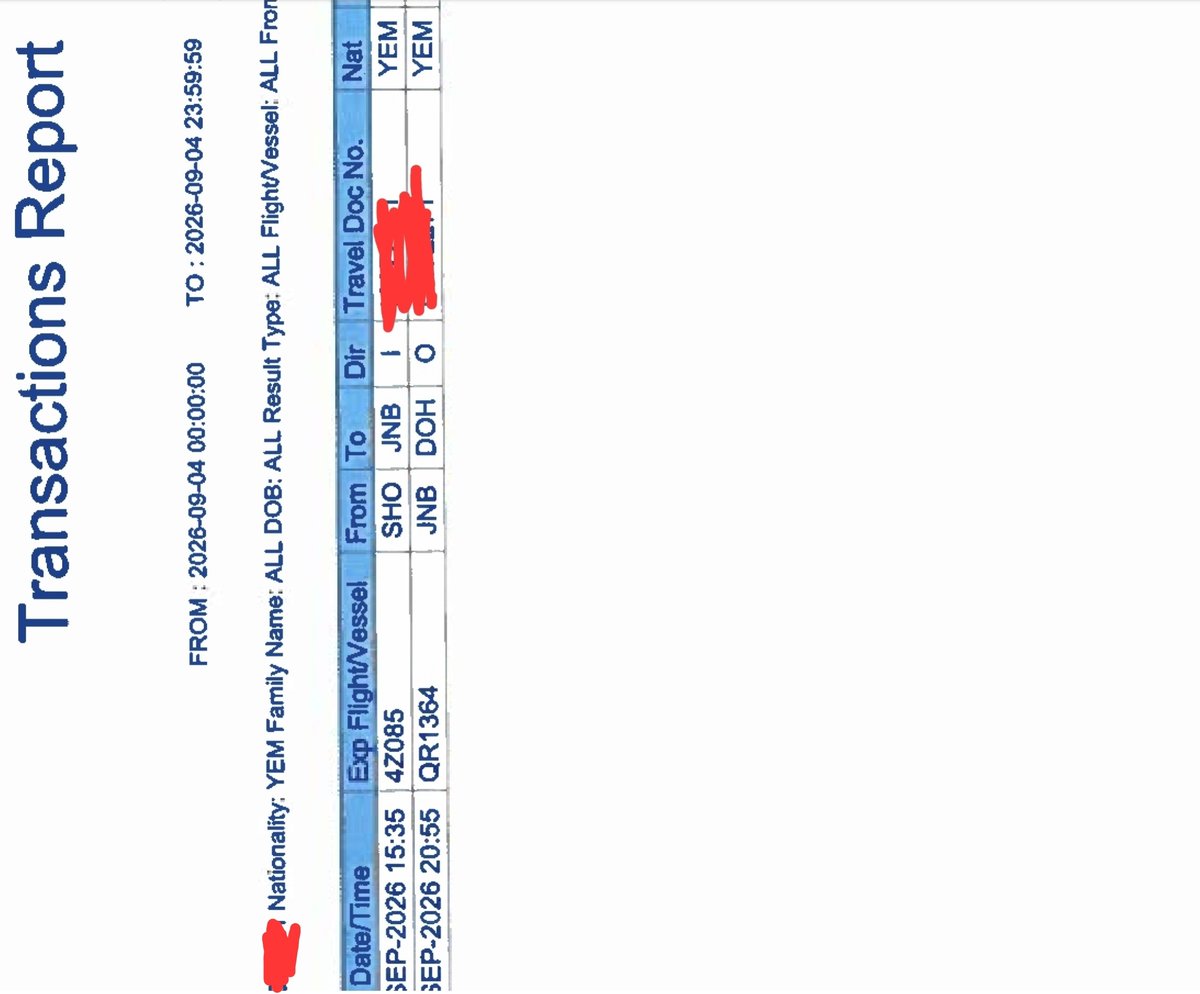
South Africans demanded proof that these individuals are not currently in our country posing a security risk. I have since requested verification from @TheBMA_SA. The BMA has confirmed that the individuals travelled through OR Tambo International Airport (ORTIA) to their respective destinations.
The Man Is Brave Enough To Expose Such Sensitive Information. He Qualify To Be A Leader. A National Police Commissioner!!!
General Nhlanhla Mkhwanazi exposes corruption on the purchase of police fleet cars.
God Please Protect General Mkhwanazi 🇿🇦👮🏽🙏🏽
There’s a company that I used to work with, we built tech for them to identify children and women being trafficked at airports, there was a time they were making busts everyday at OR Tambo for two months straight. The government came and shut them down without any explanation.
We have become remarkably comfortable speaking about reconciliation without speaking sufficiently about power.
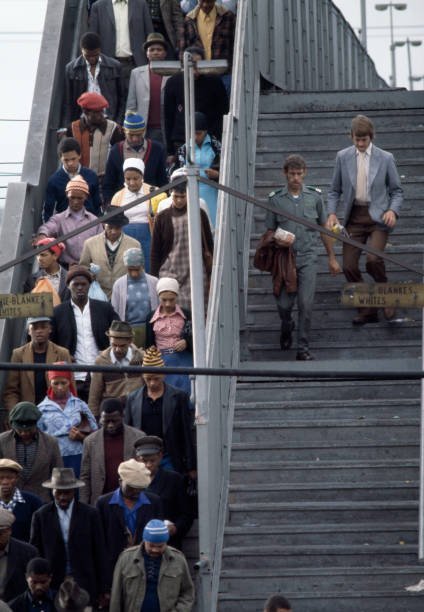
Apartheid did not merely produce bad attitudes between people. It engineered a political economy of racial domination: who could own, who could move, who could study, who could work, who could accumulate wealth, who could live where, whose labour would be cheap, and whose humanity would be institutionally diminished.
And this is where our historical conversation becomes uncomfortable.
You can abolish apartheid as a legal order without immediately abolishing the material architecture it created. You can change the Constitution without instantly changing patterns of ownership. You can declare reconciliation without dismantling every institution, spatial arrangement and economic relationship through which historical privilege continues to reproduce itself.
So when we speak about being “good neighbours”, we must ask a more difficult question: neighbours on what material terms? Reconciliation between equals is one thing. Reconciliation between people inhabiting radically unequal economic and social positions is something far more complicated.
I am not arguing against reconciliation. I am arguing against reconciliation becoming a substitute for transformation.
A nation cannot reconcile itself out of history by simply learning to speak more politely about it.
If yesterday's structures continue producing today's inequalities, then history has not disappeared. It has changed its vocabulary.
That is the conversation we should be brave enough to have.