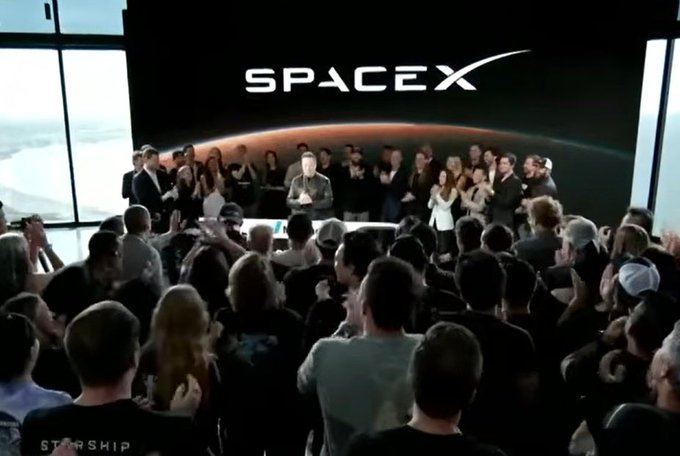
Truly enjoyed participating in the DSTA BrainHack in Singapore! What an exciting event with full of hands-on experiences that open the door to the rapidly evolving world of digital technology!
6月15日(月)🇳🇱オランダ海軍フリゲート艦「デ・ロイテル」(HNLMS De Ruyter F804)が東京港に入港する予定です。🇯🇵🇳🇱日蘭の長年にわたる友好関係と、防衛協力の強固な基盤を示すものとなる今回の寄港を、楽しみにしております!
📷NLD Ministry of Defence
@kon_marine
Conversations in the sky: Galileo’s intersatellite links tested | ESA https://t.co/ErbGT3gLLP
Galileo currently relies on communication links between satellites and ground stations to exchange information. However, this means that a satellite must be visible in the sky for a ground station to make contact.
With intersatellite links, the new generation of Galileo satellites will be able to talk directly to one another in orbit, exchanging information on timing and location. This also means that if a specific satellite is not visible from the ground, a message can be sent to a different satellite and then passed on.
Two new satellites join the Galileo constellation | ESA https://t.co/euxT8rkGij
The eight remaining Galileo First Generation satellites are ready to be launched soon, after which a Second Generation (G2) of satellites will start joining the constellation, expected in 2026 with the Ariane 6 launcher.
ESA, as Galileo's design authority and system development prime, is working with European industry to develop the G2 satellites that will revolutionise the fleet with enhanced capabilities. G2 satellites will use electric propulsion and host a more powerful navigation antenna, more and even better atomic clocks and fully digital payloads.
Airbus starts Galileo Second Generation satellite production | Airbus https://t.co/rD4zEXtsvz
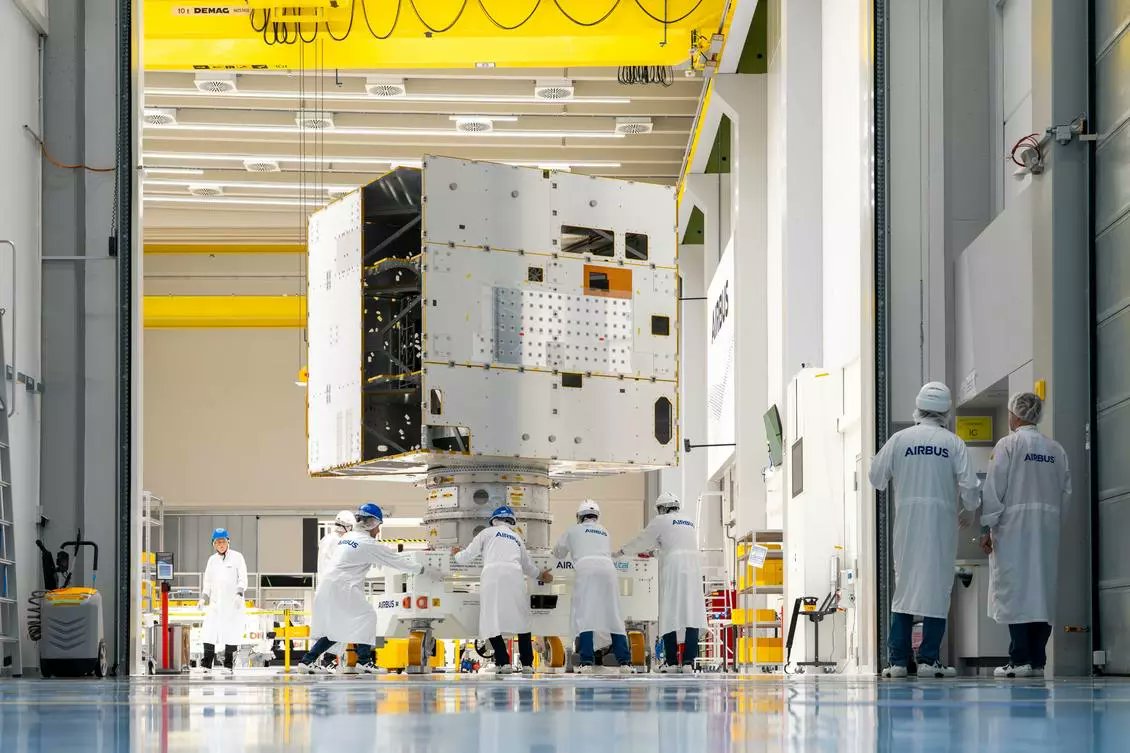
Full production has begun on the six Galileo Second Generation (G2) satellites at Airbus’ site in Friedrichshafen, Germany, with the arrival of the first satellite Flight Model structure from Beyond Gravity in Zurich.


![matiere's tweet photo. 新潟県感染症情報(週報速報版)をお知らせします 令和8年第23週 | 新潟県 https://t.co/cgv0lfrZhV
2026年6月11日更新
[令和8年第23週:6月1日から6月7日まで] https://t.co/vSb2XLVcGC](https://pbs.twimg.com/media/HKpJdJUagAACVOK.jpg)
![matiere's tweet photo. 新潟県感染症情報(週報速報版)をお知らせします 令和8年第23週 | 新潟県 https://t.co/cgv0lfrZhV
2026年6月11日更新
[令和8年第23週:6月1日から6月7日まで] https://t.co/vSb2XLVcGC](https://pbs.twimg.com/media/HKpJbwEbMAAUvvr.jpg)





![matiere's tweet photo. 新潟県感染症情報(週報速報版)をお知らせします 令和8年第23週 | 新潟県 https://t.co/cgv0lfrZhV
2026年6月11日更新
[令和8年第23週:6月1日から6月7日まで] https://t.co/vSb2XLVcGC](https://pbs.twimg.com/media/HKpJd82aIAAuIva.jpg)