Stop taking advice from people who’ve never succeeded.
It’s like asking someone who’s only climbed a ladder to guide you to the top of Mount Everest.
If they haven’t been there, they can’t show you the way.
Most business owners don’t have a motivation problem.
They have a map problem.
When you don’t know the next step, you either freeze or crawl—and both are expensive.
If you're aiming for $1 million, and you're stuck for just one year—that’s not a bad year. That’s a $1 million delay.
What actually qualifies someone to coach you?
Is it just doing a course, or do they need real-world experience to back it up?
With so many "coaches" out there, how do you separate those who know the game from those who just learned the rules last week?
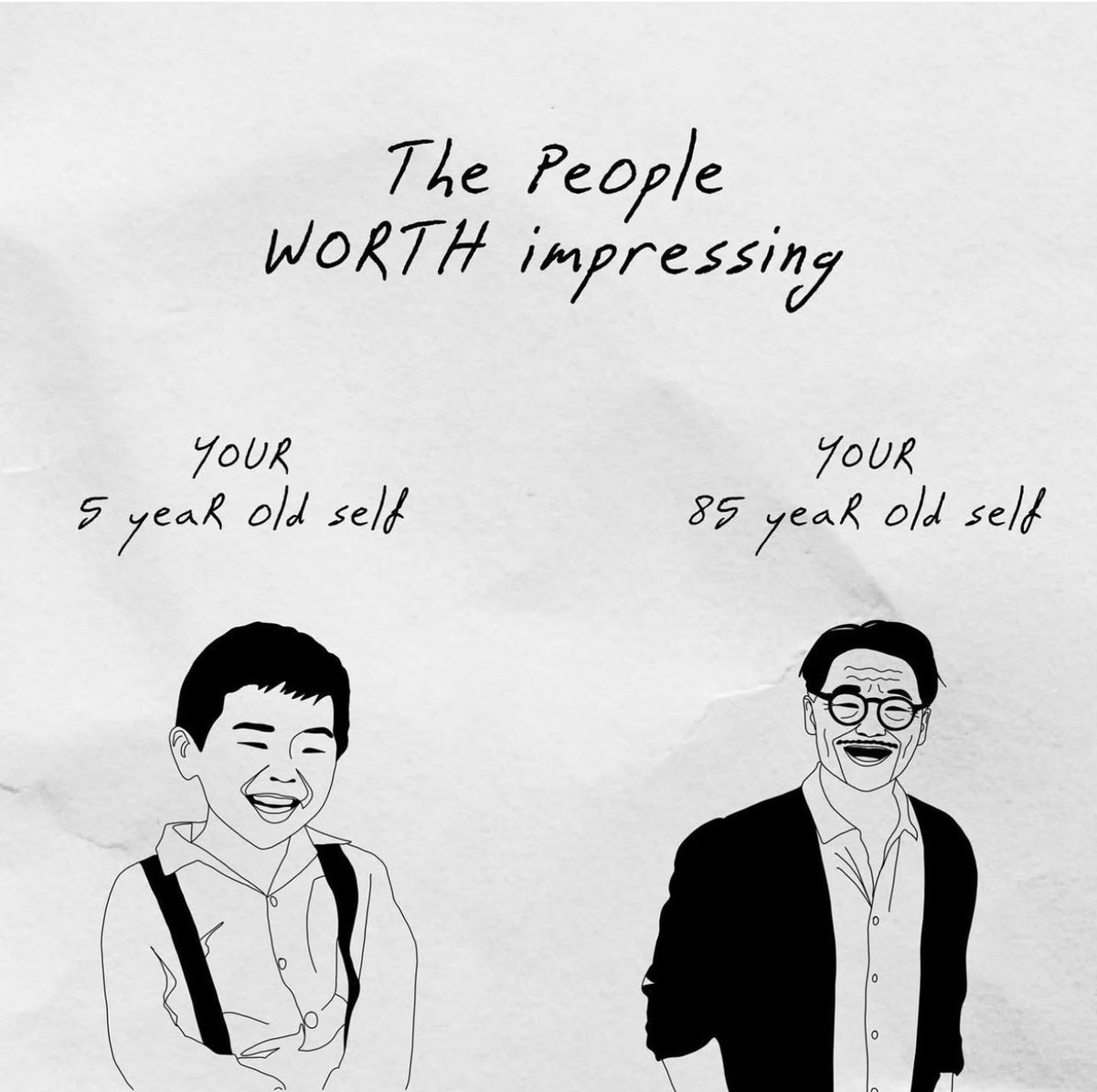
Your 5-year-old self brings you back to the basics: wonder, honesty, following what genuinely excites you without overthinking it.
They don't care about titles, status, or approval-they just want you to stay true to who you are.
On the other hand, your 85-year-old self reminds you to think big-picture.
They're the voice of perspective, telling you to invest in relationships, build something lasting, and take risks that matter.
They don't want you to look back with regret-they want to know you made choices that leave a real impact.
So, if you can keep both your 5-year-old and 85-year-old selves in mind, you might end up living for the right reasons.
It's about finding joy and meaning, avoiding the trap of chasing temporary validation, and staying grounded in what genuinely matters.
Defining success with peace over competition is an admirable perspective, but it’s not one-size-fits-all. Even Jesus flipped tables when the moment called for it—He understood that challenging systems sometimes means engaging directly with conflict. Success isn’t inherently tied to strife, but striving for something meaningful often involves friction. The key is using that struggle to build up, not tear down. The question isn’t whether success requires competition, but whether the results create lasting value for others
Stop taking advice from people who’ve never succeeded.
It’s like asking someone who’s only climbed a ladder to guide you to the top of Mount Everest.
If they haven’t been there, they can’t show you the way.
Fair point, but coaching isn’t just about personal success—it’s about mastering a skill set that helps others succeed. Those coaches may not have played at the highest level, but they’ve spent decades studying, strategizing, and proving they can lead others to perform at elite levels. They earned their credibility by delivering results, not just showing up with theories. If you can’t point to success—either your own or the success you’ve guided others to—you’re just guessing
@TomHoefWrites Success isn’t subjective when it comes to guidance—it’s about results. If someone’s achieved what you’re aiming for, they can show you how to get there. If they haven’t, it’s just theory. Success, in this context, means real, tangible outcomes—not just opinions or effort
Sure, you can learn from failure—if the person has the humility to unpack it and turn it into a lesson. But would you take mountain-climbing advice from someone who never made it past base camp? And as for success being 'anything'—maybe. But if someone hasn’t achieved what you’re aiming for, how can they guide you there? Wisdom comes from experience, not vague opinions
P.S. If you like branding, you'll love my weekly newsletter (it's free).
1 actionable tip and insight that will help you grow your biz.
https://t.co/zA5tD2kMNT
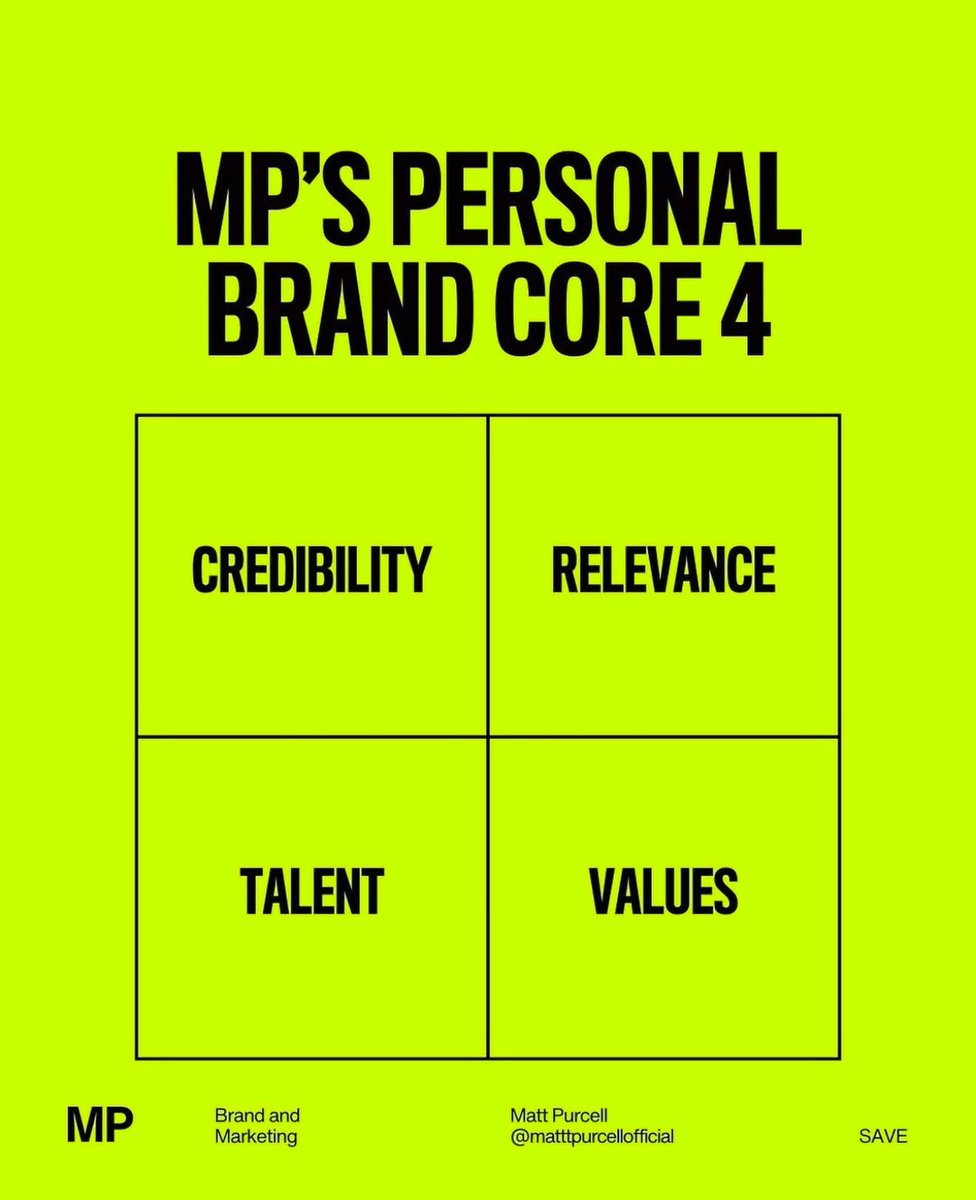
Social proof is a metric that’s important for reach.
You must be good at speaking about how you help people. Position your customer as the hero, not you.
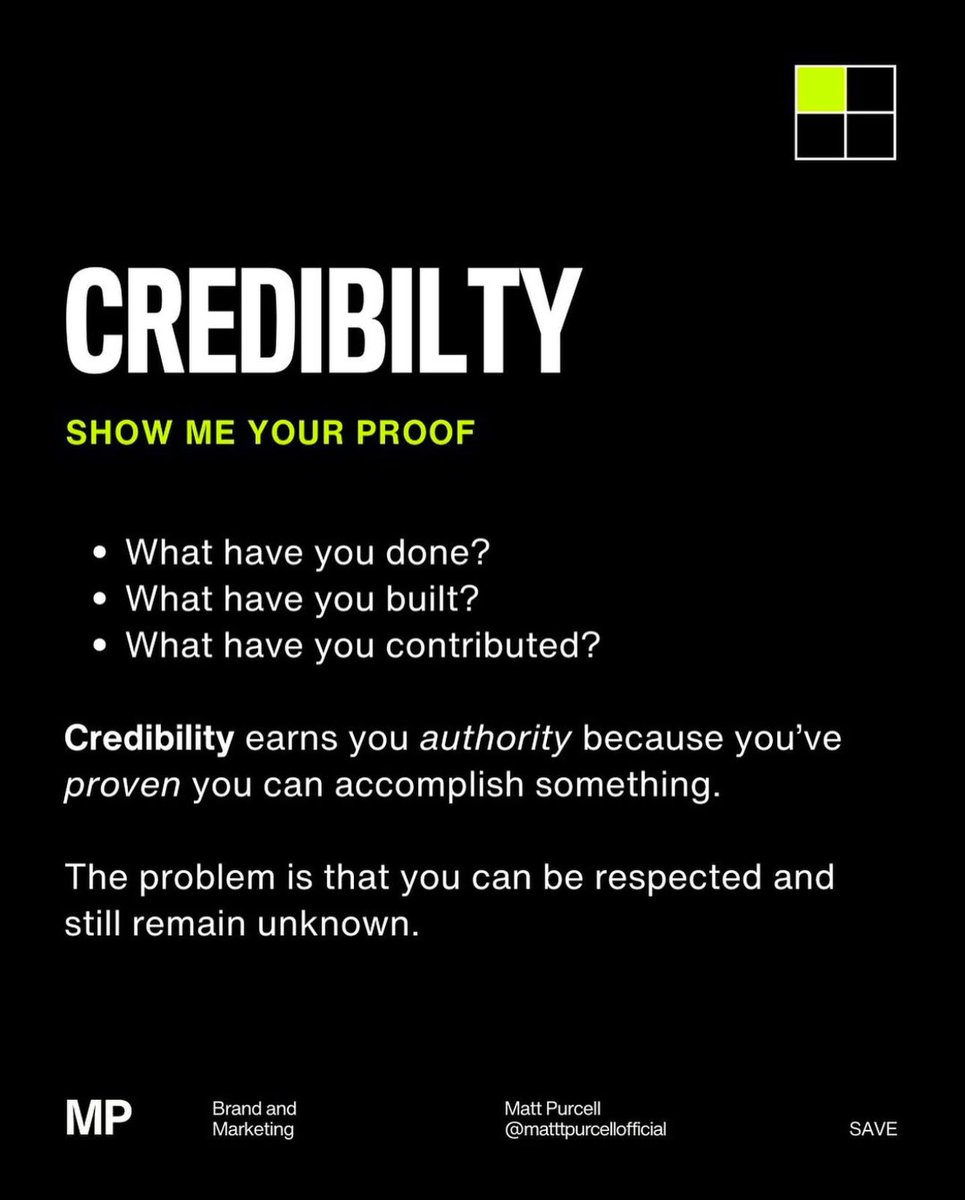
You must have evidence.
1st party “I’m the best at x”
2nd party “he’s helped me do x”
3rd party “he did x”
I see too many fake coaches and experts with no credibility. The only thing that you can find on them online is things they say about themselves