Communication is THE most important tool in a coach's toolbox.
Period.
A program can only be as effective as the coach is knowledgeable of their athletes.
Likewise, a program can only be performed as well as an athlete is willing to learn from their coach.
Talk to each other.
Bachelor's degrees are becoming far more frequent in my experience nowadays, I'd always recommend getting a master's degree or above, especially with student loans making them far more accessible.
Feeling like giving training a miss, but aren't sure if you should?
The question you need to ask yourself is,
"Why do I want to skip training?"
Sometimes, it's perfectly fine to miss a session. It all comes down to prioritisation and planning ahead.
https://t.co/DdYrmBKDMc
Getting sore does not mean you are growing, and conversely not being sore doesn't mean you didn't have a good workout. Importantly, getting very sore is detrimental to growth, as it impedes performance. Bottom line: Don't chase soreness as an endpoint for muscular gains
Velocity-based training involves performing maximal efforts on each rep but stopping sets some way before reaching failure. This combination causes similar (or greater) gains in maximum strength to other types of strength training, but without the same increases in muscle size.
Training is not about sweating out the entire session, but should ultimately maximise performance, and this will often involve longer rests periods. A hard-working gymnast who rests between exercises is not lazy. They're being smart about their training, to maximise work output.
Most people know that you can learn a lot from failure, but very few people will acknowledge that they've failed in the first place. You've got to know when you're wrong before you can learn how to be better.
#learn#failure
Deload weeks are essential for allowing your athletes time to recover. The majority of an athlete's performance improvements occur during recovery, so allowing rest between training sessions and training weeks is essential for optimal adaptation.
#deload#recovery
Coaching is about more than just the hours each day you see your athlete. It's about knowing how training will affect them in the rest of their lives. Are they tired from school today? Do they need time out for other tasks? Do they need to have fun to help cope with tough times?
Explosive Push Up to Extended Plank 💥
💥 Explosive horizontal push strength (slow plyo)
💯 Dynamic core stability
⬇️ Upper body load absorption
Give it a go - tag me in your videos if you do!
#pushups#plank#corestability#power
Weight training done correctly far outweighs the risks, even in youth athletes. However, you should always choose a qualified strength coach to build your gymnasts' strength, just as you'd only let a qualified gymnastics coach teach your gymnasts skills.
Gymnastics culture: “12-year old gymnasts doing deadlifts/squats with weights is dangerous and a waste of time"
Also gymnastics culture: “12-year-old gymnasts can do 500+ floor/vault landings per month that are 15x body weight forces during puberty with open growth plates”
🤔
Everyone goes through injuries, set backs and life-changing events (myself included). The best way forward is always to:
1) Accept the issue has happened - time travel has yet to be developed.
2) Evaluate your options on the path ahead.
3) Take action. Take action. Take action.
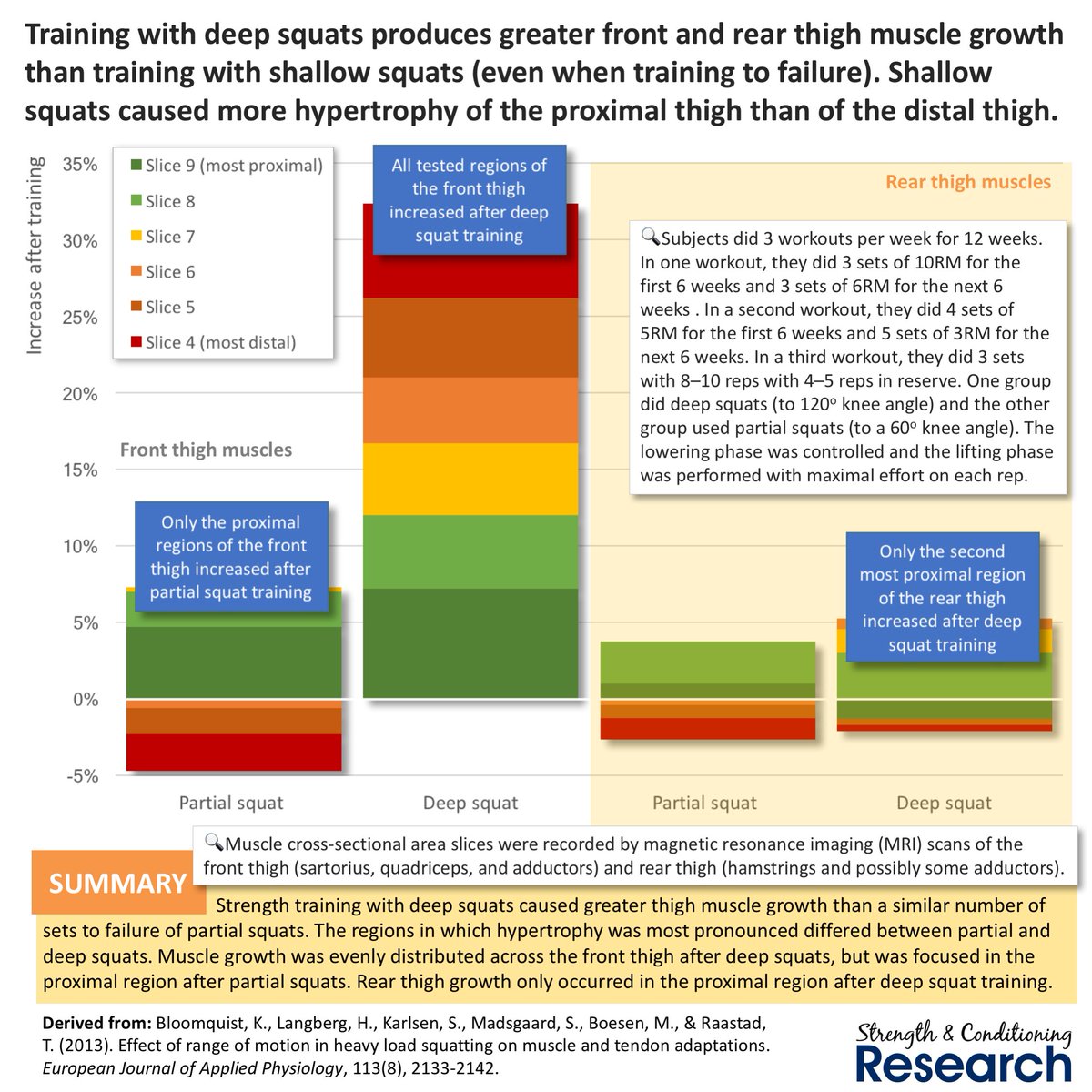
Most discussions about range of motion and hypertrophy focus on the total muscle growth that occurs. Yet, there are also probably differences in which regions are most developed after full and partial range of motion training.
@MarcusCampo .. but at a low end, it's not necessary to spend hours on planning the year since coaching at it's most basic level is preparing our athletes for the demands under which they're placed. And that varies drastically with context, as you've said. (3/3)
What is Block Periodisation and why should you use it?
Block Periodisation is a method of planning a training program for optimal adaption through use of the principle of progressive overload. (1/2)
#periodisation#trainingprogram
@MarcusCampo Coming up to competitions, we focus more on the fine stuff and reduce their workload. Just before it's not written down, doesn't mean we don't habitually do it. High-end periodisation is simply a way of refining training for the more marginal gains... (2/3)