🔬Excited to share our review on emerging therapies in pancreas cancer leveraging genomic heterogeneity and synergistic mechanisms of action
📷 Read more: https://t.co/12a4UVg2KV #CancerResearch#PancreaticCancer@NeehaZaidi@MatthewGuoMD
Excited to share our study of neoadjuvant GVAX with nivolumab and SBRT for borderline-resectable pancreatic cancer! Learned so much working with this team @hopkinskimmel, and extremely grateful to @parulagarwalmd for her mentorship! https://t.co/2C7wSwkmo3
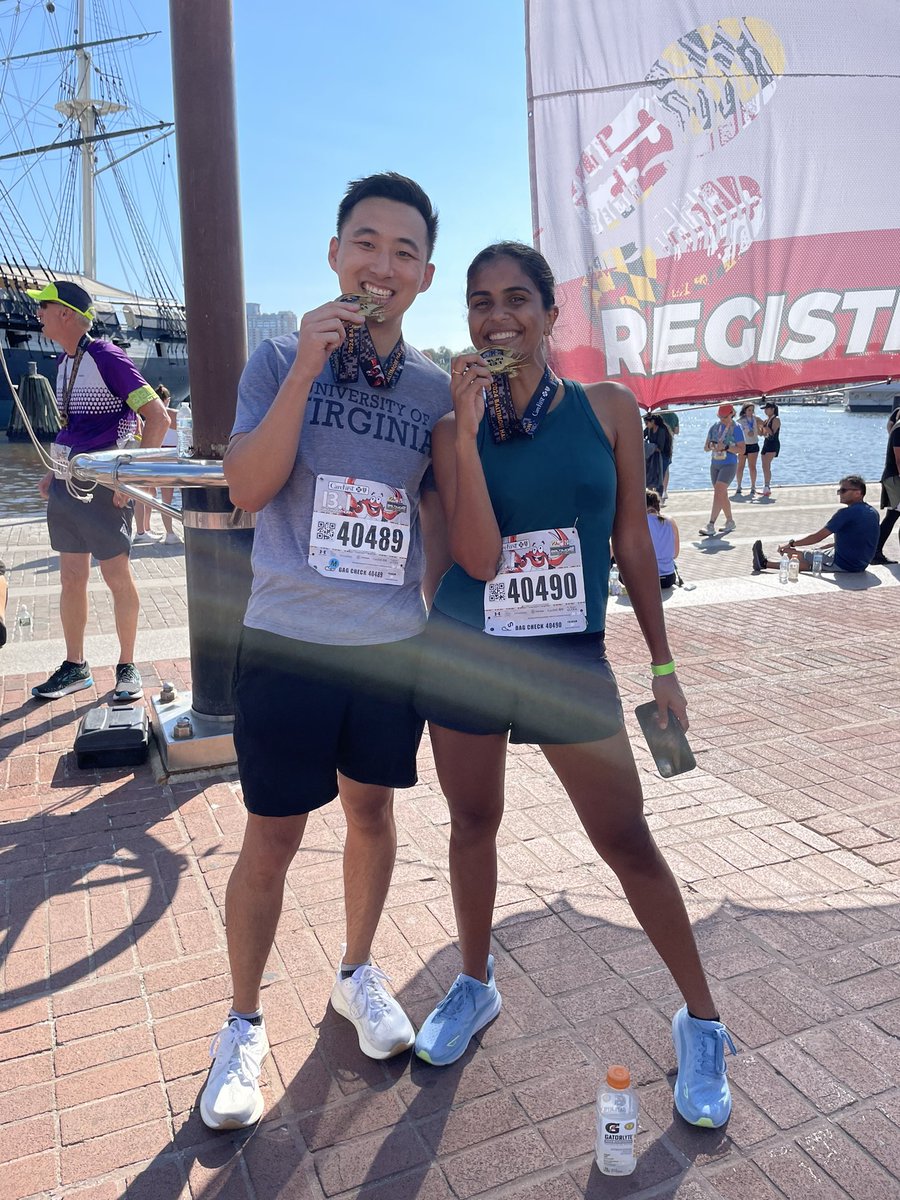
Ran my fourth half marathon yesterday! Still trying to decide which gives me more of an adrenaline rush- race day culture or getting pimped on @OslerResidency ACS rounds post-call ☺️
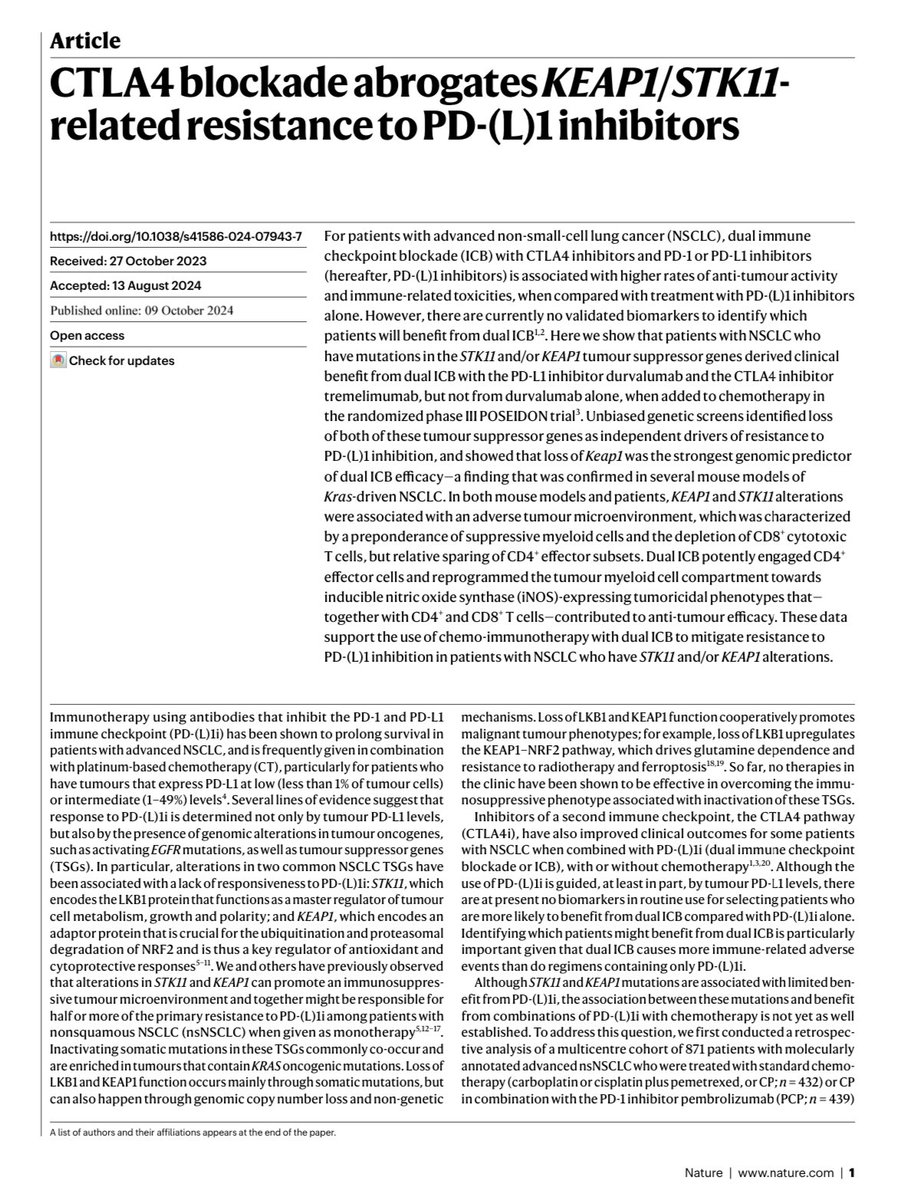
Excited to share our new study @Nature. Very grateful for the support of our collaborators, pharma and biotech partners and members of the Skoulidis and Heymach labs. Special thanks to star fellow @_hanielaraujo and @minhtruongdo. Thankful to our patients. @MDAndersonNews
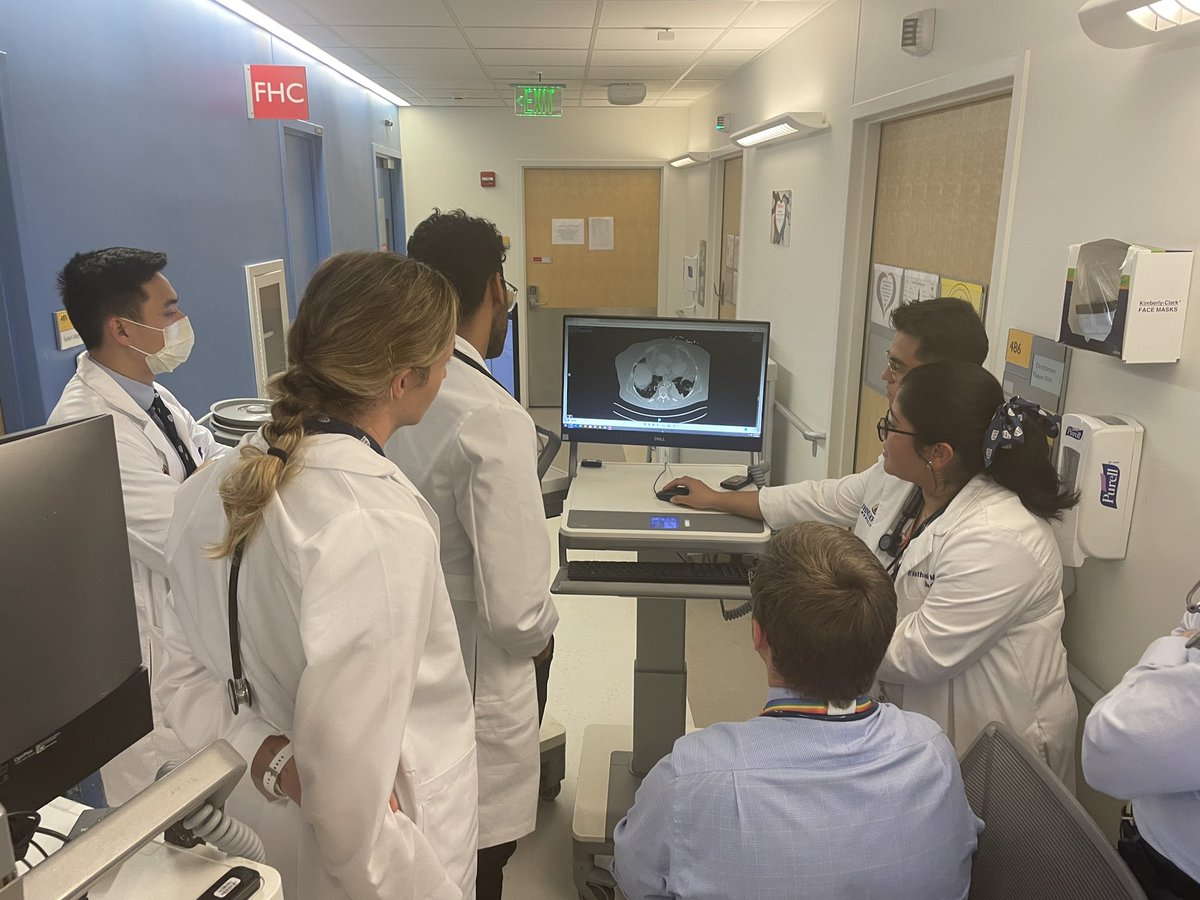
Happy Friday from the Osler Medical Residency! Fantastic Thayer ACS rounds with⚓️ SAR @nathaliemorales and #FlagshipACS @MikeRoseMDMPH -discussions of meds increasing risk for UGIB, silhouette sign on CXR, unstable A fib management, and more #oslerpride#nicescarf#nicetie
It’s almost July 1! Can’t wait to see this amazing new group of Osler interns grow and take fantastic care of patients under the leadership of their ACSs! #Oslerpride
My dad died suddenly 4 years ago today. In med school I struggled with guilt, anger and grief as my CPR failed. I wasn’t sure I could or even wanted to graduate. Tomorrow is my first day of residency- I’m still not sure I can do it without him. Here’s to trying though, day by day
Outcomes with first-line osimertinib in 37 pts with rare atypical #EGFR exon 19 or compound mutations in #JTOCRR@JTOonline from Dr. @SusanScottMD@tiacheunkarndee. RR 76%, median PFS 13m, time to discontinuation 22m, mOS 36m.
https://t.co/SCiW2dsRqc
So excited to share our work on 1L osimertinib for uncommon ex19del and compound EGFRm in NSCLC! Huge thanks to @SusanScottMD, @kamarroneMD, @MatthewGuo316, @HopkinsThoracic for their mentorship on this project :) https://t.co/HidGIUksZF
Our pre-proof out now in @JTOonline showing favorable but heterogenous responses to 1L osimertinib for uncommon EGFR mutations in NSCLC. Congrats @tiacheunkarndee for leading this effort identifying the need for more individualized care! #LCSM https://t.co/hTOa7eKpcy
Our study from @HopkinsThoracic@hopkinskimmel out now describing how unmet physical and/or social needs are associated with lower patient-reported quality of life and higher financial toxicity. Lots of work needed to provide more comprehensive survivorship care for our patients
The unmet needs of lung cancer survivors are linked with their long-term quality of life and financial toxicity. Understanding these links is crucial for effective survivorship care. https://t.co/mF5QJ6oTZj
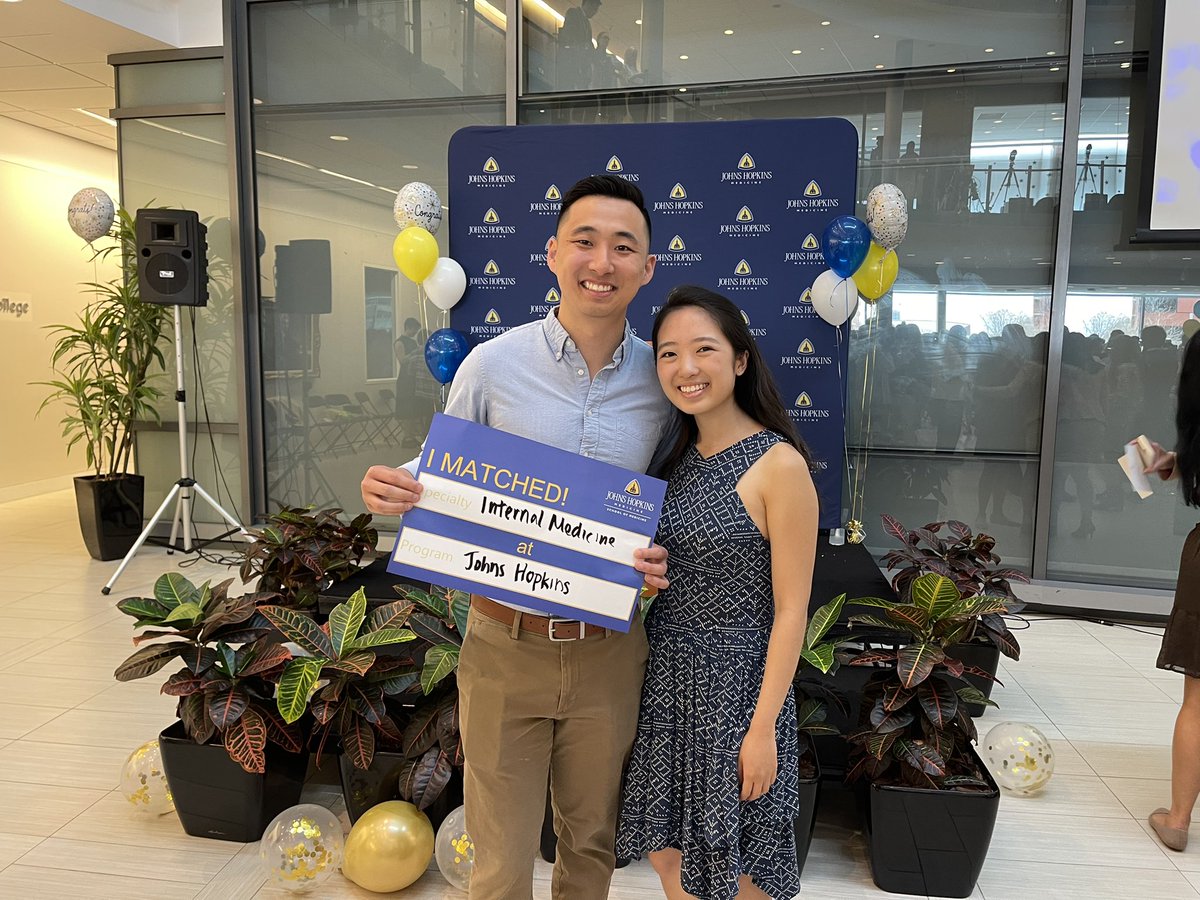
A week in the national parks to celebrate finishing all my clinical rotations of med school! Nothing to stave off the stress of match like the fear of death on Angel’s Landing ☺️
• Bryce Canyon
• Moqui Sand Caves
• Zion - Angel’s Landing
• Coral Pink Sand Dunes
Look at characteristics of immunotherapy response in NSCLC @ClinicalLung. Compared 37 long-term responses (OS ≥ 3y w/ IO) & 35 without response (OS 6-12m w/ IO). Responders with more irAE & #KRAS. No difference in age, sex, race, BMI, liver mets, PDL1.
https://t.co/mudY3hY7aj
Populations at risk for greater number of needs included younger patients and patients with lower household income. It is so important to support our most vulnerable patients in all aspects of their cancer care, and I am excited to see what's next in the survivorship field! (4/4)
So excited to share our paper out now in @JNCCN describing the survivorship needs for patients with lung cancer! Learned so much from @joyfelicianomd, the team @HopkinsThoracic, and also from each patient I interviewed for this study #LCSM (1/4) https://t.co/RyyiW6q3lB
We showed that while lung cancer survivors had significant physical needs (fatigue, sleep disturbance, etc.), emotional needs were more common with almost 80% of respondents reporting fear of recurrence and living with uncertainty (3/4)