Fractional Design Leader. Former VP of Design @thezebraco & Co-Founder @deviantart. Emphasis on the business value of design, ethics, accessibility, & DEI.
The more senior the designer, the fewer the processes.
Experienced designers are opinionated. They have stronger intuitions and typically have more sophisticated design tastes, backed by their experience.
They also know how to listen and understand what's most important to the client, both in what's expressed explicitly, but more importantly, implicitly. They hear the thing behind the thing.
There's very little fat in their process. Sometimes you don't even need to have a full conversation with them and they know exactly how to deliver in ONE SHOT.
I see a lot of junior and intermediate designers get lost in crazy design processes > having an opinion, making assumptions and putting pixels down. It makes sense. They have less experience to lean on, so the natural feel of control is often within the safety of a process.
It doesn't matter if you're selling design services to startups or enterprises, none of them care about your processes. They care about the quality and efficiency of your work. If you're a junior designer, and you're willing to be bold and opinionated, there is limitless opportunity for you, especially with SMBs.
Stop:
- investing in processes.
- getting certifications.
- being afraid to make recommendations.
Start:
- being bold and sharing your opinions.
- shipping high-fidelity designs right away.
- making your process invisible to the client.
You'll earn trust faster and clients will stick around with you longer.
How does a ~$90B company like Airbnb consistently reach this level of craft?
I interviewed their long-time Chief Design Officer ( @alexoid ) to find out 👀
Here's what stood out 👇
Designers, there's nothing wrong with "fake" work.
In fact, it can be one of the best things you ever do.
Most of us aren't lucky enough to work at Meta, Apple, or Netflix.
We work on boring products, for boring companies.
This can leave our portfolios looking boring itself, when in reality we are way better.
So what did I do?
I redesigned brands and platforms I liked.
This not only made me a better designer, but it allowed me to build a strong portfolio.
Why? Because I wasn't restricted by my current job and the limitations often placed on creatives.
I was free to flex my skills without having to gain 5 levels of approval for every decision.
You'd be surprised by how many hiring managers would rather see this.
The reason is simple:
Fake work shows your actual creativity, unsuppressed and unrestricted.
I didn't only get multiple design jobs this way. It's how I launched Designjoy.
Showcasing "fake" work isn't something wrong or deceitful.
If anything, it's a truer, more autentic representation of your actual talents.
Versus some design asset that has been morphed and twisted over and over again by corporate bureaucracy.
Which happens 9 times out of 10, by the way.
AI isn't just changing the tools I use; it's redefining the essence of design leadership. In my latest post, I explore what it means to lead in the era of AI-driven creativity, and how to harness these changes for groundbreaking work. https://t.co/Q5XZ8Fl48w
FANTASTIC NEWS: A brand-new poll shows this race STATISTICALLY TIED!
We’re closer than we’ve ever been to FINALLY firing Ted Cruz. It’s grassroots support that’s gotten us this far, so please, chip in to keep up this incredible momentum. >>
Let me help you out and give you my thoughts on DEI
1. Diversity
Good businesses look where others don't, to find the employees that will put your business in the best possible position to succeed.
You may not agree, but I take it as a given that there are people of various races, ethnicities, orientation, etc that are regularly excluded from hiring consideration. By extending our hiring search to include them, we can find people that are more qualified. The loss of DEI-Phobic companies is my gain.
1a. We live in a country with very diverse demographics. In this era where trust of businesses can be hard to come by, people tend to connect more easily to people who are like them. Having a workforce that is diverse and representative of your stakeholders is good for business.
Republicans are so flabbergasted over their inability to connect with young voters it’s almost comical. You wanna know why they hate you and upwards of 90% of them will never vote for you @GOP? I’ll break it down for you (Thread)
Great article with some useful tips on how designers can make a positive impact on the dyslexic community. #accessibility#designthinking#Dyslexia https://t.co/ReS79cvDC0
Excited to announce the launch of @REALLYWIRELESS, a decentralized wireless network owned by the people who use it... We're also on a mission to bring free Internet access to those who need it most. And we're doing this with a really fun, modern brand. Can't wait to share more!
Primer Prism (https://t.co/LbnNVB4rMN), a helpful little tool to find accessible color palettes.
Set the background color, define tones, choose colors, copy/paste background/foreground pairs.
Can be a bit tricky to get started with, but nifty once you use it for a while!
#ux
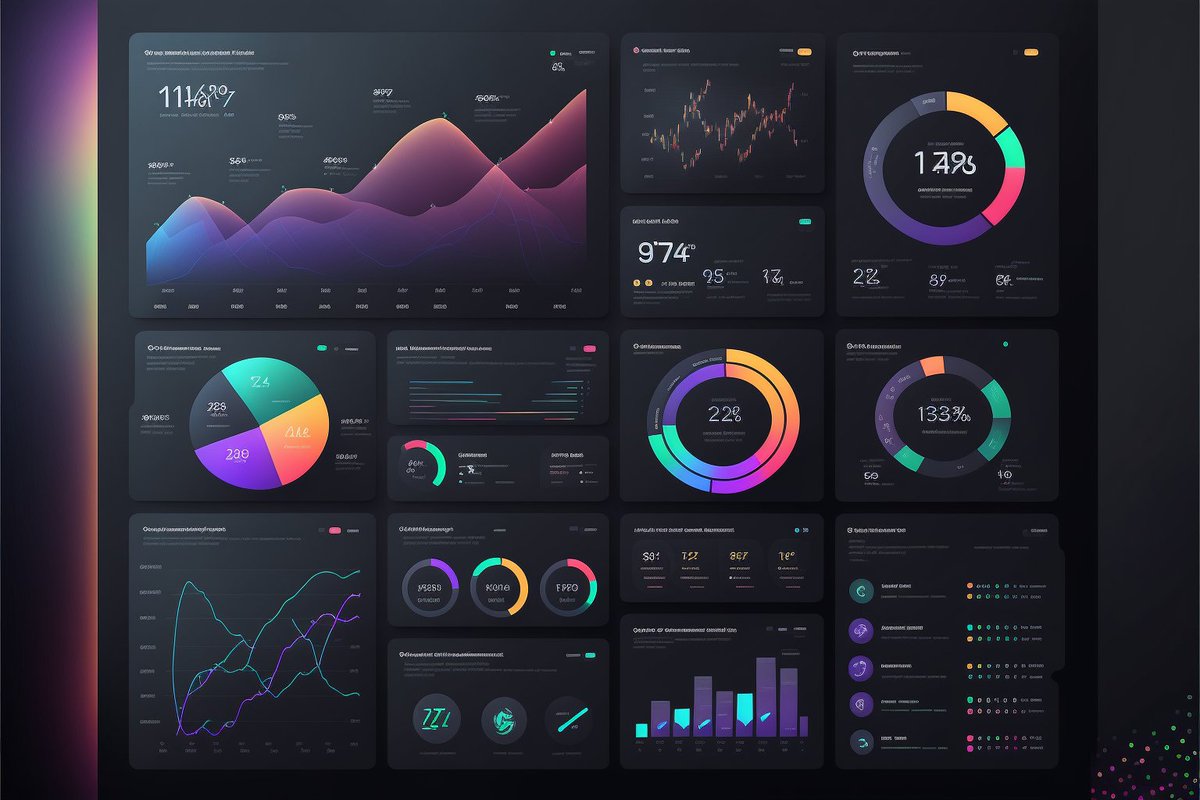
A collection of 50 curated AI designs 📐 (dashboards, landings, icons, stock images) created 100% with @midjourney.
With ALL the PROMPTs 🙊 for FREE so you can create your own!
AI will also impact UX/UI design over time. That's for sure. 🤯
#midjourney#ai