@RyanRodenbaugh@CoinDesk@LiquidFi_Inc I don’t. Their website stays up to date with loan UPB tokenized, p&i payments recorded, etc.
I’ll check with them to see if they have Dune or anything else you can keep up with.
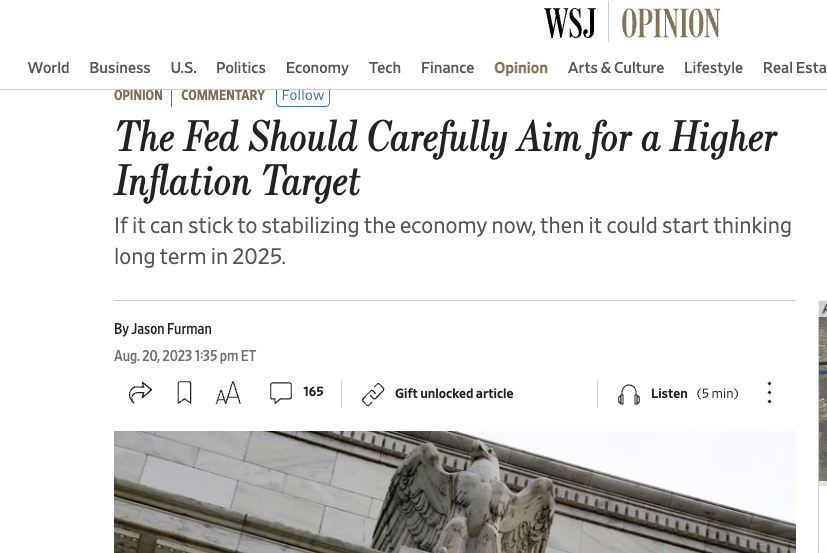
Here comes the Harvard professors shilling 3% inflation.
"A higher target inflation rate has costs, especially the time and attention people spend trying to account for how much their current dollars will be worth in a year or 10. But a higher target also has the benefit of helping cushion the economy against severe recessions."
It takes a tenured professor to think the main problem with inflation is trying to calculate how much your money's worth in 10 years 🤪
@jkosseff@prestonjbyrne 1. Gone away
2. Defy you
3. Kids aren’t alright
4. Gotta get away
5. hammerhead
This is the definitive offspring top 5. Special bonus for Gotta get away for best video
Yet those benefits aren't always clear cut.
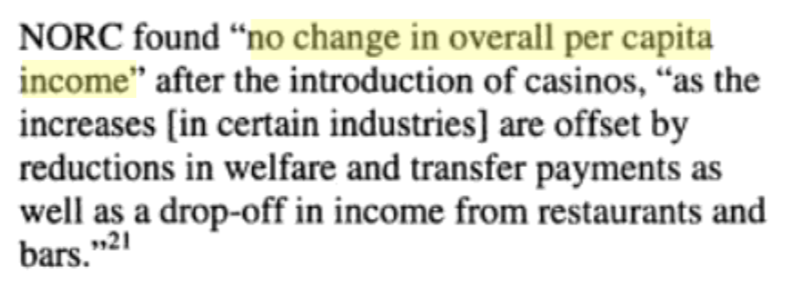
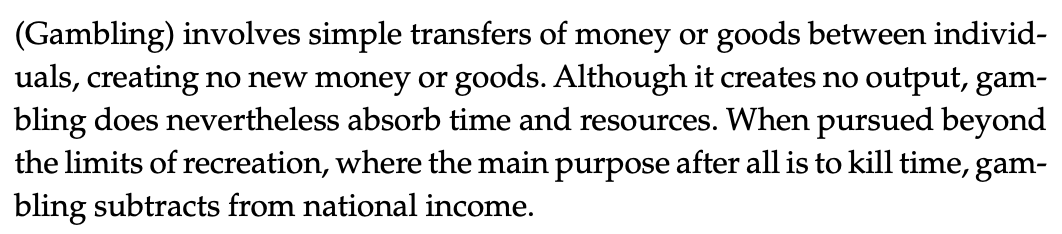
A University of Chicago study found “no change in overall per capita income” from gambling legalization in the cases it studied.
\5
This is by design. Govt wants crypto activity happening at its vassal banks. This way they can conduct surveillance and enforcement thru a very compliant adjunct.
Systemically important banks are picking up more crypto business as they see the growth trajectory of the industry. The failure of their smaller peers represents a moment of opportunity for them to grow their own business lines. https://t.co/99Iaj0JBiD
Germany wants to force its power-hungry data centers to harness excess heat for warming residential homes — an effort which the industry warns is likely to fall flat https://t.co/kfRKFdZmsq
High-resolution satellite data pinpoints a methane cloud in Jordan that @ghgsat attributes to the waste sector.
This image is part of an exclusive series of observations being published during the COP27 climate talks.
This project is free to read https://t.co/mWMoDKM6OI
@benedictevans $31T in debt, price controls on money, capital controls on money movement, transaction censorship from on high, FDIC-born moral hazard.
Systemic loss of trust incoming. Sit tight.