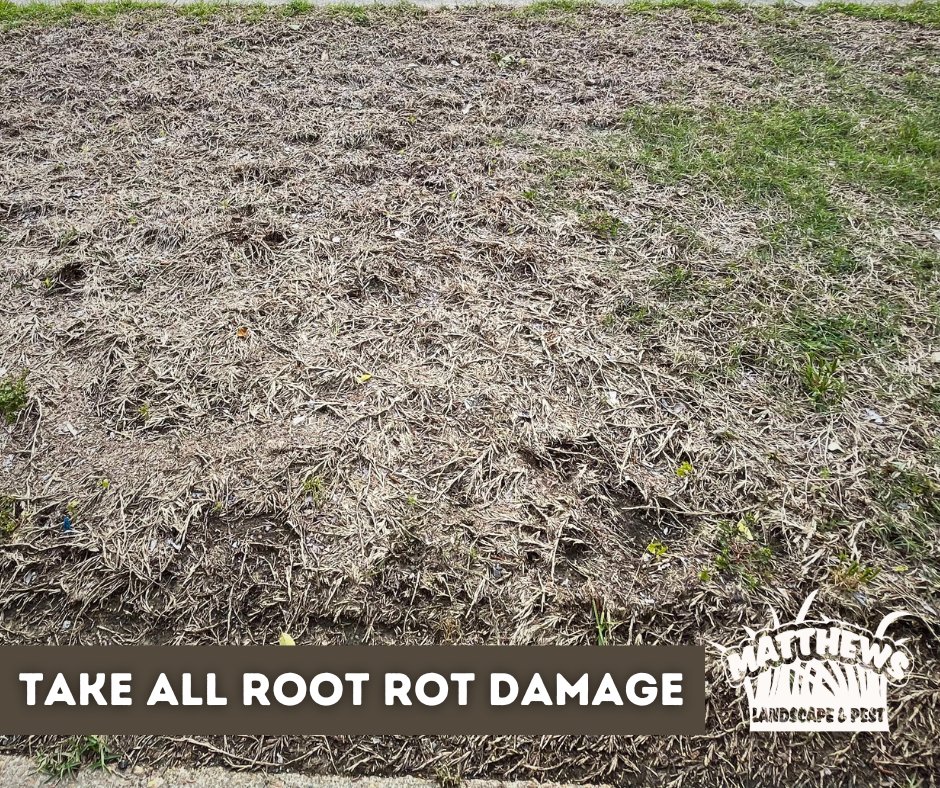
as well as the rest of your yard. Sometimes the sprinkler heads need an adjustment to make sure the entire yard is getting the right amount of water. #heatwave#sprinkler#lawncare#shreveport
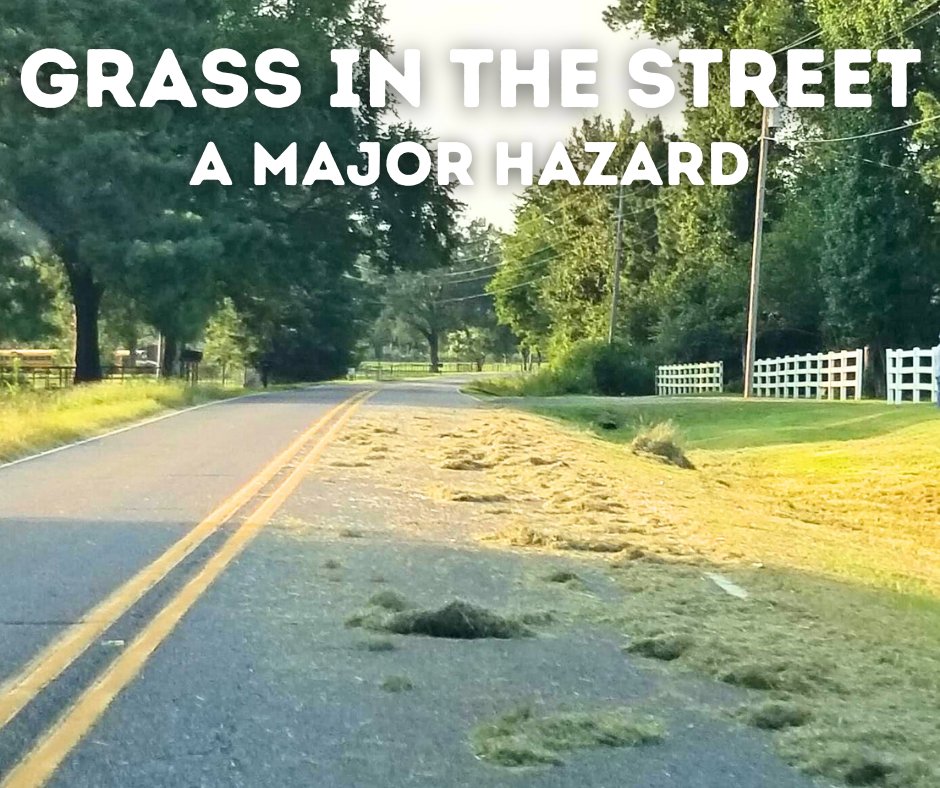
It's a crop circle- wait...no, it's a hot spot! You may have noticed a lot of brown or almost white patches of grass in your yard while the rest is nice and green. These are known as hot spots, patches of dry grass that form when your irrigation system isn't reaching those spots
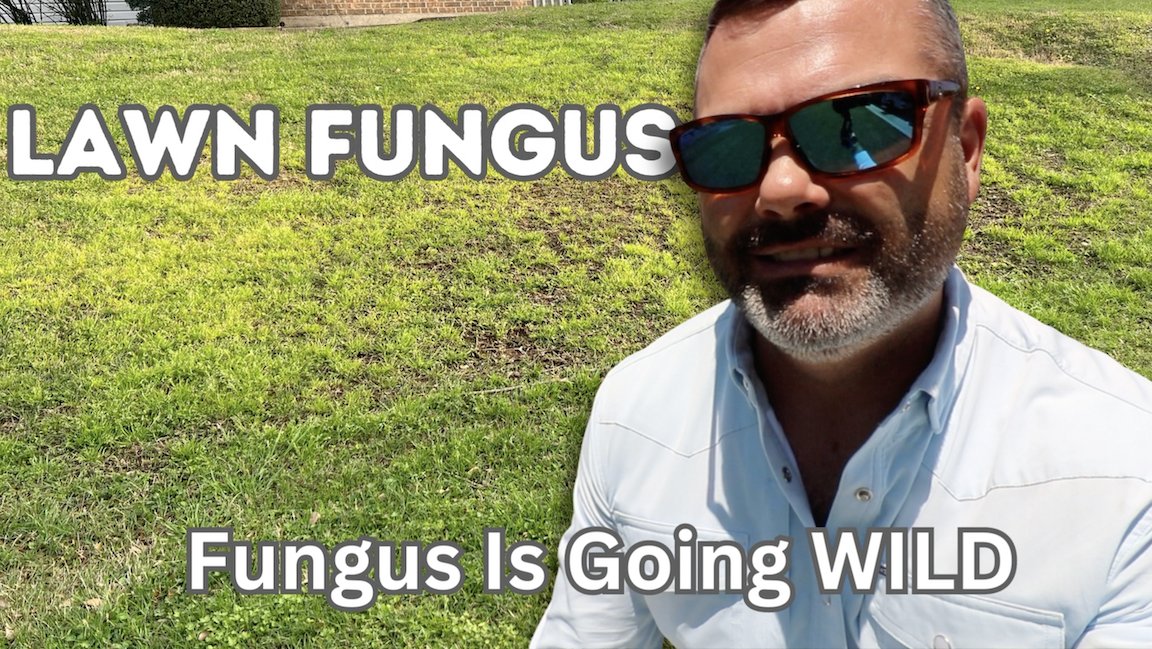
Driving around town, it's easy to see the effects of the heat on the grass. Everywhere you go there's dry, crunchy yards as far as the eye can see. But don't lose hope. Here's some tips that might help
so keeping them out entirely is better.
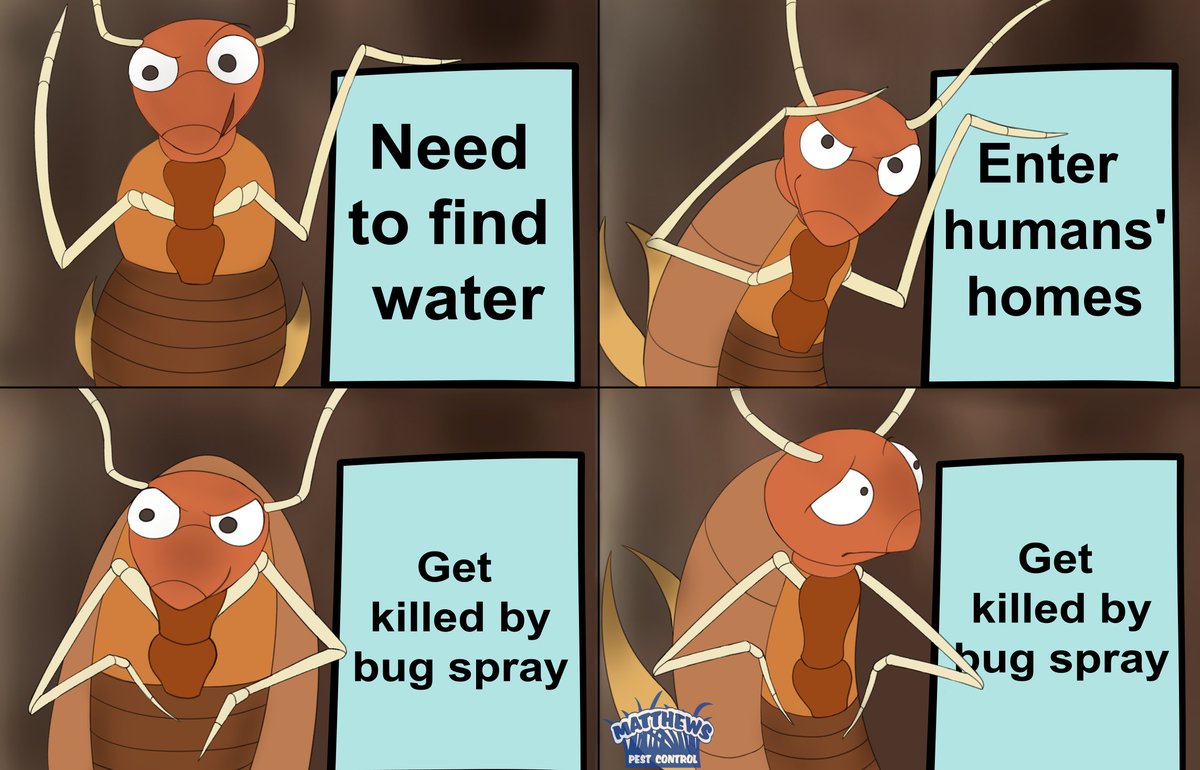
Limit over-watering your grass, create separation of the mulch against your home's foundation, and trim trees or shrubs touching your house. #earwigs#pestcontrol#cartoon#earwig
We've had a pretty wet summer so far! But still, as we look towards the later months and potential drought it's important to consider what pests might come from lack of water. Earwigs are one of the common bugs to move indoors while looking for water. They're pretty hard to kill-
It's going to be a hot week.... and it's important to make sure your lawn is watered properly to avoid heat damage. A few tips: Use deep watering 2 times a week or less (not every day). Your lawn needs about 1-2 inches a week. Don't panic because of the heat and overwater!
Hydrangeas are a very popular plant here. They're unique because of their "color-changing" qualities. For most hydrangea species, the color of the flowers depends on the pH of the soil. Planting in acidic soil will produce blue or purple flowers, and alkaline soil, pink or red.
With all the rain, sometimes pests tend to make their way in looking for shelter. Listen in as Dylan explains how we combat the weather! Hope this helps and if you have any questions about pest control, let us know!
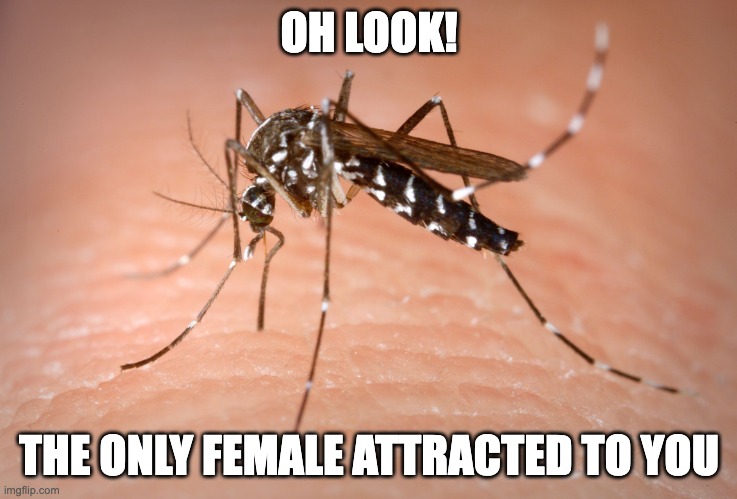
Did you know that only female mosquitoes bite? They hang out in your landscape plants and around standing water. Make sure that you treat landscape beds with insect growth regulators (IGRs) to reduce their population around your home!