First trailer for ‘QUIET ON SET: THE DARK SIDE OF KIDS TV’, a 4-part docu series investigating the toxic environment behind Dan Schneider’s Nickelodeon reign.
Premieres March 17 on Investigation Discovery.
There are people saying Thanos was right even though:
1) He could have just used the Infinity Gauntlet's reality-altering powers to increase the amount of resources in the universe, thereby rendering overpopulation a non-issue.
2) If he couldn't do that for some reason, he could have just used the Infinity Gauntlet to stop people from reproducing more than the replacement level. The morality of this option is still questionable, but far less so than killing half of all life in the universe.
3) Considering the rate at which human (and presumably human-like alien) populations grow, the population of the universe would have just been right back to where it was a few decades later and he would have to kill half of all people again since he apparently didn't consider the first two options.
4) Killing half of all life in the universe means killing half of all plants and animals, thereby destroying ecosystems and compounding the issue of resource scarcity, thus defeating the supposed purpose of the Snap.
So not only was Thanos wrong and evil, he was also stupid.
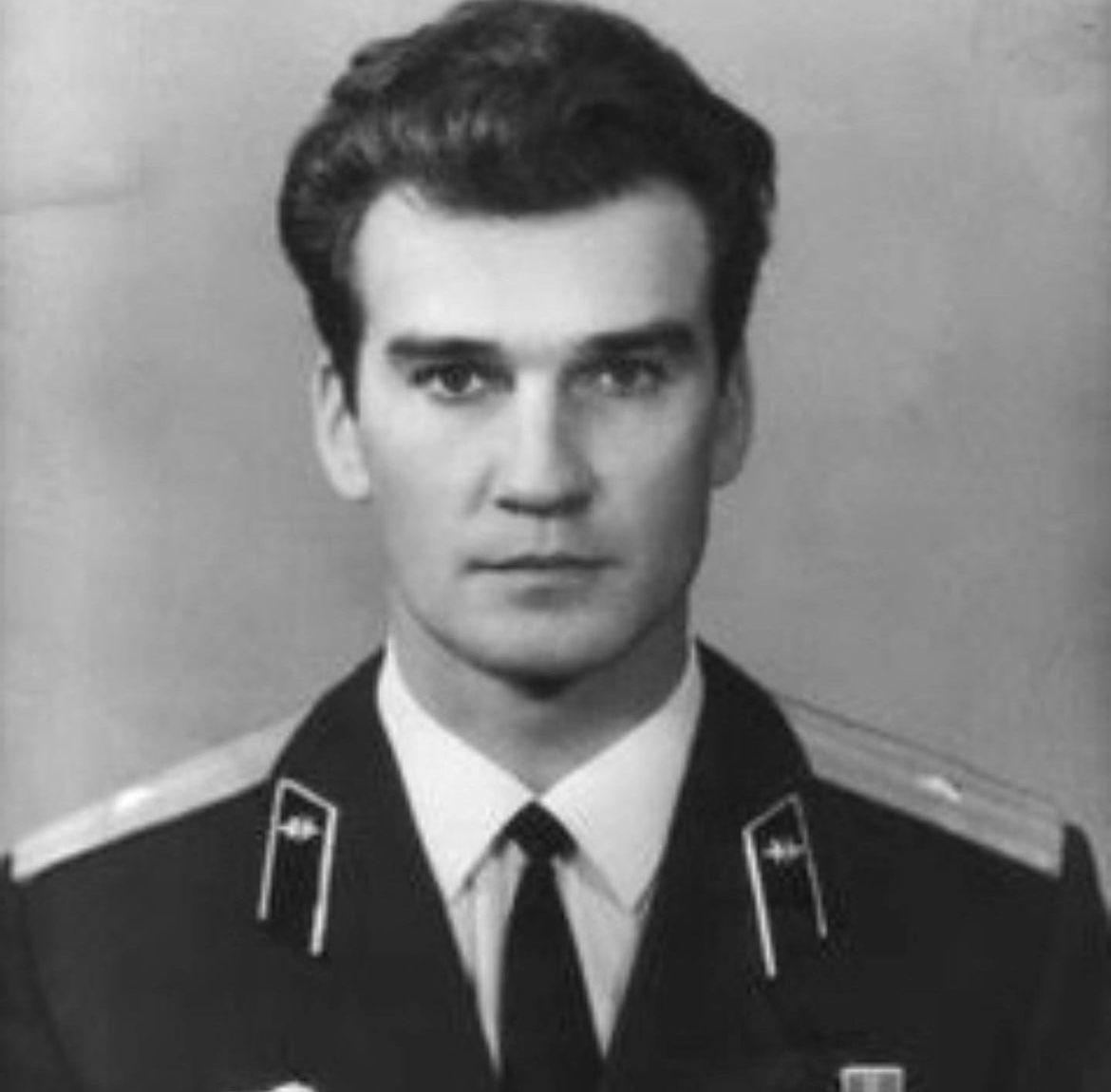
Stanislav Petrov, the man who saved the world from nuclear disaster, on this day in 1983, 39 years ago today, saw the word "LAUNCH" flash across the Soviet Union's attack early warning system. His screen stated with high reliability that a total of five American intercontinental ballistic missiles (ICBMs) had been launched and were headed toward the Soviet Union. Petrov had to make a decision: should he report an incoming American strike, or should he hold off, confident that what they were seeing was a false alarm?
If he reported it, Soviet nuclear doctrine called for a full nuclear retaliation. There would be no time to double-check the warning system or seek negotiations with the U.S. This occurred during the Reagan administration, which had taken a firmer stance against the Soviets compared to previous administrations. The Reagan administration was deploying Pershing I nuclear-armed missiles to West Germany and Great Britain, capable of striking the Soviet Union. Given these circumstances, Petrov had reasons to believe that Reagan's brinkmanship had escalated to an actual nuclear exchange.
However, Petrov chose not to report the incoming strike. In the end, his decision proved to be correct. The system had mistaken the sun's reflection off of clouds for a missile. A 1979 report by Congress had estimated that a full-scale Soviet assault on the U.S., and an eventual counter-strike, would have resulted in over 100 million deaths. Petrov, almost single-handedly, prevented those deaths.
Despite being right, Petrov was relentlessly interrogated afterward and never rewarded for his decision, according to David Hoffman of The Washington Post.
Probably the best thing you'll see today.
In 2017, a group of developers hilariously competed for who could create worst volume control interface in the world.
The results 🧵
1/22