1950, America was building more homes than we are today, with less than half the population.
1950:
• Population: 151 million
• Housing starts: 1.91 million
2025:
• Population: 342 million
• Housing starts: 1.36 million
When I came across these stats, I was surprised to learn we were building more than three times as much housing per person.
Evaporación de tráfico en Vitoria-Gasteiz: cambió de un día para otro toda su red de autobuses, multiplicó por 2,5 el coste de los parquímetros y creció el uso de transporte público un 80%. https://t.co/0GtkzjL90b
While most U.S. transit systems still haven't recovered from Covid, Raleigh's major systems are up 112% over 2019. GoRaleigh credits more frequent buses, including one route that comes every 10 minutes. https://t.co/EJTmvEGfPU
Raleigh allowed duplexes and townhouses and stopped requiring parking. Yearly permits rose 74%, and inflation-adjusted rents fell 15% from 2022 to 2025. https://t.co/eeSPyBrRuP
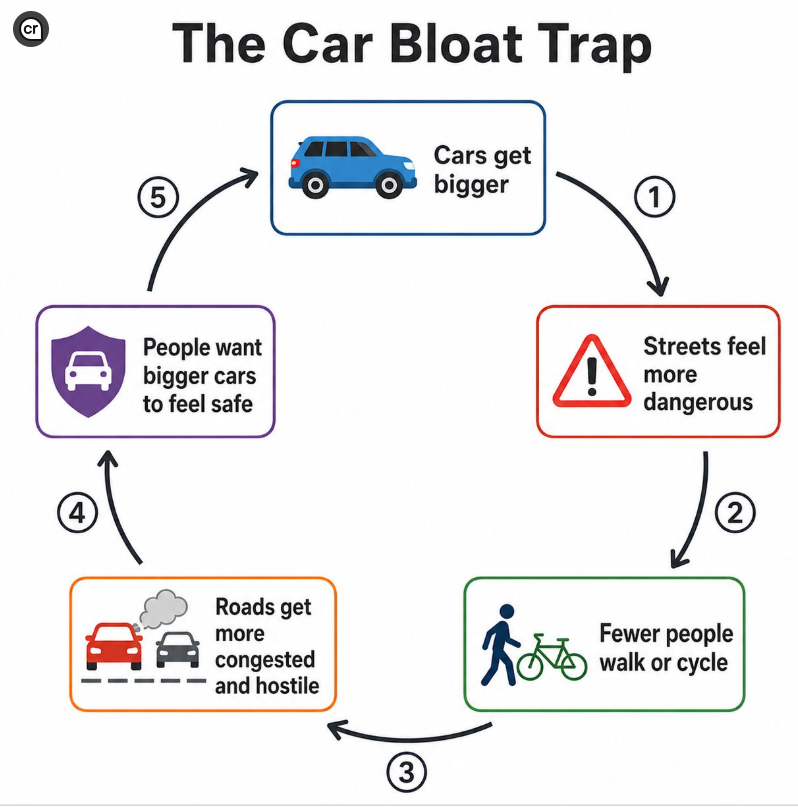
Nothing shows how conditioned Americans are by cars than public transit conversations. Cars as personal freedom. Cars and parking as a right. The individual over the collective. The idea of public transit as demeaning is so strong that people pretend that cars are liberating.
Great project in New York City.
The US Federal approach to Bus Rapid Transit (BRT) has been to imagine giant capital projects that take a decade with lots of requirements for “distinctive identity,” etc.
But a city can also just do it. It’s mostly paint and signs and signals!
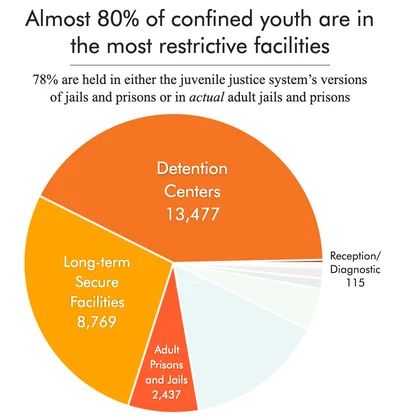
When children are confined in adult carceral facilities, they are:
-20x more likely to experience depression
-36x more likely to die by suicide
Yet the U.S. still locks up 2,500 children in adult jails & prisons each year. This is not a country that cares about protecting kids.
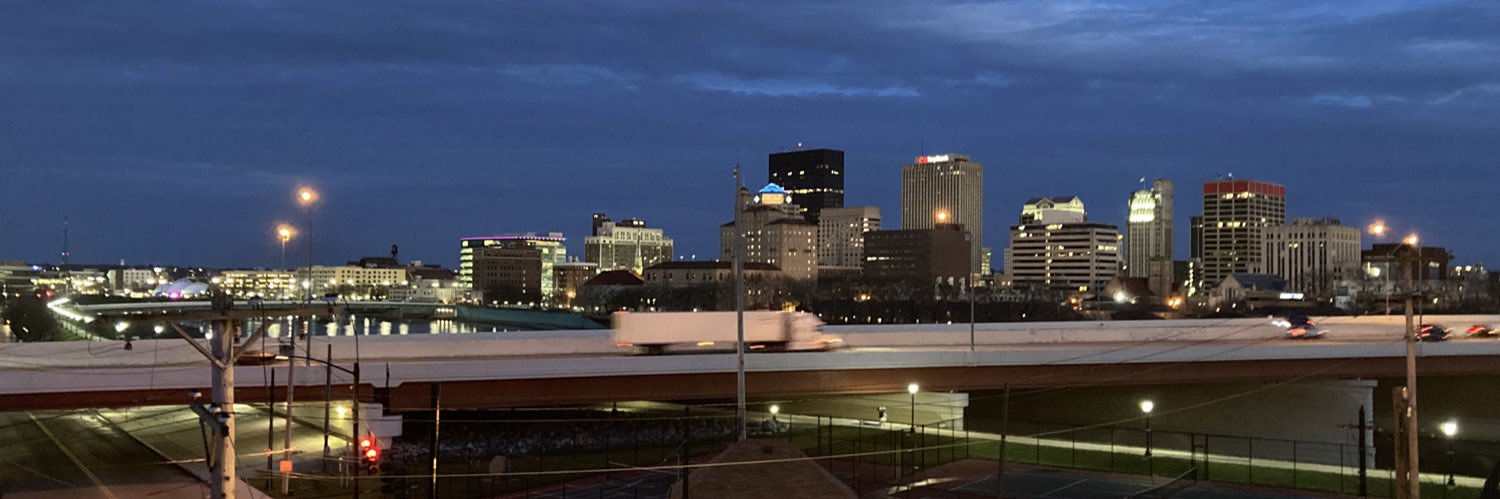
A dozen independent retailers across downtown Dayton are encouraging the community to shop locally on Small Business Saturday happening Nov. 28. https://t.co/xiQYGsf15U
The single best transportation investment Ohio could make is the 3C+D rail line linking our largest cities & the backbone of our economy.
Adding feeder bus service would drive ridership, connect communities, and investment even more.