Wczoraj w Nature ukazała się publikacja zespołu Microsoft Research podsumowująca postępy prac nad Project Silica – systemu do przechowywania danych w szkle o trwałości co najmniej 10 000 lat.
Technologia wykorzystuje laser femtosekundowy (femto = 10⁻¹⁵) do tworzenia mikroskopijnych deformacji w strukturze szkła, kodując dane w trzech wymiarach. Przełomem jest z kolei zastosowanie zwykłego szkła borokrzemowego (chyba tak to się pisze), zamiast znacznie droższego szkła kwarcowego.
W badaniu zademonstrowano zapis 4,8 TB danych w płytce o średnicy 12 cm i grubości zaledwie 2 mm. Odczyt danych wymaga tylko jednej kamery, podczas gdy poprzednie wersje systemu potrzebowały trzech lub czterech.
Google has dropped a free Duolingo alternative 🤯
It's called Little Language Lessons and it generates custom conversation partners, slang guides, and visual vocab decks on demand.
→ 40+ languages (English, German, Chinese... more)
→ Helps improve pronunciation
→ 100% free, no subscriptions
The Orlan space suit was designed by the Soviet Union for spacewalks outside stations like Salyut, Mir, and later the ISS.
Instead of being put on in pieces, cosmonauts climb into the suit through a rear hatch built into the backpack, which also contains the life-support system that keeps them alive in the vacuum of space.
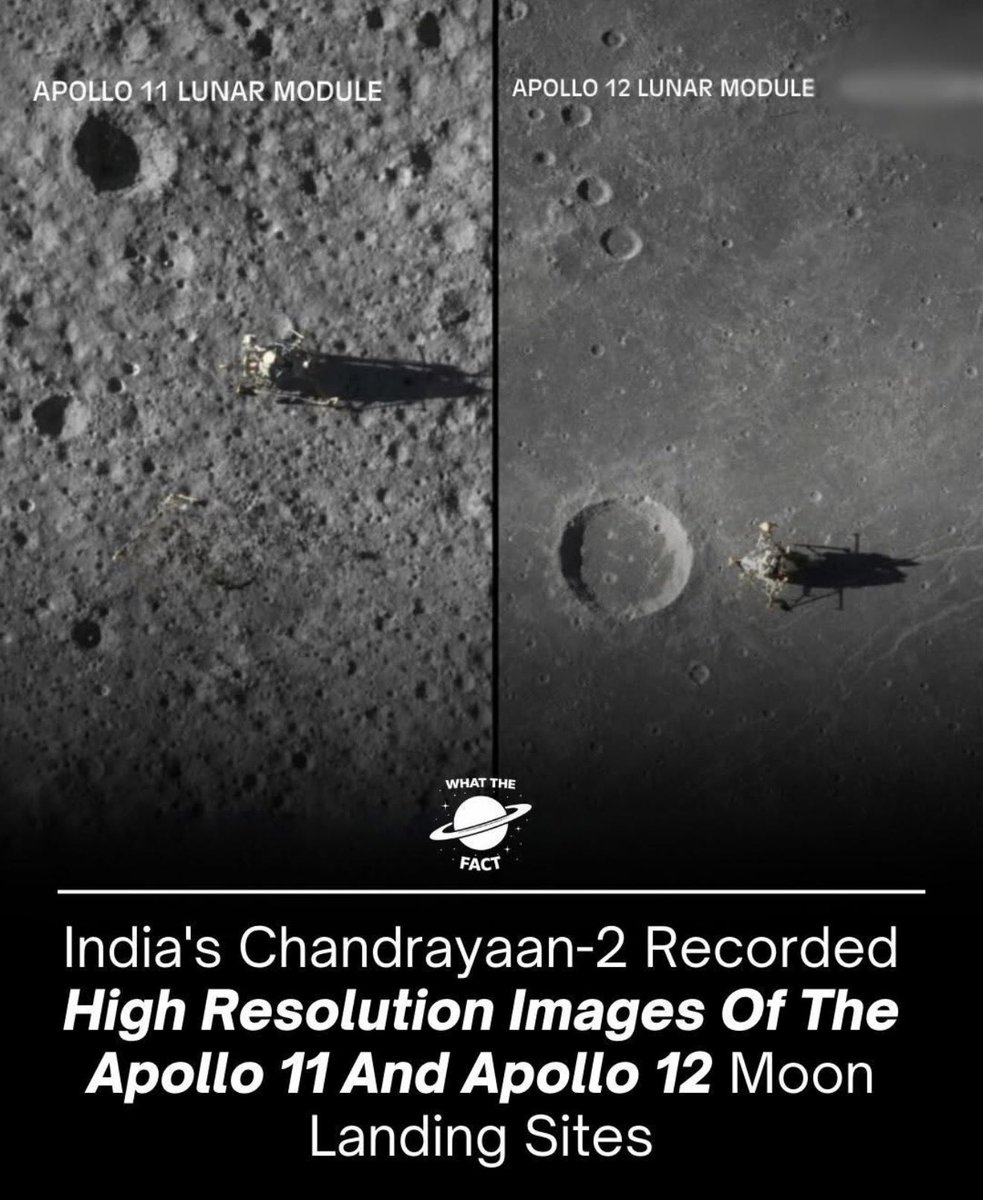
In a powerful blend of history and modern technology, India’s Chandrayaan-2 orbiter has captured stunning high-resolution images of the Apollo 11 and Apollo 12 landing sites, offering fresh visual proof of humanity’s first steps on the Moon.
The photos show the exact spots where astronauts Neil Armstrong, Buzz Aldrin, and later Pete Conrad and Alan Bean left their footprints, planted flags, and deployed scientific instruments over half a century ago. Now, from a new perspective high above the lunar surface, Chandrayaan-2 has confirmed those locations with crystal clarity, marking a moment of global pride for space enthusiasts everywhere.
This isn’t just about validating history—it’s about how far we’ve come. A country that watched the Moon landings on black-and-white TVs is now photographing the same scenes with its own spacecraft. It’s a poetic milestone for a rising space power, reminding the world that the Moon still holds meaning, mystery, and shared legacy.
India’s achievement not only reinforces its space capabilities—it also bridges generations.
From Apollo to Chandrayaan, the Moon still reflects our story.
Starty wahadłowców pozostaną dla mnie szczytem inżynierii. To jak po odpaleniu RS-25 całość odchyla się od pionu. A potem gdy wraca uwalniany jest cały zestaw z platformy i w idealnym momencie uruchamiają się SRB.
Do dziś robi na mnie ogromne wrażenie.