39yrs consistently designing ultimate luxury golf travel experiences. Exciting journey and a privilege to be part of this travel and golf Industry. Thank You.
“Read books. Travel when you can. Learn how to cook one meal exceptionally well. Sit in old bars and talk to strangers. Wear your best jacket to dinner. Appreciate good wine, good music, and good conversation. Do the right thing, even when no one is watching. Set the example for younger men who are watching you. Call your parents. Take long walks. Leave your phone behind sometimes. Become the kind of man people feel better after being around. Life is short, so live it well.”
-J.B. Lloyd
"The true luxury of life is not in things, but in the slow, quiet moments shared on a doorstep—where time stops, and the world is just two people talking."
— Virginia Woolf
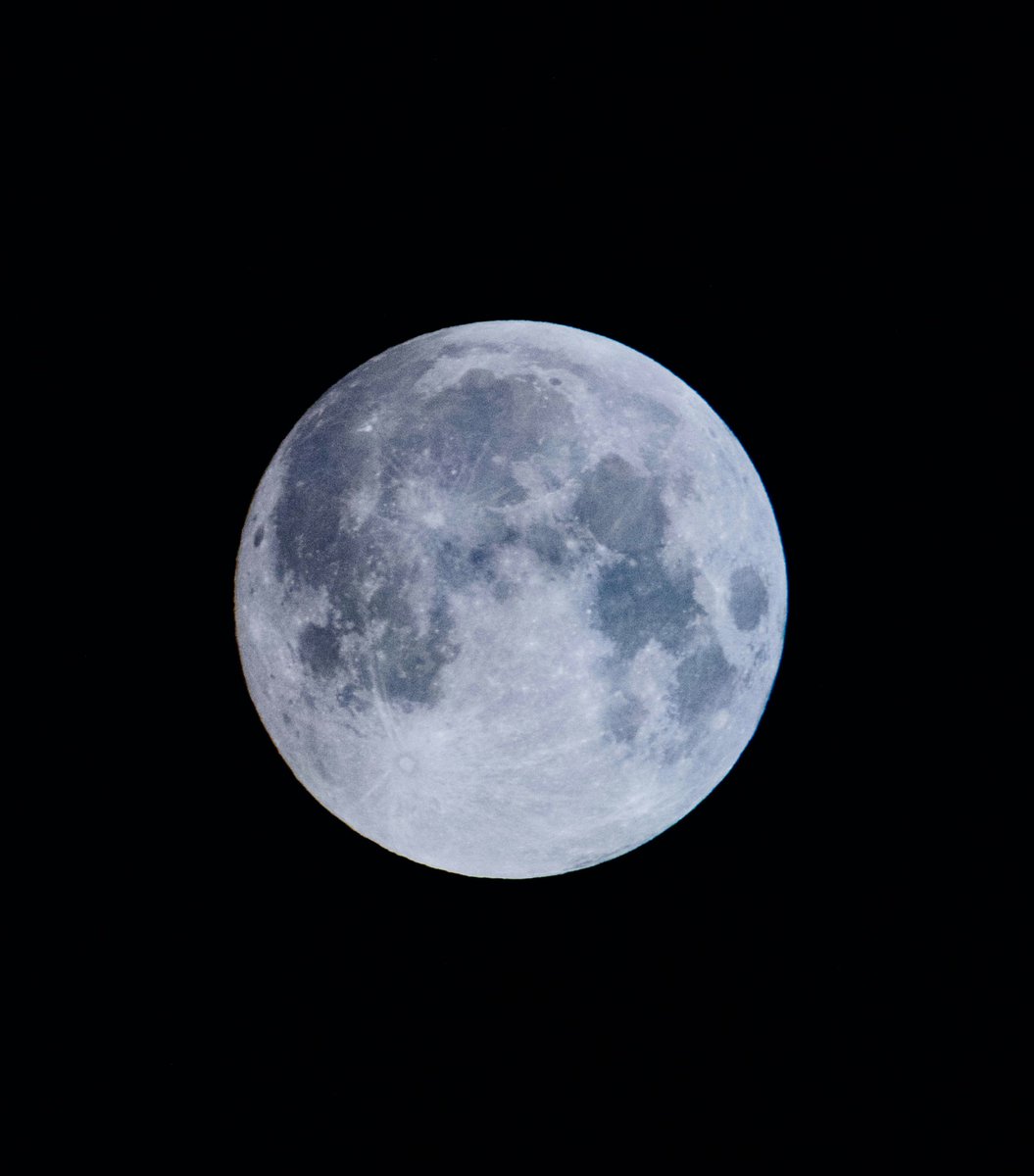
One of the rarest moons of the decade is rising over Earth tonight.
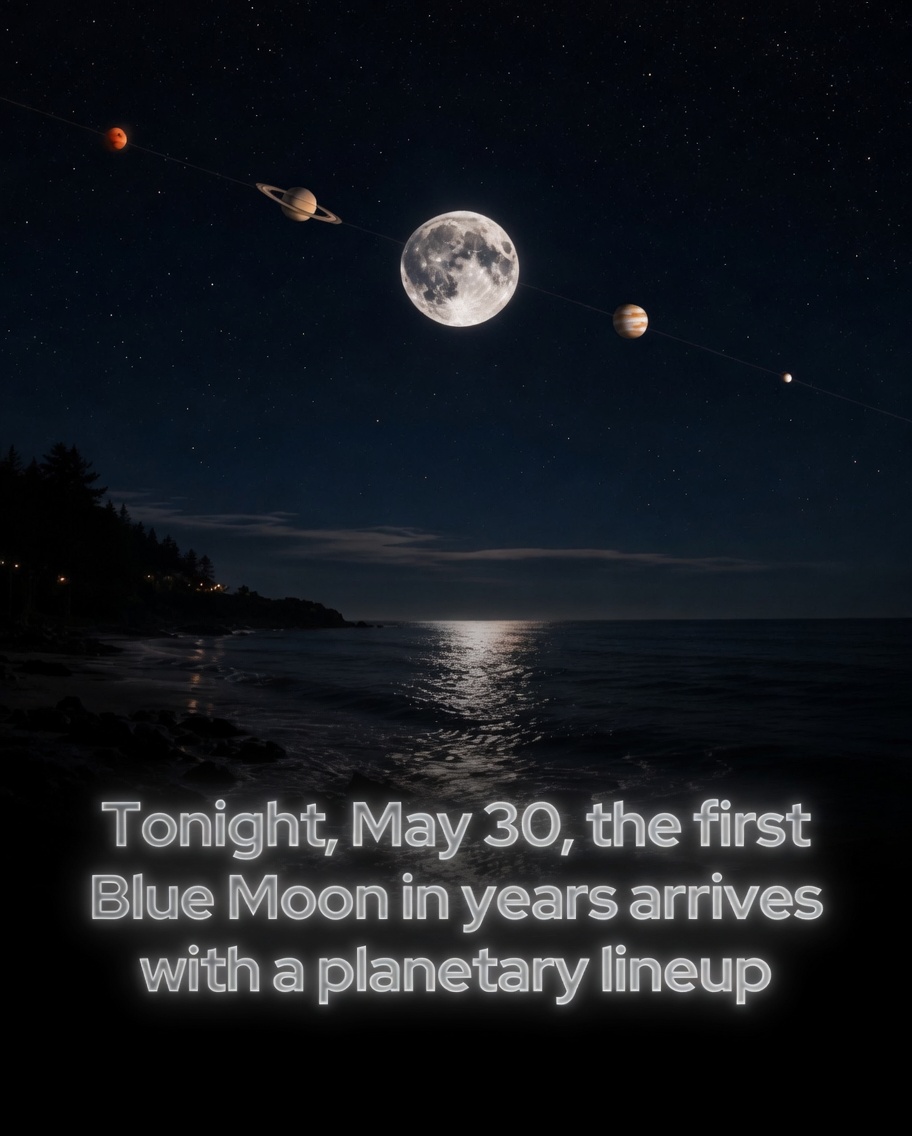
On May 30–31, the second full moon of the month will grace the sky, creating what is known as a Blue Moon. This uncommon event occurs only about once every two and a half years. After this weekend, the next monthly Blue Moon will not appear until December 2028.
This year’s Blue Moon is especially spectacular because it coincides with a beautiful planetary lineup. Before sunrise, Mars and Saturn will shine low in the eastern sky. After sunset, Venus and Jupiter will glow brightly in the west as the full moon dominates the night.
Despite its name, a Blue Moon is not actually blue. The term simply describes the second full moon to occur within a single calendar month. Since the Moon takes roughly 29.5 days to orbit Earth, squeezing two full moons into one month is unusual but not impossible.
The best time to view this Blue Moon may surprise you. Although it reaches peak fullness in the early hours of May 31, many skywatchers prefer to observe it rising on the evening of May 30. As it lifts above the horizon near sunset, the Moon often appears larger and takes on striking deep orange and golden hues.
This warm coloring is caused by the same atmospheric effect that creates colorful sunsets. Near the horizon, moonlight travels through more of Earth’s atmosphere, scattering shorter blue wavelengths and allowing longer red and orange wavelengths to reach our eyes.
The four bright planets sharing the sky with the Blue Moon are not actually close to one another. Jupiter, for example, is currently about 365 million miles (588 million km) from Earth. They only appear grouped together from our perspective here on the ground.