Thanks for a great October Morning Meeting, Maury Cougars! I can’t wait to hear your change-maker songs and poems next month. For inspiration here’s the video again. Meet The 12-Year-Boy Who Sang ‘I Just Want To Live’ About George Floyd |... https://t.co/LQ6yQIzbBF via @YouTube
Have you ever dreamed of naming a new species? Now’s your chance!
Visit https://t.co/BsbncZ4j4X to learn more and submit your name suggestion. Deadline is Wednesday, September 30th. Have fun!
Have a question for a Smithsonian scientist? Send us your questions for Dr. Ruth Bennett of the Migratory Bird Center—and tune in to our Facebook on Saturday, May 9th to see your questions answered! #ornithology#WorldMigratoryBirdDay
Have you heard the "fairies of D.C." singing in your neighborhood? Learn more in this @washingtonpost article featuring research from @SMBC Scientists!
https://t.co/XVKFis0lLz
Have a question for a Smithsonian scientist? Send us your questions for Dr. Ruth Bennett of the Migratory Bird Center—and tune in to our Facebook on Saturday, May 9th to see your questions answered! #ornithology#WorldMigratoryBirdDay
Hearing your first wood thrush each spring is food for the soul! Listen for the flute-like song in this video recorded yesterday in Silver Spring, MD. After wintering in Central America, wood thrushes come to the US to nest and raise young. https://t.co/4qxaFt6LkQ
See how others are celebrating #EarthDay and the NatGeo Neighborhood Safari, and share your own art with us using #NatGeoEarthDayAtHome https://t.co/XOYdIBLPuN
Happy Earth Day to all!!! One thing I am doing today to celebrate Earth Day is listening to Lucy Cooke on today’s National Geographic Explorer Classroom. Join me if you can! April 22, 2 p.m. ET.
So excited to be part of @NatGeoEducation's #ExplorerClassroom at 2:00 pm ET this Thursday (or 4am Friday Sydney time)!
Can't wait to chat about green-blooded #frogs, thorny frogs & vampire flying frogs (just to name a few!) to students & families! 🐸🐸
https://t.co/sZFsoesXMx
To keep with the theme of our dinosaur study, examine and read about portraits of a few female paleontologists on the Smithsonian Natural History Museum’s website. The exhibit is called “Challenging the Face of Science: The Bearded Lady Project.” https://t.co/iai8kEMg1s
Did you know that there are 1,400 different species of bats? A big thank you to National Geographic’s Explorer Edward Hurme for teaching students about the Myotis Vives bat, which eats fish and shrimp and is able to drink salt water. @NatGeo#ExplorerClassroom.
This week consider taking a virtual tour of the exhibit “Deep Time,” about dinosaurs and fossils, at the Smithsonian’s National Museum of Natural History. Go to this link and it will also tell you how to download an audio description of the exhibit: https://t.co/RbKn7U7IlE.
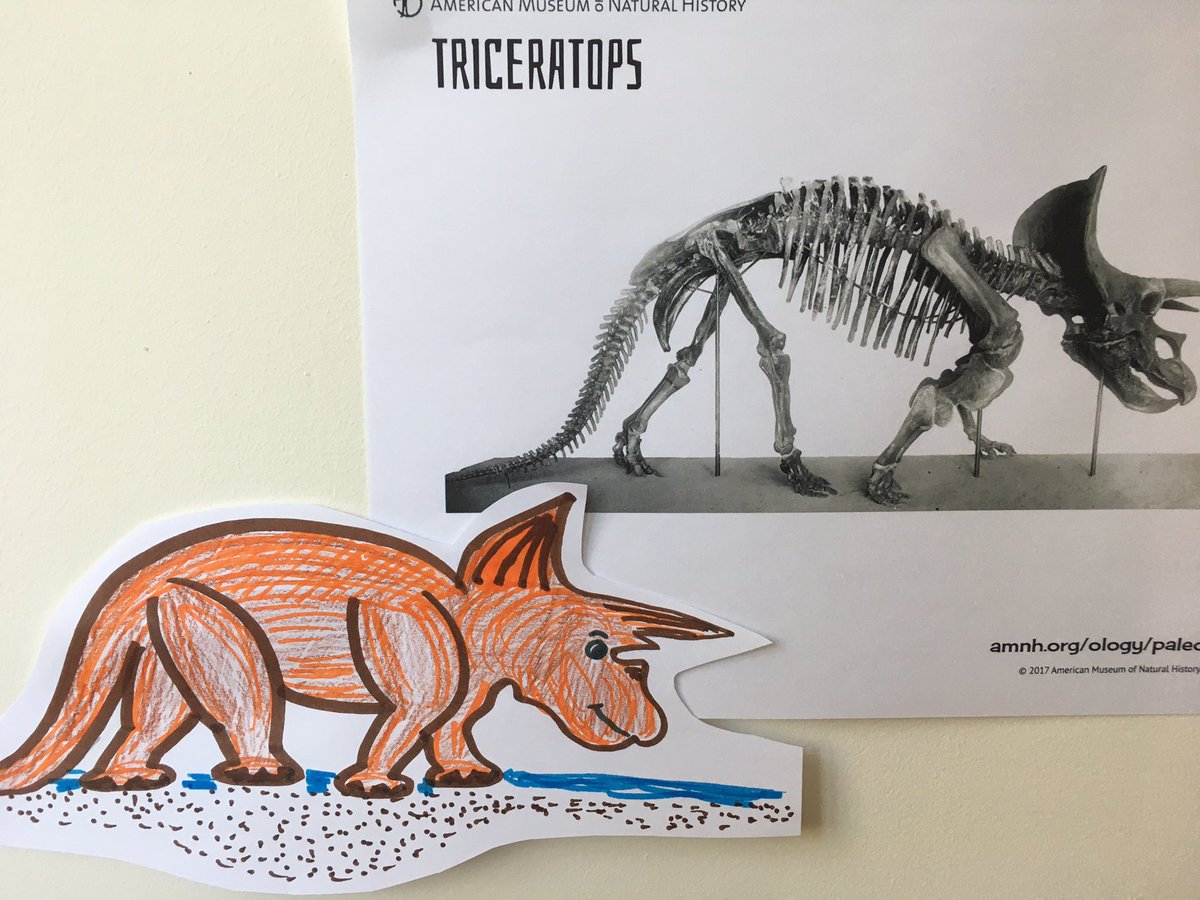
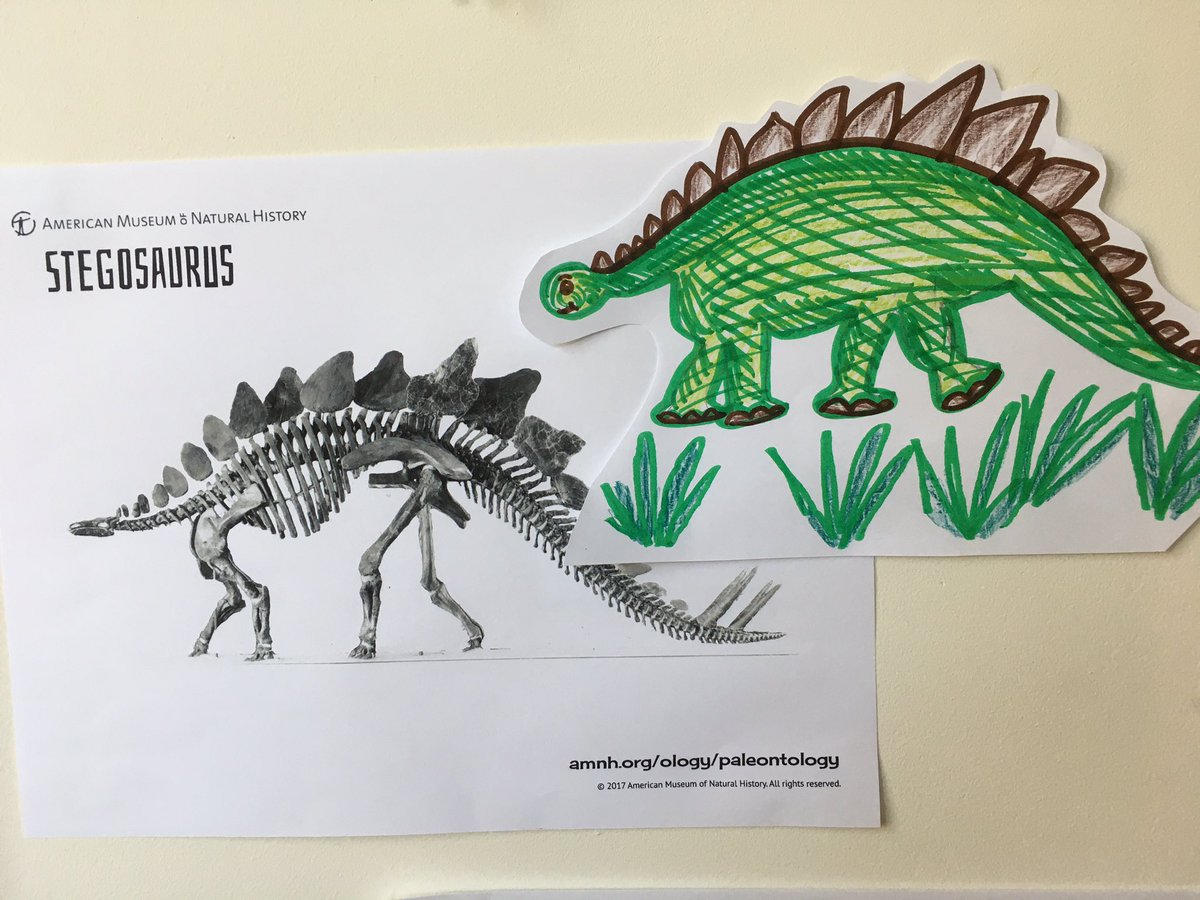
Here are some dino drawings to get you started this week. Remember to start with the bones, give the bones a body, and then add scaly skin or maybe even feathers. Finish your drawing with a prehistoric environment.
What makes a glacier? It’s has to be made of snow, flow, and be there for a long time. A big thank you to glaciologist M Jackson for her fantastic tour of glaciers around the globe today. @NatGeo#ExploererClassroom
Last year I got this amazing mug from my secret buddy @NorahRab! It’s such a delight to use everyday. Looking forward to learning more about dinosaurs with our Maury Cougars next week for our first whole school distance learning unit.