Humans are tool-making animals with “insatiable curiosity”, which @demishassabis says is “the heart of what it means to be human.”
“And I think I’ve just had that bug from the beginning, and my expression of trying to answer that is to build AI.”
https://t.co/jXMFA3CXTU
A Theory of Everyone — Michael Muthukrishna (2024)
“We are in the midst of a scientific revolution on the scale of Newtonian and Einsteinian physics, the periodic table, and Darwinian evolution.”— @mmuthukrishna
https://t.co/NNbTT5SNhg
Today marks both Darwin Day and the 10th anniversary of the Darwinian Business blog.
Over the past decade, I’ve been exploring what evolutionary science can tell us about the world of business.
To mark the occasion, here are some of my favourite reviews from the archive.
The Weirdest People in the World — Joseph Henrich (2021)
“I’ve always found it (our paper in Behavioral & Brian Sciences) unsatisfying, because it doesn’t explain anything. How can we account for all this psychological variation?”— @JoHenrich
https://t.co/IPtxnTixEI
From the makers of the popular AlphaGo documentary, The Thinking Game gives a much broader picture of the story of DeepMind and our mission to build AGI, drawing on interviews with myself and others going back many years.
You can now freely watch it here: https://t.co/hCIicyWbLi
I talked to Human Energy about the topics I’ll be discussing this evening during the Global Salon Series panel.
Check out the link to join the conversation that starts at 7 pm pst!
https://t.co/yobA8tW596
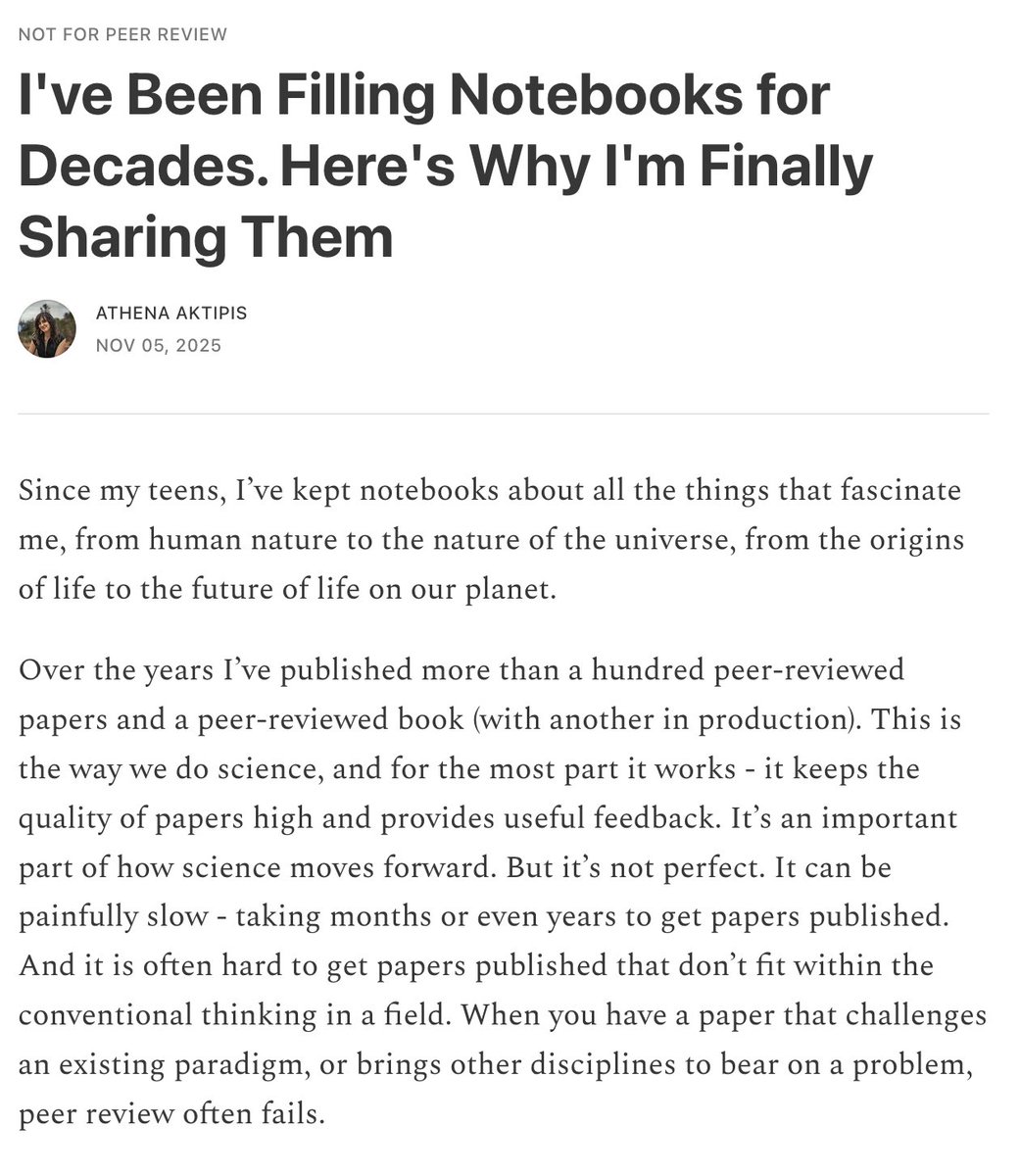
I started a Substack called Not For Peer Review. I’ve filled my notebooks with ideas, many of which have inspired my articles and books. But there are many ideas that I haven’t published, and I know I will never publish through the traditional peer review system.
Really recommend latest podcast with Serhii Plokhy on his new book The Nuclear Age. We discuss return of nuclear blackmail in the Ukraine war and the risks of a new nuclear arms race. Plus fascinating history on, among others, how the U.K. got the bomb https://t.co/kzHcXaRHmg
Out now: https://t.co/YSLdb2rsg8
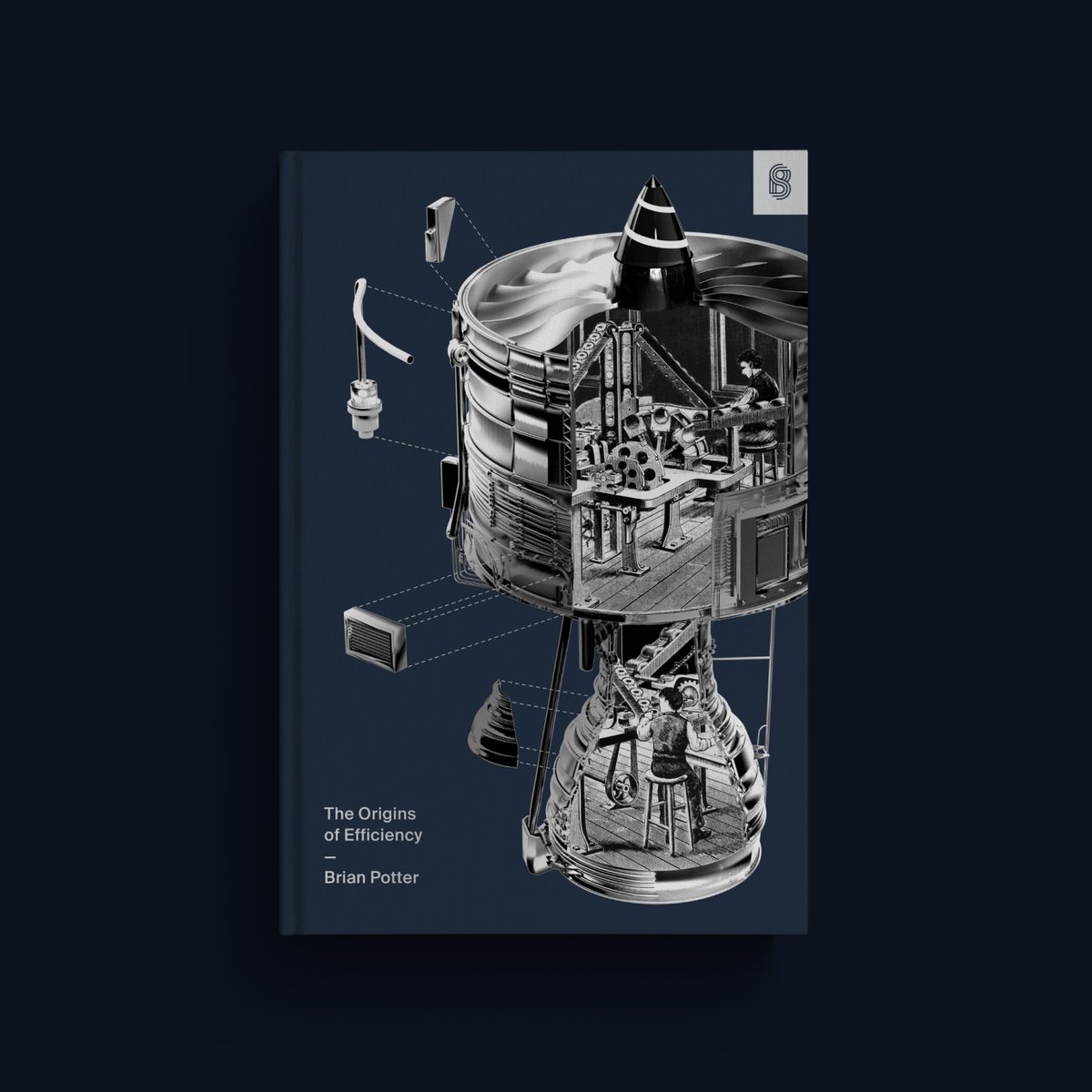
200 years on from the Industrial Revolution, we still struggle to understand what makes a production process more efficient.
The Origins of Efficiency fills in that gap.
Examining industries from steel to semiconductors to auto manufacturing, @_brianpotter reveals how production processes work and how they become faster, cheaper, and more reliable over time.
Is this the last invention? Andy Mills and Matthew Boll of Longview tell the story of "the debate of all debates” - how serious is the threat from artificial intelligence?
https://t.co/L5ccFmJON5
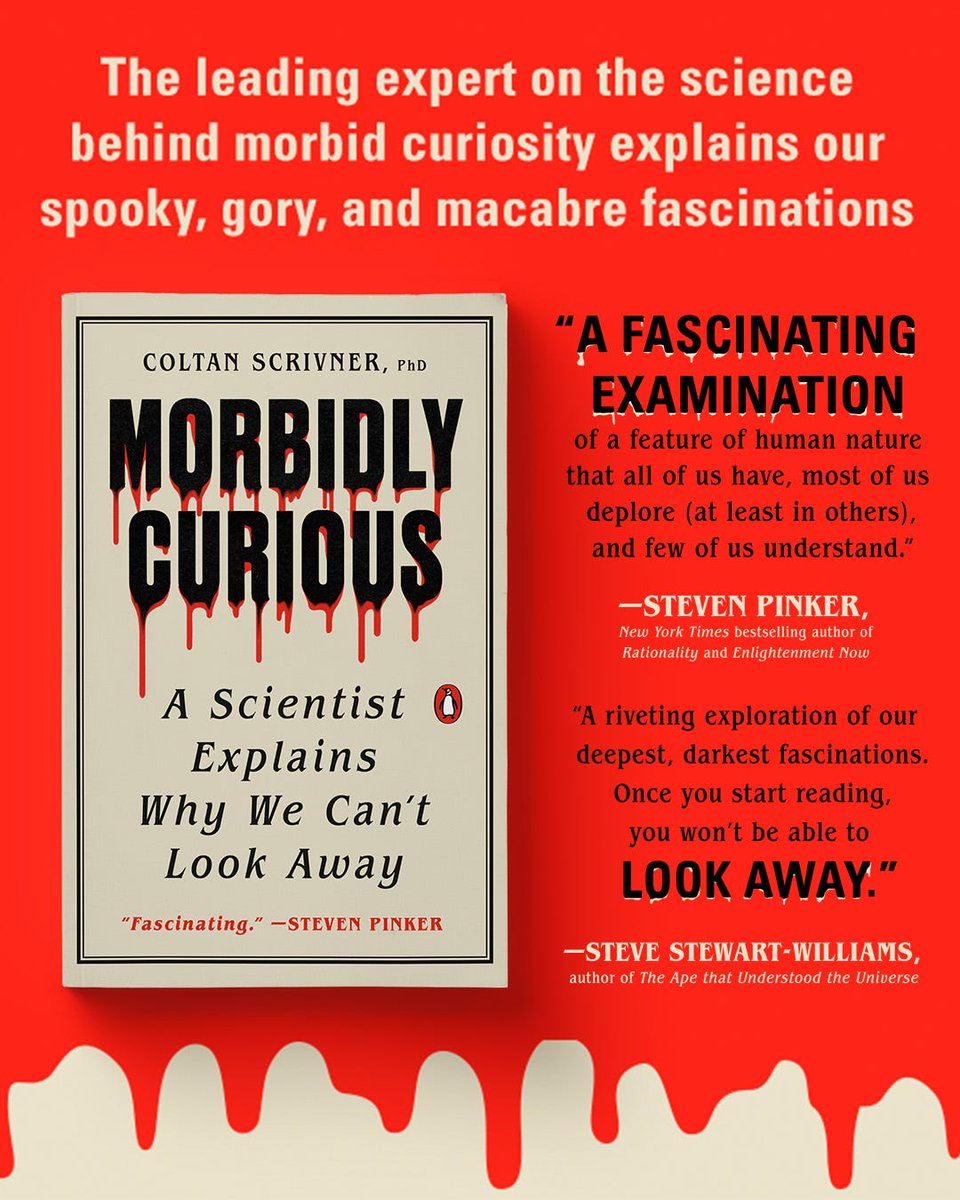
Morbidly Curious releases tomorrow. Thanks to everyone who supported this project, from blurbers and early readers to followers who pre-ordered the book.
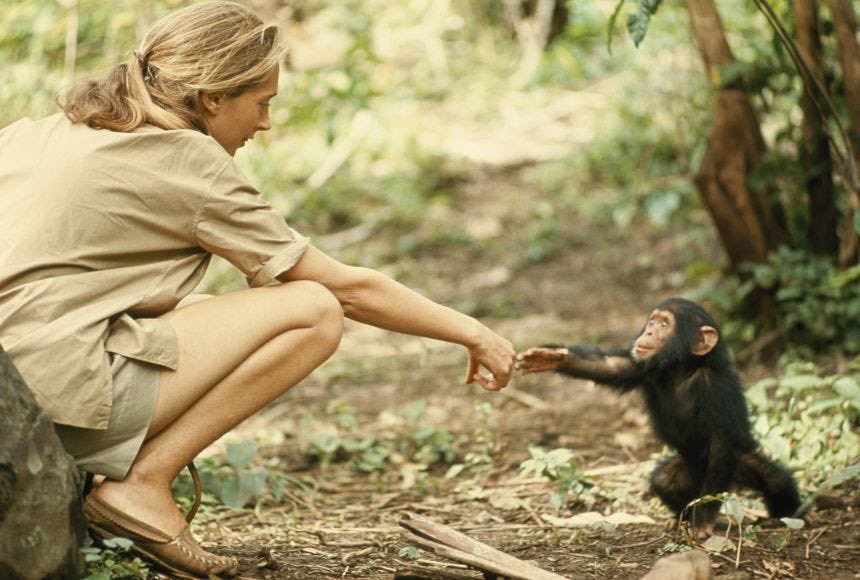
“Chimpanzees, more than any other living creature, have helped us to understand that there is no sharp line between humans and the rest of the animal kingdom.”
-Jane Goodall
For more great Goodall quotes, check out the link below.
In 1960, Dr. Jane Goodall’s early fieldwork observing chimpanzees at Gombe Stream Game Reserve, in Tanganyika (now Tanzania), unveiled groundbreaking research of shared behaviors between humans and apes.
The Jane Goodall Institute announced on October 1, 2025, that Jane Goodall died at 91. A primatologist, conservationist, animal advocate, educator, and National Geographic Explorer, her work revolutionized our understanding of the natural world.
HUMAN is available in the US on PBS platforms but also on YouTube at NOVA
Episode 1 ORIGINS: https://t.co/GNwNnH231g
Episode 2 JOURNEYS:
https://t.co/YzPJZi3Kcd