🔴 Update
Senior Hamas official Basem Naim on Thursday told Al-Araby TV that his side "cannot engage" in any ceasefire and captive swap negotiations "while the occupation continues to expand its aggression on Gaza City"
https://t.co/QC0ZmqDIIV
A Vision for Puntland: Thread 🧵 1/2
Gurey stepped off the plane in Garowe, greeted by a refreshing breeze that carried the earthy aroma of the land. It was his first time in Puntland, a place he had only known through his father’s stories. Raised in London, he had grown up hearing about Puntland’s proud history, its resilient people, and the untapped potential that lay in its heart. Yet, nothing could have prepared him for the striking beauty of the land before him.
His uncle, Jama, met him at the airport with a broad smile. “Welcome home, Gurey! You’re about to fall in love with this place.”
Gurey chuckled, his curiosity piqued. “We’ll see about that.”
Over the following weeks, Gurey journeyed across Puntland from the lively streets of Garowe to the tranquil shores of Caluula. The country’s landscapes captivated him. The endless hills rolled like waves, dotted with acacia trees that stood tall against the wind. The vibrant markets thrived with life traders peddling everything from frankincense to intricate crafts. The coast, with its turquoise waters and pristine beaches, was nothing short of breathtaking. It felt like the land itself was calling to him, grounding him in a sense of belonging he had never known before.
But what struck Gurey the most were the people. Everywhere he went, he witnessed resilience, hope, and an unwavering drive for progress. Young men and women dreamt of better schools, healthcare, and opportunities to build a brighter future. Elders spoke of Puntland’s promise to be strong and independent, but the constant interference from Somalia’s federal government kept them tethered to an uncertain future. This was a land brimming with potential, but its growth was stifled by the very forces that should have supported it.
One evening, while sitting under a star-strewn sky in Bosaso, Gurey turned to his uncle. “Puntland is beautiful, but it feels like it’s trapped in the past. Why does it feel so stuck?”
Jama sighed, his gaze fixed on the horizon. “Because we lack the leadership to break free. We need leaders who believe in Puntland’s future not those who are bound by loyalty to Somalia. Our land deserves to thrive on its own.”
That night, Gurey couldn’t sleep. His mind raced, grappling with a question that had taken root deep in his heart. What if he could be the leader Puntland needed to break free? What if he could use what he had learned in the UK, modern governance, transparency, and innovation to help unlock Puntland’s true potential?
The next morning, Gurey made a bold decision. “Uncle, I’m staying longer. I want to understand the challenges here, and I want to help.”
Jama raised an eyebrow, a smile slowly spreading across his face. “A bold move, Gurey. Let’s see if you have the heart for it.”
Over the following months, Gurey immersed himself in the political and social landscape of Puntland. He met with elders, youth groups, business leaders, and community organizers. He listened intently to their hopes and frustrations, all the while crafting a revolutionary vision for a new Puntland, one that could stand proudly as an independent nation, unshackled from external control.
At first, many dismissed him as just another diaspora dreamer, full of big ideas but lacking the understanding of local realities. But Gurey’s determination and unwavering belief in Puntland’s future won over the skeptics. He became relentless, traveling across remote villages and bustling cities, connecting with people from all walks of life. His message was simple but revolutionary: Puntland could become a self-sufficient, prosperous nation if its people united with a shared purpose.
1/2 thread
The Return of Abdirahman and the Birth of Free Markets in Puntland
Abdirahman was a young man with a vision. After years of studying economics and entrepreneurship at a prestigious university abroad, he felt a powerful pull to return to his homeland, Puntland. Opportunities and challenges intertwined in this coastal region, and Abdirahman was determined to be part of its transformation. He envisioned empowering the youth to embrace discipline, principles, and business acumen qualities he believed were the keys to unlocking Puntland’s potential.
With this mission in mind, Abdirahman left the comforts of urban life abroad and journeyed to Garowe, Puntland’s capital. There, he resolved to build something that would outlast him, a foundation for a brighter future.
Abdirahman used his modest savings to open a small learning center. He called it "Mustaqbal Academy," a name symbolizing hope and the promise of a better future. The academy offered workshops and mentorship programs focused on discipline, ethical leadership, and entrepreneurship.
At first, attendance was sparse. Many doubted whether a young man’s ambitious ideas could make a real difference in a society often constrained by tradition and dominated by monopolistic businesses. But as word spread about Abdirahman’s dynamic teaching and practical approach, more young people began to enroll.
The turning point came when his first batch of graduates 50 young men and women launched small businesses ranging from farming cooperatives to tech startups. These new entrepreneurs became a testament to the academy’s impact, demonstrating discipline, principles, and innovation. Abdirahman’s vision was beginning to take root.
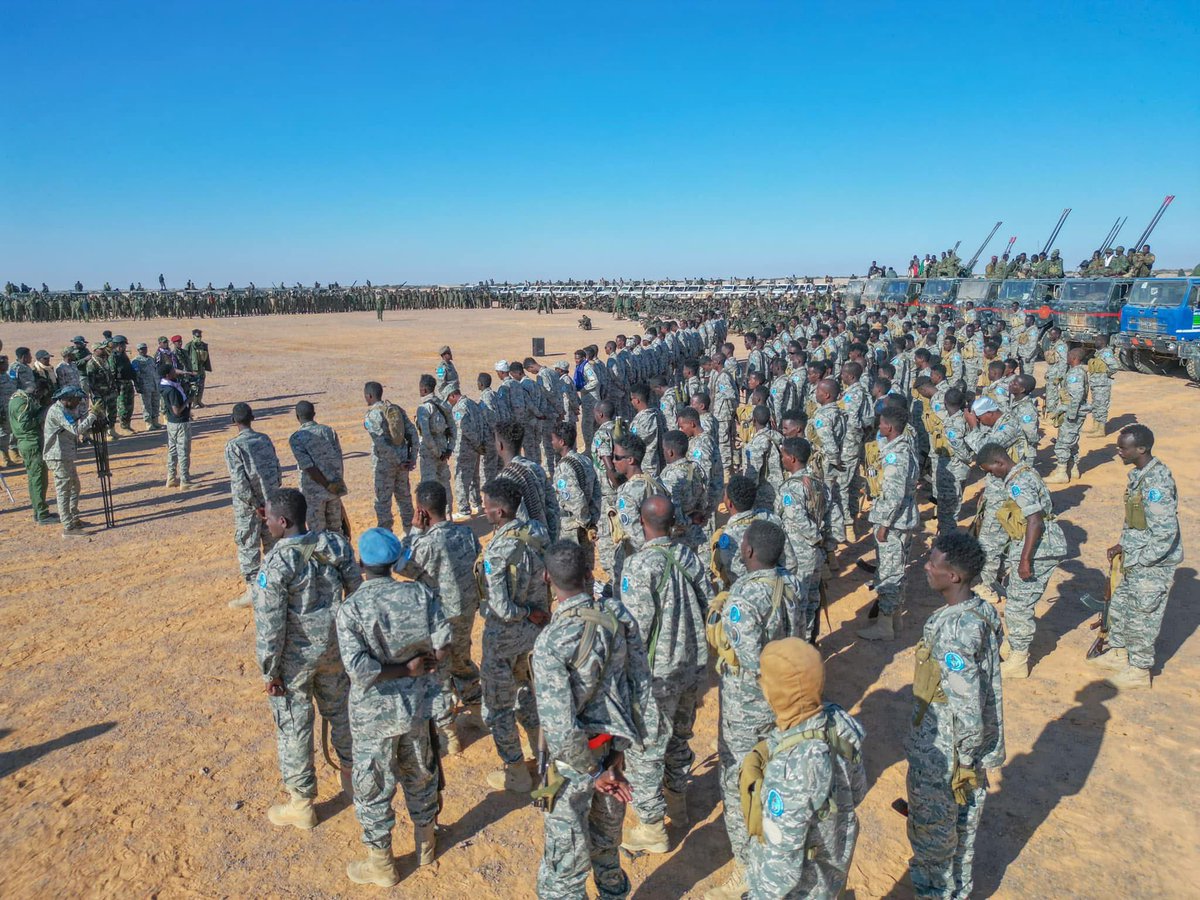
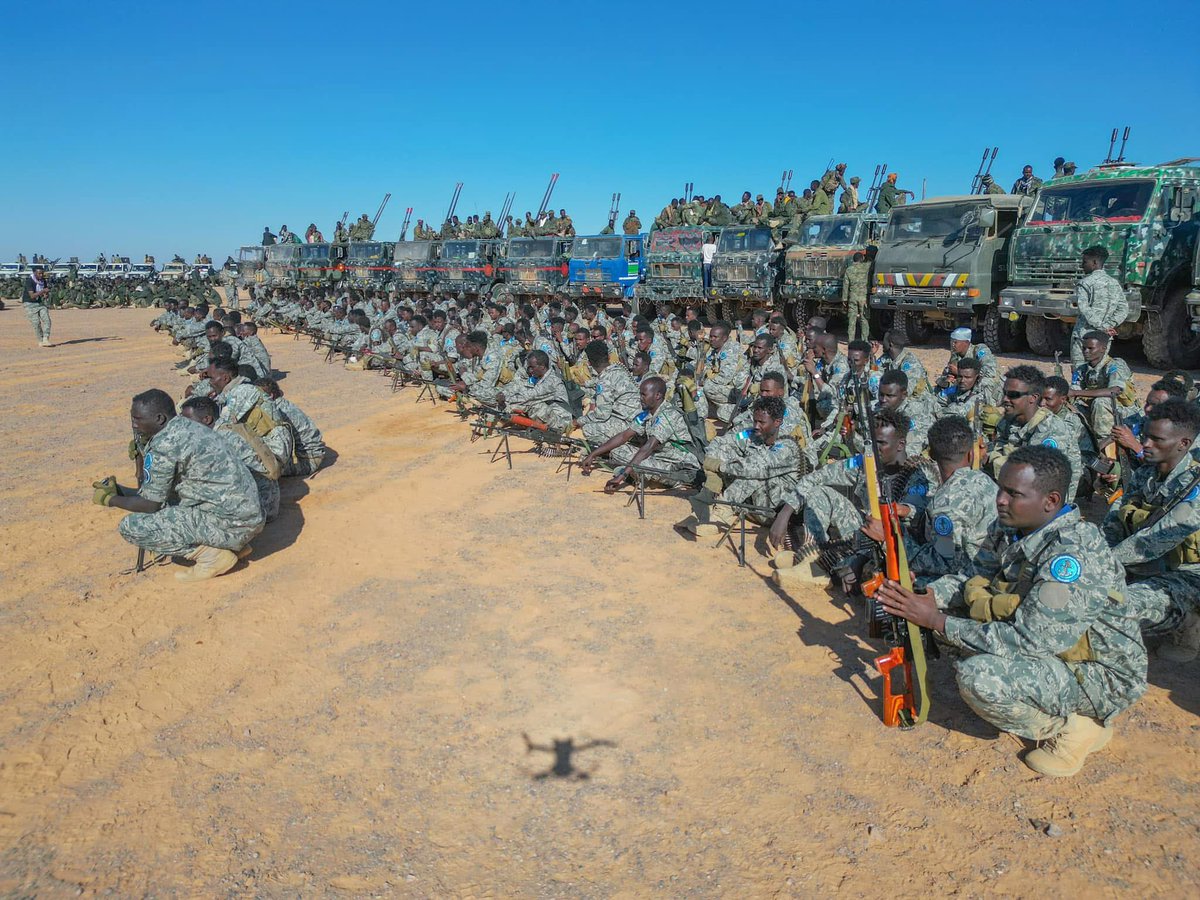
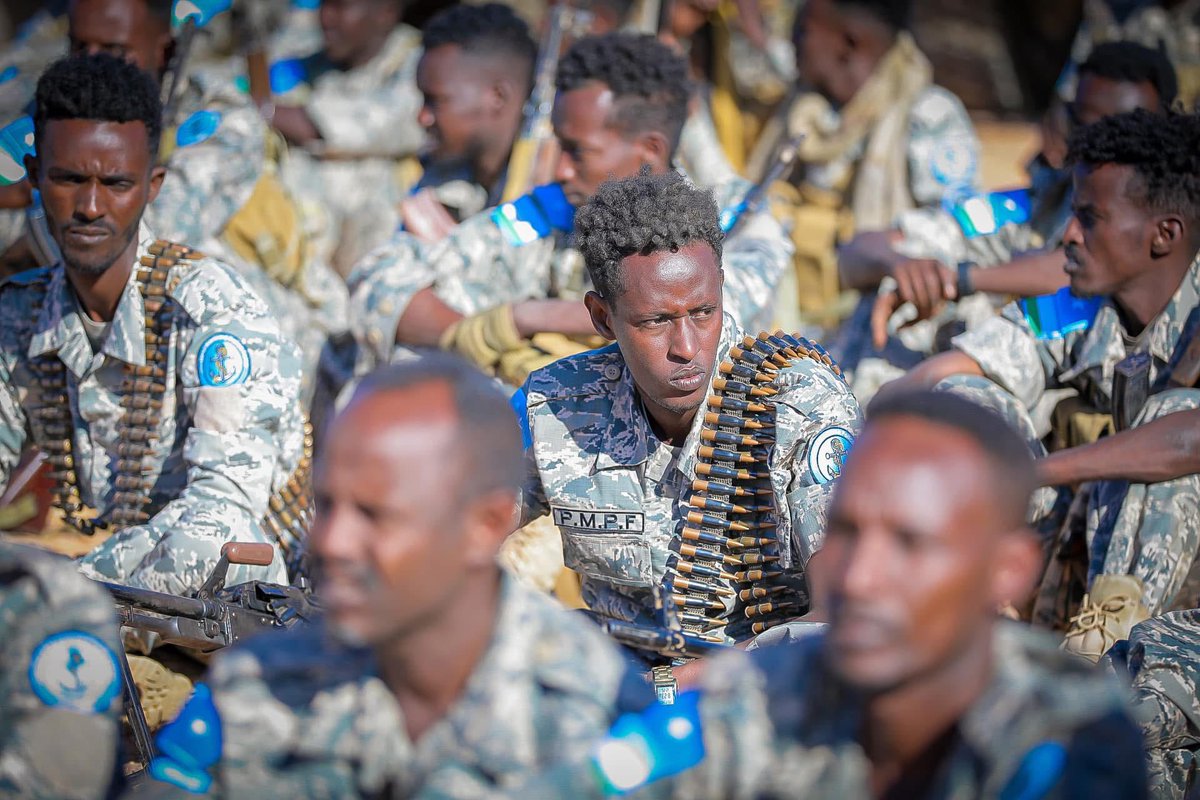
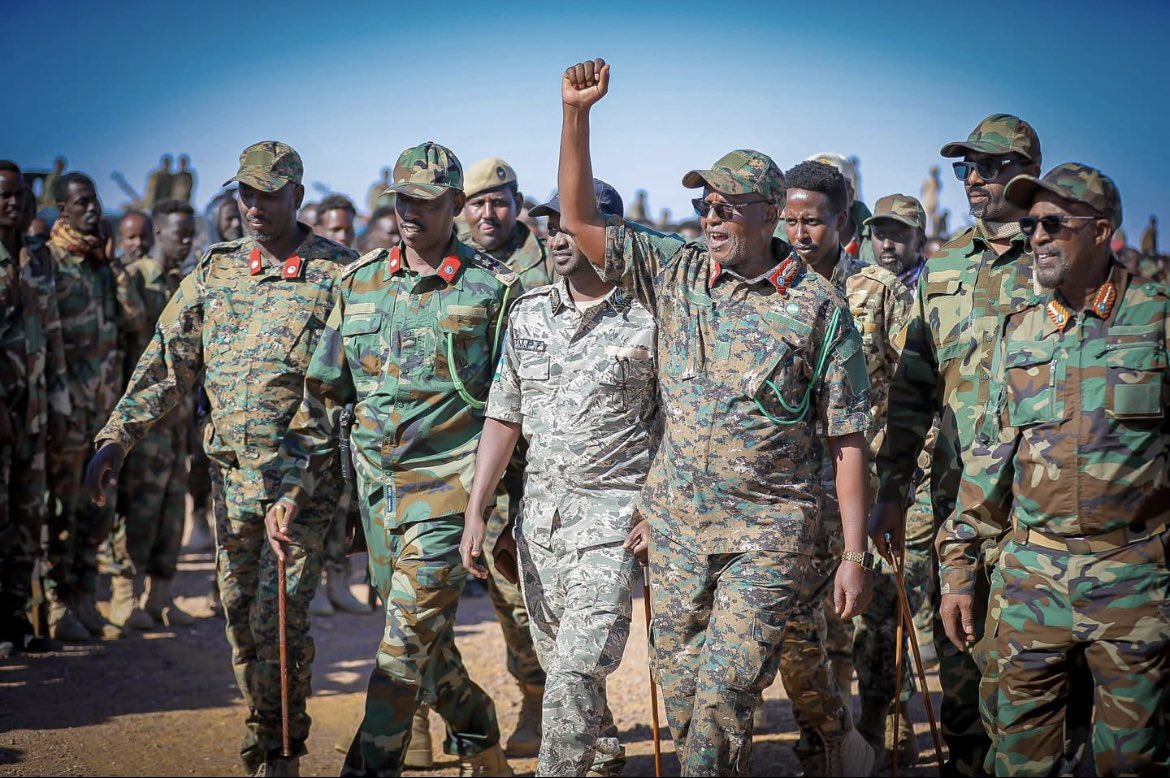
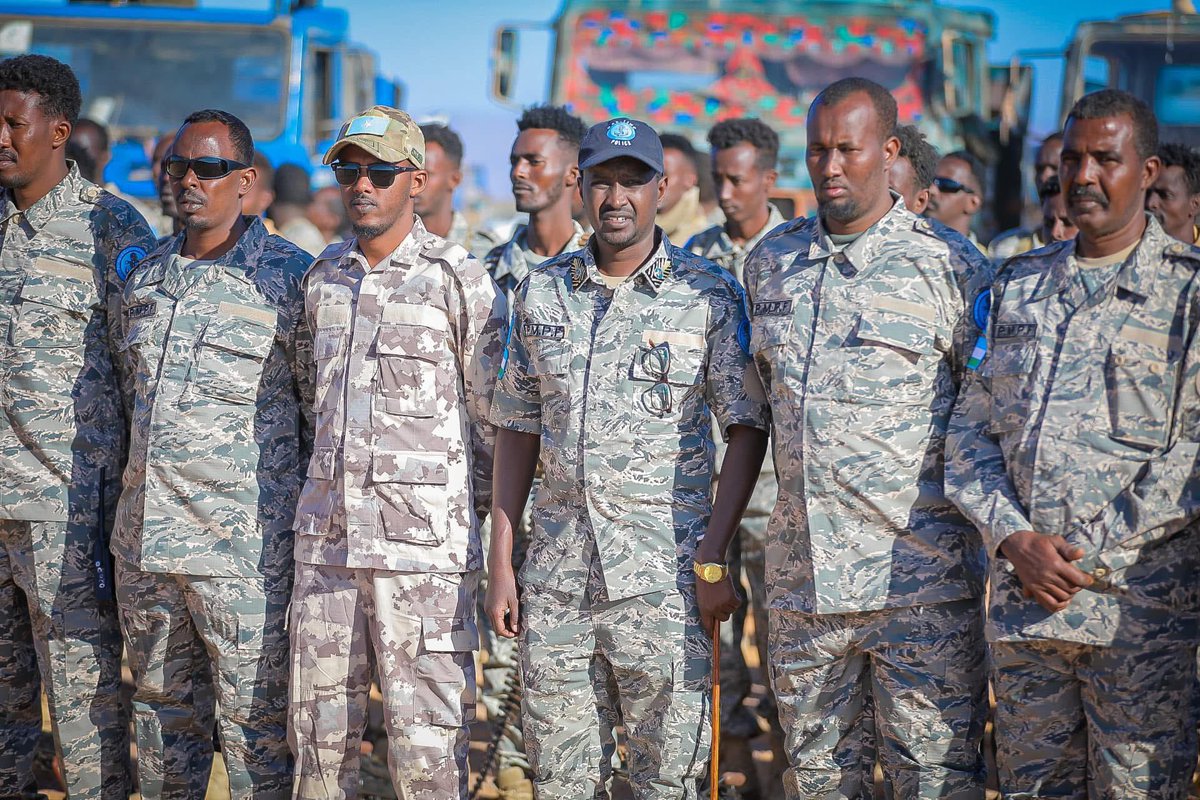
BREAKING: #Puntland launches #OperationMountainThunder
10,000 brave Puntland elite commandos are mobilizing in the mountains to flush out terrorists and protect our people.
we’re determined to end terrorist threats once and for all.
Be part of history—like, share, and let the world know we won’t back down!"
@PL_CTOperations@Plstatehouse@HESaidADeni
Puntland Shrugged.
In Ayn Rand’s Atlas Shrugged, the central theme revolves around the moral and practical necessity of rejecting burdensome obligations imposed by a dysfunctional system. This framework provides a compelling argument for why Puntland should abandon Somalia’s state-building efforts and focus on becoming an independent state. Puntland, often viewed as a “producer” in Rand’s terms, has demonstrated stability, effective governance, and economic resilience, while the Federal Government of Somalia (FGS) and other regions frequently act as “moochers” and “looters,” exploiting Puntland’s resources and legitimacy without contributing in return. For example, Puntland has invested heavily in its security forces and infrastructure but receives little tangible support from the FGS, which often redirects international aid to Mogadishu and fails to allocate resources equitably. Puntland is under no moral obligation to sacrifice its progress to prop up a federal system that undermines its autonomy and achievements.
The principle of rational self-interest, championed by Rand, underscores Puntland’s right to self-determination. Remaining part of Somalia forces Puntland to share its resources and political capital with a central government that provides little benefit in return. Puntland’s thriving economy, driven by ports like Bosaso, Garacad, and a robust economic trade, could flourish further if the region had complete control over its fiscal policy and foreign policy. By declaring independence, Puntland would act in its rational self-interest, prioritizing the well-being of its citizens over the unattainable goal of rebuilding a failed Somali state.
Rand also critiques enforced altruism, where individuals or entities are compelled to sacrifice their interests for the “greater good.” Puntland’s participation in Somalia’s federal negotiations, and constitutional processes reflects such forced altruism. These contributions are often ignored or undervalued, leaving Puntland’s autonomy eroded and its progress hampered. Continuing to invest in Somalia’s state-building would mean prioritizing a broken system over Puntland’s own needs, a sacrifice Rand would deem unjust and irrational.
Independence would allow Puntland to focus entirely on its development and governance. With control over its own resources and policies, Puntland could achieve greater economic growth, enhance security, and strengthen its institutions without interference or external obligations. Its progress would no longer be hampered by the inefficiencies and power struggles of a federal system that penalizes success and rewards dysfunction. Puntland’s withdrawal from Somalia’s state-building project would not only be a rational choice but also a moral imperative, ensuring that the region’s efforts and resources are directed toward its own people.
Ultimately, Puntland’s continued involvement in Somalia’s state-building is futile. The federal system penalizes its stability and success, demanding endless concessions to less functional regions while centralizing power in Mogadishu. This dynamic mirrors the societal decay depicted in Atlas Shrugged, where the productive are exploited to sustain the unproductive. By shrugging off the burden of Somalia’s federal experiment, Puntland can focus on its development, becoming a beacon of stability and progress in the region. Like Galt’s Gulch in Rand’s novel, Puntland could emerge as a society based on reason, merit, and self-reliance, thriving on its own terms and setting a powerful example for others.
I just joined the waitlist for the #AcalaCrowdloan, supporting the Ethereum-compatible DeFi hub coming soon to @Polkadot!
Join the waitlist to get your piece of @AcalaNetwork and up to 10% in bonus crypto: https://t.co/HWIe9FWfsJ
I just joined the waitlist for the #AcalaCrowdloan, supporting the Ethereum-compatible DeFi hub coming soon to @Polkadot!
Join the waitlist to get your piece of @AcalaNetwork and up to 10% in bonus crypto: https://t.co/HWIe9FWfsJ
🎉Zeropay Finance $25000 Airdrop Is Live
#ZeropayFinance#Airdrop#Zeropay
Grab Your Chance To Win Up To 1000 ZEROPAY ($2000)
🏅More Than 2000 Winners Will Be Rewarded
🔗 https://t.co/QyEz6r8Ktf