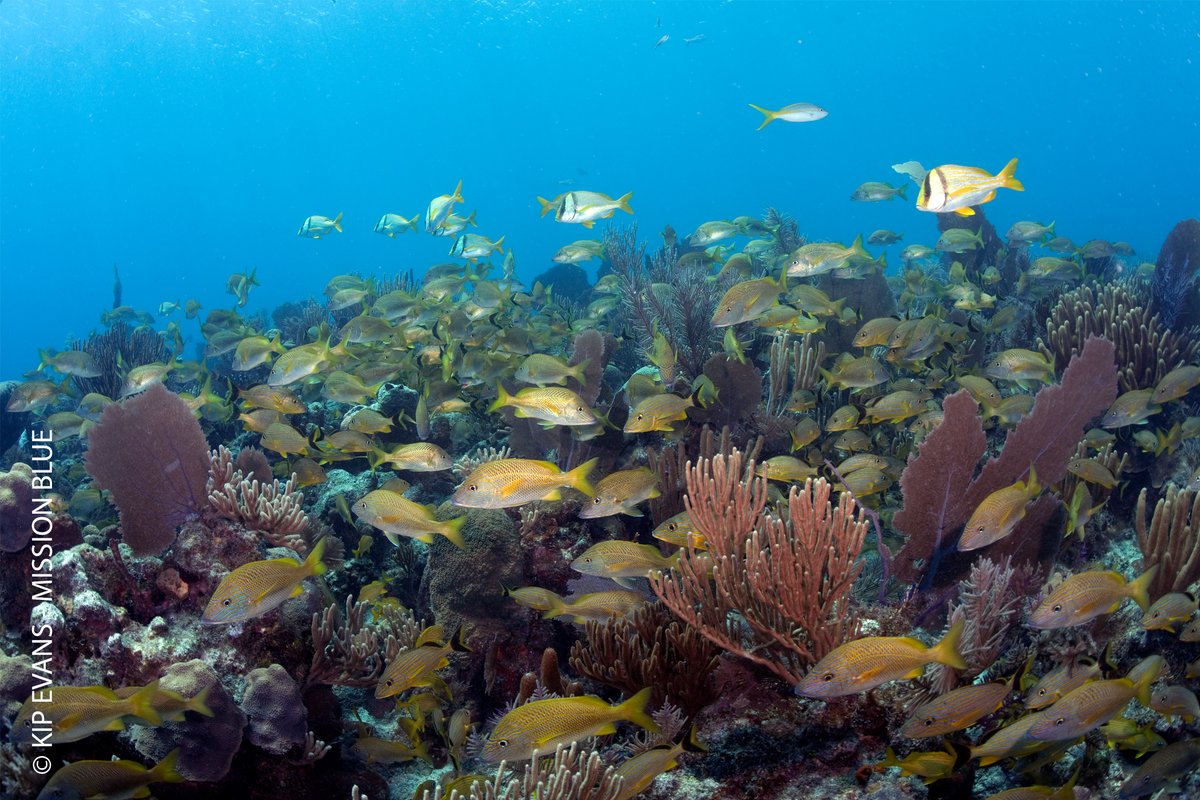
The Arctic isn't the only area warming at an unusually high rate. The area of the East Australian Current is warming at 2-3x the pace of the global average.
This means rapidly shifting conditions for the marine life who call these regions home.
Scientists estimate that North Atlantic right whales now give birth every 6-10 years, longer than the ~3 year period considered "normal."
This could be due to a number of factors, including increased stress and decreased energy from entanglements and other human-made obstacles.
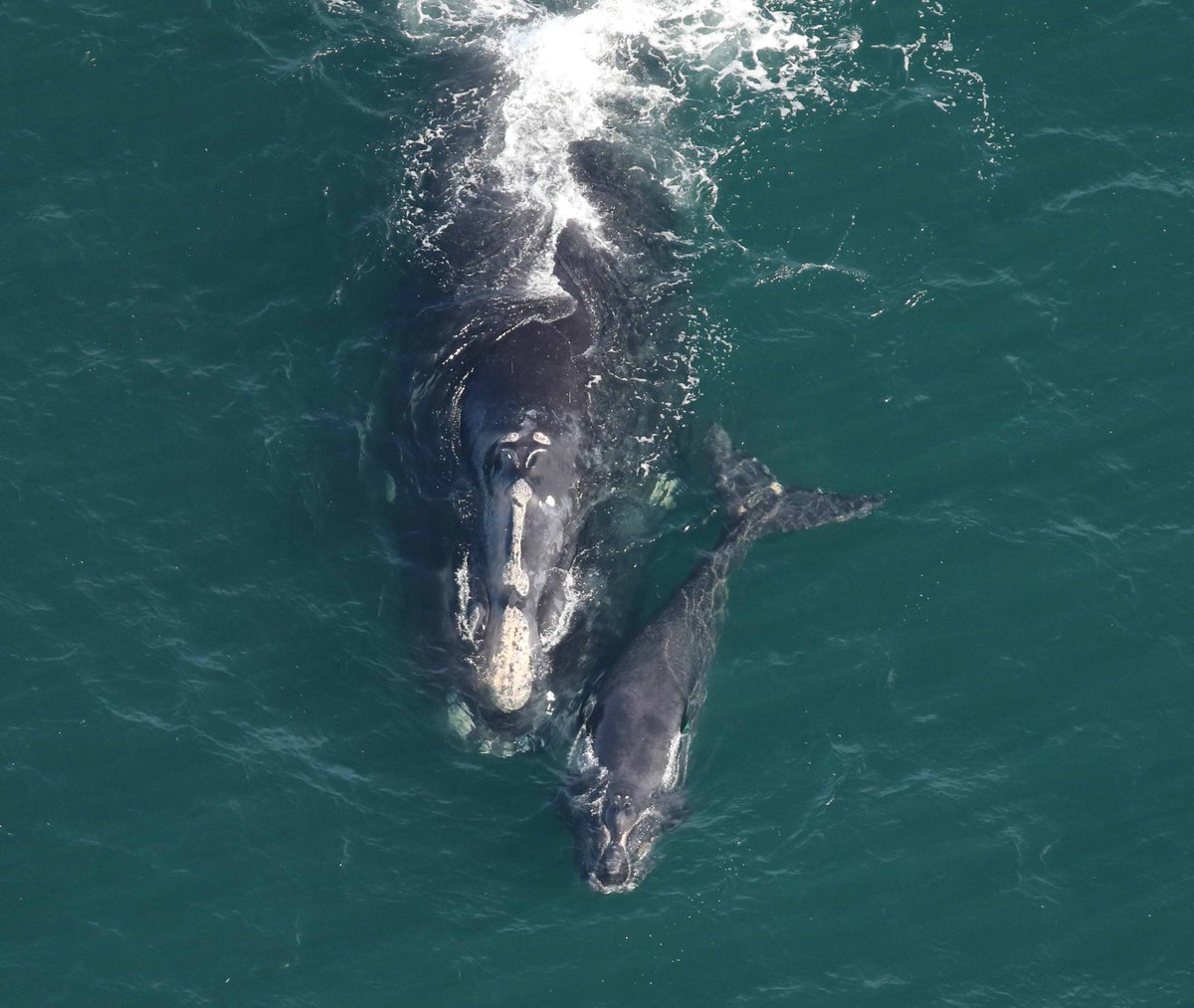
The 11th mom/calf pair of the season: "Pediddle" + her new calf!
Pediddle was seen with her ninth known calf. She now has the honor of sharing the longest calving history with two other #NorthAtlanticRightWhales!
More: https://t.co/Qarf0pP0IY
📸:@CMAquarium; NOAA permit #20556
Unlike terrestrial animals, large marine animals like whales subsist on incredible amounts of small prey like krill.
Some estimates indicate that humpback whales have to eat around 2000 kg each day during the feeding season!
📢 New research alert! Reduced krill supplies lead to fewer pregnancies in humpback #whales 🐳
Krill availability in the year before a humpback pregnancy is crucial as females need to fatten up to support the upcoming pregnancy.
🧵 https://t.co/lHJl28rQ50
Time for an "IPCC for the ocean"
Leading ocean experts propose a new International Panel for Ocean Sustainability (IPOS) to build consensus and inform policy https://t.co/7i7tXkDYUJ
A 2021 study in Nature Sustainability found that plastic food containers and cutlery account for 9% of all trash found in the ocean.
Imagine what would happen if all municipalities follow this trend and get rid of single-use plastics in restaurants.
#BREAKING: New York City lawmakers have passed a bill requiring that restaurants, food delivery apps, and online delivery platforms only provide certain single-use items — including plastic utensils and condiment packets — if requested by the customer. https://t.co/xVlHEK8TsK
There are so few North Atlantic right whales left that the death of just one whale has the potential to completely shift the trajectory of this species' population.
TRAGIC: Severely entangled off the coast of North Carolina, this North Atlantic right whale is not likely to survive. Thanks @markprice_obs at @theobserver for covering the tragic story. @NOAAFisheries: do your job & protect these whales! https://t.co/cLTcWjaCPT #rightwhaletosave
Municipalities around the world rely heavily on desalination plants to support a stable drinking supply.
But it's important to remember that there are negative impacts associated with the process -- namely, the brine and other byproducts that can damage local ecosystems.
Australia has a task force specifically intended to address #PFAS contamination.
But around the world, governments are only beginning to understand the magnitude of danger that manufacturing industries pose to our drinking supply, marine life and healthy waterways.
Pennsylvania has joined a list of growing states setting drinking water standards for a toxic chemical known as PFAS.
via @susanphill + @zoeread88
https://t.co/aXvKg9bkWT
At universities and laboratories around the world, food engineers are finding new and innovative ways to replicate meat and fish using plant-based proteins.
Now, governments need to get more involved to incentivize large-scale behavioral shifts.
https://t.co/vx9CgpgkUq
As we celebrate #seabirds, we also need to recognize the increasing pressures that their populations face due to climate change, overfishing and plastic pollution.
Today, many of these species are endangered or under significant threat.
Estimates suggest that there are trillions of pieces of microplastics floating around in the ocean.
Here are 3 easy ways to cut down on our plastic consumption -->
1️⃣ Switch to a reusable bottle
2️⃣ Use reusable grocery bags
3️⃣ Shop in bulk
The observations that have developed over the years have given us perspective about where we fit in. We are newcomers, really recent arrivals on a planet that is four and a half billion years old.
Another great example of the importance of linking climate change mitigation to co-benefits. The fewer cars on the road, the less dangerous microparticles we inhale.
Win-win.
https://t.co/GnnEQfRYPU