Here's my update to the broader community about the ongoing incident investigation. I want to give you the rundown of the situation directly.
A Vercel employee got compromised via the breach of an AI platform customer called https://t.co/7PY6gGtzgI that he was using. The details are being fully investigated.
Through a series of maneuvers that escalated from our colleague’s compromised Vercel Google Workspace account, the attacker got further access to Vercel environments.
Vercel stores all customer environment variables fully encrypted at rest. We have numerous defense-in-depth mechanisms to protect core systems and customer data. We do have a capability however to designate environment variables as “non-sensitive”. Unfortunately, the attacker got further access through their enumeration.
We believe the attacking group to be highly sophisticated and, I strongly suspect, significantly accelerated by AI. They moved with surprising velocity and in-depth understanding of Vercel.
At the moment, we believe the number of customers with security impact to be quite limited. We’ve reached out with utmost priority to the ones we have concerns about. All of our focus right now is on investigation, communication to customers, enhancement of security measures, and sanitization of our environments. We’ve deployed extensive protection measures and monitoring. We’ve analyzed our supply chain, ensuring Next.js, Turbopack, and our many open source projects remain safe for our community.
The recommendation for all Vercel customers is to follow the Security Bulletin closely (https://t.co/BLVnic9fJC). My advice to everyone is to follow the best practices of security response: secret rotation, monitoring access to your Vercel environments and linked services, and ensuring the proper use of the sensitive env variables feature.
In response to this, and to aid in the improvement of all of our customers’ security postures, we’ve already rolled out new capabilities in the dashboard, including an overview page of environment variables, and a better user interface for sensitive env var creation and management. As always, I’m totally open to your feedback.
We’re working with elite cybersecurity firms, industry peers, and law enforcement. We’ve reached out to Context to assist in understanding the full scale of the incident, in an effort to protect other organizations and the broader internet. I also want to thank the Google Mandiant team for their active engagement and assistance.
It’s my mission to turn this attack into the most formidable security response imaginable. It’s always been a top priority for me. Vercel employs some of the most dedicated security researchers and security-minded engineers in the world. I commit to keeping you updated and rolling out extensive improvements and defenses so you, our customers and community, can have the peace of mind that Vercel always has your back.
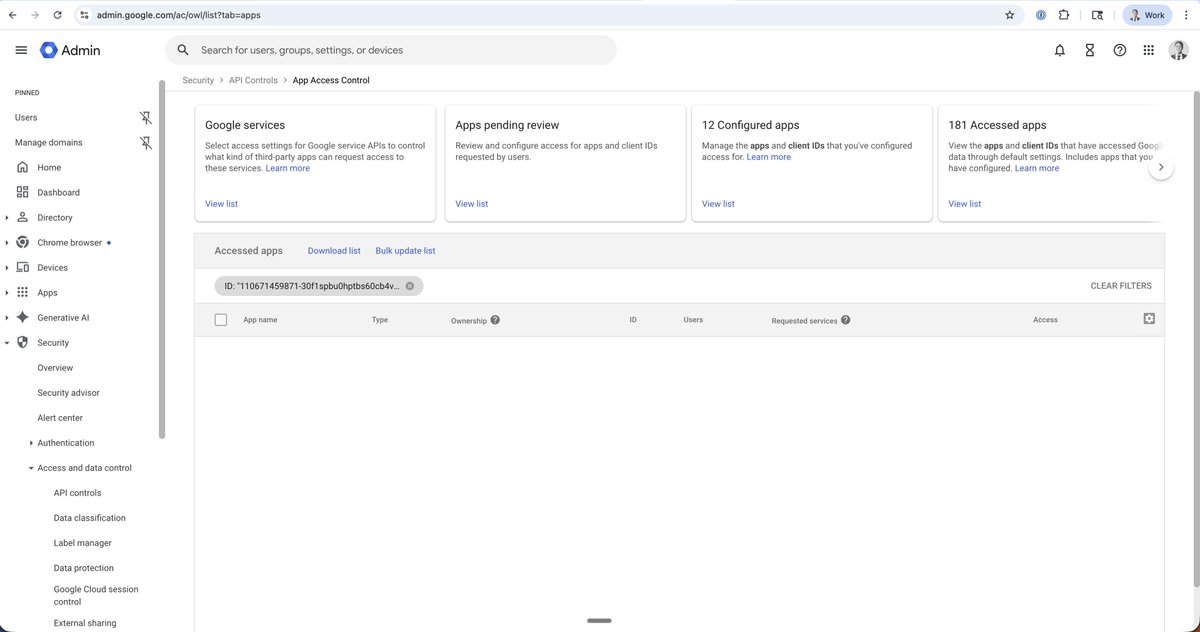
To check if your Google Workspace has been compromised by the same tool that compromised Vercel:
1. Go to https://t.co/TpuIOW5Fwg
- This is Google Admin Console > Security > Access and Data Control > API Controls > Manage app access > Accessed Apps
2. Filter by ID = https://t.co/uqJnCqp5Ah
- This is the ID of the compromised OAuth app
If you see an app after filtering, you have potentially been compromised
Google has deleted the account but I’m confident the third party AI tool that vercel mentioned in the blog post is context[.]ai based on a now removed chrome browser extension listing linked to an oauth grant in the same account id
We’ve identified a security incident that involved unauthorized access to certain internal Vercel systems, impacting a limited subset of customers. Please see our security bulletin:
https://t.co/0S939n3qHC
$300 mini PC running 26B parameter AI models at 20 tok/s.
Minisforum UM790 Pro ($351) + AMD Radeon 780M iGPU + 48GB DDR5-5600 + 1TB NVMe.
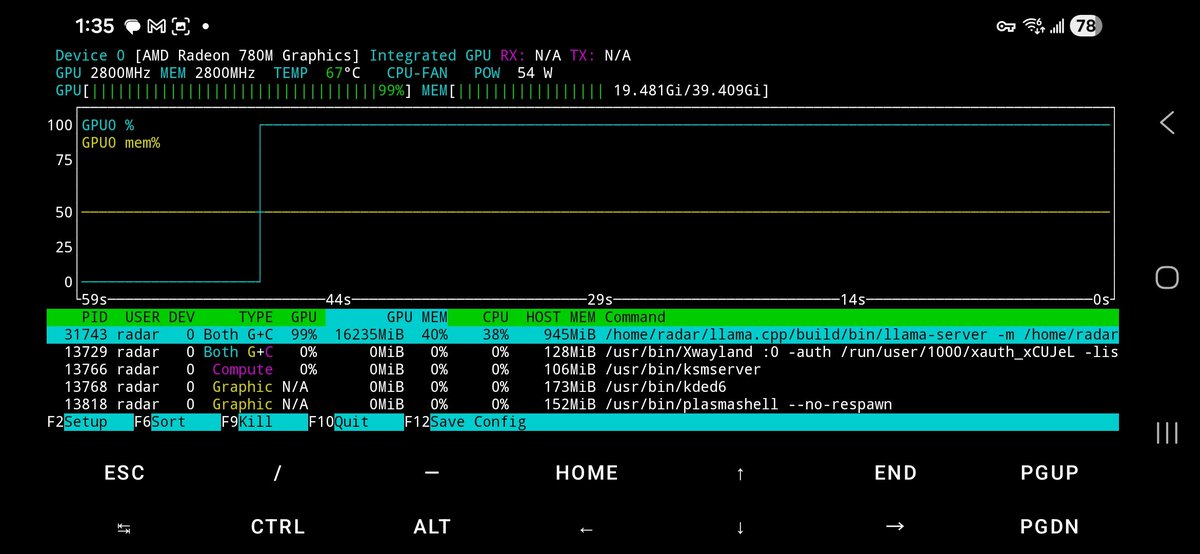
The secret: the 780M has no dedicated VRAM. It shares your DDR5 via unified memory. The BIOS says "4GB VRAM" but Vulkan sees the full pool.
I'm allocating 21+ GB for model weights on a GPU with "4GB VRAM." The iGPU reads weights directly from system RAM at DDR5 bandwidth (~75 GB/s). MoE only activates 4B params per token = 2-4 GB of reads. That's why 20 tok/s works.
What it runs:
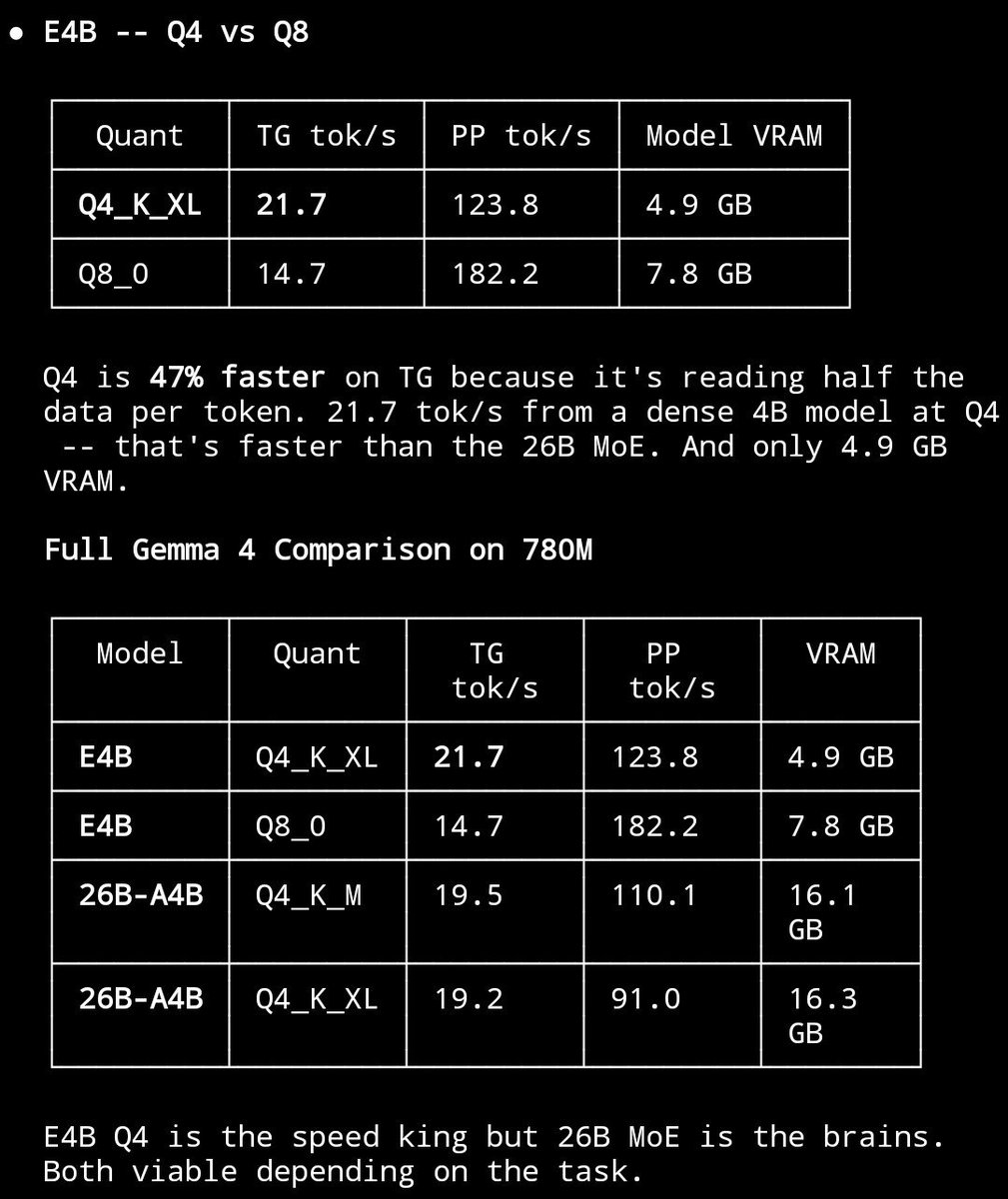
- Gemma 4 26B MoE: 19.5 tok/s, 110 tok/s prefill, 196K context
- Gemma 4 E4B: 21.7 tok/s faster than some RTX setups
- Qwen3.5-35B-A3B: 20.8 tok/s
- Nemotron Cascade 2: 24.8 tok/s
Dense 31B? 4 tok/s, reads all 18GB per token, bandwidth wall. MoE same quality? 20 tok/s.
Full agentic workflows via @NousResearch Hermes agent with terminal, file ops, web, 40+ tools, all against local models. No API keys. Just a box on your desk.
The RAM is the pain right now. DDR5 prices 3-4x what they were a year ago. But the compute is free forever after you buy it.
@Hi_MINISFORUM@ggerganov llama.cpp + Vulkan + @UnslothAI GGUFs + @AMDRadeon RDNA 3. Fits in your hand.
#LocalLLM #Gemma4 #llama_cpp #AMD #Radeon780M #MoE #LocalAI #AI #OpenSource #GGUF #HermesAgent #NousResearch #DDR5 #MiniPC #EdgeAI #UnifiedMemory #Vulkan #iGPU #RunItLocal #AIonDevice
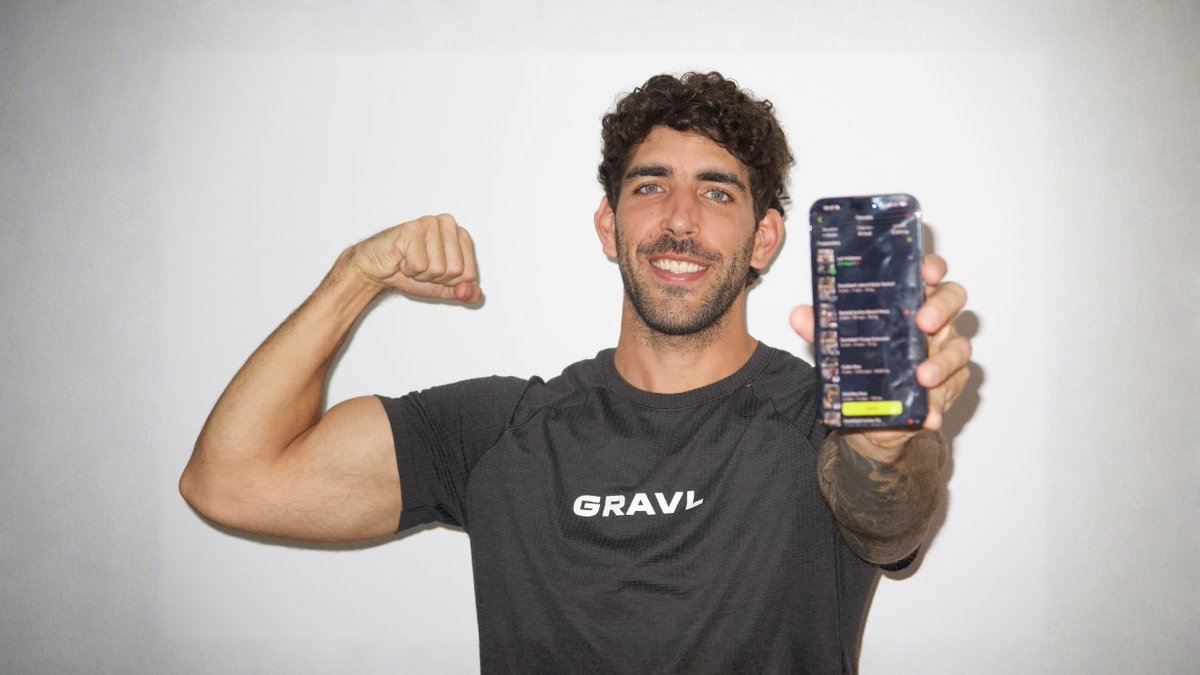
Hoy tenemos de invitado en el stream a @julian_gargi, creador de Gravl (app que uso mucho), vamos a hablar de como y por que la desarrolló, como fue armar el producto, que la hace facturar +500k USD por mes y que perfiles busca contratar hoy para laburar con el.
Nos vemos 🤝