Research shows that eating large quantities of red meat can increase colorectal cancer risk by about 30%. Learn more about what a meat-centric diet does to your gut in this Nutrition Essentials podcast.
https://t.co/PXobTXWGFJ
Doctors diagnosed sisters Courtney and Heather with stage 3 colorectal cancer less than one year apart, despite no family history of the disease.
They're spreading awareness that colorectal cancer can affect any age. #ColorectalCancerAwarenessMonth
More: https://t.co/6eu3TN3kHN
As the name implies, an at-home colon cancer test takes place in the comfort of your home without a doctor present. The test looks for abnormal cells or blood present in a sample of your stool. It’s a hands-on task and not for the squeamish. At-home screening options can be good detection tools, but a colonoscopy remains the gold standard.
BLUE | For Colorectal Cancer Awareness Month!
Colorectal cancer is one of the most common types of cancer, and if detected early, it’s also one of the most treatable. Colonoscopy screenings are recommended starting at age 45.
To learn more visit https://t.co/8b8JdiWFMV @ClevelandClinic
Eating a healthy diet and getting enough exercise can both significantly lessen your risk of colon cancer. And it’s also important to know when to get screened for this disease. Because your risk increases as you age, current guidelines say you should first get screened at age 45. But if you have a family history of colorectal cancer, ask your healthcare provider about being screened sooner.
John found out he had colorectal cancer at 35 years old. The news came as a shock to the young dad, who had just finished a marathon. With colorectal cancer cases rising among young adults, John shares his journey.
More: https://t.co/Tgcg9D8KJ7
Colon polyps are growths on the inside lining of your colon. Polyps are tumors that grow out of the mucous lining inside your hollow organs. Colon polyps are common, and many are harmless. But some types can grow into cancer if they aren’t removed. This is why healthcare providers look for polyps in your colon during a colonoscopy. While polyps aren’t cancer, almost all colorectal cancer starts from a polyp. Most colon polyps, and many colorectal cancers, won’t cause any symptoms. This is why screening — testing for diseases before you have symptoms — is so important.
About half of patients diagnosed with early-onset colorectal cancer are younger than 45, earlier than the recommended age to start screening. We created a risk score to help find who could benefit from early screening. #ColorectalCancerAwarenessMonth
More: https://t.co/6wFCznnP7w
About half of patients diagnosed with early-onset colorectal cancer are younger than 45, earlier than the recommended age to start screening. We created a risk score to help find who could benefit from early screening.
More: https://t.co/eManYLQJbn
Erika Lydon, PT, DPT, a pelvic floor physical therapist at the @ClevelandClinic joins this episode of Butts & Guts to share more about how physical therapy can help those looking to build or maintain a healthy pelvic floor. Listen to learn more: https://t.co/gulBcgJYsc
On this episode of Butts & Guts, Dr. Eric Owing from @CleveClinicFL discusses hernias and abdominal wall reconstruction. Listen to learn more about common hernia symptoms and how cutting-edge approaches treat the most advanced cases. https://t.co/26HjzfMllw
Tune in to our latest @CleClinicMD Cancer Advances podcast with Dr. Ruth Keri as she dives into the latest discoveries in targeting YES1 protein in #TNBC. Listen now to discover its impact on chemoresistance, tumor growth, and more. #CleClinicCancer https://t.co/daQKin0Bl1
On this episode of Butts & Guts, dietitian Julia Zumpano introduces the Cleveland Clinic Diet app. Discover how this app can help you achieve your health goals with content curated by doctors, nutritionists, and behavioral health specialists. https://t.co/CQSzRaaaLF
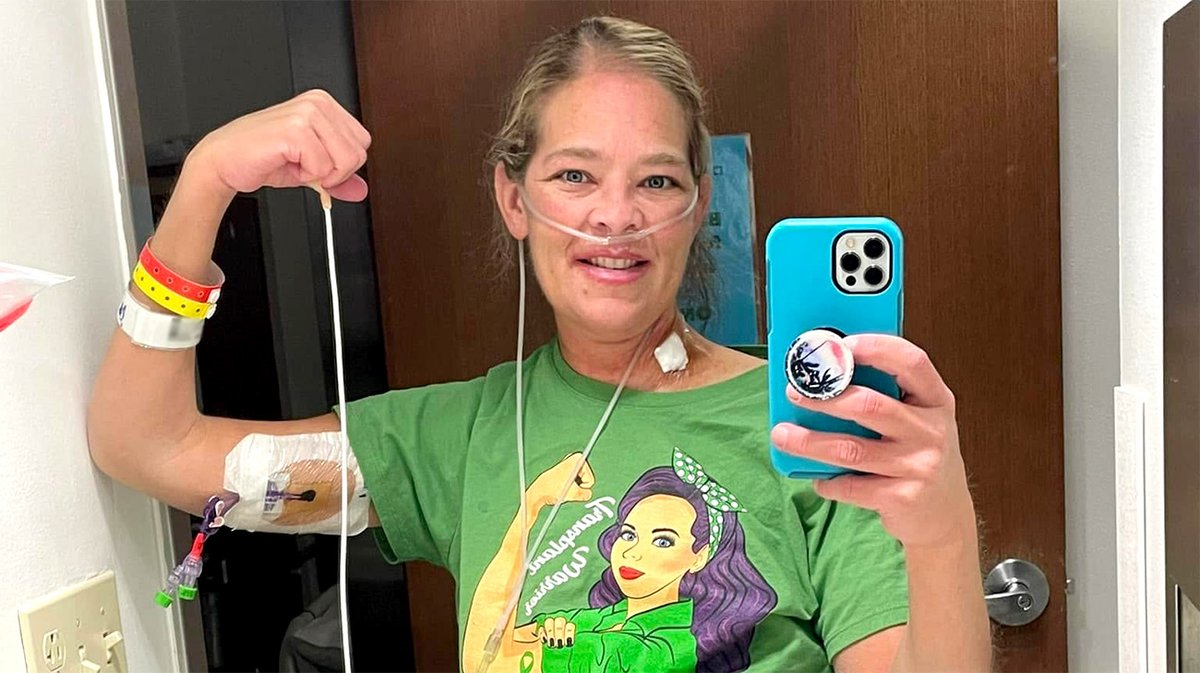
At one point, Sarah recalls planning her own funeral because of how sick she was.
She credits her remarkable progress to a second opinion that saved her from needing a double-lung transplant on top of a liver transplant.
More on Sarah's story: https://t.co/2YBLRBVJN5
On this episode of Butts & Guts, Dr. Emanuela Alvarenga, a colorectal surgeon at Cleveland Clinic Florida Tradition Hospital, discusses obstructive defecation syndrome (ODS). Listen to learn about types of constipation, symptoms, and treatments https://t.co/bmvhvrVrpk
Why are early-onset cancers rising, and how is Cleveland Clinic innovating care for young patients? @DavidLiskaMD joins the Cancer Advances podcast to discuss Cleveland Clinic’s integrated program for young people with cancer. #CleClinicCancer https://t.co/q14uJMtOZF
At age 35, John Johnson was in peak condition after completing the Cleveland Marathon. Weeks later, he was diagnosed with colorectal cancer. John joins @davidrrosenmd on this episode of Butts & Guts to share his inspiring story. https://t.co/t7nhxc7xPp
An incredible story from an incredible person and father. Have a listen! Also, John and I will be running the Boston Marathon this spring to help raise further awareness regarding young onset colon and rectal cancer-we have to figure this out and solve it!
Dr. Anthony Lembo, gastroenterologist and Director of Research at Cleveland Clinic's Digestive Disease Institute, joins Butts & Guts to discuss neurogastroenterology and motility. Listen to learn more about neuro-GI disorders, symptoms, and treatment. https://t.co/mSu23H1tSk