Business Retention / Economic Development - sustainable food production, medical technologies, logistics; University of Guelph Aggie grad, nature / music
🏭 🔍 What's driving industrial sourcing activity as we head into the final weeks of 2026?
This week's IndustryNet search data reveals an interesting mix of activity across manufacturing, energy, and construction. Buyers are seeking both the components needed to keep production moving and the materials and equipment that support larger projects. Get a look at what's trending and see how you can stand out to these buyers!
Ontario and the federal government say they're committing $250 million to help build a new port in Sault Ste. Marie on the north shore of the Saint Marys River.
https://t.co/LLGkoAjlww
Does your proposed AI project have eligible costs starting before March 31, 2027?
Apply to the Regional Artificial Intelligence Initiative (RAII) by November 24, 2026, to be considered under the priority intake.
Learn more and apply: https://t.co/65k4M8H1ck
#RAII#AIforAll#GC
Where is the freight market heading? Join Mark McKendry, Bryan Blatchford, Timothy Drake, Steven Bartolomeo & Shawn Tipping for “Freight Market Outlook” at the #FleetExecutiveSummit, Nov 24 in Brampton!
https://t.co/WQSrn1G04y
#Trucking#TTN
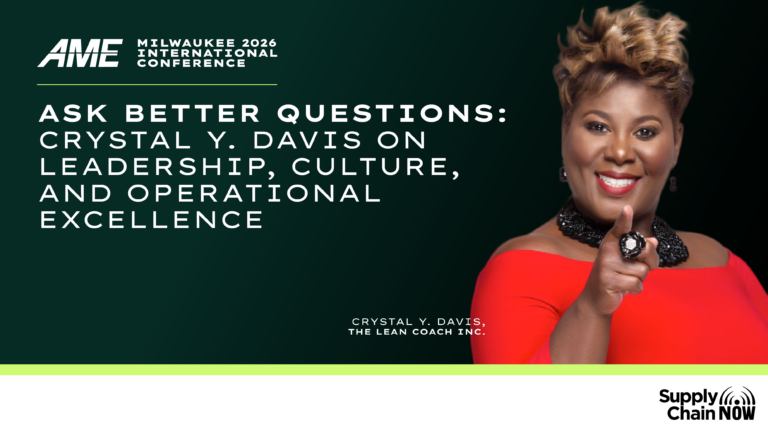
Operational excellence starts with asking better questions.
At AME 2026, @ScottwLuton spoke with Crystal Y. Davis of The Lean Coach Inc. about how leadership, culture, and understanding the real problem drive continuous improvement.
Read the article for practical insights on building stronger teams and improving operations. https://t.co/VWzj3UtJfH
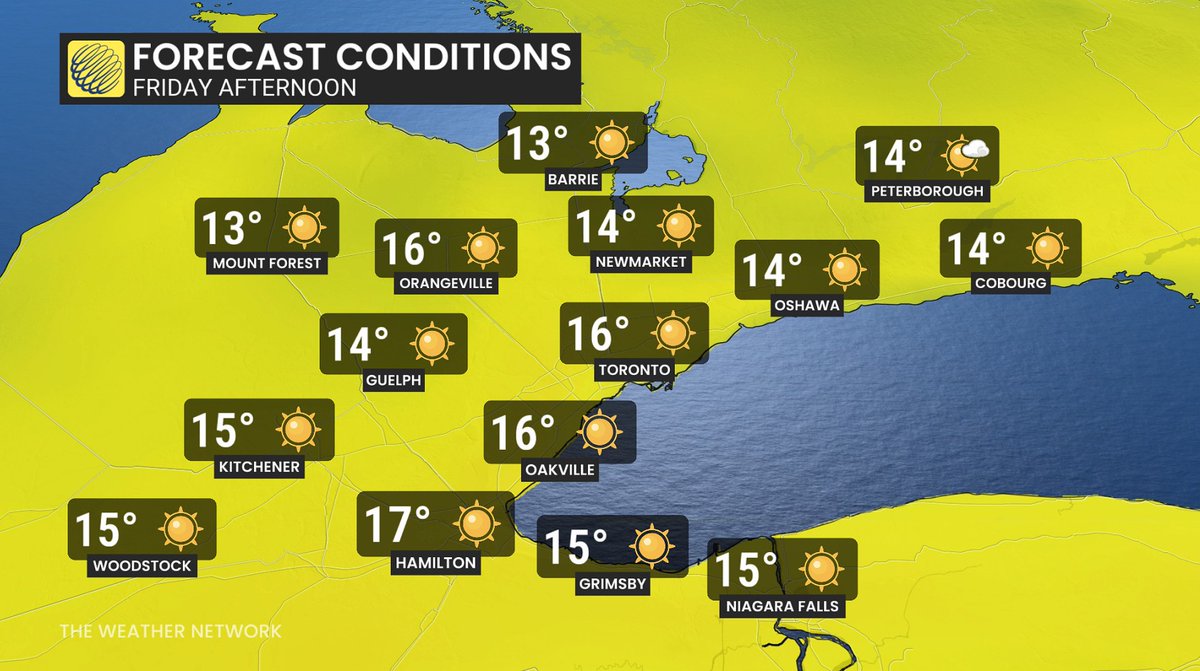
Exceptionally warm November weather for 3 more days! Full sunshine again today & temps more typical of early October; Partly sunny Sat. AM (more clouds near Lake Ont.) then sunny & warm PM; Mostly sunny & warm Sunday; Showers Sunday night; Much colder (seasonal) next week #onwx
New retail sales data today in Canada.
Canadians spent more at food and beverage stores, but in the last 5 years, that money bought less overall.
Think of a shopper who used to spend $100 and now spends $112, yet comes home with a smaller basket.
That’s the idea behind the two lines.