Not every risk is worth taking.
But the real danger?
Taking them without knowing where you stand.
You don't need courage to raise capital.
You need courage to reconcile your past.
Because clarity isn't a given.
It’s earned — by asking the question:
What will you do with what you’ve already done?
And you cannot move forward
— in business or in life —
until you know where you truly stand.
👇Journal Entry 003: Venture Clarity
Before there were startups, there were ships.
Before unicorns, whales.
Before cap tables, risk logs.
Finance didn’t begin in Silicon Valley —
It began at sea.
A wager against the unknown.
Backed by clarity.
This is Journal Entry 003: Venture Clarity
https://t.co/yaVOZn7pfG
I got rejected by 144 investors before raising $150M for my $200M+ rev/year startup.
After 144 rejections, I started questioning our approach.
Were we solving the right problem?
What were we doing wrong?
Why weren’t investors seeing what we were seeing?
Were we the right team to build this?
We tried everything: different pitch angles, new deck structures, and reframing the problem.
Then came the 145th meeting, where we closed our first growth round.
That yes made everything worth it. But getting there took years of mistakes and hard work.
We went through a lot of trial and error just to figure out what resonates with investors.
We tried dozens of approaches to figure out what made investors engage.
Some landed, most didn't. But each iteration taught us something about what builds conviction versus what just sounds good on paper.
And once we cracked that code, our Series C closed faster than expected.
And today, I see so many founders in the exact same position I was in 10 years ago: grinding through rejections, questioning everything, and trying to figure out what works.
So today I want to give you the resource I wish I had back then:
Something that shows you exactly how to structure these conversations and navigate the entire process
(because the fundraising cycle can be a big distraction and take a toll on you as a founder).
So I've partnered with Notion's Startups Team to create the essential fundraising resource that helps you avoid the mistakes that cost me years.
Here's what you are getting:
• The actual decks I used to raise $150M for Super[.]com (Series B, C)
• 50 real examples from funded startups like Eleven Labs and Artisan AI
• A searchable database of 10,000+ investors - angels, VCs, and accelerators you can reach out to immediately (this alone would take months to build manually)
• An AI-powered fundraising agent built into Notion with step-by-step prompts (no separate ChatGPT needed)
Want access?
• Like and share this post
• Comment "FUNDRAISE"
• Follow me so I can DM you the link
I'll send it over ASAP.
P.S.: If you are serious about fundraising (now or in the future), you should grab it right away.
TL;DR:
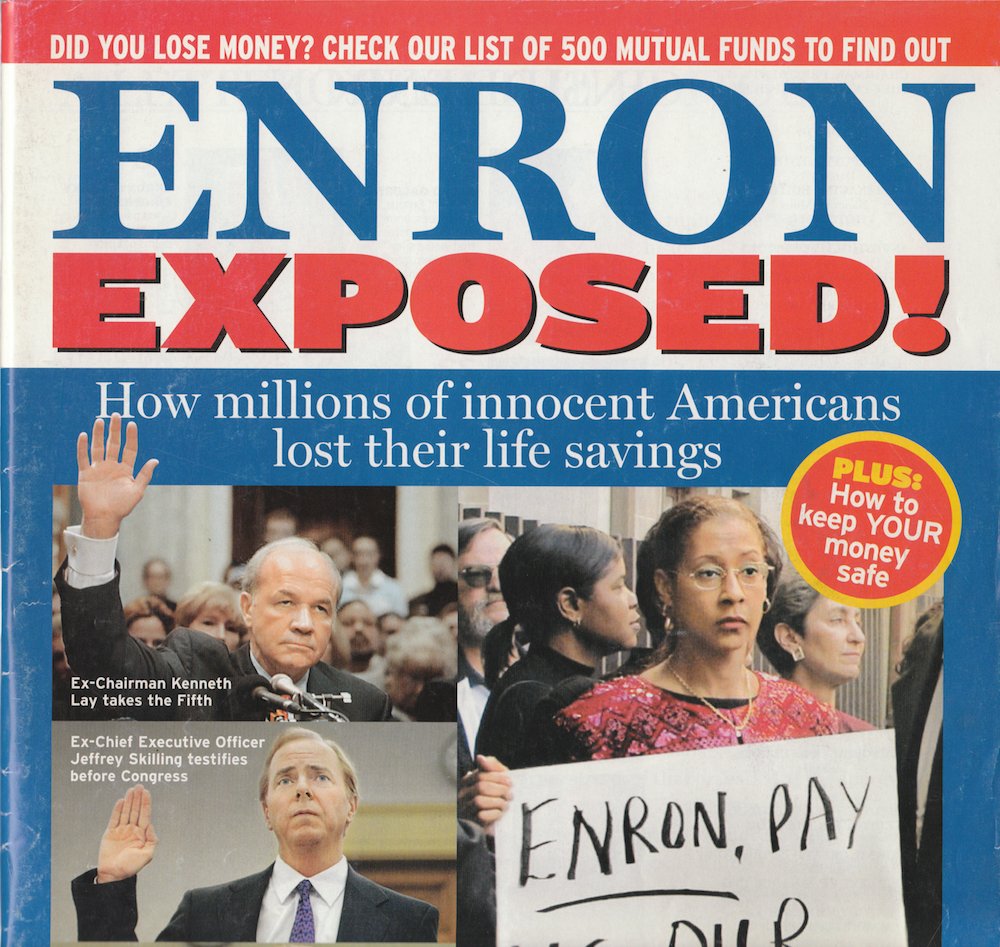
Anyone of us can raise a hand to prevent the next Enron.
Asking 3 simple questions provides a framework to cut through complexity:
1. Where is the cash?
2. Who does it belong to?
3. Does it respect the priority of payments?
These questions should be asked by investors, owners & operators, even employees, suppliers & every other stakeholder
— for we all have a responsibility to make businesses better.
The Enron bankruptcy of 2001 remains the most devastating corporate implosion in modern financial history:
$70 billion in market value vaporized overnight.
89-year-old Arthur Andersen erased, ending the Big 5 accounting era.
US launched the largest corporate reform since the Great Depression.
A lot has been written about what happened. But here’s the thing —
This didn’t require a whistleblower.
It didn’t require inside access.
It didn’t require hindsight.
Anyone could have stopped this.
If they had just asked these 3 simple questions: 🧵
I’ve spent 25 years deploying private capital globally.
The toughest part wasn’t finding great businesses — it was trusting the numbers.
That’s why I built @kraion_io.
Not another SaaS tool.
An operating system for SME capital access.
This is what every small business owner needs. Can't afford a full-time CFO but you're asking your bookkeeper how to raise/allocate capital? Then your next best bet is to have an internal Operating System that you - yes, you, as founder, needs to know cold.
Professional boards please: only directors with actual management, operational, investment or audit experience and deep industry knowledge. It's more work than just quarterly conference calls: we are stewards who must spend meaningful time IN the business to provide sound advice https://t.co/m2WB2cz93e
Before there were empires, there were ledgers.
Not carved in marble, but in clay.
A running tally of what we built, borrowed, owed, and risked.
Accounting didn’t just record history.
It gave us the clarity to carry it forward.
👇Journal Entry 001: A Brief History of Accounting
@BojanRadojici10 We were hammered as analysts to build cash sweeps, such a critical nuance in project financing.
Would love to see how you built yours ! Send please 🙏🏽
@Sam_Rosati 💯 Works for lenders too: understanding how a business prioritizes their payments is a goldmine of behavior patterns.
Understanding cash flow dynamics should be as routine as getting a blood test before being diagnosed by a doctor.
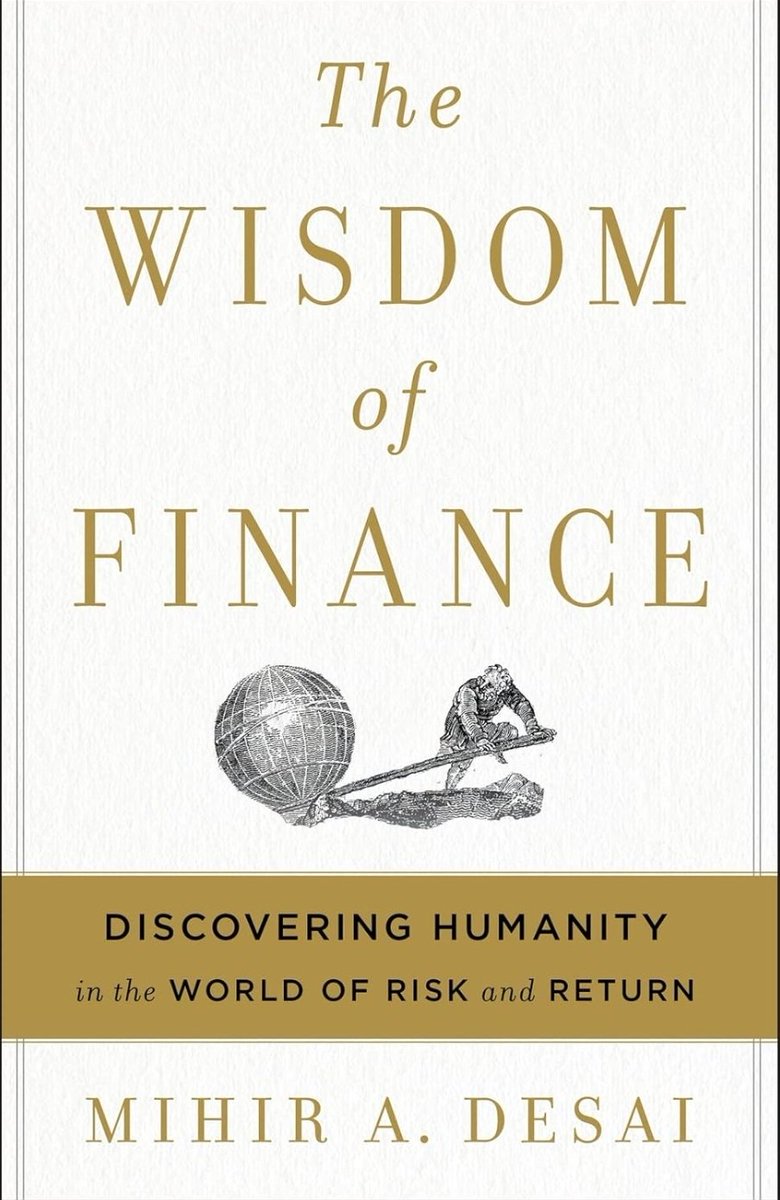
@BoringBiz_ The Wisdom of Finance.
Reveals how our everyday decisions demonstrate our innate financial acumen : simply by navigating through an uncertain world.