MLB full season record for most losses in a season with a positive run differential: 2006 Cleveland Indians, 78-84 (+88)
2026 teams with a realistic chance of breaking this record:
Nationals, Marlins, Cards, Tigers (+59!!) Pirates, Cleveland again
@jon_bois maybe one for you?
MLB full season record for most losses in a season with a positive run differential: 2006 Cleveland Indians, 78-84 (+88)
2026 teams with a realistic chance of breaking this record:
Nationals, Marlins, Cards, Tigers (+59!!) Pirates, Cleveland again
@jon_bois maybe one for you?
@SouthVarangian@lporiginalg Sweet, I’m fairly knowledgeable about the law here and I love studying it, but like I said previously I know next to nothing about foreign law or how the Commonwealth works really at all. But I’m glad I got to learn something today! Thank you for taking the time to educate me
@SouthVarangian@lporiginalg Are you Australian? I’m from the US so I don’t know much about British law or how the law in Commonwealth Realms work but I assumed the same. I knew Australia was still technically under British Crown Rule so their precedent would probably be from Britain.
@madmanmammy@SouthVarangian@lporiginalg R vs. McNally 2013 used the Sexual Offenses Act of 2003 to uphold sexual assault charges against a masc-presenting AFAB who engaged in sexual acts with a straight woman, including (alleged) penetration, without disclosing. This was in the EWCA (UK/Wales) so consult local laws.
@SouthVarangian@lporiginalg It should be noted that this says New South Wales, and that law doesn’t apply everywhere. In the UK “active deception” means it’s defined as sexual assault (Ciara Watkin case, R v. McNally 2013) and I assume Australia and Canada follow. In America it’s state to state.
Josh Dasher. Say his name repeatedly
That’s the name of the ref that called the
Omar Cooper Jr catch a TD in real time when everyone thought it was incomplete
If we call out the bad calls, we must highlight the good ones too. And this was incredible
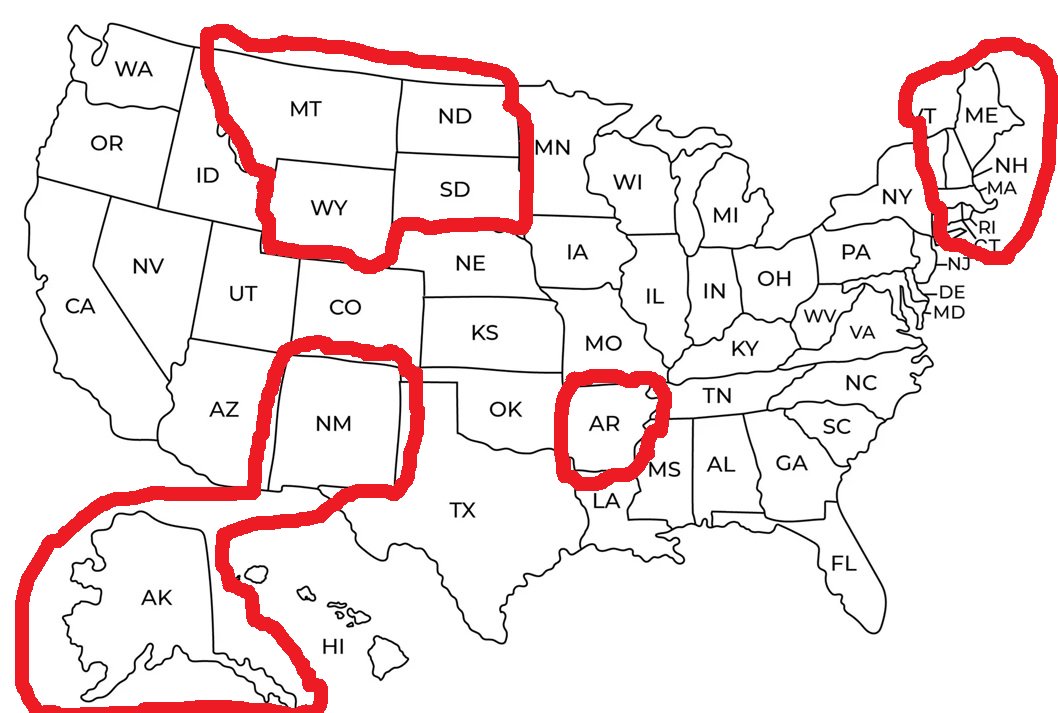
A map of places where it must suck to live if you are a huge college football fan. Please feel free to correct me or edit the map based on your masterful knowledge of geographics.
Edina and shakopee are good value, but I got stilly on account of they just went through WBL and Hill at their place and dominated both games aside from about 7 minutes in the third period of the hill game
Odds to win the AA Tourney
Moorhead +150
Stillwater +300
St. Thomas Academy +475
Rogers +500
Edina +750
Shakopee +1300
Andover +7500
Lakeville South +15000
With juice/vig.
If he demonstrates humility and compassion, understands the gravity of his mistake and does nothing but be better and put his head down and work his ass off, why not?
The concept of equipping law enforcement officers with debit cards for community assistance is an intriguing proposal aimed at enhancing community policing efforts. Here's a more structured argument on this topic:
Professional Consideration:
Trust and Responsibility:
Law enforcement officers are already entrusted with significant responsibilities, including the management of valuable equipment, firearms, and the authority to enforce law. If they are deemed trustworthy with these high-stake resources, it logically follows that they could be trusted with financial tools like debit cards intended for community aid.
Enhancing Community Relations:
Providing officers with debit cards with set spending limits could serve as a tool for immediate aid during community interactions. This could range from purchasing necessities for those in need, funding community events, or even emergency aid. Such actions could significantly improve public perception and trust in law enforcement by showcasing a proactive, supportive community role rather than just an enforcement one.
Economic Efficiency:
Instead of officers using personal funds, which might not be reimbursed or might come with bureaucratic delays, debit cards could streamline the process. This could reduce out-of-pocket expenses for officers who wish to assist citizens without the financial burden.
Policy and Oversight:
Implementing such a system would require clear policies on usage:
Set Limits: Cards would have predetermined spending caps to prevent misuse and ensure funds are used judiciously.
Accountability: Transactions could be logged and reviewed to maintain transparency and accountability. This would prevent any potential for corruption or misuse.
Training: Officers would need training on when and how to use these cards, emphasizing the importance of discretion and judgment in their application.
Pilot Programs:
Before a full rollout, pilot programs in selected precincts could test the efficacy and impact of this initiative. Data from these pilots would inform broader implementation strategies, focusing on both the financial aspects and the community response.
Public Opinion and Engagement:
Engaging with community leaders, public figures, and even political figures like those mentioned could aid in spreading awareness and gaining support for such innovative community policing tools. This could also involve public forums or discussions to ensure the initiative aligns with community values and needs.
Challenges:
There would be logistical challenges in terms of funding, card distribution, and monitoring. Additionally, there's the risk of public skepticism regarding the potential for abuse of such privileges, which would need to be addressed through robust policy frameworks and community trust-building activities.
By considering these points, departments could potentially transform the role of police officers from merely law enforcers to community facilitators, thereby fostering a more positive relationship with the public they serve. This approach could indeed be a step towards rebuilding faith in community policing, providing officers with resources to make immediate, positive impacts in their communities.
Also than you Grok for real writing this in a more understandable way.
@america@elonmusk@grok@realDonaldTrump@VivekGRamaswamy@hodgetwins